Where to Experience Day of the Dead in Mexico
Many travelers arrive in Mexico expecting the James Bond-style parade they saw on screen, only to realize that the true magic of Día de Muertos is scattered across thousands of candlelit cemeteries and private living rooms. Navigating the crowds, the transportation logistics, and the cultural nuances can be overwhelming for a first-timer. This guide solves that confusion by pinpointing exactly where to find the most authentic, spiritual, and visually stunning celebrations across the country.
Disclosure: This post may contain affiliate links. We may earn a commission at no extra cost to you if you make a purchase through these links. Read full disclosure.
Beyond the Spectacle: Understanding the Spirit of the Celebration
If you have spent any significant amount of time living in Mexico, you quickly learn that Día de Muertos is not "Mexican Halloween." While Halloween is about fear and the macabre, Day of the Dead is a vibrant, deeply sentimental homecoming. It is the one time of year when the veil between the worlds is thin enough for our loved ones to return for a visit. As an expat who has sat through many cold nights in village cemeteries, I can tell you that the emotional weight of these nights is far more impactful than any parade.
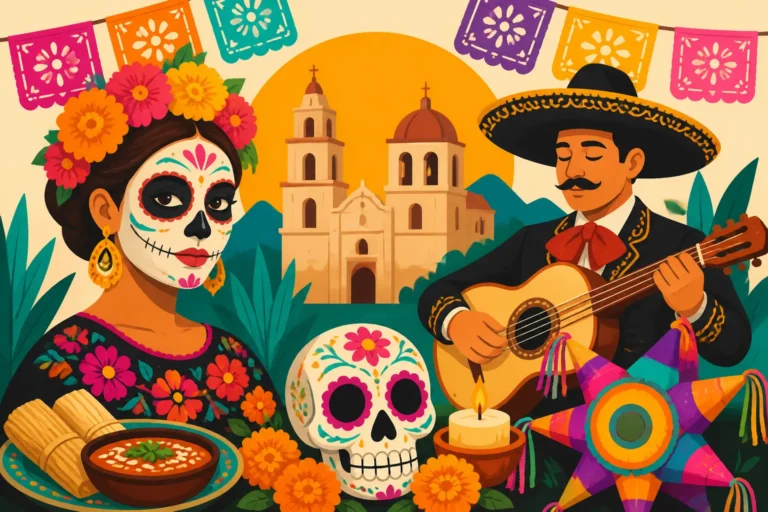
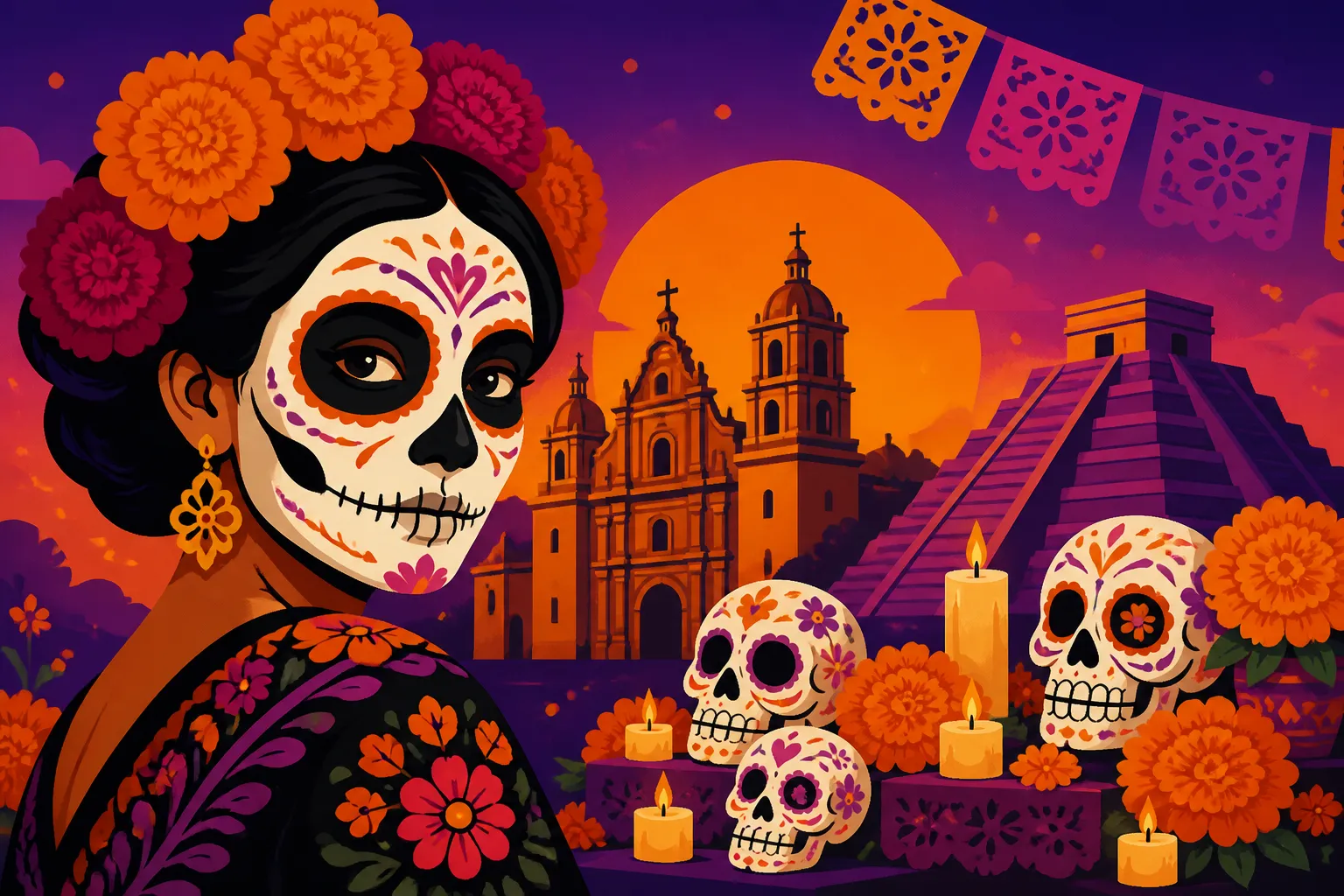
The celebration is centered around the ofrenda, or altar. These are not just decorations; they are sensory maps designed to guide the souls back home. You will see marigolds (cempasúchil) whose scent and bright color lead the way, salt for purification, and the favorite foods of the deceased. Understanding this context is vital because it changes how you interact with the spaces you visit. You aren't just a tourist looking at a display; you are a witness to a family’s private reunion. To dive deeper into these nuances, I recommend reading up on Mexican Customs, Etiquette, and Social Life before you set out.
The experience varies wildly depending on where you are. In the north, it might be more subdued, while in the center and south, it is an all-encompassing explosion of color and incense. If you are staying in the capital, you will find a mix of high-production events and ancient traditions. Regardless of where you choose to go, the key is to move slowly and observe. This is a time of convivencia—living together—both with the living and the dead. For those newly arrived, our Mexico City for First-Time Visitors: Neighborhoods and Highlights can help you find your bearings before you head into the more crowded celebration zones.
Oaxaca City: The Cultural Epicenter of Tradition
Oaxaca is arguably the most famous destination for Day of the Dead, and for good reason. The city transforms into a living gallery of sand tapestries, marigold arches, and spontaneous street parties known as comparsas. I remember my first year in Oaxaca, being swept up in a parade of people dressed as skeletons, led by a brass band, and being handed a cup of mezcal by a complete stranger. It is beautiful chaos at its finest.
In the city center, the markets are the place to start. The Central de Abastos becomes a sea of orange as truckloads of marigolds arrive. This is where you can see the local Mexican Food Culture: Eating and Drinking as a Visitor in its most seasonal form, with stalls selling mounds of pan de muerto and sugar skulls. If you want a structured way to see the best altars without getting lost in the labyrinthine streets, you can often find walking tours on Viator that focus on the hidden gems of the Jalatlaco neighborhood.
The most profound experiences in Oaxaca happen in the cemeteries, or panteones. The Panteón General in the city is often closed or restricted due to its age, but the cemeteries in nearby villages like Santa María Atzompa or Xoxocotlán are breathtaking. Here, families spend the night cleaning graves, lighting hundreds of candles, and sharing meals. It is a social event as much as a religious one. If you are planning to visit these outlying areas, it is wise to check Oaxaca City Guide: Markets, Mezcal, and Art for tips on navigating the local transport, as taxis can be hard to find in the early hours of November 2nd.
Michoacán: The Soul of the Purépecha People
If Oaxaca is the heart of the celebration, Michoacán is its soul. The area around Lake Pátzcuaro is home to the Purépecha people, who have maintained some of the most ancient and solemn traditions in the country. The most iconic image of Day of the Dead—the candlelit boats on a dark lake—comes from the island of Janitzio. However, because of its fame, Janitzio has become incredibly crowded. As a veteran expat, my advice is to look toward the smaller lakeside towns like Tzintzuntzan or Ihuatzio for a more intimate experience.
In Tzintzuntzan, the cemetery is adjacent to an ancient archaeological site. The contrast of the glowing graves against the dark backdrop of the Yácatas (Purépecha pyramids) is something you will never forget. The locals here are incredibly proud of their heritage, but the influx of tourists can be a strain. Always remember to be respectful; these are active places of mourning and celebration. If you are coming from Mexico City or Guadalajara, I highly suggest booking your bus tickets through Busbud well in advance, as routes into Morelia and Pátzcuaro sell out weeks before the festival begins.
For those who prefer a base with more amenities, the colonial city of Morelia offers a sophisticated take on the holiday. The city’s main cathedral is illuminated, and the streets are filled with massive catrina statues. It serves as an excellent gateway to the lake region.
Mexico City: Where Modernity Meets Ancient Ritual
The capital offers a unique "choose your own adventure" style of Day of the Dead. For those who want the Hollywood experience, the Grand Parade (Desfile de Día de Muertos) is a spectacular show of floats, dancers, and giant puppets. It usually runs along Paseo de la Reforma and ends in the Zócalo. It is crowded, loud, and incredibly fun, but it is a modern invention (inspired by the 2015 James Bond film, Spectre).
For a more traditional experience within the city limits, you must head south to San Andrés Mixquic. This "barrio mágico" feels like a rural village despite being part of the metropolitan area. The Alumbrada (the lighting of the candles) in the Mixquic cemetery is world-renowned. By nightfall on November 2nd, the entire graveyard is a glowing forest of orange and gold. Getting there can be a logistical nightmare, so many expats prefer to book a day trip through Viator to handle the transportation, as it involves a mix of metro and local buses that can be daunting for those still working on their Survival Spanish for Travelers in Mexico: Key Phrases.
Another fantastic spot in Mexico City is the floating gardens of Xochimilco. During the season, they host special night tours on trajineras (colorful wooden boats) that include performances of La Llorona (The Weeping Woman). It is a hauntingly beautiful way to experience the water-bound traditions of the ancient Aztecs. When planning your stay in the city, check Booking.com for hotels in Roma or Condesa, which offer a central location with easy access to both the parade and the southern suburbs. For safety tips while navigating the massive crowds of the capital, refer to Staying Safe in Mexico: Practical Tips for Travelers.
Comparison of Major Day of the Dead Destinations
To help you decide where to spend your time, I have put together a quick comparison of the most popular hubs based on atmosphere, accessibility, and tradition.
| Destination | Vibe | Best For | Accessibility |
|---|---|---|---|
| Oaxaca City | Artistic & Festive | Street parties and sand art | High (International Airport) |
| Pátzcuaro | Spiritual & Solemn | Indigenous traditions | Moderate (Requires bus/car) |
| Mixquic (CDMX) | Traditional Village | Seeing the "Alumbrada" | Low (Long commute from center) |
| Mérida | Culinary Focus | The Hanal Pixán experience | High (International Airport) |
| Pomuch | Rare & Intense | Ancient bone-washing ritual | Low (Remote Campeche) |
The Yucatán Peninsula: Hanal Pixán
In the Maya world of the Yucatán, the celebration is called Hanal Pixán, which translates to "food for the souls." Here, the focus is heavily on the culinary side of the tradition. The centerpiece is the mucbipollo, a large corn tamal filled with chicken and pork, wrapped in banana leaves, and cooked in an underground pit (pib). The earth-baked flavor is unique to this region and is a literal bridge between the world of the living and the dead.
Mérida, the capital of Yucatán, hosts the Paseo de las Ánimas (Procession of the Souls), where hundreds of people dressed in traditional white huipiles and guayaberas, with faces painted as skeletons, walk from the main cemetery to the center of town. It is more ethereal and quiet than the brass-heavy parades of Oaxaca. If you are staying in the Maya Riviera, you can also visit Xcaret Park for their "Festival of Life and Death," which is a high-quality, though more commercialized, cultural showcase. For those traveling with family, Pediatric Care in Mexico: Healthcare for Expat Children offers peace of mind regarding local services should the heat or regional food be a bit much for the little ones.
The Yucatán experience is often warmer and more humid than the central highlands, which changes the logistics of what to pack. You will want light linen clothing rather than the heavy sweaters needed for Michoacán. For a deeper dive into the specific charm of this region, I recommend checking out Mérida City Guide: Colonial Charm in the Yucatán. If you are arriving from elsewhere in Mexico, Busbud is a great tool for finding the ADO bus schedules that connect Cancún and Mérida.
Practical Logistics and Etiquette for the Season
Planning a trip for Day of the Dead requires more foresight than a standard Mexican holiday. Because it is the busiest travel season of the year, hotels in places like Oaxaca and Pátzcuaro often book out six to nine months in advance. I always tell friends to check Booking.com as early as January for the following November. If you wait until September, you will likely be paying double or staying an hour away from the action.
Transportation is another hurdle. Roads in Oaxaca and around Lake Pátzcuaro often become gridlocked. If you are renting a car, be prepared for roadblocks and "spontaneous" parades that can shut down entire zip codes. Using long-distance buses is often easier; you can browse routes and prices on Busbud. Once you are on the ground, remember that Tipping in Mexico (Propina): When and How Much still applies to the local guides and musicians who make the atmosphere so vibrant.
Finally, let's talk about cemetery etiquette. It is easy to get caught up in the beauty of the candles and flowers, but remember that you are in a graveyard.
- Ask before filming: Many families are happy to share their stories, but don't just shove a camera in a grandmother's face while she is praying.
- Watch your step: Cemeteries in Mexico are often uneven, and it is considered very disrespectful to step on a grave mound.
- Keep voices low: While some families play music, others are in silent reflection. Follow the lead of the locals.
- No flash photography: It ruins the atmosphere for everyone and is disruptive to the ritual.
If you find yourself overwhelmed by the sensory input—which is common for new expats—refer to Mental Health Resources: Finding English-Speaking Therapists in Mexico for a reminder on how to manage culture shock and the intensity of living abroad.
Staying Healthy and Safe During the Festivities
With the massive crowds comes a higher risk of minor health issues and petty crime. The most common ailment for tourists during Día de Muertos is dehydration and stomach issues from street food. While the tacos are tempting, make sure you are eating from stalls that have a high turnover of local customers. Our guide on Staying Healthy in Mexico: Essential Tips for Food, Water, and Preventive Care is a must-read before you indulge in cemetery snacks.
Safety-wise, pickpockets thrive in the dense crowds of the Oaxaca comparsas and the Mexico City parade. Keep your valuables in a front pocket or a cross-body bag. If you do run into trouble, knowing how to handle Medical Emergencies in Mexico: What Expats Should Know and Prepare will save you a lot of stress. Also, ensure your Travel Insurance vs Local Insurance: Do Expats Need Both? coverage is up to date, especially if you are traveling to more remote villages in Michoacán or Chiapas.
Despite the crowds and the logistics, experiencing Day of the Dead is a rite of passage for anyone living in or visiting Mexico. It provides a profound perspective on life and loss that you won't find anywhere else in the world. By choosing the right destination and approaching the holiday with respect and curiosity, you will come away with a much deeper appreciation for the "Mexican way of death," which is, in reality, a beautiful celebration of life.
Disclaimer
The information provided in this guide is for informational purposes only. Local regulations, event schedules, and safety conditions can change rapidly. Always check with official local tourism boards and government advisories before traveling. The author is an expat sharing personal experiences and research, not a legal or travel authority.