How to Take a Cenote Day Trip in the Yucatán
Oh, the Yucatán Peninsula! If you've been dreaming of escaping the heat and plunging into those crystal-clear, ancient waters, you're not alone. Planning a cenote day trip can feel like navigating a maze of options, from finding the perfect swimming spot to figuring out how to get there without a hitch. As an expat who's been through the trial-and-error, I'm here to tell you it's entirely doable to have an unforgettable cenote adventure, and this guide is going to walk you through exactly how to plan your perfect day.
Disclosure: This post may contain affiliate links. We may earn a commission at no extra cost to you if you make a purchase through these links. Read full disclosure.
Understanding Cenotes: Mexico's Natural Treasures
First off, let's talk about what these magical places actually are. Cenotes (pronounced seh-NOH-tays) are a true wonder of the Yucatán Peninsula, and once you dip your toes in, you'll understand why everyone raves about them. They're not just swimming holes; they're windows into an immense underground river system that snakes beneath the entire peninsula.
The Geological Wonders of Yucatán
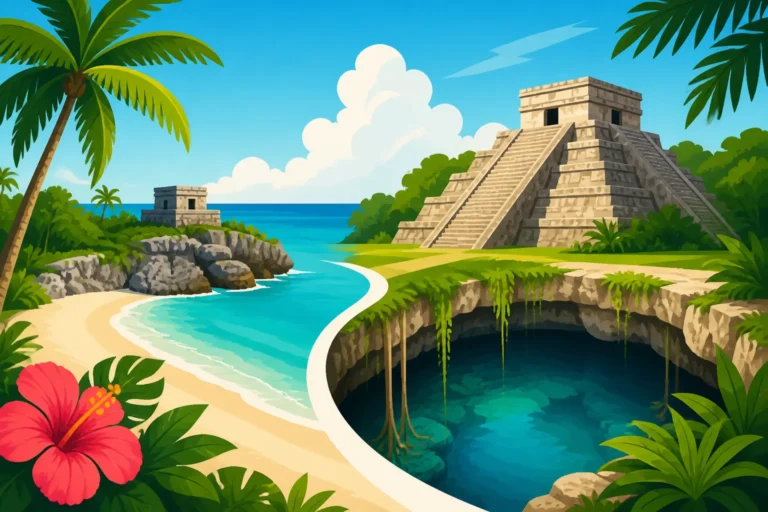
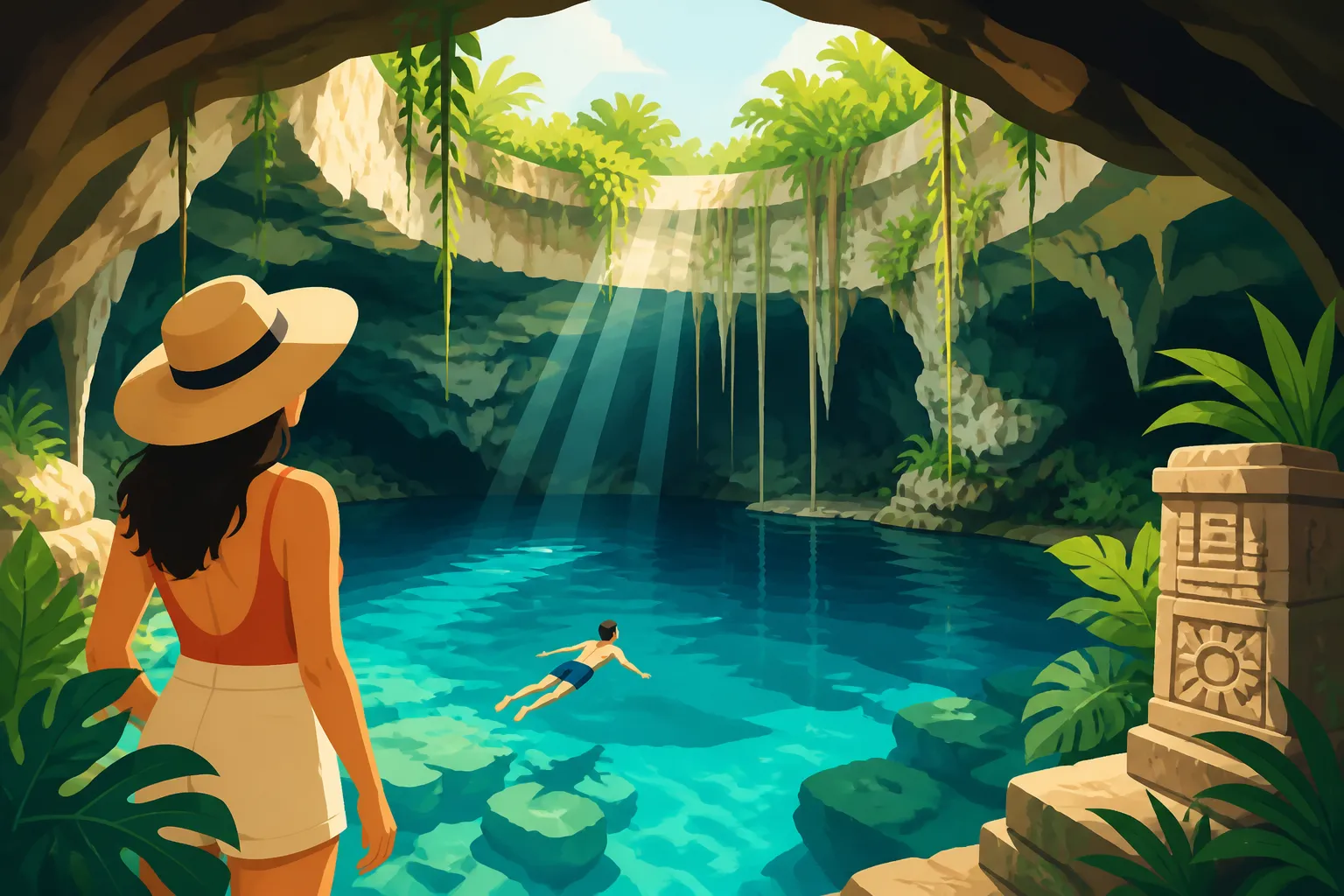
Imagine a colossal limestone shelf that has, over millions of years, been slowly eroded by rainwater. This erosion created vast subterranean cave systems. When the ceilings of these caves eventually collapse, they reveal sinkholes – and voilà, a cenote is born! This unique geology means you'll find cenotes in all shapes and sizes. Some are completely open to the sky, like natural swimming pools, while others are partially collapsed, forming semi-open caverns. Then there are the truly awe-inspiring, fully enclosed cave cenotes, which feel like stepping into another world entirely.
The water itself is typically cool, refreshing, and incredibly clear because it's naturally filtered through the limestone. It's often a mesmerizing turquoise or deep emerald green, reflecting the light that filters in from above. For many of us who've lived here for a while, a cenote isn't just a place to cool off; it's a profound connection to the ancient history and natural beauty of this land.
Cultural Significance and Delicate Ecosystems
For the ancient Maya civilization, cenotes were far more than just water sources. They were sacred portals to the underworld, Xibalbá, and were vital for survival, especially in an area lacking surface rivers. They performed rituals and ceremonies in and around cenotes, and you can still feel that mystical energy in many of the more untouched locations. It’s important to remember this cultural reverence when you visit; treat these sites with respect, not just as tourist attractions.
Beyond their cultural importance, cenotes are home to delicate ecosystems. You might spot small fish, turtles, and even unique cave-dwelling creatures in the deeper, darker sections. The water in cenotes is incredibly pure, which is why it's crucial to protect it. This means no chemical sunscreens or bug sprays that can contaminate the water. Always opt for biodegradable, reef-safe options, or better yet, wear a rash guard to protect your skin from the sun. Understanding these unique environments helps you appreciate your visit even more. For those curious about other facets of nature and health in this region, our guide on Staying Healthy in Mexico: Essential Tips for Food, Water, and Preventive Care offers great insights.
Planning Your Cenote Adventure: Choosing the Right Ones
With literally thousands of cenotes scattered across the Yucatán Peninsula, choosing which ones to visit can feel overwhelming. Seriously, I've lived here for years and still haven't seen them all! But the good news is, there's a cenote for every type of adventurer.
Types of Cenotes and What to Expect
Let's break down the main types you'll encounter and what kind of experience each offers:
- Open Cenotes: These are like natural, freshwater swimming pools, fully exposed to the sun. They're generally the easiest to access, often have grassy areas for lounging, and are fantastic for families. Think Cenote Azul near Playa del Carmen, where you can jump from small cliffs or simply float in the clear, shallow areas. The vibe is very relaxed and social.
- Semi-Open Cenotes: These have partially collapsed ceilings, creating a cavern-like feel with some light filtering in. Cenote Ik Kil near Chichen Itza is a prime example, famous for its hanging vines and dramatic circular opening. These often have stunning stalactite formations and offer a more atmospheric swim.
- Cave Cenotes: These are fully underground, requiring a walk down into a cave. The lighting is often artificial, but the formations are incredible, and the silence is profound. Cenote Dos Ojos near Tulum is a fantastic cave system for snorkeling or even diving, offering vast, interconnected chambers. These are generally cooler and can feel more adventurous.
When picking your cenote, consider what you want to do. If you're looking for a relaxing swim and sunbathing, an open cenote is perfect. If you're an avid snorkeler or diver, a cave cenote will be a dream. And if you're traveling with little ones, prioritize cenotes with easy entry and shallower areas.
Location, Accessibility, and Crowds
The location of the cenotes is a huge factor, especially for a day trip.
- Riviera Maya (Cancún, Playa del Carmen, Tulum): This area boasts some of the most famous and easily accessible cenotes. Because of their popularity, places like Gran Cenote, Cenote Azul, and Dos Ojos can get very crowded, especially in peak season and mid-day. If you're staying in these areas, consider heading out early in the morning, right when they open, to enjoy some peace.
- Near Valladolid/Chichen Itza: Cenote Ik Kil and Cenote Suytun are popular choices here, often combined with a visit to the Maya Ruins in Mexico: Chichén Itzá, Tulum, and Palenque. Again, they can draw crowds, especially tour buses after a Chichen Itza visit.
- Near Mérida: Further inland, cenotes around Mérida like Santa Bárbara (which has multiple cenotes and a cool horse-drawn cart experience) or the cenotes in Cuzamá offer a slightly less touristy and more local experience. They might require a bit more travel time, but the reward is often fewer people and a more authentic feel. For those budgeting for life in this area, our guide on Cost of Living in Mérida: 2026 Guide for Expats might be helpful.
You'll also need to consider accessibility. Some cenotes are very developed with clear paths, restrooms, and changing facilities, while others are quite rustic, requiring a bit of a scramble or a steep ladder. Always check recent reviews to know what to expect.
Budgeting for Your Cenote Day Trip
Let's be real, a cenote trip involves some costs beyond just the initial entrance fee. Here’s a breakdown of what to expect:
| Item | Typical Cost Range (MXN) | Notes |
|---|---|---|
| Entrance Fee (per cenote) | 100 – 500 | Varies widely by popularity and development; some multi-cenote parks are more. |
| Life Vest Rental | 50 – 100 | Often mandatory, especially for cave cenotes. Some cenotes include it in the entrance fee. |
| Snorkel Gear Rental | 50 – 150 | Mask and snorkel. If you plan to snorkel often, consider buying your own. |
| Locker Rental | 30 – 60 | Useful for securing valuables. |
| Parking (if driving) | 50 – 100 | Not all cenotes charge, but many popular ones do. |
| Transportation | Varies | Car rental, tour cost, colectivos, taxis. This is often the biggest variable. |
| Food & Drink | 100 – 300+ | Some cenotes have restaurants, others just snack stands. Bring water and snacks to save money. |
Keep in mind that while many cenotes accept cards, smaller, more remote ones might be cash-only. Always carry enough pesos! If you’re figuring out broader budgeting for your time in the region, check out our articles like Cost of Living in Cancún: 2026 Expat Budget Overview or Cost of Living in Playa del Carmen: Living Costs in 2026 for a detailed financial perspective.
Getting There: Transportation Options for Your Day Trip
Once you've picked your dream cenote, the next big hurdle is figuring out how to get there. This choice significantly impacts your budget, flexibility, and overall experience. Trust me, I've done it all, from white-knuckle driving to hopping on crowded colectivos.
Renting a Car: Freedom and Flexibility
For many expats and independent travelers, renting a car is the preferred way to explore the Yucatán. It gives you the ultimate freedom to visit multiple cenotes at your own pace, linger as long as you want, and discover hidden gems off the main tourist circuit.
Pros:
- Flexibility: Stop wherever you want, whenever you want.
- Access: Reach more remote cenotes that aren't on typical tour routes.
- Comfort: Keep your gear and personal items secure in the car.
Cons:
- Cost: Car rental, insurance (which can be surprisingly high and tricky to navigate here), and gas add up.
- Navigation: While major routes are good, smaller roads to cenotes can be unpaved or poorly marked. Google Maps is your friend, but don't rely solely on it in very rural areas.
- Driving in Mexico: It's different! Speed bumps (topes) are plentiful and often unmarked. Road signs can be confusing, and local drivers have their own style. If you're nervous about driving abroad, this might not be for you.
If you do rent a car, ensure you understand the full insurance coverage. Our guide Renting a Car in Mexico: Insurance and Driving Tips is a lifesaver for navigating this. You can often find rental options through sites like Booking.com, which can sometimes bundle car rentals with accommodation, but always read the fine print on insurance!
Guided Tours: Convenience and Expertise
If you prefer a hands-off approach and want someone else to handle the logistics, a guided tour is an excellent option. Many tours combine cenote visits with other attractions like Mayan ruins (Chichen Itza, Tulum ruins), ensuring you get a comprehensive experience without the stress of planning.
Pros:
- No Planning Stress: Transportation, entrance fees, and sometimes even lunch are usually included.
- Knowledgeable Guides: Learn about the history, geology, and culture of the cenotes from local experts.
- Safety: Especially for cave cenotes, having a guide who knows the specific layout and safety protocols is invaluable.
Cons:
- Less Flexible: You're on the tour's schedule and itinerary.
- Crowds: Tours often go to the most popular cenotes during peak hours.
- Cost: Generally more expensive than DIY options.
You can book tours from almost any hotel or travel agency in major tourist towns like Cancún or Playa del Carmen. Online platforms like Viator also offer a huge variety of cenote tours, often with reviews that can help you pick the best one for your style. Just be sure to check what's included to avoid any surprises.
Public Transport and Colectivos: Budget-Friendly But Tricky
For the truly adventurous and budget-conscious, public transport or shared colectivos (vans) are viable, though more challenging, options.
Colectivos: These white passenger vans run along fixed routes and are a very common way to get around the Riviera Maya. You can flag them down on the road or find their designated stops. They're cheap, but they only go to major towns or cenotes located directly off the main highway. For example, getting to Cenote Azul from Playa del Carmen is easy via colectivo. For cenotes further off the highway, you'd need to combine a colectivo with a taxi or a long walk.
Buses: Long-distance buses, especially ADO, are fantastic for getting between cities like Cancún, Playa del Carmen, Tulum, Valladolid, and Mérida. Once you're in a specific town, you can then use colectivos or taxis to reach nearby cenotes. For instance, you could take an ADO bus to Valladolid (easily booked via platforms like Busbud), and then a local taxi to Cenote Suytun.
Pros:
- Very Affordable: Hands down the cheapest way to travel.
- Authentic Experience: You'll be traveling like a local.
Cons:
- Time-Consuming: Can take much longer due to multiple stops and waiting times.
- Language Barrier: Drivers often speak little to no English, which can be tricky if your Spanish isn't up to par. Our guide on Overcoming Language Barriers at the Doctor: Tips for Expats offers general tips that can also apply to other situations.
- Limited Access: Doesn't reach all cenotes, especially the more remote ones.
- Comfort: Vans can be crowded and hot.
If you're opting for public transport, pack light, have small bills in pesos, and be prepared for an adventure! For general tips on getting around, our article Getting Around Mexico: Buses, Flights, and Car Hire has more details.
Essential Tips for a Smooth Cenote Experience
So you've chosen your cenotes and figured out how to get there. Now, let's make sure you're fully prepared for a fantastic day! A little planning goes a long way to ensure your cenote trip is memorable for all the right reasons.
What to Pack and Wear
You'd be surprised how often people forget the essentials! Here’s a checklist:
- Swimsuit (already on): It saves time and hassle.
- Towel: Microfiber towels are great as they dry quickly.
- Biodegradable Sunscreen: This is non-negotiable. Regular sunscreens contain chemicals that harm the delicate cenote ecosystem. You can often buy it at cenote entrances, but it's usually cheaper to get it beforehand.
- Water Shoes or Sandals with a Strap: Many cenotes have rocky, slippery, or uneven surfaces around the entrance and in the water. Flip-flops are a recipe for a twisted ankle.
- Cash (Pesos): For entrance fees, life vest rentals, lockers, snacks, and any incidental purchases. Many smaller cenotes are cash-only.
- Water Bottle: Stay hydrated, especially if you're exploring multiple cenotes in the heat.
- Snorkel Gear (optional): If you have your own and want to avoid rental fees or ensure a good fit.
- Goggles (optional): Great for kids or those who prefer not to snorkel but still want to see underwater.
- Dry Bag: A small waterproof bag is fantastic for keeping your phone, wallet, and camera dry while you swim.
- GoPro or Waterproof Camera: For those epic underwater shots!
- Change of Clothes: For after your swim.
- Small Backpack: To carry everything comfortably.
Safety and Environmental Awareness
Your safety and the preservation of these natural wonders are paramount.
- Life Vests: Many cenotes, especially cave and semi-open ones, require you to wear a life vest. This isn't just for your safety (even strong swimmers can get tired in unfamiliar waters) but also to protect the cenotes by keeping people from touching fragile formations or disturbing the bottom. Don't argue, just wear it.
- Respect the Environment:
- No Touching: Do not touch stalactites, stalagmites, or other rock formations. They took thousands of years to form and are extremely fragile.
- No Littering: Pack out everything you pack in.
- Listen to Guides/Signs: If a cenote has specific rules (e.g., no jumping from certain spots, stay on marked paths), follow them.
- Stay Hydrated: The Yucatán can be hot and humid. Drink plenty of water throughout the day.
- Buddy System: If you're going into deeper or darker cenotes, always go with a buddy.
- Watch Your Step: Surfaces around cenotes can be slippery due to water and moss.
- Sun Protection: Even if you're mostly underground, the walk to and from can expose you to strong sun. A hat and long-sleeved rash guard are great additions to your biodegradable sunscreen.
Maximizing Your Visit
A little strategy can make your cenote day trip even better.
- Go Early: This is my number one tip! The most popular cenotes get packed quickly. Arriving right at opening time (usually 8 or 9 AM) allows you to enjoy them with fewer people and better photo opportunities.
- Combine with Other Attractions: Many cenotes are conveniently located near Mayan ruins like Chichen Itza, Ek Balam, or Tulum. Pairing them makes for a full and varied day. Our article on The Yucatán Peninsula: Beaches, Ruins, and Cenotes can help you plan such a combo trip.
- Bring Snacks and Water: While some cenotes have food vendors, options might be limited or more expensive. Bringing your own keeps you fueled and hydrated without breaking the bank.
- Learn Basic Spanish Phrases: While many tourist areas have English speakers, venturing to smaller cenotes might mean encountering locals who only speak Spanish. Even a few basic phrases can make a big difference.
- Take Your Time: Don't rush from one cenote to the next. Allow yourself time to swim, relax, and soak in the unique atmosphere of each one. Some cenotes have multiple pools or areas to explore.
- Keep an Open Mind: Things might not always go exactly as planned – that’s Mexico! Embrace the unexpected, go with the flow, and you’ll have an incredible experience.
The cenotes of the Yucatán are truly a highlight of living in or visiting Mexico. With this guide, you’re well-equipped to plan a day trip that’s safe, enjoyable, and creates memories you’ll cherish. Dive in!
Disclaimer
Please note that while I strive to provide accurate and up-to-date information, circumstances in Mexico can change rapidly. Entrance fees, operating hours, and local regulations for cenotes may vary. It is always recommended to check the latest information from official sources or recent visitor reviews before planning your trip. This guide is for informational purposes only and does not constitute professional advice.