Overcoming Language Barriers at the Doctor: Tips for Expats
Navigating the healthcare system in a foreign country can be intimidating, but doing so without speaking the native language adds a profound layer of complexity. This comprehensive guide provides expatriates in Mexico with practical, actionable strategies for overcoming language barriers during medical appointments and emergencies.
Disclosure: This post may contain affiliate links. We may earn a commission at no extra cost to you if you make a purchase through these links. Read full disclosure.
The Reality of Medical Communication in Mexico
When expatriates relocate to Mexico, they often carry assumptions about how medical interactions will unfold based on their home country’s standards. While the clinical quality of care in Mexico is exceptionally high, the linguistic landscape varies dramatically depending on where you seek treatment, the specific type of facility, and the generation of the medical professional treating you.
English Proficiency Among Healthcare Providers
The level of English proficiency among Mexican healthcare providers is generally quite impressive, particularly within specialized fields of medicine. In major expatriate hubs like Mexico City, Guadalajara, Monterrey, and coastal resort towns, a significant percentage of specialist physicians—such as cardiologists, oncologists, and orthopedic surgeons—have completed post-graduate fellowships or medical residencies in the United States, Canada, or the United Kingdom. Because global medical literature and prestigious journals are primarily published in English, these top-tier specialists are usually highly fluent and comfortable conducting entire consultations in English.
However, a stark contrast exists when dealing with general practitioners, nursing staff, administrative personnel, and emergency first responders. The receptionist who books your appointment, the phlebotomist who draws your blood, and the triage nurse in the emergency room will almost certainly speak only Spanish. This discrepancy means that while your actual diagnosis and treatment plan might be discussed in perfect English, the logistical framework surrounding your care—booking the visit, navigating the waiting room, and paying the bill—will require a functional understanding of Spanish.
Expats must prepare for this mixed linguistic environment. Expecting a completely English-speaking experience from the moment you walk through the clinic doors is unrealistic and sets the stage for severe frustration. A highly effective strategy is to establish care with a bilingual general practitioner early on, allowing them to act as your primary medical hub and refer you exclusively to other English-speaking specialists within their trusted professional network.
Public Clinics Versus Private Hospitals
The divide between Mexico’s public and private healthcare sectors profoundly impacts the language barriers you will encounter. The public healthcare system, primarily administered by the Instituto Mexicano del Seguro Social, is designed to serve the massive domestic working population. Within the IMSS infrastructure, all medical documentation, signage, administrative protocols, and patient consultations are conducted strictly in Spanish. Public sector doctors are under immense pressure due to extreme patient volume, meaning they simply do not have the time to slowly parse through translation apps or overcome communication hurdles. Attempting to navigate the public system without a high level of Spanish fluency or a dedicated bilingual advocate is incredibly difficult. For a deeper understanding of this state-run infrastructure, reading about Public Healthcare in Mexico: IMSS and IMSS Bienestar Explained for Expats is highly recommended.
Conversely, the private healthcare sector actively caters to the lucrative medical tourism market and the affluent expatriate community. Premium private hospitals, such as those within the Hospitales Angeles or Star Médica networks, intentionally hire bilingual staff for their international patient departments. These hospitals frequently feature dedicated international patient concierges who act as personal liaisons, guiding non-Spanish speakers through the admissions process, translating complex billing codes, and ensuring that dietary requirements are accurately communicated to the hospital kitchen staff.
While the private sector offers a much softer landing for those struggling with the language barrier, it requires substantial financial planning. This is where holding premium international health insurance becomes a massive asset. Policies from global providers like Cigna Global offer 24/7 multilingual customer support lines. If you are sitting in a Mexican hospital and cannot understand the Spanish intake forms, you can call your Cigna Global representative, who can often liaise directly with the hospital administration in Spanish on your behalf, completely neutralizing the communication breakdown. To evaluate the exact differences in these medical environments, expats should review Healthcare in Mexico: Complete Guide for Expats Public vs Private.
The Risks of Miscommunication During Diagnosis
The stakes of miscommunication in a medical setting are incredibly high. A poorly translated symptom can lead to an inaccurate diagnosis, incorrect medication dosing, or the failure to identify a life-threatening allergy. In standard conversational Spanish, making a vocabulary mistake is usually harmless and often humorous. In a clinical setting, false cognates—words that sound similar in both languages but have vastly different meanings—can trigger disastrous clinical responses.
A classic example of a dangerous false cognate is the Spanish word “intoxicado.” An English speaker suffering from food poisoning might tell a doctor they are “intoxicated,” assuming it translates directly. However, in Mexican medical terminology, “intoxicado” strongly implies poisoning, an overdose, or a severe allergic reaction, rather than simple inebriation or a mild stomach bug. Similarly, a female patient claiming she is “embarazada” because she feels embarrassed will accidentally inform the doctor that she is pregnant, potentially altering the types of diagnostic imaging or medications the doctor is willing to prescribe.
Relying on rudimentary Spanish to explain complex neurological pain patterns or subtle shifts in mental health symptoms is incredibly risky. Patients may downplay the severity of their condition simply because they lack the vocabulary to describe it accurately. When managing these nuanced health issues, securing an English-speaking provider is non-negotiable. If you are struggling to find the right professional for complex emotional or neurological care, utilizing resources like Telemedicine in Mexico: Accessing Online Doctor Consultations as an Expat can connect you with remote specialists who speak your native language flawlessly.
Preparation Strategies Before Your Appointment
The most effective way to manage a language barrier is to dismantle it before you even arrive at the clinic. Proactive preparation significantly reduces anxiety, ensures clinical accuracy, and demonstrates respect for the medical professionals treating you.
Translating Medical Records and Prescriptions
Walking into a new doctor’s office in Mexico and handing them a stack of English medical records from your home country is highly inefficient. While a bilingual specialist might be able to read them, it forces the doctor to spend your valuable consultation time translating documents rather than examining you. Furthermore, if those records need to be integrated into the hospital’s central electronic database, the nursing and administrative staff will be entirely unable to process them.
Before your first major appointment, expats should invest the time and resources to have their core medical history professionally translated into Spanish. This dossier should include a summary of past surgeries, a list of chronic diagnoses, a detailed breakdown of your current medications (including the exact milligram dosages), and any known severe allergies. Having this translated document ready to hand to the triage nurse guarantees that your baseline health data is immediately understood and correctly logged into your new Mexican medical file.
While informal translation apps might suffice for a minor cold, complex surgical histories require certified medical translators. These professionals understand the highly specific clinical terminology required to convey your medical past accurately. For an exhaustive guide on navigating this specific logistical requirement, expatriates should carefully review Do You Need to Translate Medical Records into Spanish for Mexican Doctors?.
Building a Bilingual Medical Cheat Sheet
For routine appointments or sudden, unexpected visits to a general practitioner, carrying a standardized, bilingual “cheat sheet” is an incredibly powerful tool. This is a physical, laminated document kept in your wallet or purse that provides critical health data at a single glance. It completely eliminates the panic of trying to remember the Spanish word for “penicillin” while you are feverish or in pain.
Your bilingual medical cheat sheet should be structured clearly, with the English phrase on the left and the Spanish translation on the right. It must prominently feature emergency contact information, your blood type (Tipo de sangre), and any critical chronic conditions like diabetes (Diabetes) or hypertension (Hipertensión). It should also include a list of your daily medications and their generic chemical names, as commercial brand names differ wildly between countries.
When constructing this document, include a section dedicated to describing common symptoms. Having phrases like “Dolor agudo” (sharp pain), “Mareos” (dizziness), or “Dificultad para respirar” (difficulty breathing) readily available allows you to point directly to the symptom on the paper, bridging the communication gap instantly. This physical tool is particularly vital if you are preparing for a long-term hospital admission where you will interact with dozens of different Spanish-speaking nurses over several days. To understand the broader context of these extended clinical environments, review Major Surgery: Should You Return Home or Trust Mexican Hospitals?.
Leveraging Digital Translation Applications Effectively
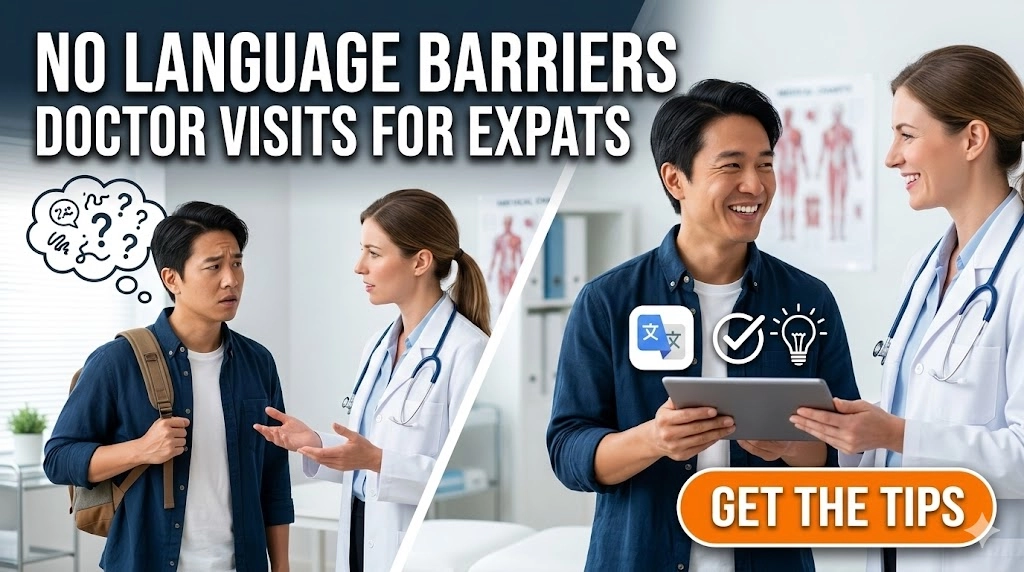
In the modern era, smartphones serve as the ultimate bridge across linguistic divides, provided they are utilized correctly. Digital translation applications like Google Translate and DeepL have become indispensable tools for expatriates navigating the Mexican healthcare system. However, relying on them requires a strategic approach to ensure clinical accuracy.
When using translation apps in a clinical setting, always write in short, highly direct, and grammatically simple sentences. Avoid using idioms, slang, or complex metaphors to describe your pain. Instead of typing, “My stomach has been acting up and I feel like I’m coming down with a bug,” type precisely: “I have stomach pain. I have been vomiting for two days.” This drastically reduces the algorithmic chance of a bizarre or inaccurate Spanish translation. Google Translate also features an incredibly useful “Conversation Mode” that listens to both English and Spanish in real-time, displaying the translated text on the screen for both the doctor and the patient to read simultaneously.
While these digital tools are brilliant for overcoming minor hurdles at the reception desk or confirming a follow-up appointment time, they should never be solely relied upon for giving informed consent for a surgical procedure or understanding the severe side effects of a new chemotherapy drug. They are supplementary tools that enhance communication, not replacements for professional bilingual medical care.
Utilizing Professional and Community Support
When digital tools and cheat sheets are insufficient for complex medical scenarios, expatriates must leverage human capital. Tapping into professional translation services and the collective wisdom of the local expat community is the safest way to ensure high-quality healthcare.
Hiring a Medical Translator or Patient Advocate
For severe medical crises, complex diagnostic reveals, or surgical consultations, hiring a professional medical translator or a patient advocate is one of the smartest investments an expatriate can make. A patient advocate is a fully bilingual local professional who accompanies you to your medical appointments. They do much more than simply translate words; they navigate the cultural nuances of Mexican healthcare, ensure you are not being overcharged, and aggressively advocate for your clinical rights.
A skilled advocate will sit in the consultation room, translate the doctor’s highly technical jargon into plain English, and ensure that all your specific questions are answered before the appointment concludes. They also handle the incredibly stressful aftermath of a consultation, such as translating the doctor’s handwritten prescriptions and communicating with the hospital’s billing department to process your insurance paperwork correctly.
While hiring a private advocate introduces an additional out-of-pocket expense, the peace of mind it provides is immeasurable. Because advocates operate as independent contractors, their fees vary. Expats managing the ongoing costs of these private support services frequently utilize highly secure financial platforms like Wise. By transferring their home currency into Mexican Pesos at the mid-market rate through Wise, expats can easily and affordably pay their local patient advocates directly to their Mexican bank accounts, completely bypassing predatory foreign transaction fees.
Finding Bilingual Specialists Through Expat Networks
The absolute best resource for overcoming the language barrier is the established expatriate community within your specific Mexican city. Thousands of foreigners have already navigated the exact same medical hurdles you are currently facing, and their collective knowledge is invaluable.
To find highly vetted, deeply trusted bilingual specialists, expats should actively engage with local community forums, international social clubs, and neighborhood Facebook groups. When an expat requests a recommendation for an English-speaking gastroenterologist in Lake Chapala or a bilingual pediatrician in Mérida, the community will rapidly provide names, clinic addresses, and direct WhatsApp contact numbers for doctors who have proven themselves to be culturally empathetic and linguistically capable.
Additionally, many foreign consulates and embassies operating in Mexico maintain robust, regularly updated lists of local physicians, dentists, and hospitals that offer services in English. While these consular lists are provided as a convenience rather than an official medical endorsement, they serve as an excellent, highly reliable starting point for building your personal healthcare network. For a structured guide on how to safely vet these community recommendations, expats should continuously refer to Finding English-Speaking Doctors and Specialists in Mexico.
Managing Financials and Insurance in Spanish
The language barrier extends far beyond the clinical examination room; it heavily impacts the financial logistics of your healthcare. Mexican private hospitals are rigorous commercial enterprises, and their billing departments (Cajas) operate entirely in Spanish. Understanding hospital estimates, finalizing upfront deposits, and requesting official Mexican tax invoices (known as facturas) can be a bewildering experience for a non-native speaker.
When you present an international insurance card, the hospital billing staff must verify the coverage limits, which often involves complex insurance terminology. If your Spanish is limited, a massive miscommunication regarding deductibles or copays can easily occur, leaving you financially responsible for a bill you assumed was covered. This logistical nightmare highlights the immense value of carrying a premium global policy from Cigna Global. Because Cigna Global maintains dedicated, multilingual administrative teams, they can interface directly with the Mexican hospital’s billing department on your behalf, bridging the linguistic gap and ensuring the financial authorizations are processed smoothly and accurately.
To fully prepare for these financial interactions and understand the specific Spanish vocabulary associated with hospital administration, expatriates must educate themselves on the local billing culture. A comprehensive breakdown of these protocols can be found in Healthcare Costs in Mexico: Doctor Visits, Hospital Stays, and Surgery Expenses.
Navigating Pharmacies and Aftercare Communication
The final step in any medical journey is securing the necessary medications and managing your recovery at home. The Mexican pharmacy system operates uniquely, and navigating it requires a specific set of linguistic tools.
Decoding Mexican Pharmacy Terminology
Walking into a Mexican farmacia is an entirely different experience than visiting a pharmacy in the US or Europe. The structural layout, the legal categorization of drugs, and the vocabulary used by the pharmacists require a brief learning curve.
A critical distinction to understand immediately is the difference between medicamentos de patente (expensive, brand-name originator drugs) and medicamentos genéricos (highly affordable generic drugs). Because commercial brand names differ across borders, you must communicate the active chemical ingredient to the pharmacist, not the brand name you used back home.
To assist expats in this transition, the following table outlines essential Spanish vocabulary needed to successfully navigate a Mexican pharmacy and communicate basic pharmaceutical needs.
| English Pharmacy Term | Spanish Translation | Context / Usage |
| Active Ingredient | Sustancia Activa | Crucial for finding the correct generic equivalent. |
| Prescription | Receta Médica | Required strictly for antibiotics and controlled substances. |
| Painkiller | Analgésico | Used when asking for over-the-counter relief like paracetamol. |
| Side Effects | Efectos Secundarios | Important to ask the pharmacist when starting a new medication. |
| Ointment / Cream | Pomada / Crema | Specific forms of topical medication applications. |
| Drops | Gotas | Used for eye, ear, or liquid pediatric medications. |
Mastering these basic terms drastically reduces anxiety at the counter. For a much more exhaustive list of necessary vocabulary and situational phrases, expatriates should study Pharmacy Spanish: Phrases to Help You Buy Medicine in Mexico.
Understanding Dosage and Treatment Plans
When a Mexican doctor hands you a receta médica (prescription), the instructions are naturally written in Spanish. Misinterpreting these instructions can lead to dangerous over-medication or ineffective under-dosing. Common medical abbreviations used in Mexico might look slightly different from those used internationally.
For example, instructions might say “Tomar una pastilla cada 8 horas por 5 días” (Take one pill every 8 hours for 5 days). It is vital to confirm whether the medication should be taken en ayunas (on an empty stomach) or con alimentos (with food). If you are handed a prescription and cannot decipher the handwritten Spanish notes, do not leave the clinic until you have the doctor or the bilingual receptionist clearly explain the dosing schedule to you in English.
Furthermore, if your aftercare requires specialized physical therapy or regular wound dressing changes at home, you must ensure that the specific instructions are clearly communicated to your domestic caregivers or family members. Utilizing a patient advocate or a digital translation app during the final discharge consultation guarantees that the post-operative recovery plan is executed safely and correctly.
Integrating Holistic Alternatives and Home Delivery
Many expatriates rely heavily on holistic wellness products, specialized vitamins, and highly specific nutritional supplements to manage chronic conditions or support their immune system during a medical recovery. Explaining the need for highly specific, certified organic, or allergen-free supplements to a local Spanish-speaking pharmacist can be incredibly frustrating, as Mexican pharmacies generally focus strictly on conventional allopathic medications rather than niche holistic support.
When the language barrier makes sourcing these specialized wellness items locally too difficult, proactive expats bypass the physical pharmacy entirely by utilizing global e-commerce platforms like iHerb. By browsing the iHerb interface entirely in English, expats can meticulously read the exact ingredient labels, verify third-party quality testing, and order their preferred international brands of probiotics, pure herbal extracts, and premium vitamins. The platform seamlessly manages the complex Mexican customs logistics, delivering the essential holistic supplies directly to the expat’s front door.
This strategy perfectly bridges the gap between utilizing the excellent, affordable conventional medicine available in Mexico and maintaining the highly specific, English-language nutritional regimens that expats rely upon for their foundational health. For a deeper understanding of how these conventional and holistic approaches intersect at the local level, expats should review Pharmacies in Mexico: How to Get Medications (OTC vs Prescription).
References
Primary sources (official)
- Mexican Ministry of Health (Secretaría de Salud) – Patient Rights: https://www.gob.mx/salud
- Centers for Disease Control and Prevention (CDC) – Health Information for Travelers to Mexico: https://wwwnc.cdc.gov/travel/destinations/traveler/none/mexico
Other helpful sources
- World Health Organization (WHO) – Cultural Competence and Language in Healthcare: https://www.who.int/
Disclaimer
The information provided in this article is for educational and informational purposes only and does not constitute formal medical or legal advice. Healthcare regulations, the availability of bilingual services, and hospital protocols in Mexico are subject to change without notice. Always consult directly with a qualified, licensed medical professional regarding your healthcare needs, and utilize certified medical translators for all critical diagnostic, surgical, or legal medical communications while residing abroad.