How to Find an English-Speaking Doctor in Mexico
Staring at a thermometer in a dimly lit apartment in Oaxaca while your Spanish vocabulary evaporates is a terrifying rite of passage for many foreigners. I’ve been there, shivering under three blankets and wondering if my basic "hola" and "gracias" would be enough to explain a mounting fever to a local physician. This guide solves the stress of navigating the Mexican medical system by showing you exactly how to find a qualified, English-speaking doctor who understands your needs.
Disclosure: This post may contain affiliate links. We may earn a commission at no extra cost to you if you make a purchase through these links. Read full disclosure.
Understanding the Landscape of Medical English in Mexico
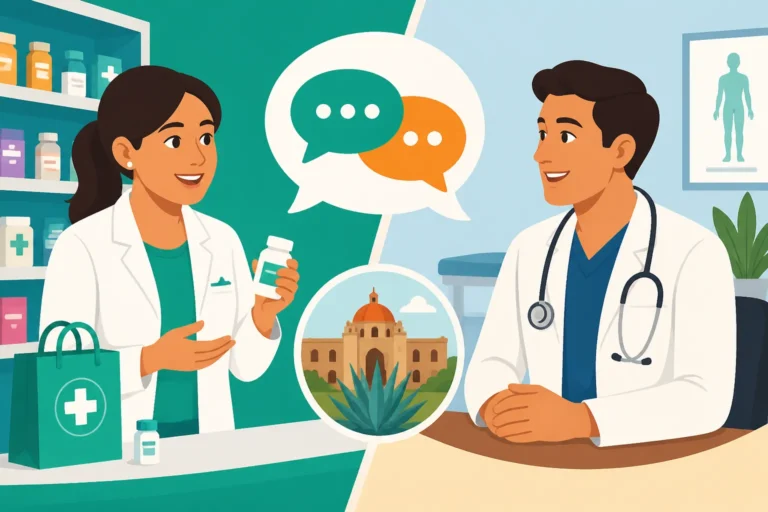
It is a common misconception that you need to be fluent in Spanish to receive world-class medical care in Mexico. In reality, the medical profession in Mexico is one of the most rigorously trained and internationally connected sectors in the country. Many Mexican physicians complete their residencies or specialized fellowships in the United States, Canada, or Europe. This international exposure means that while the front desk staff might only speak Spanish, the person actually performing your physical or diagnosing your ailment often possesses a high level of technical and conversational English.
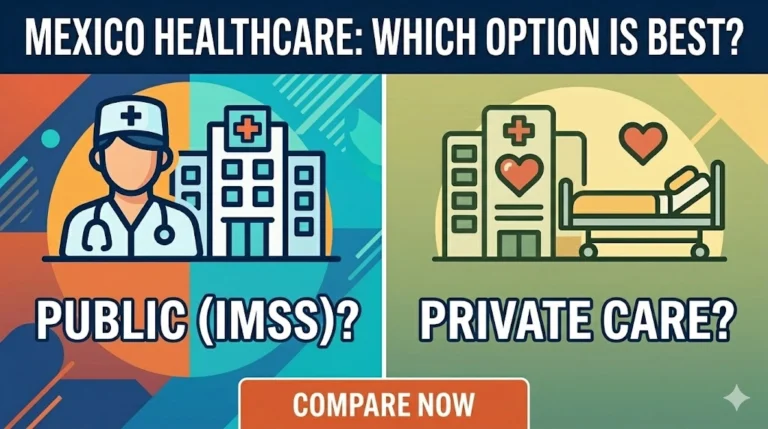
The challenge lies in the fact that Mexico’s healthcare system is divided into layers, and finding an English-speaking provider depends heavily on where you look. In the public sector, such as the IMSS or ISSSTE systems, the chances of finding an English-speaking provider are significantly lower due to the high volume of patients and the domestic focus of the service. For a detailed breakdown of these systems, you might want to look into Healthcare in Mexico: Complete Guide for Expats (Public vs Private). For most expats, the private sector is the primary gateway to English-language care, as these facilities cater specifically to a demographic that expects bilingual service.
When you start your search, remember that "medical Spanish" is far more complex than the Spanish used for ordering tacos or renting an apartment. Even if you are conversational, the nuance of a dull ache versus a sharp pain can be lost in translation. This is why prioritizing an English-speaking doctor isn’t just about comfort; it is about diagnostic accuracy. Doctors who market themselves to the expat community are aware of this and often go out of their way to provide a bridge between the two languages.
The Power of Private Hospital Networks
If you are in a major metropolitan area or a popular expat hub, the easiest way to find an English-speaking doctor is to head straight to a top-tier private hospital. Large networks like Hospital Ángeles, Star Médica, and ABC Medical Center have internal directories of specialists who have verified English proficiency. These hospitals often serve as the "gold standard" for Navigating Hospitals and Clinics in Mexico: An Expat’s Guide to Medical Care, offering everything from general practitioners to highly specialized surgeons in one location.
When you walk into a private hospital in a city like Mexico City, Guadalajara, or Monterrey, you can usually request a "médico bilingüe" at the information desk. Most of these hospitals maintain a "relaciones públicas" or "international patient" department specifically designed to help foreigners navigate the billing and communication process. This is particularly helpful because even if the doctor speaks perfect English, the paperwork, consent forms, and discharge instructions may still be in Spanish. Having an English-speaking coordinator can alleviate the burden of translating legal medical documents during a crisis.
Furthermore, these private facilities are often the preferred choice for those using International Health Insurance for Expats in Mexico. Providers like Cigna Global often have direct-billing agreements with these major hospital chains. This means that not only are you more likely to find a doctor who speaks your language, but your insurance company can also communicate directly with the hospital’s administrative team in English to verify coverage. This synergy between international insurance and private Mexican hospitals creates a much smoother experience than trying to navigate a small, local clinic on your own.
Utilizing Online Doctor Directories
In the modern age, the most effective tool for finding an English-speaking specialist is Doctoralia. This platform is essentially the Yelp of the medical world in Mexico. It allows you to filter doctors by specialty, location, and, most importantly, languages spoken. When you use Doctoralia, you can read reviews from other patients, which are often left by fellow expats. Look for comments that specifically mention the doctor’s level of English. If several reviewers state that the doctor is "fully bilingual" or "studied in the US," you can book with confidence.
One of the great features of Doctoralia is the ability to book appointments online without having to navigate a phone call in Spanish. You can send a message to the doctor's office beforehand to confirm their English proficiency. I always recommend asking a specific question like, "Does the doctor conduct the entire consultation in English?" to ensure there are no surprises. This is a crucial step when Finding Specialists in Mexico: Referrals and Booking, as some doctors might have "English" listed on their profile but only possess a basic understanding of medical terms rather than conversational fluency.
Beyond Doctoralia, many expats are now turning to virtual options. If you have a non-emergency issue, Telemedicine in Mexico: Accessing Online Doctor Consultations as an Expat can be a lifesaver. This allows you to speak with a physician from your laptop or phone, often through platforms provided by your insurance. For example, SafetyWing provides travel and health medical insurance that often includes access to remote consultations, ensuring you can explain your symptoms in your native tongue before deciding if an in-person visit to a local clinic is necessary.
Comparison of Healthcare Access Points for English Speakers
| Type of Facility | English Proficiency Level | Best For | Payment Expectation |
|---|---|---|---|
| Private Hospitals | Very High | Emergencies, surgeries, complex diagnostics | Credit card or insurance direct billing |
| Specialist Offices | High (if vetted) | Chronic issues, specific organ concerns | Cash or credit card (ask for a factura) |
| Pharmacy Clinics | Low to Moderate | Minor ailments like colds, rashes, or basic infections | Cash (very inexpensive) |
| Telemedicine | Guaranteed (via international plans) | Initial consultations, prescription refills, mental health | Subscription or per-visit fee |
Tapping into the Expat Community Knowledge Base
Never underestimate the power of a local Facebook group or a community forum. In places like San Miguel de Allende, Ajijic, or the Riviera Maya, the expat community has already done the legwork for you. These groups are filled with "I’ve been there" advice. If you post a request for an "English-speaking cardiologist in Merida," you will likely receive ten recommendations within an hour, complete with personal anecdotes about the doctor’s bedside manner and language skills.
When taking recommendations from community groups, specifically look for mentions of doctors who handle Healthcare in Mérida: Quality of Medical Care in Yucatán or other specific regions. Some doctors become "community favorites" because they spent years practicing in the UK or the US and understand the cultural expectations of Western patients. They might offer longer appointment times and more thorough explanations than a doctor who is accustomed to the faster pace of the local public system.
Additionally, checking with your national embassy or consulate can provide a vetted list of medical providers. Most embassies maintain a list of English-speaking doctors and lawyers for their citizens. While these lists are not "endorsements," they are a reliable starting point because the doctors on these lists have proactively reached out to the embassy to offer their services to foreigners. This is especially useful if you are in a less-touristed part of Mexico where Healthcare in Mexico City: Top Hospitals and Clinics for Expats style facilities are not available.
Preparing for Your First Appointment
Once you have found your doctor, the work isn't quite finished. To ensure the best outcome, you should arrive prepared. Even with an English-speaking doctor, having your medical history organized is vital. If you are moving with a family, Bringing Children’s Medical Records: Managing Kids’ Health History Abroad is a task you should complete before you even leave your home country. Having digital and physical copies of past surgeries, allergies, and current medications prevents anything from being lost in translation, even if the doctor is fluent.
During the consultation, do not be afraid to ask the doctor to slow down or repeat a technical term. Mexican culture is generally very polite and indirect, which can sometimes lead a doctor to nod along even if they aren't 100% sure they understood your specific colloquialism. Use clear, simple English and avoid slang. If the doctor prescribes medication, ask them to write down both the brand name and the active ingredient. This makes it much easier when visiting Pharmacies in Mexico: How to Get Medications (OTC vs Prescription), as many brands in Mexico differ from those in the US or Canada.
Finally, keep your insurance information handy. If you are covered by an expat-specific plan like those offered by Cigna Global, show the doctor’s administrative assistant your membership card immediately. Many top-tier doctors who cater to expats are familiar with these international providers and can help coordinate the necessary paperwork for reimbursement. If the office requires payment upfront—which is common in Mexico—ensure you receive a "factura" (an official tax receipt). Without a factura, your insurance company likely won't reimburse you for the visit.
Practical Steps When You Can't Find a Specialist
In some rural areas, you might struggle to find a specialized English-speaking physician. In these cases, your best strategy is to find a bilingual General Practitioner (GP) first. A good GP can act as your advocate and translator, helping you navigate the local medical landscape. They can accompany you to see a specialist or at least write a detailed referral letter in Spanish that explains your history and symptoms perfectly, ensuring the specialist knows exactly why you are there.
If the situation is an emergency and you cannot find an English speaker, use technology as a temporary crutch. Translation apps have improved significantly, and while they aren't a substitute for a bilingual doctor, they can help you communicate "allergic to penicillin" or "chest pain" in a pinch. However, for peace of mind, many long-term residents choose to maintain coverage with SafetyWing or similar providers that offer 24/7 emergency assistance lines where an English-speaking operator can help bridge the gap between you and the local medical staff.
Important Disclaimer
The information provided in this guide is for educational and informational purposes only and does not constitute professional medical or legal advice. Healthcare regulations and the availability of English-speaking providers in Mexico can change frequently. Always consult with a qualified healthcare professional or your insurance provider regarding specific medical concerns or coverage details. We do not endorse any specific doctor, hospital, or insurance company mentioned in this article.