Healthcare in Mexico City: Top Hospitals and Clinics for Expats
Navigating healthcare in Mexico City is a primary focus for new expats. This comprehensive guide details the best hospitals, specialized clinics, and practical tips for securing high-quality medical treatment, ensuring your health and peace of mind while living abroad.
Disclosure: This post may contain affiliate links. We may earn a commission at no extra cost to you if you make a purchase through these links. Read full disclosure.
Overview of the Healthcare System in Mexico City
Public Healthcare Facilities vs Private Hospitals
Mexico City offers a diverse and tiered healthcare system, encompassing both public and private sectors. The public system is primarily managed by the Instituto Mexicano del Seguro Social and the Instituto de Salud para el Bienestar. While these public facilities provide affordable or entirely subsidized care for residents and citizens, they are frequently characterized by long wait times, administrative hurdles, and a lack of English-speaking staff. Expats who hold legal residency can enroll in the public system, but many find the bureaucratic processes daunting when immediate care is required.
Conversely, the private healthcare sector in Mexico City is robust, modern, and highly efficient. Private hospitals here are equipped with state-of-the-art medical technology and are staffed by highly trained professionals, many of whom have completed parts of their medical education or residencies in the United States or Europe. For expats, the private route is generally the preferred choice, offering rapid access to specialists, comfortable private rooms, and a customer service-oriented approach that closely mirrors the standards found in North America and Western Europe.
When comparing the two, expats must weigh the financial implications against convenience and comfort. While public care requires minimal out-of-pocket expenditure, the private sector demands either self-funding or comprehensive health insurance. Understanding these foundational differences is essential for anyone Navigating Hospitals and Clinics in Mexico: An Expat’s Guide to Medical Care and establishing a reliable healthcare plan upon arrival in the capital.
Quality of Care and Medical Standards
The quality of care within Mexico City’s top private hospitals is exceptional, often rivaling or exceeding what expats might experience in their home countries. Many of the premier medical institutions hold accreditations from international bodies such as the Joint Commission International, which guarantees strict adherence to global standards of patient safety, hygiene, and hospital management. This level of certification provides tremendous peace of mind for foreigners seeking complex procedures or routine preventive care.
Medical standards are upheld through rigorous training and continuing education for healthcare providers. You will find that many specialists in the capital are board-certified not only in Mexico but also internationally. They routinely attend global medical conferences and stay abreast of the latest surgical techniques and pharmaceutical advancements. This dedication to excellence ensures that patients receive evidence-based, cutting-edge treatments for a wide array of conditions, from cardiovascular disease to advanced oncology.
Furthermore, the doctor-patient relationship in Mexico tends to be highly personalized. Physicians frequently provide their direct mobile numbers to patients, allowing for easy communication via messaging apps for follow-up questions or concerns. This level of accessibility is a significant comfort for expats who are accustomed to more rigid, compartmentalized healthcare systems. Maintaining a high standard of personal health is easier when you feel directly connected to your care provider.
Why Many Expats Choose Private Medical Care
Expats gravitate toward private medical care in Mexico City for several compelling reasons, chief among them being accessibility and linguistic comfort. Medical emergencies or even routine diagnostic tests can be scheduled and executed within days, if not hours, in the private sector. This stands in stark contrast to the public system, where securing an appointment for an MRI or a specialist consultation can take weeks or months. For professionals and retirees alike, time is a valuable commodity that justifies the investment in private care.
Language plays a crucial role in medical decisions. Clear communication is paramount when discussing symptoms, diagnoses, and treatment plans. The top private hospitals in Mexico City prioritize hiring bilingual staff, and it is relatively simple Finding English-Speaking Doctors and Specialists in Mexico. This eliminates the stress of relying on translation apps or interpreters during vulnerable moments, ensuring that expats fully comprehend their medical situation and can give informed consent for any proposed procedures.
Finally, the overall patient experience in private hospitals is designed for comfort and efficiency. Facilities often resemble upscale hotels rather than sterile institutions, complete with private suites, high-quality catering, and dedicated international patient departments. These departments specifically assist foreign nationals with administrative tasks, such as coordinating with providers like Cigna Global for direct billing. This streamlined, supportive environment is exactly what expats seek when navigating healthcare in a foreign country.
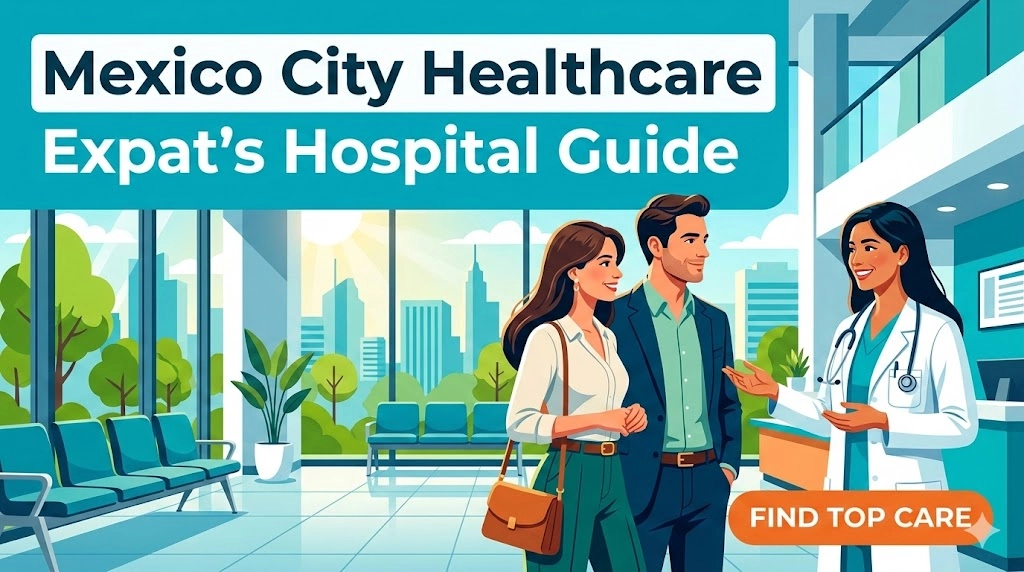
Top Private Hospitals for Expats in Mexico City
Hospital ABC Centro Medico ABC
Often referred to as the American British Cowdray Medical Center, Hospital ABC is arguably the most prestigious medical institution in Mexico City. With two main campuses located in Observatorio and Santa Fe, it is the go-to facility for many expats, diplomats, and affluent locals. The hospital boasts a long history of excellence and maintains rigorous international standards, including full Joint Commission International accreditation. Its facilities are immaculate, featuring the latest in medical imaging, surgical robotics, and intensive care units.
The medical staff at Hospital ABC is internationally recognized, with many physicians holding dual certifications in Mexico and the United States. The hospital offers a comprehensive range of specialties, from complex neurosurgery and cardiology to advanced maternity care. For expats, the international patient services department is a major draw. They assist with everything from scheduling appointments to handling the complexities of international insurance claims, making the administrative side of healthcare incredibly seamless.
Financially, Hospital ABC is positioned at the top of the market. It is one of the more expensive options in the city, but patients are paying for unparalleled expertise and infrastructure. Expats utilizing this facility typically rely on premium international health insurance to cover major procedures. For those paying out of pocket, the hospital provides transparent billing, but the costs will be significantly higher than at mid-tier private clinics.
Hospital Medica Sur
Located in the southern part of Mexico City, Hospital Medica Sur is another top-tier institution that frequently ranks among the best hospitals in Mexico and Latin America. It is closely affiliated with the Mayo Clinic Care Network, which means its doctors have direct access to the clinical resources, research, and expertise of the world-renowned Mayo Clinic. This collaboration elevates the standard of care to exceptional levels, particularly for patients dealing with rare or highly complex medical conditions.
Medica Sur provides a vast array of services, including a highly regarded oncology center, a specialized cardiovascular institute, and comprehensive preventive care programs. The hospital’s infrastructure is modern and expansive, designed to handle high volumes of patients while maintaining a calm and organized environment. Expats living in southern neighborhoods such as Coyoacan or San Angel find Medica Sur incredibly convenient, and the facility has a strong reputation for accommodating international patients with bilingual staff and dedicated liaisons.
Like Hospital ABC, Medica Sur represents a premium healthcare investment. While routine consultations might be manageable out of pocket, major surgeries or extended stays necessitate robust insurance coverage. The hospital is well-versed in working with international insurers, ensuring that patients can focus on recovery rather than financial logistics. For those prioritizing medical excellence and international affiliations, Medica Sur is an outstanding choice.
Hospital Angeles Lomas and Pedregal
Grupo Angeles is the largest private hospital network in Mexico, and its flagship locations in Mexico City—Hospital Angeles Lomas and Hospital Angeles Pedregal—are favored by the expat community. These hospitals are situated in upscale neighborhoods, offering convenience and top-tier medical services to residents of those areas. The Angeles network is known for its extensive roster of specialists, meaning that patients rarely need to be transferred to other facilities for specialized diagnostics or treatments.
Hospital Angeles locations are characterized by their luxury amenities and patient-centric design. Private rooms are spacious and comfortable, often featuring accommodations for family members to stay overnight. The medical technology is cutting-edge, and the hospitals host numerous centers of excellence, including advanced orthopedics, bariatric surgery, and fertility treatments. The availability of English-speaking doctors is high, and the administrative staff is generally experienced in dealing with foreign patients and diverse insurance policies.
The cost of care at Hospital Angeles is competitive with other top-tier institutions in the capital. While pricing can vary slightly depending on the specific campus and the exact nature of the treatment, expats should expect premium rates. Having a reliable insurance policy is highly recommended. Many expats find that maintaining a policy with providers such as Cigna Global ensures they can access the vast Angeles network without hesitation during a medical event.
Finding Specialized Clinics and English Speaking Doctors
Locating Specialists for Chronic Conditions
Expats managing chronic conditions such as diabetes, hypertension, or autoimmune disorders need reliable and consistent specialized care. Mexico City offers an abundance of specialized clinics dedicated to specific medical fields. Finding the right specialist usually begins with a referral from a trusted general practitioner, but many expats also rely on community recommendations and online directories. Institutions like the National Institutes of Health in Mexico operate highly specialized public research hospitals, but for faster, more personalized service, expats generally seek out private specialists affiliated with the major hospital networks.
When selecting a specialist for long-term care, it is vital to verify their credentials and ensure they have experience with the specific nuances of your condition. Many private specialists maintain standalone offices in medical towers adjacent to major hospitals, allowing them to utilize the hospital’s diagnostic equipment while maintaining an independent practice. This setup offers patients the best of both worlds: personal attention in a private clinic setting, backed by the resources of a major medical center.
Continuity of care is crucial for chronic illness management. Expats should establish a relationship with their specialist early on and discuss long-term treatment plans, including the availability of specific medications. If certain brand-name drugs from your home country are unavailable, your Mexican specialist can usually prescribe an equivalent alternative. For managing everyday health and wellness alongside chronic care, many expats also utilize services like iHerb to securely order specific supplements and vitamins that support their prescribed regimens.
Dental and Vision Care Clinics
Dental and vision care in Mexico City are renowned for their high quality and affordability, drawing not only local expats but also medical tourists from across the border. The city is home to numerous modern dental clinics equipped with advanced imaging technology and materials imported from the US and Europe. Whether you need a routine cleaning, complex restorative work, or cosmetic dentistry, you can find English-speaking dentists who provide exceptional service at a fraction of the cost you might expect in North America.
Vision care is similarly advanced. Optometry clinics and specialized eye hospitals offer comprehensive exams, high-quality prescription eyewear, and corrective procedures such as LASIK. The ophthalmologists in the private sector are highly trained, utilizing the latest laser technology to ensure safe and effective outcomes. For expats, getting fitted for glasses or contacts is a straightforward process, with many clinics offering same-day service for standard prescriptions.
Because dental and vision care are often excluded from standard international health insurance policies, expats typically pay out of pocket for these services. Fortunately, the transparent pricing and lower overall costs make this highly manageable. Clinics often accept major credit cards, and for those managing larger payments or transferring funds from abroad to cover extensive dental work, using a service like Wise ensures low conversion fees and secure transactions.
Overcoming the Language Barrier in Medical Settings
While many top doctors in Mexico City speak excellent English, the language barrier can still present challenges in broader medical settings, particularly with nursing staff, receptionists, and administrative personnel. To mitigate this, expats should proactively seek out hospitals and clinics that explicitly advertise bilingual services. When booking appointments, it is perfectly acceptable to request an English-speaking physician and to confirm if the supporting staff can also communicate effectively in your native language.
For complex consultations where absolute clarity is required, bringing a bilingual friend or hiring a professional medical interpreter can provide immense value. An interpreter ensures that medical terminology is accurately translated and that you fully understand the risks, benefits, and instructions associated with your treatment. Some premium hospitals offer in-house interpretation services for international patients, which is a significant advantage when choosing where to receive care.
Learning basic medical vocabulary in Spanish is also highly recommended for any expat living in Mexico City. Knowing how to describe your symptoms, ask questions about medication, and navigate hospital signage can reduce anxiety and empower you during medical visits. Utilizing translation apps on your smartphone is a helpful backup, but establishing a foundational understanding of local medical terminology is a practical step toward self-reliance. For more detailed advice, reviewing resources on Overcoming Language Barriers at the Doctor: Tips for Expats can be incredibly beneficial.
Costs and Health Insurance Considerations
Out of Pocket Expenses for Routine Visits
One of the most pleasant surprises for many expats in Mexico City is the affordability of routine medical care when paying out of pocket. A consultation with a general practitioner or a specialist in a private clinic typically costs a fraction of what it would in the United States. Routine blood work, diagnostic imaging like X-rays or ultrasounds, and basic preventive screenings are also priced reasonably, making it entirely feasible for expats to maintain their health without relying heavily on insurance for everyday needs.
However, costs can vary significantly depending on the location and prestige of the clinic. A doctor’s visit in a high-end hospital like ABC or Angeles will cost more than a consultation at a smaller, neighborhood clinic. Expats should request a fee schedule prior to their appointment to avoid any surprises. The transparent nature of medical pricing in Mexico’s private sector empowers patients to shop around and find providers that offer the best balance of quality and value.
When managing these out-of-pocket expenses, expats must consider the most efficient ways to handle their finances. While cash is widely accepted, most reputable clinics and hospitals prefer credit or debit cards. If you are drawing funds from a home-country bank account to pay for these routine medical expenses, utilizing Wise can significantly reduce foreign transaction fees and provide competitive exchange rates, helping you stretch your healthcare budget further.
Choosing International vs Local Health Insurance
Securing the right health insurance is arguably the most critical decision an expat will make regarding their healthcare strategy in Mexico City. The primary choice lies between local Mexican health insurance and an international expat policy. Local insurance plans, offered by companies like GNP or Seguros Monterrey, are designed for residents and offer comprehensive coverage within Mexico. These plans are typically more affordable than international options but may have strict networks and limited coverage if you travel outside the country.
International health insurance, on the other hand, provides global portability. This is the preferred choice for expats who frequently travel back to their home country or to other international destinations. Policies from providers like Cigna Global ensure that you are covered not just in Mexico City’s top hospitals, but virtually anywhere in the world. They also offer the convenience of customer service in English and seamless direct billing with major international hospital networks.
When Choosing Private Health Insurance: Local Mexican Plans vs International Coverage, expats must carefully evaluate their lifestyle, travel habits, and budget. Pre-existing conditions are handled differently by local and international insurers, and this factor alone often dictates which route an expat must take. It is highly advisable to consult with an independent insurance broker who specializes in expat healthcare to compare policies, understand the fine print, and select a plan that provides optimal protection for your specific circumstances.
Managing Payments and Medical Billing
Medical billing in Mexico City’s private hospitals operates quite differently than in countries with heavily regulated or nationalized systems. If you are admitted to a hospital, you will generally be required to leave a deposit or provide a credit card authorization upon intake. This ensures that the hospital can cover the initial costs of your treatment. Throughout your stay, the billing department will maintain a running tally of your expenses, which you can review at any time.
If you have international insurance like Cigna Global, the hospital’s international patient department will usually coordinate with the insurer to arrange a Guarantee of Payment. Once the GOP is established, the hospital will bill the insurance company directly for the covered procedures. However, patients are still responsible for their deductible, co-insurance, and any non-medical items consumed during their stay, such as guest meals or specialized personal care items.
For those without direct billing arrangements, the process involves paying the hospital in full upon discharge and subsequently filing a claim for reimbursement with your insurance provider. This requires meticulous record-keeping. You must ensure you receive an itemized final bill and a formal medical report from your attending physician. Navigating Healthcare Costs in Mexico: Doctor Visits, Hospital Stays, and Surgery Expenses requires vigilance, but the administrative staff at top hospitals are generally accustomed to providing the necessary documentation for successful international claims.
Emergency Medical Services and Pharmacies
How to Call an Ambulance and What to Expect
In the event of a medical emergency in Mexico City, knowing how to access rapid assistance is vital. The national emergency number is 911, which connects you to dispatchers who can send police, fire, or ambulance services. However, expats should be aware that public ambulances dispatched via 911 can experience delayed response times due to the city’s notorious traffic and high demand. Furthermore, the paramedics on public ambulances may not speak English.
For a more reliable and faster response, many expats choose to utilize private ambulance services. Major private hospitals, such as ABC and Angeles, operate their own fleets of highly equipped, advanced life support ambulances. You can call these hospitals directly in an emergency, and they will dispatch a unit to your location. Additionally, independent private ambulance companies offer subscription services that guarantee rapid response times and transport to the private hospital of your choice.
When Calling an Ambulance in Mexico: How Emergency Services Operate, it is crucial to remain calm and provide clear, precise directions to your location. Having your address written down in Spanish, along with the names of nearby cross streets or landmarks, can significantly aid the dispatchers. If you utilize a private ambulance, be prepared to provide payment information or your insurance details upon their arrival or when you reach the hospital.
Navigating 24 Hour Pharmacies
Pharmacies are ubiquitous in Mexico City, ranging from large corporate chains to small, independent neighborhood shops. Major chains like Farmacias del Ahorro, Farmacias San Pablo, and Farmacias Benavides are incredibly reliable, well-stocked, and often feature 24-hour locations across the city. These large pharmacies operate modern, brightly lit stores where you can purchase everything from prescription medications to basic first aid supplies and personal care items.
The process of purchasing medication is generally straightforward. Many drugs that require a prescription in the US or Europe, such as certain basic antibiotics or blood pressure medications, may be available over the counter in Mexico. However, controlled substances and strong antibiotics absolutely require a formal prescription from a licensed Mexican doctor. When Pharmacies in Mexico: How to Get Medications (OTC vs Prescription) dispense these restricted medications, they will usually retain the original prescription or stamp it to indicate that the medication has been provided.
A significant convenience for expats is the widespread availability of pharmacy delivery services. Chains like San Pablo offer rapid home delivery via their mobile apps or telephone hotlines. Furthermore, many larger pharmacies have an attached medical clinic where a doctor provides basic consultations for a very nominal fee. These clinics are incredibly useful for minor ailments when you need a quick diagnosis and an immediate prescription without the hassle of scheduling a hospital visit.
Preparing a Medical Go Bag
Living in a massive metropolis like Mexico City, particularly one situated in an active seismic zone, makes emergency preparedness a necessity. Expats should assemble a medical go-bag that is easily accessible in case of an earthquake or a sudden medical event requiring a rapid departure to the hospital. This bag should be distinct from a standard household first aid kit and focus on essential documents and immediate medical necessities.
Your go-bag should contain physical copies of your passport, residency card, and health insurance policy details. It is also critical to include a printed list of emergency contacts, your primary physician’s information, and a detailed medical history that outlines any pre-existing conditions, severe allergies, and your blood type. Having this information readily available can save precious time and prevent dangerous medical errors if you arrive at an emergency room incapacitated.
In addition to documentation, the bag should hold a small cash reserve to cover initial hospital deposits or private ambulance fees. Pack a two-week supply of any vital prescription medications you take daily, as well as basic comfort items like a phone charger, a change of clothes, and basic toiletries. For generalized health support and emergency vitamin stocks, many expats ensure their go-bags are fortified with supplies ordered from trusted vendors like iHerb, ensuring they have high-quality supplements on hand during any crisis.
Top Hospital Options Overview
| Hospital Name | Location | Key Specialties | Best For |
| Hospital ABC | Observatorio / Santa Fe | Cardiology, Neurology | High-end international standards |
| Hospital Medica Sur | Tlalpan (South) | Oncology, Advanced Diagnostics | Mayo Clinic network access |
| Hospital Angeles | Lomas / Pedregal | Orthopedics, Maternity | Luxury amenities and large network |
References
Primary sources (official)
- Secretaría de Relaciones Exteriores (SRE) – Ministry of Foreign Affairs. https://www.gob.mx/sre
Other helpful sources
- International Citizens Insurance – Comparative Healthcare Guides. https://www.internationalinsurance.com/countries/mexico/healthcare/
Disclaimer
The information provided in this article is for educational and informational purposes only and does not constitute medical advice. Healthcare regulations, pricing, and hospital networks in Mexico City are subject to change. Always consult with a qualified healthcare provider and a licensed insurance broker to address your specific medical needs and secure appropriate coverage before making healthcare decisions abroad.