How to Refill Long-Term Medication in Mexico
Running out of your essential long-term medication in a foreign country triggers a specific kind of panic when you realize your home-country refills are not valid at the local counter. I remember the overwhelming stress of trying to explain my chronic prescription to a pharmacist in Guadalajara during my first month abroad. This guide provides a comprehensive roadmap for refilling your prescriptions legally, affordably, and efficiently throughout Mexico.
Disclosure: This post may contain affiliate links. We may earn a commission at no extra cost to you if you make a purchase through these links. Read full disclosure.
Understanding the Mexican Pharmacy Landscape
The first thing you will notice in Mexico is that there is a pharmacy on almost every corner. However, they are not all created equal. Navigating the different types of establishments is the first step in ensuring you have a reliable supply of your maintenance medication. From massive national chains to small "mom and pop" shops, the experience can vary wildly.
In major cities like Mexico City, Monterrey, or Merida, you will find high-end chains like Farmacia San Pablo or Farmacias del Ahorro. These stores are modern, often open 24 hours, and have sophisticated digital inventory systems. If you are looking for specific brand-name medications often prescribed in the US or Canada, these are your best bet. They also usually have a loyalty program where every fourth or fifth box of medication is free, which is a lifesaver for those of us on expensive long-term regimens.
Then there is the famous Farmacias Similares. You will recognize them by the dancing "Dr. Simi" mascot outside. These pharmacies specialize in generic medications (similares). If you are looking to save money and your medication is a common one—like metformin for diabetes or lisinopril for blood pressure—you can often get it here for a fraction of the price of the brand name. While some expats are wary of generics, the medications sold here are regulated by COFEPRIS, Mexico’s equivalent of the FDA.
Lastly, there are the "consultorios" or small clinics attached to these pharmacies. This is a uniquely Mexican healthcare feature that many newcomers find incredibly convenient. For a very small fee (often between 50 to 100 pesos), you can see a licensed general practitioner right there at the pharmacy. They can evaluate your existing bottles from home and write the local prescription you need to make your purchase legal and official. This is a great resource if you are covered by a travel-focused plan like SafetyWing and just need a quick bridge for a non-emergency prescription.
Navigating Prescription Requirements and Regulations
A common misconception is that you can buy anything over the counter in Mexico. While it is true that many maintenance medications for cholesterol, blood pressure, and even some hormones do not require a formal prescription to purchase, this is not a universal rule. Mexico has tightened its regulations significantly over the last decade, particularly regarding antibiotics and controlled substances.
Antibiotics always require a prescription that the pharmacist must physically take and keep. This was implemented to prevent antibiotic resistance, and pharmacies are strictly audited on this. If you struggle with chronic infections that require specific antibiotics, you will need to visit a local doctor to get a fresh script every single time. Can You Buy Antibiotics Without a Prescription in Mexico? is a common question, and the answer is a firm no—you must have a local document.
Controlled substances, such as those for ADHD (like Ritalin or Adderall) or strong painkillers and certain benzodiazepines, fall under "Category I, II, or III" regulations. These are much harder to refill. You cannot simply walk into a consultorio for these. You will need to find a specialist, such as a psychiatrist or a pain management doctor, and they must use a special barcoded prescription pad issued by the government. Finding English-Speaking Doctors and Specialists in Mexico is highly recommended if you need to navigate these complex requirements, as the paperwork must be flawless.
For your standard maintenance meds, it is helpful to understand Over-the-Counter Medications: What Can You Get in Mexico Without a Prescription?. Many items that are strictly prescription-only in the US are sold freely here. However, even if a prescription isn't "required" for the sale, having one is beneficial for your own medical records and for customs if you plan on traveling back across the border with your supply.
| Pharmacy Type | Best For | Price Level | Prescription Services |
|---|---|---|---|
| Farmacia San Pablo | Brand names, specialty items | Higher | High-quality delivery app |
| Farmacias del Ahorro | Common maintenance meds | Mid-range | Loyalty "Ahorro" card |
| Farmacias Similares | Generics, budget-friendly | Low | Attached basic clinics |
| Farmacias Guadalajara | One-stop shop (mini-mart) | Mid-range | 24-hour availability |
| Specialty/Hospital Pharmacies | Biologics, Oncology, Rare meds | High | High level of expertise |
Finding Your Medication and Its Mexican Equivalent
One of the biggest hurdles is the language barrier and the branding difference. Your medication might be called "Zestril" at home, but in Mexico, it might be marketed under a completely different name or simply by its chemical component. You must learn the "nombre genérico" or "sustancia activa" (active ingredient) of your medication.
When you walk into a pharmacy, do not just show the name on the bottle. Show the chemical name. For instance, if you take Advair for asthma, you should ask for "Salmeterol y Fluticasona." Pharmacists are very skilled at looking up equivalents in their systems. It is also wise to check Mexican vs U.S. Medication Brands: Finding Equivalent Drugs to see if your specific brand even exists in the Mexican market. Some newer, high-cost biologics may not be available yet, or they may require a special import process.
If you find that your specific medication is unavailable, do not panic. The medical standard of care in Mexico is very high, and there is almost always a comparable alternative. This is where Managing Chronic Illness in Mexico: Access to Medication and Specialists becomes vital. A local specialist can help you transition to a brand or compound that is readily available in local pharmacies so you don't have to worry about international shipping or customs delays.
For those with comprehensive long-term coverage like Cigna Global, you might have access to a concierge service that helps locate specific medications or coordinates with local providers to ensure your treatment remains consistent. This level of support is invaluable when you are dealing with complex health needs that require more than just a trip to the local Farmacia Guadalajara.
The Logistics of Getting the Refill
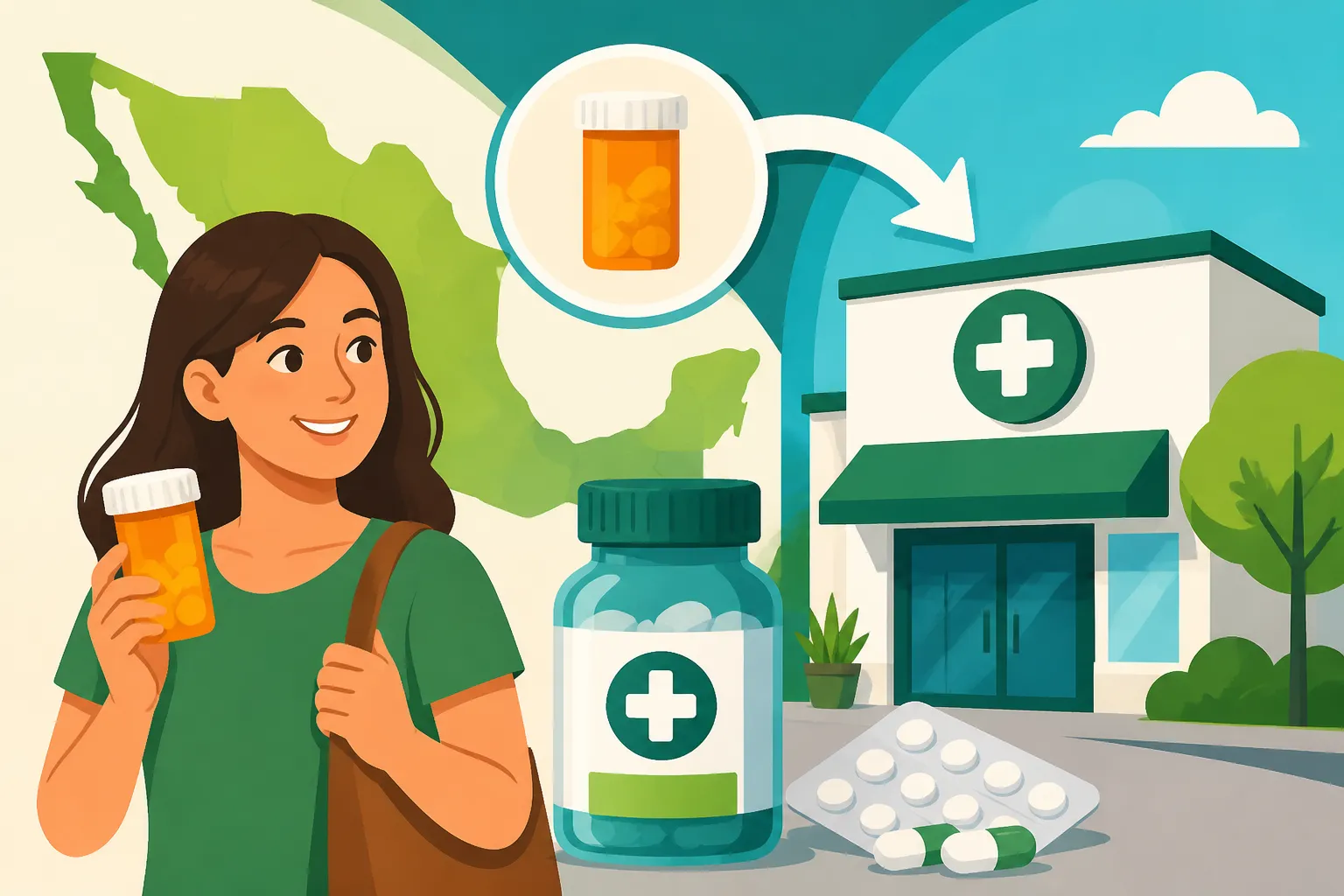
Once you have identified where to go and what you need, the process is relatively straightforward but requires a bit of local "know-how." If you have your original bottle from home, take it with you. Even though it isn't a legal prescription in Mexico, it serves as proof of your "sustancia activa" and dosage.
If the pharmacist tells you that a local prescription is required, simply look for the "Consultorio" next door. You will fill out a short form, wait your turn, and explain to the doctor that you are an expat on long-term therapy. They will check your blood pressure or perform a basic exam, verify your home bottle, and write a Mexican "receta." This receta is usually valid for 30 days, though some doctors may write one that allows for multiple refills over six months.
The cost of these visits is so low that many expats don't even bother filing insurance claims for them. However, it’s worth noting that Healthcare Costs in Mexico: Doctor Visits, Hospital Stays, and Surgery Expenses are generally much lower than in the US, making out-of-pocket management a viable strategy for many. If you are a resident, you might also consider how Public Healthcare in Mexico: IMSS and IMSS Bienestar Explained for Expats fits into your plan, although the wait times for specialty medications in the public system can be significant.
If you are using an international insurance provider like Cigna Global, you should keep all your receipts (facturas). In Mexico, a simple cash register receipt is not enough for tax or insurance reimbursement; you must ask for an official electronic "factura" which requires your RFC (tax ID). If you don't have an RFC, they can usually issue one to a "generic" foreign client ID, but always check with your insurer first to see what documentation they require for pharmacy reimbursement.
Managing Supply and Home-Country Interactions
A major question many expats have is whether they can just have their meds mailed from home. The short answer is: it’s risky. Mexican customs (Aduana) are very strict about importing medications. Often, packages are held indefinitely or require a mountain of paperwork from a Mexican physician to release. It is almost always better to find a local source.
If you are a traveler moving between countries, Bringing Prescription Medications from Home: Rules and Tips for Expats is a must-read. Usually, you are allowed to bring a 90-day supply for personal use if you have the prescription. For anything longer than that, you really need to integrate into the local system. If you are a nomad and your plans change frequently, having a flexible plan like SafetyWing can help cover the costs of a doctor's visit if you suddenly fall ill and need a new prescription for an acute issue, but remember that most travel plans don't cover routine refills for pre-existing conditions.
Lastly, always plan ahead. If you are moving to a smaller "Pueblo Mágico" or a remote beach town, the local pharmacy might only stock the basics. You may need to take a trip to the nearest large city once a month to stock up. Many large chains like San Pablo offer delivery via their apps, but they often won't deliver across state lines or to very remote areas. Establishing a relationship with a pharmacist in your local town can go a long way; they are often willing to order specific medications for you if they know you will be coming back every month to buy them.
Healthcare in Mexico Disclaimer
This guide is for informational purposes only and does not constitute medical or legal advice. Healthcare regulations and medication availability in Mexico can change rapidly. Always consult with a licensed healthcare professional in Mexico before starting or changing any medication regimen. While we strive to provide accurate and up-to-date information, the complexities of individual health needs and local laws require professional oversight. Ensure you have adequate health insurance coverage and maintain copies of all your medical records and prescriptions while living or traveling abroad.