Finding English-Speaking Doctors and Specialists in Mexico
Relocating to Mexico offers immense cultural rewards, but navigating a new medical system in a foreign language can be daunting. This comprehensive guide details proven, localized strategies for finding, verifying, and consulting with English-speaking doctors and specialists to ensure your health remains fully protected abroad.
Disclosure: This post may contain affiliate links. We may earn a commission at no extra cost to you if you make a purchase through these links. Read full disclosure.
The Language Barrier in Mexican Healthcare
Communication Challenges in Medical Settings
When moving to Mexico, the excitement of immersing yourself in a new culture is often accompanied by the quiet anxiety of managing your health in a language you may not fully master. While learning conversational Spanish is an essential part of expat life, medical Spanish is a completely different beast. The vocabulary required to accurately describe a subtle, radiating nerve pain or to understand the nuanced side effects of a complex new medication goes far beyond ordering dinner at a local taqueria. For expats, the inability to articulate symptoms clearly can transform a routine doctor’s visit into a profoundly stressful ordeal.
Furthermore, medical appointments inherently occur when we are at our most vulnerable. When you are suffering from a high fever, experiencing an unfamiliar allergic reaction, or dealing with the sudden onset of a chronic illness, your brain’s capacity to translate complex thoughts into a secondary language diminishes rapidly. Adrenaline and anxiety cloud your linguistic recall, making it incredibly difficult to advocate for your own health. The presence of a language barrier during these critical moments can lead to immense frustration, leaving you feeling unheard and fundamentally disconnected from the professional attempting to treat you.
This communication gap extends beyond the physical examination room. It permeates the entire patient experience, from calling the clinic receptionist to schedule the initial appointment, to deciphering the dense, highly technical Spanish instructions printed on a post-operative care sheet. In a medical environment, a “close enough” translation is simply unacceptable. Ensuring that your primary care physician and specialists speak fluent, nuanced English is the single most effective way to eliminate this stress, allowing you to focus entirely on your physical recovery rather than your vocabulary retention.
Public Hospitals Versus Private Clinics
Understanding where to focus your search for an English-speaking doctor requires a clear grasp of how the Mexican healthcare system is bifurcated. The public healthcare system, which includes the massive IMSS infrastructure and regional state hospitals, is strictly a Spanish-speaking environment. Because these facilities are entirely government-funded and designed to serve the vast majority of the Mexican populace on incredibly tight budgets, they do not allocate resources for bilingual administrative staff or on-site medical interpreters. While a public sector doctor might happen to know some English, you cannot expect or demand it. Expats choosing to rely on these facilities face an uncompromising linguistic wall, a reality we explore deeply in our guide to Public Healthcare in Mexico IMSS and IMSS Bienestar Explained for Expats.
In stark contrast, the private medical sector in Mexico functions as a highly competitive, free-market enterprise that actively caters to the lucrative demographic of foreign residents, retirees, and medical tourists. Private hospitals and boutique clinics in major cities and popular expat enclaves view bilingualism as a massive competitive advantage. They understand that international patients are willing to pay a premium for the peace of mind that comes with perfect communication. Therefore, the vast majority of your search for an English-speaking doctor will and should take place exclusively within the private sector.
Because private clinics operate as businesses, they frequently employ dedicated international patient coordinators. These bilingual professionals act as your personal liaisons, bridging the gap between you and any non-English speaking nurses or billing administrators you might encounter during a hospital stay. When evaluating different private facilities, discovering whether they maintain an international department is a massive indicator of how comfortably you will be able to navigate their specific ecosystem, a topic we expand upon in Navigating Hospitals and Clinics in Mexico: An Expat Guide to Medical Care.
The Risks of Misdiagnosis from Poor Translation
The stakes involved in finding a doctor who truly speaks your language are incredibly high, as the risks associated with medical miscommunication can be catastrophic. If an expat relies on a rudimentary understanding of Spanish or a smartphone translation app to explain their symptoms, critical diagnostic clues can be easily lost. A subtle misinterpretation of how long a symptom has persisted, or a misunderstanding regarding the exact location of abdominal pain, can steer a doctor toward a completely incorrect diagnosis, delaying vital treatment and potentially exacerbating the underlying condition.
Equally dangerous is the potential for miscommunication regarding your personal medical history. When a doctor asks if you have ever suffered from specific cardiovascular events, if you are currently taking any blood thinners, or if you have any severe drug allergies, there is absolutely no room for error. An incorrect translation in this scenario can lead to a doctor prescribing a medication that triggers a lethal allergic reaction or dangerously interacts with a supplement you are already taking. Even when sourcing your daily wellness products online from trusted international retailers like iHerb, you must be able to clearly articulate exactly what active ingredients you are consuming to your primary physician so they can monitor for contraindications.
Finally, a severe lack of clear communication inevitably leads to patient non-compliance. If a doctor successfully diagnoses a condition but fails to adequately explain the strict dosage schedule or the necessary dietary restrictions in English, the patient is highly unlikely to follow the recovery protocol correctly. By prioritizing and insisting upon a fully bilingual physician, you are not simply paying for comfort; you are actively engaging in the most fundamental form of preventive medicine, ensuring that every diagnostic decision and treatment plan is based on absolute, uncompromising clarity.
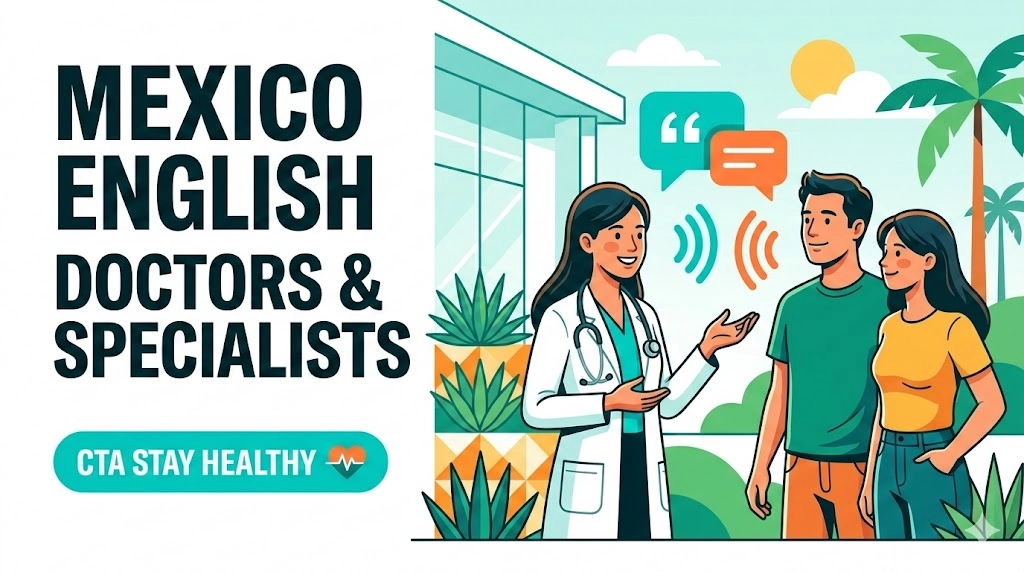
Effective Strategies for Locating Bilingual Physicians
Utilizing Expat Community Networks and Forums
When you first arrive in your new Mexican home, you are essentially a blank slate within the local healthcare ecosystem. The most immediate, reliable, and entirely free resource at your disposal is the established expatriate community already living in your city. Word-of-mouth recommendations are the absolute gold standard in Mexico, carrying far more weight than polished clinical websites or heavily marketed medical directories. Expats who have navigated the system before you possess invaluable, hard-won knowledge regarding exactly which doctors truly speak fluent English and which ones simply claim to on their business cards.
To tap into this network, you must actively engage with localized social media. Almost every major expat hub in Mexico—from Ajijic and San Miguel de Allende to Playa del Carmen and Mérida—boasts a highly active, dedicated Facebook group or a localized online forum (such as Mexperience or regional subreddits). When posting a request for a medical recommendation, be as highly specific as possible. Do not simply ask, “Does anyone know a good doctor?” Instead, ask, “Can anyone highly recommend a fluent English-speaking cardiologist who has direct experience treating arrhythmias and is affiliated with a top-tier private hospital?”
When you receive recommendations, take the time to send direct messages to the individuals who responded. Ask them specific questions about their personal experience. Did the doctor actually spend time explaining the diagnosis in English, or did they rush through the appointment? Was the clinic’s reception staff also capable of speaking English when booking the appointment? Gathering this nuanced, qualitative data from your peers is the fastest way to build a highly reliable shortlist of medical professionals you can truly trust with your health.
Leveraging Medical Tourism Directories and Platforms
While grassroots community recommendations are invaluable, they are occasionally limited by the specific medical needs of your immediate social circle. If you require a highly specialized neurosurgeon or a specific type of pediatric oncologist, you must broaden your search using formalized digital tools. Mexico has embraced the digital medical revolution, and several massive, highly vetted online platforms specifically designed to connect patients with private doctors have become ubiquitous across the country.
The most prominent and widely utilized platform in Mexico is Doctoralia. This massive digital directory functions very similarly to Zocdoc in the United States. Doctoralia allows you to precisely filter your search by medical specialty, specific city, and crucially, by spoken language. When you view a doctor’s profile on this platform, you can instantly see their educational background, their specific board certifications, the exact hospitals they maintain operating privileges at, and hundreds of verified reviews left by previous patients. Furthermore, the platform allows you to book your initial consultation directly through their digital calendar, completely bypassing the need to call a Spanish-speaking receptionist.
Another excellent resource is the Top Doctors Mexico directory. This platform is slightly more exclusive than Doctoralia, as it heavily curates its listings to include only highly rated, deeply experienced specialists and department heads at major private hospitals. When utilizing these digital tools, it is completely normal to pay the specialist’s consultation fee entirely out of pocket. To handle these highly affordable medical fees seamlessly, especially if you are transferring funds from a home-country account to avoid massive bank markups, utilizing a specialized financial platform like Wise ensures your money arrives instantly and securely at the clinic’s billing department. For a deeper dive into standard consultation costs, review Healthcare Costs in Mexico: Doctor Visits Hospital Stays and Surgery Expenses.
Contacting Embassies and Consulates for Recommendations
If you prefer a highly official, strictly vetted approach to finding a medical professional, your home country’s embassy or local consulate is an exceptional, entirely underutilized resource. The primary mandate of an embassy is to protect the welfare of its citizens abroad, and a massive component of that mandate involves ensuring citizens have access to safe, highly reliable, and linguistically accessible medical care during their residency or travels.
The United States Embassy in Mexico, alongside the embassies of Canada, the United Kingdom, and the European Union, maintains extensive, meticulously updated lists of English-speaking medical practitioners, major private hospitals, and specialized clinics across various Mexican states. These official lists are entirely free to access and are almost always publicly available in the “Citizen Services” section of the embassy’s official website. While the embassy will legally state that they do not explicitly endorse the clinical skills of any specific doctor, simply appearing on the list indicates that the physician has a proven, documented history of successfully treating foreign nationals in English.
Furthermore, if you find yourself in a severe medical crisis where you absolutely cannot locate an English-speaking specialist on your own, calling your consulate’s emergency citizen services line can be a lifeline. The consular staff cannot pay your medical bills or offer medical advice, but they can actively assist in connecting you with a vetted, bilingual doctor or a highly capable medical evacuation service if the local facilities are entirely unequipped to handle your specific trauma. We outline the critical role of the embassy during a crisis in our comprehensive guide on Medical Emergencies in Mexico: What Expats Should Know and Prepare.
Verifying Medical Credentials and Language Proficiency
Understanding the Mexican Medical Certification Process
Finding an English-speaking doctor is only half the battle; ensuring that the physician is legally licensed, highly trained, and clinically competent is equally vital. In many Western countries, verifying a doctor’s medical license is a deeply ingrained consumer habit, yet many expats completely abandon this basic due diligence when moving to Mexico, assuming the process is too complex. However, the Mexican government maintains a highly transparent, fully digitized national registry that allows anyone to verify a professional’s credentials instantly.
In Mexico, the equivalent of a medical license is called a Cédula Profesional. This is a unique, federally issued identification number granted by the Secretariat of Public Education (SEP) to individuals who have successfully completed their university degree and passed their mandatory professional examinations. Every single legitimate doctor, surgeon, and specialist practicing in Mexico absolutely must possess a valid Cédula Profesional. It is highly common, and legally expected, for a doctor to proudly display this number on their prescription pads, their business cards, and the plaque outside their clinic door.
If a doctor does not willingly provide their Cédula number, or acts offended when you politely ask for it, you should immediately walk away and find a different physician. Once you have the number, you can simply navigate to the SEP’s official Registro Nacional de Profesionistas website. By entering the doctor’s name or their specific Cédula number, the government database will instantly confirm the exact university where they earned their medical degree, the specific year they officially graduated, and whether their license remains in active, legal standing. Taking five minutes to perform this simple verification protects you from fraudulent practitioners and guarantees you are dealing with a formally educated professional.
Checking Board Certifications for Specialists
While a Cédula Profesional proves that an individual is a legally licensed general practitioner (Médico General), it absolutely does not prove that they are a highly trained, recognized specialist. If you require a complex orthopedic surgery, a detailed oncological treatment plan, or specialized pediatric care, you must verify that the doctor has successfully completed the grueling years of highly specialized residency required for their specific field.
In Mexico, specialized medical fields are strictly governed by specific national medical boards, known locally as Consejos. For example, there is the Consejo Mexicano de Cardiología for cardiologists, and the Consejo Mexicano de Cirugía Plástica for plastic surgeons. When a doctor completes their specialized residency and passes their rigorous board examinations, they are formally certified by their respective Consejo. This board certification is the absolute highest mark of clinical excellence and peer-reviewed competency in the Mexican medical system.
When searching for a specialist, you should explicitly look for the phrase Certificado por el Consejo (Certified by the Board) on their website or Doctoralia profile. You can also visit the specific Consejo’s official website to search their public directory of active, certified members. Ensuring your chosen specialist is board-certified guarantees that they are utilizing the most modern, internationally recognized medical protocols, deeply minimizing the risk of outdated surgical techniques or improper pharmaceutical management.
Assessing English Fluency Before Booking
The term “bilingual” is highly subjective. A doctor might advertise themselves as an English speaker because they can successfully read an English medical textbook, but they might completely lack the conversational fluency required to patiently listen to your complex medical history or accurately explain the nuanced risks of an upcoming surgery. Therefore, you must proactively assess a doctor’s actual conversational fluency long before you commit to a major procedure or pay a massive consultation fee.
The simplest, most direct method for testing the waters is to call the clinic and specifically ask to speak with the doctor for two minutes before formally booking an appointment. While highly sought-after specialists are incredibly busy, many private doctors in Mexico are surprisingly accessible and will happily take a brief phone call to introduce themselves to a prospective international patient. Use this brief conversation to ask a few highly specific questions about their experience treating your condition. If they struggle to understand your questions, repeatedly ask you to speak slower, or respond in heavily broken English, they are likely not fluent enough to handle a complex medical crisis.
Furthermore, you can glean massive insights into a doctor’s fluency by closely examining their educational background. Many top-tier Mexican specialists proudly list their fellowships, specialized training courses, or active medical board memberships in the United States, the United Kingdom, or Canada. If a doctor spent three years completing a highly demanding surgical fellowship at the Mayo Clinic or Johns Hopkins, their medical and conversational English is virtually guaranteed to be flawless. Looking for these specific international educational markers is a highly reliable shortcut for expats seeking elite, perfectly bilingual care.
Navigating Specialist Referrals and Consultations
Direct Access to Specialists in the Private Sector
One of the most beautifully efficient and celebrated features of the Mexican private healthcare system is the complete elimination of bureaucratic gatekeeping. In systems heavily dominated by Health Maintenance Organizations (HMOs) or massive nationalized health services, seeing a specialist requires enduring a frustrating, multi-step process: you must first secure an appointment with a primary care physician, convince them that your issue is severe enough to warrant a formal referral, and then wait weeks or months for the specialist’s office to finally schedule you in. In Mexico’s private sector, the concept of a mandatory medical referral simply does not exist.
If you twist your knee aggressively while hiking and strongly believe you need an MRI and a consultation with an orthopedic surgeon, you simply find a highly rated surgeon and call their office directly to book a slot. This incredible, unhindered access allows expats to take total, proactive control over their immediate healthcare timelines. However, this immense freedom also requires a high degree of personal responsibility. Because you are diagnosing yourself to a certain extent by choosing which specialist to call, you must ensure you are targeting the correct field of medicine.
If you are generally unwell and unsure of the exact underlying cause, it is always the safest, most logical strategy to start by consulting a highly experienced, bilingual Internal Medicine specialist (Médico Internista). An internist acts as a highly sophisticated medical detective. They will order the necessary, comprehensive diagnostic panels, thoroughly evaluate the complex results, and then personally guide you directly to the appropriate, highly vetted sub-specialist if the condition requires highly specific surgical or oncological intervention. We detail the incredible ease of this entire process in our foundational article on Healthcare in Mexico Complete Guide for Expats Public vs Private.
Preparing for Your First Bilingual Appointment
When you finally secure an appointment with a bilingual specialist, arriving unprepared is a massive waste of both your valuable time and your financial resources. Mexican private doctors typically schedule their appointments in thirty to forty-five-minute blocks, offering a deeply unhurried, highly patient-centric consultation. To maximize this incredible face-to-face time, you must proactively organize your complete medical history long before you step into the clinic’s waiting room.
Create a comprehensive, brightly colored physical folder to bring to your appointment. This folder must contain high-quality copies of your most recent home-country medical records, detailed surgical reports from previous operations, and physical copies of your most recent diagnostic imaging provided on a digital USB drive. Most importantly, you must print out a highly legible list of every single medication, specialized vitamin, and nutritional supplement you currently take daily. Because pharmaceutical brand names vary wildly between countries, you must write down the exact generic chemical ingredient for each medication so the Mexican doctor can instantly recognize it.
If you rely on highly specialized organic supplements or specific probiotics to manage chronic inflammation or gut health, explicitly list these out as well. Because local Mexican pharmacies frequently lack a deep selection of these specialized wellness products, many expats heavily rely on iHerb to securely ship their exact required brands directly to their Mexican address. Sharing this exact supplement regimen with your new bilingual doctor allows them to accurately evaluate your holistic health profile and ensure that any new prescriptions will not dangerously interact with your imported wellness products, a critical preventive measure detailed in Staying Healthy in Mexico: Essential Tips for Food Water and Preventive Care.
Managing Diagnostic Tests and Laboratory Results
During your initial consultation, it is highly likely that your specialist will order a battery of diagnostic tests to establish a clear clinical baseline. In many Western countries, the doctor’s office handles everything, drawing the blood internally or sending you down the hall to the hospital’s specific lab. In Mexico, while massive private hospitals certainly have in-house laboratories, the vast majority of routine outpatient diagnostic testing is heavily decentralized and handled by independent, standalone laboratory chains like Chopo or Salud Digna.
Your doctor will simply hand you a paper requisition order. You can walk into any branch of these independent labs, hand them the paper, pay the highly affordable fee out of pocket, and immediately have the tests performed. However, it is absolutely vital to understand that the official laboratory results you receive—whether printed on paper or securely emailed to you as a digital PDF—will be written entirely, exclusively in highly technical medical Spanish.
Do not panic and attempt to aggressively translate these complex medical abbreviations using Google Translate. The true value of having meticulously selected a fully bilingual specialist is precisely for this moment. You simply email the complex Spanish lab results directly to your doctor’s office, or physically bring them to your follow-up appointment. Your bilingual physician will seamlessly translate the highly technical data points, clearly explain exactly what the specific enzyme levels or imaging markers mean in plain English, and expertly outline the next crucial steps in your personalized treatment plan.
Overcoming Communication Gaps During Emergencies
Hiring Professional Medical Translators and Facilitators
While finding a perfectly bilingual specialist for a scheduled, elective procedure is highly manageable, medical emergencies inherently strip away your ability to plan. If you suffer a severe vehicle accident in a remote coastal town or require an emergency appendectomy at 3:00 AM, the responding ambulance will transport you to the nearest capable hospital, regardless of whether the on-call surgical staff speaks a single word of English. In these terrifying, high-stakes scenarios, the language barrier immediately becomes a life-threatening obstacle.
If you suddenly find yourself admitted to a hospital where communication is utterly failing, your immediate priority must be to hire a professional medical translator or a localized medical facilitator. A professional facilitator is a fully bilingual, highly experienced local advocate who rapidly arrives at the hospital, completely takes over the complex communication with the attending surgeons, and aggressively ensures you fully understand every single diagnostic procedure before you sign a Spanish consent form. Furthermore, they expertly navigate the dense, intimidating hospital billing department, preventing you from being overcharged or forced into signing unjust promissory notes.
Finding these highly specialized professionals should not be left until an emergency strikes. You should proactively research and save the direct contact information for reputable medical facilitators operating in your specific Mexican city within your first month of residency. Because facilitators operate as independent contractors, their emergency fees are typically paid entirely out of pocket. To ensure you can immediately secure their vital services at 3:00 AM without relying on blocked foreign debit cards, maintaining a highly liquid digital account with Wise allows you to instantly transfer their emergency fee, guaranteeing they arrive at your bedside without a moment’s hesitation.
The Crucial Role of International Health Insurance
Beyond hiring a local advocate, the absolute most powerful tool for entirely overcoming the language barrier during a massive medical crisis is holding a premium international health insurance policy. While local Mexican insurance plans are excellent for domestic coverage, their claims departments operate strictly in Spanish, forcing you to navigate the intense bureaucracy of a hospital admission entirely on your own. For expats who demand absolute, uncompromising communication and massive financial security, international policies are the premier choice.
Providers like Cigna Global specifically cater to the highly mobile expatriate demographic by operating massive, globally distributed 24/7 medical concierge centers. When you arrive at a Mexican emergency room, you simply hand the receptionist your international insurance card and immediately call the toll-free number on the back. You are instantly connected to a highly trained, fluent English-speaking case manager. This dedicated professional immediately takes over, directly contacting the Mexican hospital administration to establish the direct-billing Letter of Guarantee, and securely speaking with the attending physician to translate the complex medical situation back to you.
Furthermore, if the local Mexican hospital simply cannot provide the specialized care you desperately require, or if the language barrier is completely compromising your safety, premium policies like Cigna Global include incredibly robust medical evacuation benefits. Your international case manager can unilaterally decide to dispatch a fully equipped private air ambulance to extract you from the local facility, rapidly transporting you to a major center of excellence in Mexico City, Houston, or Miami where perfect English communication is guaranteed. We deeply compare these massive benefits against local options in our definitive guide on Choosing Private Health Insurance Local Mexican Plans vs International Coverage.
Building a Bilingual Medical Support Network
The ultimate strategy for safely navigating the Mexican healthcare system is actively, proactively building a highly resilient, localized bilingual medical support network long before you actually need it. You cannot wait until you are severely ill to scramble for recommendations or attempt to establish a file with a new doctor. Health security in a foreign country is built entirely on aggressive, rigorous preparation.
Within your very first month of moving to Mexico, force yourself to schedule a simple, routine consultation with an English-speaking general practitioner. Use this incredibly low-stress appointment to hand over your translated medical records, establish a formal clinical file, and build a baseline, trusting relationship. Ask this primary doctor for direct recommendations for bilingual specialists—like cardiologists or dermatologists—that they personally trust and frequently refer international patients to.
Simultaneously, actively educate yourself on exactly how to legally obtain your required medications locally without a prescription, a vital skill we clearly explain in Pharmacies in Mexico How to Get Medications OTC vs Prescription. By systematically locating your primary doctor, identifying exactly which major private hospital you would utilize in an emergency, verifying your insurance protocols, and securing your daily wellness supplies, you completely neutralize the anxiety of the language barrier. You powerfully transform the daunting prospect of foreign medical care into a highly manageable, deeply comforting aspect of your exciting new life in Mexico.
Summary Comparison of Physician Location Strategies
To rapidly review the most effective methods for locating trusted, English-speaking medical professionals in Mexico, consult the following comparison table:
| Strategy | Primary Benefit | Best Used For | Potential Drawback |
| Expat Community Forums | Highly trusted, verified personal experiences | Finding empathetic primary care doctors and dentists | Experiences are subjective; may lack complex specialists |
| Doctoralia / Top Doctors | Extensive filtering by specialty and English language | Locating highly credentialed, board-certified surgeons | Requires paying out of pocket for the initial consultation |
| Embassy Medical Lists | Officially vetted, documented history with expats | Establishing emergency contacts upon arrival | Lists may not be updated frequently |
| International Insurance | Instant access to 24/7 English concierge services | Navigating major emergencies and hospital admissions | Requires holding a premium global policy |
| Medical Facilitators | In-person bilingual advocacy and billing protection | Overcoming language barriers in local Spanish hospitals | Requires immediate out-of-pocket payment |
References
Primary sources (official)
- US Embassy in Mexico – Medical Assistance: https://mx.usembassy.gov/medical-practitioners/
Other helpful sources
- Top Doctors Mexico – Directory: https://www.topdoctors.mx/
Disclaimer
The detailed information strictly provided in this extensive article is for educational and informational purposes only and absolutely does not constitute professional medical, legal, or financial advice. Healthcare laws, official medical licensing regulations, and clinic administrative protocols in Mexico are highly complex and subject to rapid change without prior notice. Always deeply consult with a certified medical professional regarding your specific health issues, strictly verify all professional Cédula numbers through official government portals before undergoing major procedures, and securely speak directly to a fully licensed, independent insurance broker before making any financial decisions regarding health insurance policies.