Staying Healthy in Mexico: Essential Tips for Food, Water, and Preventive Care
Maintaining optimal health while living in Mexico requires a proactive approach to your daily environment. This comprehensive guide provides expats with essential, localized strategies for safely navigating the water supply, enjoying local cuisine, and establishing a robust preventive healthcare routine abroad.
Disclosure: This post may contain affiliate links. We may earn a commission at no extra cost to you if you make a purchase through these links. Read full disclosure.
Navigating the Water Supply in Mexico
The Reality of Tap Water Quality
One of the most immediate and significant adjustments for expats moving to Mexico from the United States, Canada, or Europe is adapting to the local water infrastructure. In almost all regions of Mexico, the municipal tap water is not considered safe for human consumption without heavy filtration or purification. The issue rarely stems from the primary municipal water treatment plants, which often treat the water to standard municipal safety levels. Instead, the contamination typically occurs within the aging, often compromised underground pipe networks that distribute the water to individual homes and neighborhoods. Heavy metals, harmful bacteria, and microscopic parasites can easily infiltrate these aging distribution systems.
Furthermore, many Mexican homes and apartment buildings utilize rooftop water storage tanks known as tinacos, or underground cisterns (cisternas). These storage units are essential for ensuring a steady water pressure and supply during frequent municipal water cuts. However, if these tanks are not drained, scrubbed, and professionally disinfected at least twice a year, they become breeding grounds for algae, bacteria, and insects. Even if the water arriving from the city is perfectly clean, it can become dangerously contaminated once it sits in an unmaintained rooftop tinaco under the hot Mexican sun.
Expats must establish a strict personal rule: never drink directly from the tap. This rule extends beyond simply filling a glass with water. You should avoid using unfiltered tap water to brew coffee, make ice cubes, or cook foods where the water is not brought to a rolling boil for several minutes (such as cooking rice or boiling pasta). While some expats eventually acclimate to brushing their teeth with tap water, newly arrived residents and individuals with sensitive digestive systems should strictly use bottled or purified water for oral hygiene to avoid introducing unfamiliar microbes into their systems.
Bottled Water and Delivery Services
Given the realities of the tap water system, the vast majority of Mexican households and expat residents rely on a robust system of bottled water for their daily drinking and cooking needs. The most common and economical method is the use of garrafones, which are large, heavy-duty, reusable plastic jugs holding 20 liters (approximately 5.3 gallons) of purified water. Major national brands like Ciel, Bonafont, and Epura dominate this market, ensuring that high-quality, perfectly safe drinking water is readily available even in the most remote corners of the country.
The logistics of managing garrafones can initially seem daunting, but it quickly becomes a routine part of expat life. You can purchase these large jugs at any local convenience store (like OXXO), supermarket, or directly from the delivery trucks that slowly cruise through residential neighborhoods playing distinct jingles or shouting “¡El agua!” over loudspeakers. When you buy a garrafon for the first time, you pay a one-time deposit for the plastic jug itself. Afterward, you simply exchange your empty jug for a full one, paying only for the water inside, which typically costs between 35 and 50 MXN (roughly $2.00 to $3.00 USD).
Many expats opt for the convenience of scheduled home delivery. Local purificadoras (independent water purification storefronts) and the major national brands offer services where delivery personnel will carry the heavy jugs directly into your kitchen and load them onto your water dispenser. To ensure you always have cash on hand to tip these hardworking delivery drivers—a customary practice in Mexico—many expats use Wise to transfer their funds from foreign accounts into their local Mexican bank accounts with minimal conversion fees. This ensures a steady supply of pesos for daily household expenses without the hassle of constantly visiting ATMs.
Installing Home Filtration and Purification Systems
For expats planning a long-term or permanent move to Mexico, the physical labor and ongoing expense of hauling 20-liter garrafones can become tiresome. The ultimate solution for long-term health and convenience is the installation of a comprehensive home water filtration and purification system. However, it is vital to understand that a simple charcoal filter pitcher (like a Brita) attached to the tap is woefully insufficient for Mexican water. These basic filters improve taste and reduce chlorine, but they do not eliminate the microscopic parasites, viruses, or heavy metals prevalent in the local supply.
A proper under-sink filtration system in Mexico must utilize multiple stages of purification. The gold standard is a Reverse Osmosis (RO) system combined with an Ultraviolet (UV) light chamber. The RO membrane forces water through microscopic pores, effectively stripping out heavy metals, fluoride, and dissolved solids. Subsequently, the UV light acts as a powerful sterilizer, destroying the DNA of any remaining bacteria, viruses, or cysts that managed to bypass the physical filters. These systems typically cost between $200 and $500 USD to purchase and install, representing a significant but highly worthwhile investment in your daily health.
When installing these systems, it is highly recommended to hire a professional local plumber. They can assess your home’s specific water pressure (which is often notoriously low in Mexico) and install the necessary booster pumps to ensure the RO system functions efficiently. Additionally, filters and UV bulbs require strict adherence to a maintenance schedule, usually requiring replacement every 6 to 12 months. By investing in a high-quality purification system, expats can enjoy the luxury of pouring a glass of safe, clean water directly from a dedicated tap in their kitchen, drastically reducing their plastic footprint and simplifying their daily lives.
Food Safety and Avoiding Mexican Gastric Illnesses
Understanding Traveler’s Diarrhea
Almost every expat and tourist has heard the cautionary tales of “Moctezuma’s Revenge,” the colloquial term for traveler’s diarrhea contracted in Mexico. This highly unpleasant gastric illness is not usually the result of spoiled or inherently “dirty” food. Rather, it is primarily caused by introducing your digestive tract to unfamiliar strains of bacteria—most commonly Escherichia coli (E. coli), Campylobacter, or Salmonella—that are naturally present in the local environment, soil, and food preparation surfaces. The local Mexican population has developed a lifelong immunity to these specific microscopic flora, allowing them to eat anywhere without issue, while a newly arrived foreigner’s immune system hyper-reacts to the novel bacteria.
The symptoms of traveler’s diarrhea typically manifest within the first few days to weeks of arriving in Mexico. They include severe abdominal cramping, urgent and frequent loose stools, nausea, bloating, and occasionally a low-grade fever. While incredibly disruptive and uncomfortable, the condition is usually self-limiting and resolves within three to five days as your body flushes the unfamiliar bacteria and begins to adapt to the new microbiome. However, if the symptoms persist for more than a week, are accompanied by a high fever, or if you notice blood in your stool, it is no longer simple traveler’s diarrhea, and you must seek immediate medical attention to rule out amoebic dysentery or a severe parasitic infection.
Preventing severe dehydration is the most critical medical intervention during a bout of gastric illness. Expats should immediately begin consuming oral rehydration salts, known locally as suero oral, which can be purchased over the counter at any Mexican pharmacy in various flavors. Plain water is not enough, as it does not replace the vital electrolytes, sodium, and potassium lost during frequent bathroom visits. For a comprehensive look at how the local medical system handles these common ailments, you can review our guide on Navigating Hospitals and Clinics in Mexico: An Expat’s Guide to Medical Care.
Best Practices for Street Food and Local Markets
One of the greatest joys of living in Mexico is indulging in the vibrant, complex, and incredibly diverse street food culture. From sizzling tacos al pastor to fresh tamales and intricate tlayudas, completely avoiding street food means missing out on the soul of Mexican gastronomy. However, partaking safely requires a high degree of situational awareness and a strategic approach to selecting your vendors. The most reliable rule of thumb for any expat is to follow the crowds. A street food stand with a long line of local Mexicans, especially families or local workers, is the strongest possible indicator of both delicious flavor and rapid ingredient turnover, meaning the meat hasn’t been sitting out in the heat for hours.
When evaluating a street food stall, observe the division of labor. The person handling the raw meat and cooking the food should absolutely not be the same person handling the dirty cash and coins. Reputable vendors will have a dedicated cashier, or they will provide small plastic baggies over their hands when taking your money. Furthermore, take a close look at the salsas and garnishes. While the meat on the grill is usually cooked to a temperature high enough to kill bacteria, the fresh, unpasteurized cilantro, diced onions, and raw salsas sitting in warm bowls on the counter are the most common culprits for transmitting foodborne illnesses. If the garnishes look wilted or have been sitting in the direct sun, skip them.
Finally, be exceptionally cautious with fresh fruit and raw seafood sold on the street. While cups of sliced mango smothered in lime and chili powder look incredibly appetizing, if the fruit was washed in unfiltered tap water or cut with a contaminated knife, it can harbor bacteria. The same applies to street-side ceviche; unless you are dining at a highly reputable coastal establishment with impeccable refrigeration, eating raw fish mixed in a warm outdoor environment carries a significant risk. By applying these observational skills, expats can safely train their stomachs to enjoy Mexico’s culinary treasures.
Safely Washing and Preparing Fresh Produce at Home
When you transition from eating out to cooking in your own Mexican kitchen, you must adopt new habits for handling fresh produce. In many Western countries, simply rinsing an apple or a head of lettuce under the kitchen tap is considered sufficient. In Mexico, doing so is a fast track to a parasitic infection. Because Mexican agriculture sometimes utilizes different irrigation standards, and the produce passes through multiple open-air markets and hands before reaching your kitchen, all raw fruits and vegetables must be chemically disinfected before consumption, regardless of whether you bought them at a high-end supermarket like City Market or the local tianguis (open-air street market).
The cornerstone of Mexican kitchen hygiene is a product called Microdyn, or a similar iodine or colloidal silver-based disinfectant. These small dropper bottles are ubiquitous and can be found in the produce section of every grocery store in the country. The process is simple but mandatory: you fill a clean bowl with purified garrafon water (never tap water), add the specified number of drops of the disinfectant (usually about 8-10 drops per liter), submerge your fresh produce completely, and let it soak for 15 to 20 minutes. This process effectively kills the bacteria, amoebas, and cysts clinging to the skin and leaves of the food.
This soaking protocol applies to everything you plan to eat raw, particularly leafy greens like lettuce and spinach, porous fruits like strawberries, and herbs like cilantro. Even if you plan to peel a fruit, such as a mango or an avocado, you should disinfect the exterior first. If you cut into an unwashed avocado, the knife blade will drag any bacteria present on the rough skin straight into the edible flesh. By rigorously adhering to this disinfection routine, expats can safely enjoy the incredible bounty of fresh, inexpensive, and year-round produce that Mexico has to offer without fear of illness.
Environmental and Climate Health Concerns
Managing Sun Exposure and UV Rays
Mexico’s geographical position, largely located between the Tropic of Cancer and the Equator, means the sun’s rays strike the earth at a much more direct angle than in higher latitudes. The ultraviolet (UV) index in Mexico is consistently extreme, particularly during the dry season and in coastal regions. Expats who relocate to popular beach destinations like Playa del Carmen, Puerto Vallarta, or Los Cabos often underestimate the sheer intensity of the Mexican sun, leading to severe sunburns, heat exhaustion, and long-term dermatological damage.
Daily application of a high-quality, broad-spectrum sunscreen with an SPF of at least 50 is non-negotiable, even on overcast days. However, expats quickly discover that imported, brand-name sunscreens are heavily taxed in Mexico and can be exorbitantly expensive at local pharmacies. Consequently, many foreign residents rely on iHerb to bulk-order premium, reef-safe mineral sunscreens and specialized dermatological skincare products. iHerb delivers directly to your Mexican address, bypassing local retail markups and ensuring you have access to trusted products that protect your skin without harsh chemicals.
Beyond topical protection, behavioral adaptation is crucial. Local Mexicans rarely go to the beach or engage in heavy outdoor labor during the peak UV hours of 11:00 AM to 4:00 PM. Expats should adopt this cultural rhythm, scheduling outdoor activities, exercise, and errands for the early morning or late afternoon. Wearing wide-brimmed hats, UV-protective clothing, and high-quality polarized sunglasses to protect against cataracts are essential daily habits for anyone intending to live long-term in Mexico’s brilliant but punishing climate.
Altitude Sickness in Central and Mountainous Regions
While tourists often picture Mexico exclusively as a collection of tropical beaches, a vast portion of the country’s interior is dominated by immense mountain ranges and high-altitude plateaus. Mexico City, a massive hub for expats and digital nomads, sits at an elevation of 7,382 feet (2,250 meters) above sea level. Popular expat retirement havens like San Miguel de Allende, Guanajuato, and the Lake Chapala region are also located at significant altitudes. Relocating to these areas from sea level can trigger a very real physical response known as altitude sickness, or soroche.
At these elevations, the barometric pressure drops, meaning there are fewer oxygen molecules in every breath you take. For newly arrived expats, this manifests as persistent headaches, shortness of breath after minimal exertion (like climbing a single flight of stairs), profound fatigue, dizziness, and difficulty sleeping. These symptoms typically appear within the first 24 hours of arrival and can last anywhere from a few days to several weeks as the body slowly acclimates by producing more red blood cells to carry oxygen more efficiently.
To manage altitude sickness, the most critical intervention is aggressive hydration. You must drink significantly more purified water than you would at sea level, as the dry mountain air accelerates invisible fluid loss through respiration. Furthermore, expats should strictly avoid alcohol, heavy meals, and strenuous physical exercise during their first week at altitude. Alcohol, in particular, acts as a depressant on the respiratory system and drastically exacerbates the symptoms of soroche. If symptoms become severe or involve chest pain, you must seek medical attention, a process outlined in our guide on Healthcare in Mexico: Complete Guide for Expats (Public vs Private).
Insect-Borne Diseases and Vector Control
In the tropical, subtropical, and coastal regions of Mexico, mosquitoes are more than just a nuisance; they are active vectors for several serious viral diseases, most notably Dengue Fever, Zika virus, and Chikungunya. These viruses are primarily transmitted by the Aedes aegypti mosquito, a highly aggressive species that, unlike typical mosquitoes, is most active and bites during the daylight hours, particularly in the early morning and late afternoon.
Dengue Fever, often referred to colloquially as “breakbone fever” due to the severe joint and muscle pain it causes, is endemic in many coastal Mexican states. Symptoms include a sudden high fever, intense headaches behind the eyes, profound fatigue, and occasionally a full-body rash. There is no specific antiviral treatment for Dengue; medical care focuses entirely on supportive therapies, aggressive hydration, and pain management using acetaminophen (never ibuprofen or aspirin, which can increase bleeding risks associated with severe Dengue). Because the illness can rapidly escalate into a medical emergency requiring hospitalization, having a comprehensive international insurance policy through Cigna Global ensures you have immediate access to top-tier private intensive care without massive out-of-pocket costs.
Prevention is entirely focused on vector control and personal bite avoidance. Expats living in vulnerable regions must meticulously eliminate any standing water around their homes, as the Aedes aegypti mosquito can breed in something as small as a bottle cap filled with rainwater. Scrubbing outdoor pet bowls daily, clearing clogged gutters, and ensuring all windows and doors are fitted with intact screens are mandatory household chores. For personal protection, the daily use of insect repellents containing DEET, Picaridin, or Lemon Eucalyptus oil is essential when spending time outdoors or dining on open-air patios during the rainy season.
Preventive Healthcare and Routine Maintenance
Establishing a Relationship with a General Practitioner
One of the most comforting aspects of the Mexican healthcare system is the highly personalized and accessible nature of primary care. Unlike in the US or Canada, where scheduling a simple checkup can take weeks and involves complex insurance pre-approvals, establishing a relationship with a General Practitioner (Médico General) in Mexico is incredibly straightforward and highly affordable. Expats are strongly encouraged to find a trusted local doctor shortly after arriving, rather than waiting until they are severely ill to navigate the system.
In the private sector, primary care doctors often operate out of independent clinics or are affiliated with larger private hospitals. A standard consultation typically costs between 500 and 1,000 MXN ($30 to $60 USD) and can frequently be booked for the same day or the following day. These doctors generally spend significantly more time with their patients than their North American counterparts, taking detailed medical histories, discussing lifestyle factors, and offering personalized preventive advice. Because they operate outside the heavy bureaucracy of HMOs, the doctor-patient relationship in Mexico feels much more traditional and focused on actual care rather than administrative coding.
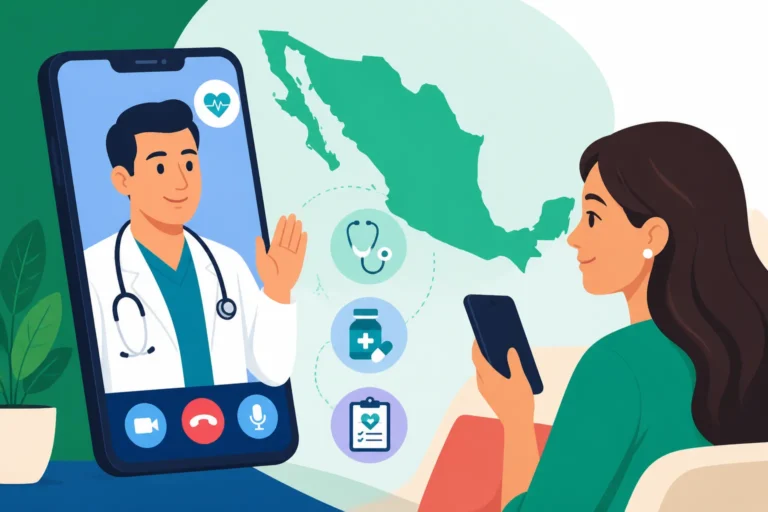
For expats who do not speak fluent Spanish, finding a bilingual doctor is usually the top priority. Fortunately, in major cities and popular expat enclaves, many highly qualified Mexican physicians have completed portions of their medical training or fellowships in the US, the UK, or Canada, and speak impeccable medical English. You can find detailed strategies for locating these professionals in our article on Finding English-Speaking Doctors and Specialists in Mexico. Once you establish this relationship, your primary doctor becomes the invaluable “quarterback” of your healthcare, coordinating referrals to trusted specialists and managing your long-term wellness.
Routine Lab Tests and Diagnostics
Preventive healthcare heavily relies on routine diagnostic testing, and Mexico excels in providing accessible, high-quality, and astonishingly inexpensive laboratory services. The country is saturated with standalone diagnostic centers, the most prominent being national chains like Chopo, Salud Digna, and Laboratorios Polanco. These facilities function entirely independently of hospitals and doctor’s clinics, allowing patients to walk in off the street and order their own blood work, urinalysis, X-rays, and even ultrasounds without necessarily needing a prior doctor’s requisition.
The affordability of these tests allows expats to take a highly proactive approach to their health monitoring. A comprehensive blood panel—which might include a complete blood count, lipid profile, liver and kidney function tests, and glucose levels—can often be obtained for less than $40 USD. Advanced imaging, such as MRIs or CT scans, costs a fraction of the price in the US, often ranging from $200 to $400 USD. For a detailed breakdown of these specific expenses, refer to Healthcare Costs in Mexico: Doctor Visits, Hospital Stays, and Surgery Expenses.
The efficiency of these diagnostic centers is also remarkable. Blood work results are typically available on the very same day, securely emailed to the patient as a PDF or accessible via a dedicated online portal. This allows expats to independently monitor chronic conditions like diabetes or high cholesterol, and then take the detailed, printed results to their general practitioner for interpretation and medication adjustments. This decentralized, patient-empowered model of diagnostics is a massive benefit for proactive health maintenance in Mexico.
Dental Care and Annual Checkups
Dental care is one of the brightest highlights of the Mexican medical landscape, drawing hundreds of thousands of “medical tourists” across the border every year. For expats living in the country full-time, access to world-class, highly affordable dentistry is a significant lifestyle upgrade. The quality of care, materials used, and sterilization protocols in top-tier Mexican dental clinics are identical to those found in North America or Europe, but the cost is typically 60% to 80% lower.
Because the out-of-pocket costs are so low, expats rarely need or purchase specialized dental insurance. A routine cleaning and comprehensive exam by an English-speaking dentist in a modern clinic usually costs between $30 and $50 USD. Even complex procedures like root canals, porcelain crowns, and dental implants are highly affordable, meaning expats can easily maintain a rigorous schedule of biannual cleanings and preventive maintenance without stressing their budgets. This ease of access prevents minor cavities from developing into massive infections requiring emergency intervention.
When selecting a dentist, the best approach is often word-of-mouth recommendations within the local expat community. Look for clinics that explicitly cater to foreigners, as they will have bilingual staff, utilize the latest panoramic X-ray technology, and understand the specific aesthetic and functional expectations of international patients. Committing to regular dental checkups is a crucial pillar of overall preventive health, as chronic oral infections have been clinically linked to broader systemic issues, including heart disease and compromised immune function.
Managing Prescription Medications and Supplements
Understanding the Pharmacy System
Navigating the pharmacy (farmacia) system in Mexico is generally a very positive experience, characterized by immense convenience and accessibility. Pharmacies are ubiquitous; you will find multiple large chains like Farmacias del Ahorro, Farmacias Guadalajara, and Farmacias San Pablo on almost every major commercial street. Unlike the highly restrictive systems in the US, the Mexican pharmaceutical landscape operates with a significant degree of freedom, allowing patients to purchase many medications directly over the counter.
Many drugs that require a strict doctor’s visit and prescription in North America—such as muscle relaxants, non-narcotic pain relievers, birth control pills, asthma inhalers, and a wide variety of blood pressure and cholesterol medications—can be purchased simply by asking the pharmacist. You just need to know the generic chemical name of the drug, as brand names vary internationally. However, Mexico strictly regulates antibiotics and controlled substances (like opioids or strong psychiatric medications). For these, you must present a valid, stamped prescription from a licensed Mexican doctor. We explain the nuances of this process in Pharmacies in Mexico: How to Get Medications (OTC vs Prescription).
A unique and highly useful feature of the Mexican system is the consultorio—a small, basic doctor’s office physically attached to many large chain pharmacies. These walk-in clinics are staffed by licensed general practitioners and charge nominal fees, often less than $3 USD per visit. If you know you have a minor infection and simply need an antibiotic prescription, you can walk into the consultorio, get examined by the doctor, receive your prescription, and walk next door into the pharmacy to buy the medication, completing the entire process in under 30 minutes.
Sourcing Vitamins and High-Quality Supplements
While standard pharmaceutical medications are easily sourced and cheap in Mexico, the market for specialized vitamins, high-grade probiotics, and niche nutritional supplements can be frustratingly limited. Local pharmacies and health food stores often carry a very narrow selection of supplements, and the imported brands they do stock are subject to heavy import taxes, making them significantly more expensive than in the US or Europe. Furthermore, the quality control and storage conditions for delicate supplements like probiotics can be questionable in smaller local shops.
For expats committed to maintaining a robust daily regimen of specific wellness products, utilizing international e-commerce is the most effective solution. The expat community widely relies on iHerb to bridge this gap. iHerb offers an immense catalog of trusted, high-quality vitamins, organic supplements, and specialized dietary products at standard international prices. Most importantly, they have streamlined their shipping logistics to Mexico, meaning they handle the complex customs and import duties at checkout, ensuring your health products arrive reliably at your door without being detained by Mexican customs officials.
By establishing a reliable supply chain for your specific wellness needs, you can maintain the exact preventive health routines you relied upon in your home country. Whether it is a specific strain of probiotic to help your stomach adapt to the local flora, high-dose Vitamin D for the rainy season, or specialized joint supplements to support an active retirement lifestyle, leveraging platforms like iHerb allows expats to take complete control of their holistic health profile while living abroad.
Dealing with Medication Shortages and Alternatives
While the private sector is generally well-stocked, Mexico occasionally experiences national shortages of specific pharmaceutical drugs. These shortages can affect everything from specialized psychiatric medications to common anesthetics, and they can cause significant stress for expats who rely on a rigid daily medication schedule. If a specific brand-name drug becomes unavailable, expats must be prepared to pivot and work with local medical professionals to find viable alternatives.
The first step in mitigating the risk of shortages is to prioritize generic medications (medicamentos genéricos). Mexico has a massive, highly regulated generic drug manufacturing industry. Generic drugs are chemically identical to their brand-name counterparts but are vastly cheaper and less susceptible to the supply chain issues that plague imported brand names. When consulting with your Mexican doctor, always ask if your prescription can be written for the active chemical ingredient rather than the brand name, which gives the pharmacist the flexibility to fill the order with whatever generic equivalent is currently in stock.
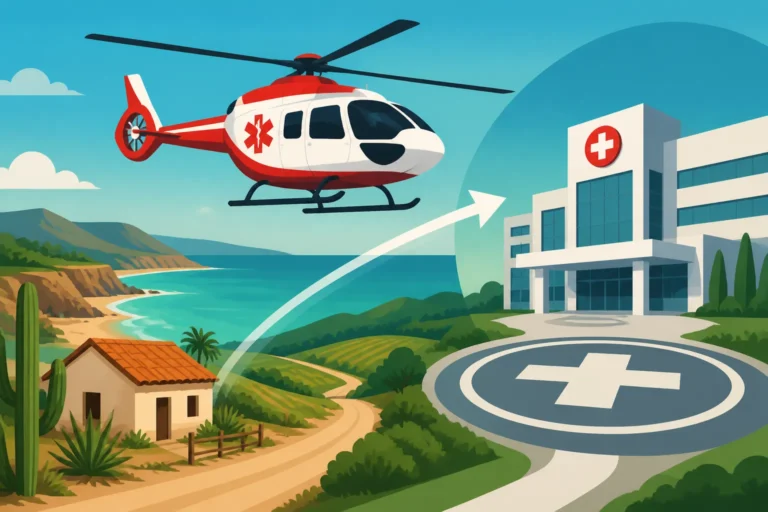
If a critical medication is completely unavailable nationwide, you may need to consult your doctor about transitioning to a different drug within the same class. In extreme cases where a highly specialized, life-saving medication cannot be found, having a premium health insurance policy like Cigna Global becomes invaluable. Their international medical concierge teams can often assist in locating the medication globally and arranging for its legal importation, or, in dire circumstances, they can coordinate a medical evacuation to a country where the necessary treatment is readily available.
Preparing for Medical Emergencies and Unexpected Events
The Importance of Having an Emergency Cash Reserve
While routine healthcare in Mexico is highly affordable, medical emergencies in the private sector operate strictly as a business. If an expat suffers a sudden heart attack, a severe car accident, or an emergency appendicitis, they will almost certainly be transported to a private hospital emergency room. Upon arrival, before any significant non-life-threatening treatment begins, the hospital administration will demand an upfront financial guarantee. This is a stark contrast to systems in the US or Europe, and it frequently catches new expats completely off guard.
Private hospitals will require you to leave an open credit card voucher or place a substantial cash deposit, often ranging from $1,000 to $3,000 USD, simply to be admitted for emergency diagnostics. You or a family member will also be required to sign a pagaré (promissory note), accepting full legal responsibility for the final bill. Therefore, it is an absolute necessity for every expat to maintain a dedicated, highly liquid emergency medical fund. Relying on a single credit card that might trigger a fraud alert due to a large, sudden foreign transaction is incredibly risky.
To manage this financial vulnerability, expats should ensure they have multiple high-limit travel credit cards and maintain a significant balance in a digital transfer service like Wise. Using Wise allows you to instantly transfer thousands of dollars from your home country bank directly into your Mexican bank account, or directly to the hospital’s financial department, utilizing the mid-market exchange rate. This guarantees that when the hospital demands a massive peso deposit at 2:00 AM, you have the immediate liquidity to secure the life-saving care you need without delay.
Stocking a Comprehensive First Aid Kit
Emergency preparedness begins inside your own home. Every expat household should maintain a comprehensive first aid and trauma kit, far exceeding the basic band-aids and antiseptic creams found in a typical travel kit. Because ambulance response times in Mexico can be unpredictable—especially in remote areas or dense, traffic-clogged cities—the medical interventions you can perform in the first ten minutes following an accident are critical.
Your home medical kit should include heavy-duty trauma shears, large sterile gauze rolls, adhesive athletic tape, butterfly closures for deep lacerations, and instantaneous cold packs to reduce severe swelling. Given the risk of foodborne illnesses, the kit must always be stocked with oral rehydration salts, potent anti-diarrheal medication, and antacids. If you live in an area prone to scorpions or venomous spiders, consult your local doctor about keeping specialized antihistamines or knowing exactly where the nearest clinic holding antivenom is located.
Furthermore, ensure your emergency kit contains a reliable digital thermometer, a blood pressure cuff, and a two-week emergency backup supply of all your daily prescription medications. We cover the logistics of building these kits and organizing your emergency contacts in deep detail in our article on Medical Emergencies in Mexico: What Expats Should Know and Prepare. A well-stocked kit, stored in a brightly colored, easily accessible location, provides profound peace of mind and tangible security.
Securing the Right Health Insurance Coverage
Ultimately, the most critical component of staying healthy and financially secure in Mexico is holding the correct health insurance. While paying cash for minor doctor visits and generic antibiotics makes perfect financial sense, self-insuring against a massive, catastrophic illness is a massive gamble. A prolonged stay in a private Mexican Intensive Care Unit, complicated cancer treatments, or complex neurological surgeries can easily generate bills exceeding $50,000 to $100,000 USD, rapidly wiping out a lifetime of retirement savings.
Expats generally have two primary options: local Mexican private insurance or an international global policy. Local policies are excellent for healthy individuals under the age of 64 who intend to stay in Mexico full-time. However, local insurers are notoriously strict about permanently excluding pre-existing conditions. For expats who travel frequently, spend half the year in their home country, or moved to Mexico later in life with pre-existing medical history, international policies from providers like Cigna Global are vastly superior.
An international policy provides true global portability, allowing you to seek world-class treatment in Mexico, your home country, or anywhere else on the globe. Crucially, these policies include robust medical evacuation benefits, ensuring that if you suffer a severe trauma in a remote Mexican village, a specialized medical jet will transport you to a major hub or repatriate you home without bankrupting your family. To thoroughly evaluate the pros and cons of these different insurance avenues, read our comprehensive guide on Health Insurance in Mexico: How Expats Can Get Coverage.
Preventive Health Summary Comparison
To help structure your approach to health in Mexico, review this quick reference guide to daily, monthly, and yearly preventive actions:
| Preventive Action | Frequency | Primary Strategy | Goal / Benefit |
| Water Purification | Daily | Use Garrafones or Reverse Osmosis UV systems | Prevent parasitic and heavy metal exposure |
| Produce Disinfection | Daily | Soak all raw fruits/veg in Microdyn for 20 mins | Prevent traveler’s diarrhea and amoebas |
| Sun Protection | Daily | Apply SPF 50+, avoid peak UV hours (11am-4pm) | Prevent severe sunburns and skin damage |
| Pest Control | Weekly | Eliminate standing water, use DEET repellents | Prevent Dengue, Zika, and Chikungunya |
| Diagnostic Labs | Bi-Annually | Walk-in blood work at Chopo or Salud Digna | Proactive monitoring of chronic conditions |
| Dental Exams | Bi-Annually | Schedule routine cleanings at a private clinic | Prevent major oral infections cost-effectively |
| Insurance Review | Annually | Consult broker, update policy, verify MedEvac | Ensure financial protection against catastrophes |
Mental Health and Wellness for Expats
Culture Shock and Expat Isolation
While physical health often dominates the conversation, maintaining robust mental health is an equally critical, yet frequently overlooked, aspect of a successful relocation to Mexico. The initial “honeymoon phase” of moving abroad—filled with endless tacos, sunshine, and margaritas—eventually fades, giving way to the complex realities of navigating a new culture, a new language, and deeply entrenched bureaucratic systems. This transition invariably triggers varying degrees of culture shock, characterized by frustration, anxiety, and a profound sense of isolation.
The language barrier is the most significant catalyst for expat isolation. If you cannot effectively communicate with your neighbors, the cashier at the grocery store, or the plumber fixing your sink, your world rapidly shrinks. This inability to express your personality or handle minor daily frictions can lead to a loss of identity and creeping depression. Acknowledging that culture shock is a normal, psychological response to massive environmental change is the first step in managing it.
To combat this isolation, aggressive integration is necessary. Taking dedicated Spanish classes, not just relying on translation apps, forces you to interact with locals and other expats facing the same challenges. Establishing a strict daily routine, volunteering with local animal shelters or community programs, and actively seeking out social interaction—even when it feels exhausting—builds the vital support network required to anchor your mental wellbeing in a foreign land.
Finding Therapists and Support Groups
When the stress of relocation, homesickness, or relationship strains become overwhelming, seeking professional mental health support is a crucial step. Historically, mental healthcare in Mexico was highly stigmatized, but the private sector has modernized rapidly, particularly in major cities and expat-heavy regions. Accessing therapeutic support is now easier than ever, though finding a culturally competent professional who speaks fluent English remains the primary challenge.
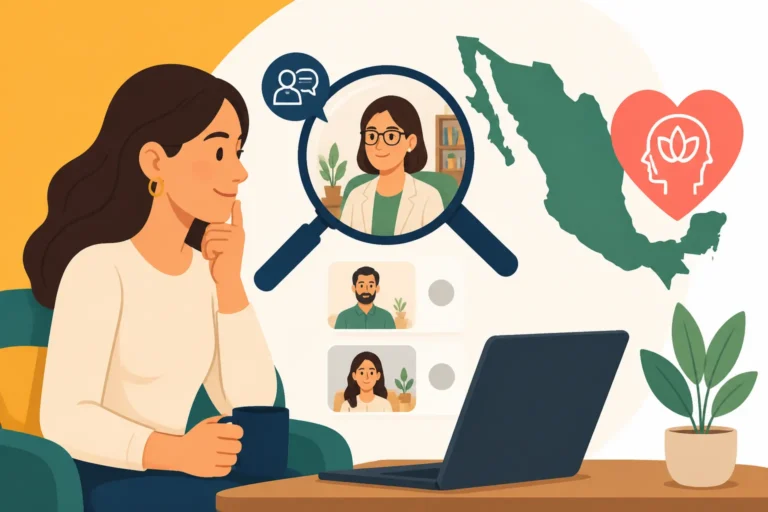
Many expats turn to online therapy platforms to connect with licensed psychologists and psychiatrists based in the US, Canada, or the UK, ensuring perfect language comprehension and cultural alignment. However, there is also a growing network of English-speaking therapists operating private practices within Mexico’s major expat enclaves like Ajijic, San Miguel de Allende, and Mexico City. These professionals, many of whom are expats themselves, are intimately familiar with the unique psychological pressures of living abroad and can offer highly targeted, localized counseling.
Furthermore, informal support groups play a massive role in expat mental wellness. Facebook groups, local community centers, and expat rotary clubs host regular meetups, coffee mornings, and specialized hobby groups. While these should not replace professional medical advice for severe depression or anxiety, the shared camaraderie and the ability to vent frustrations with people who “get it” act as a powerful pressure release valve, significantly improving your daily quality of life in Mexico.
Maintaining Physical Fitness and Joining Local Gyms
The profound connection between physical exercise and mental health is universal, and establishing a fitness routine in Mexico is vital for burning off the stress of culture shock and counteracting the heavily caloric (though delicious) local diet. Mexico offers a vast array of fitness options tailored to every budget and lifestyle, ensuring that expats have no excuse to remain sedentary.
Major Mexican cities are saturated with modern, highly equipped corporate gym chains like Smart Fit, Sport City, and Energy Fitness. Smart Fit, in particular, operates on a low-cost, high-volume model similar to Planet Fitness in the US, offering excellent equipment for less than $25 USD a month. For those seeking more specialized environments, boutique fitness studios offering Pilates, CrossFit, high-intensity interval training, and dedicated yoga shalas are incredibly popular, especially in coastal towns like Tulum and Sayulita.
Beyond structured gyms, integrating fitness into your daily Mexican life is highly rewarding. Many municipalities close major avenues on Sunday mornings (a program known as Muévete en Bici) to allow cyclists, runners, and rollerbladers to exercise safely without traffic. Joining a local running club or a recreational soccer (fútbol) league is not only excellent for cardiovascular health but serves as one of the fastest, most effective ways to break through the expat bubble, practice your conversational Spanish, and forge genuine friendships with the local Mexican community.
References
Primary sources (official)
- US Centers for Disease Control and Prevention (CDC) – Mexico Traveler Health: https://wwwnc.cdc.gov/travel/destinations/traveler/none/mexico
- Mexican Secretariat of Health (Secretaría de Salud): https://www.gob.mx/salud
Other helpful sources
- World Health Organization – Mexico Profile: https://data.who.int/countries/484
- US Embassy in Mexico – Medical Assistance: https://mx.usembassy.gov/medical-practitioners/
Disclaimer
The information provided in this article is for educational and informational purposes only and does not constitute professional medical, legal, or financial advice. Health risks, water safety guidelines, and medical procedures in Mexico are subject to change. Always consult with a certified medical professional regarding your specific health issues, strictly adhere to local water purification protocols, and speak to a licensed insurance broker before purchasing any health insurance policies.