How to Find a Therapist Who Works in English in Mexico
Moving to Mexico is often a dream, but the "culture shock wall" is real and it hits hard when you least expect it. I remember sitting in my kitchen in Oaxaca, feeling completely isolated because I couldn't explain my specific anxieties to a local friend who didn't quite grasp the nuances of my background. This guide provides a roadmap for finding high-quality, English-speaking mental health support so you don't have to navigate your transition alone.
Disclosure: This post may contain affiliate links. We may earn a commission at no extra cost to you if you make a purchase through these links. Read full disclosure.
The Unique Mental Health Challenges of Expat Life in Mexico
Living in Mexico offers incredible weather, vibrant culture, and a pace of life that many of us find far more sustainable than what we left behind. However, the administrative hurdles, the language barrier, and the distance from our primary support networks can take a heavy toll. Many expats experience a period of "limbo" where they feel they no longer fit in back home but haven't quite found their footing in their new community. This is where professional support becomes essential.
The frustration often stems from the small things: a late utility bill you don't know how to pay, a confusing interaction at the immigration office, or the persistent feeling of being an outsider. When these stressors pile up, they can lead to burnout, depression, or heightened anxiety. In these moments, you need a therapist who not only speaks your language but understands the specific cultural context you are navigating. It is helpful to look at the Healthcare in Mexico: Complete Guide for Expats (Public vs Private) to understand how mental health fits into the broader system.
One major hurdle is the emotional nuance required in therapy. While your Spanish might be "good enough" to buy groceries or negotiate a lease, expressing the deep-seated roots of your childhood trauma or the subtle complexities of a relationship is much harder in a second language. Working with an English-speaking therapist allows you to be your most authentic self, ensuring that no meaning is lost in translation. This is particularly important when dealing with Mental Health Resources: Finding English-Speaking Therapists in Mexico across different regions.
Where to Search for English-Speaking Therapists
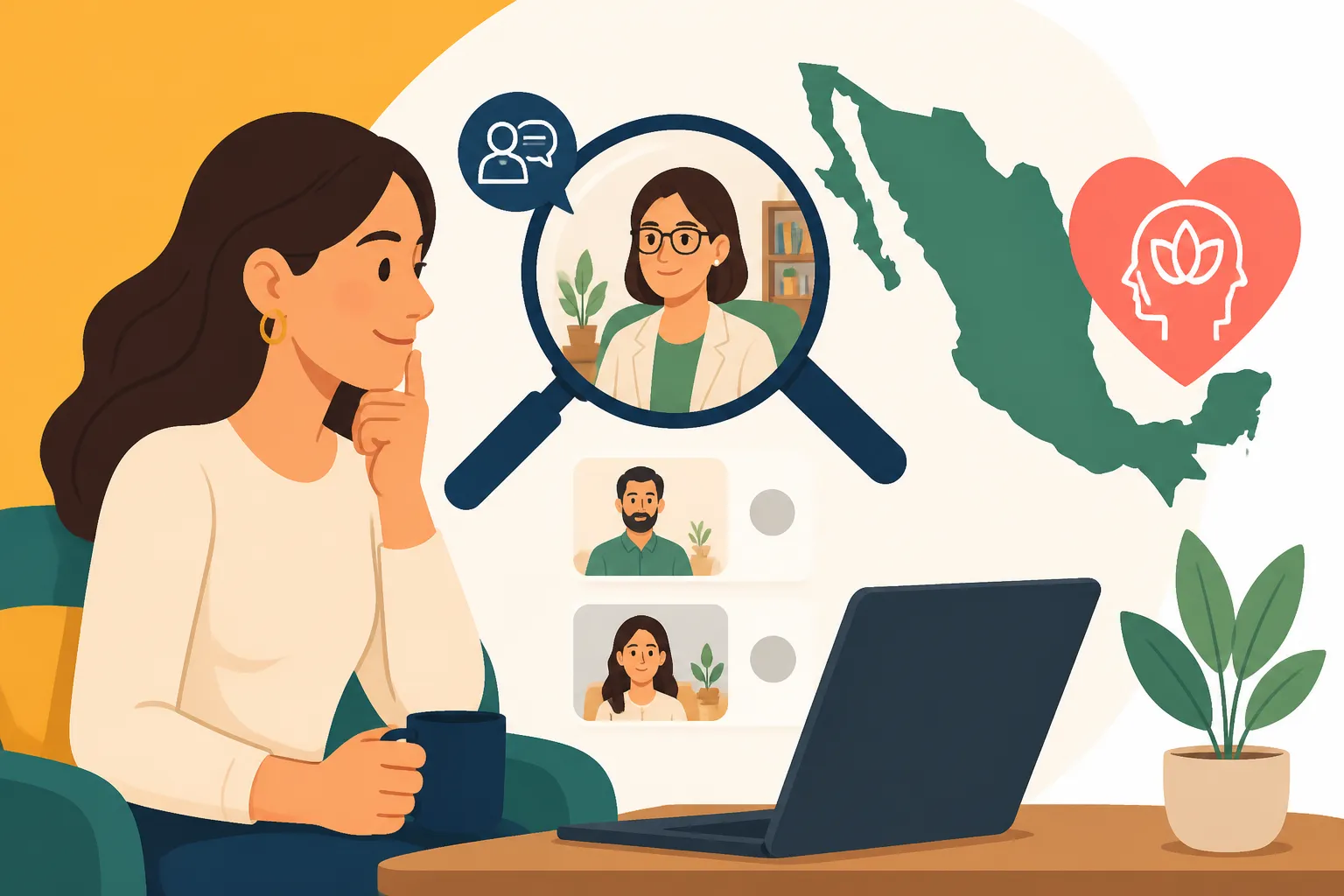
Finding a therapist in Mexico requires a multi-pronged approach. Unlike the U.S. or Canada, where you might simply look at a list provided by your insurance, the system here is more fragmented. You will likely start your search online, but word of mouth remains one of the most reliable ways to find a practitioner who truly understands the expat experience.
Psychology Today’s international directory is a fantastic starting point. You can filter by language, location, and specialization. Many therapists listed here are based in major hubs like Mexico City, Guadalajara, or San Miguel de Allende, but many also offer remote sessions. If you are living in a more remote area, Telemedicine in Mexico: Accessing Online Doctor Consultations as an Expat is a life-saver. It allows you to maintain consistency in your care even if you decide to travel or move to a different state.
Another excellent resource is the local expat Facebook groups. While you should take personal recommendations with a grain of salt, these communities often have "vetted" lists of professionals who have worked with foreigners for years. Be specific in your request: ask for someone who understands "adjustment disorder" or "expat-specific grief." If you are located in the capital, you might check Healthcare in Mexico City: Top Hospitals and Clinics for Expats for residential psychiatric or high-level psychological support.
For those with international coverage, providers like Cigna Global often have a network of preferred providers in Mexico. Using their portal can save you the headache of searching blindly. Similarly, many digital nomads use SafetyWing for their travel medical needs, and while they focus on emergencies, their support team can often point you toward reputable local clinics that cater to English speakers.
Professional Credentials and the Cédula Profesional
One of the most confusing aspects of seeking medical care in Mexico is verifying credentials. In Mexico, any professional—whether they are a doctor, lawyer, or psychologist—must have a "Cédula Profesional." This is a federal professional license number. Before you commit to a therapist, it is perfectly acceptable and actually encouraged to ask for their Cédula number.
You can verify this number online through the Mexican government’s "Búho Legal" or the official SEP (Secretaría de Educación Pública) portal. This ensures the person you are seeing has actually completed their required degree and social service. In Mexico, there are different levels of mental health professionals. A "Psicólogo" usually holds a bachelor's degree in psychology, while those with a "Maestría" or "Doctorado" have advanced specialized training.
If you require medication, you must see a "Psiquiatra" (Psychiatrist). In Mexico, psychologists cannot prescribe medication. If you are already on a regime, you may need a referral. Knowing How to Find an English-Speaking Doctor in Mexico can help you find a general practitioner who can co-manage your care with your therapist. Many expats find that the best approach is a "mancuerna" (team) consisting of an English-speaking psychologist for talk therapy and a psychiatrist for medication management.
| Type of Professional | Level of Education | Prescribing Power | Focus |
|---|---|---|---|
| Psicólogo Licenciado | Bachelor's Degree | No | General counseling and testing |
| Psicoterapeuta | Master's/Specialization | No | Deep talk therapy, CBT, EMDR |
| Psiquiatra | Medical Degree + Residency | Yes | Biopsychosocial model, medication |
| Coach de Vida | Varies/Unregulated | No | Goal setting and lifestyle changes |
Costs, Payment, and Using Your Insurance
The cost of therapy in Mexico is generally much lower than in the U.S. or Europe, but it varies significantly depending on the city and the therapist's experience. In a place like Mexico City, you might pay between 800 and 1,500 MXN per session for a private therapist. In smaller towns, this could drop to 500 or 600 MXN. If you are searching for Healthcare in Guadalajara: Medical Facilities and Services for Foreign Residents, expect prices to be slightly lower than in CDMX but higher than in rural areas.
Most private therapists in Mexico operate on a "cash-and-reimbursement" basis. This means you pay the therapist directly—often via cash or a SPEI bank transfer—and then submit the "factura" (official tax invoice) to your insurance company. This is where having a robust international plan like Cigna Global is incredibly beneficial, as they are accustomed to processing international claims.
If you are using a plan like SafetyWing, remember that they primarily cover new, unexpected illnesses or injuries. If your mental health needs are related to a pre-existing condition, you must check your policy details carefully. For long-term residents, looking into Private Health Insurance in Mexico: GNP, AXA, and Major Insurers is often the best way to ensure that mental health coverage is integrated into your overall healthcare budget.
Always ask for a "factura" if you plan to claim the expense on your taxes or insurance. To get a factura, you will need your RFC (tax ID number). If you don't have one yet, you can read up on the Health Insurance in Mexico: How Expats Can Get Coverage (2027) to see how residency status affects your access to these administrative tools.
Evaluating Cultural Fit and the First Session
The most important factor in the success of your therapy is the "therapeutic alliance"—the bond between you and your therapist. When you are an expat, this bond requires a therapist who understands that your "problems" might actually be normal reactions to a very abnormal situation (like moving to a foreign country).
During your first session, don't be afraid to interview the therapist. Ask them:
- Have you worked with many expats before?
- What is your understanding of culture shock?
- How do you handle sessions if I need to return to my home country for a month?
A good therapist in Mexico will be aware of the "cultural scripts" that differ between Mexico and your home country. For example, Mexican culture tends to be more "collectivist," whereas many expats come from "individualist" societies. A therapist who can bridge that gap and help you interpret your local interactions will be worth their weight in gold. You might also find it helpful to review Overcoming Language Barriers at the Doctor: Tips for Expats to prepare for those initial, sometimes awkward, conversations.
If you are living in a retirement community, your needs might be different. Those looking for Healthcare in San Miguel de Allende: Options in and Around the City often find therapists who specialize in "third-age" transitions, such as retirement, aging, and loss. Finding someone who specializes in your specific life stage is just as important as finding someone who speaks English.
Navigating the Stigma and Local Perspectives
Mental health stigma still exists in certain parts of Mexican society, though it is rapidly changing in urban areas. In some traditional circles, therapy is seen as something only for "gente loca" (crazy people). However, in the expat bubbles and middle-to-upper-class Mexican circles, therapy is widely accepted and even seen as a status symbol of self-improvement.
You should feel empowered to seek help. Mexico is a country that prizes social connection and warmth, but if you are struggling internally, that external noise can feel overwhelming. Don't wait until you are in a crisis to start looking for a therapist. Because the best English-speaking professionals often have waiting lists, it is wise to establish a relationship early in your move.
If you do find yourself in an immediate crisis, knowing how to navigate the system is vital. Refer to Medical Emergencies in Mexico: What Expats Should Know and Prepare for information on hospital admissions and emergency psychiatric care. Most large private hospitals have a psychiatrist on call who speaks English, though they may be more focused on stabilization than long-term therapy.
Finally, remember that your mental health is intrinsically tied to your physical health. The "Mexico glow" is real, but so is the exhaustion of living in a high-altitude city or a humid coastal town. Ensuring you are following Staying Healthy in Mexico: Essential Tips for Food, Water, and Preventive Care will give you the physical foundation needed to do the hard emotional work of therapy.
How to Handle Long-Term Care and Continuity
If you are a "snowbird" or a digital nomad who spends only part of the year in Mexico, continuity of care is your biggest challenge. Many therapists in Mexico are comfortable with a hybrid model—meeting in person while you are in the country and switching to Zoom or Skype when you are away.
However, you must be aware of the legalities. Some therapists are only licensed to practice with patients located in certain jurisdictions. Be upfront about your travel plans. If you are moving between the U.S. and Mexico, you might want to find a therapist who is licensed in both countries, though this is rare and usually more expensive.
For those staying long-term, building a local support system that includes a therapist, a group of friends, and perhaps a local hobby or "intercambio" (language exchange) will ensure your mental longevity. Mexico is a beautiful, complex, and sometimes frustrating place to live. Having a professional "interpreter" for your emotions can make the difference between a failed expat experiment and a lifelong love affair with your new home.
Disclaimer
This guide is for informational purposes only and does not constitute medical or psychological advice. Mental health regulations and professional requirements in Mexico can change. Always verify the credentials of any healthcare professional through official government channels (SEP/Cédula Profesional) and consult with your insurance provider regarding coverage and reimbursement policies. If you are experiencing a mental health emergency, please contact 911 or visit the nearest emergency room immediately.