Mental Health Resources: Finding English-Speaking Therapists in Mexico
Relocating to Mexico offers vibrant cultural experiences and an excellent lifestyle, but the transition can also trigger significant stress and anxiety. This guide provides comprehensive strategies for locating qualified, English-speaking mental health professionals to support your emotional well-being abroad.
Disclosure: This post may contain affiliate links. We may earn a commission at no extra cost to you if you make a purchase through these links. Read full disclosure.
Understanding the Mental Health Landscape in Mexico
Navigating a new country involves more than just figuring out your physical surroundings; it requires an understanding of the local healthcare environment, particularly regarding mental wellness. Mexico has a complex and evolving relationship with mental health care, shaped by cultural traditions, systemic infrastructure, and a rapidly growing international population. Understanding this landscape is the foundational step in finding the right support for your specific needs.
Cultural Attitudes Toward Therapy
Historically, mental health in Mexico has been heavily stigmatized, often viewed as a private family matter rather than a medical issue requiring professional intervention. In many traditional communities, seeking psychological help was misunderstood or associated only with severe psychiatric conditions. Consequently, many locals relied on family networks, religious leaders, or community elders for emotional support rather than licensed therapists or counselors.
However, these cultural attitudes are shifting rapidly, particularly in major metropolitan areas and younger demographics. Cities like Mexico City, Guadalajara, and Monterrey have seen a surge in mental health awareness campaigns, leading to a normalization of therapy. Psychology is now one of the more popular university degrees in the country, and the modern Mexican middle and upper classes increasingly view therapy as a standard component of overall wellness and personal development.
Despite this progress, expats might still encounter subtle cultural differences in how mental health is discussed outside of clinical settings. It is helpful to recognize that while your Mexican neighbors or colleagues might be deeply empathetic, they may not initially suggest professional therapy as a solution to stress or depression. Understanding this cultural backdrop helps expats manage their expectations and proactively seek out the specialized Finding English-Speaking Doctors and Specialists in Mexico networks that cater specifically to mental health.
Public vs Private Mental Health Sectors
The Mexican healthcare system is bifurcated into public and private sectors, and this division profoundly impacts how mental health services are delivered and accessed. The public healthcare system, primarily operated through the Instituto Mexicano del Seguro Social, does provide psychological and psychiatric services to its enrolled members. These services are essentially free at the point of use for legal residents who pay into the system through their employment or voluntary contributions.
However, the public mental health sector faces significant challenges. Facilities are often underfunded, leading to severe shortages of psychologists and psychiatrists. Wait times for a non-emergency therapy appointment can stretch into months, and sessions are typically brief and strictly focused on symptom management rather than deep, exploratory psychotherapy. Most crucially for expats, finding an English-speaking therapist within the public system is exceedingly rare, making it an impractical route for those who are not completely fluent in Spanish. For more context on navigating state-sponsored care, reading about Public Healthcare in Mexico: IMSS and IMSS Bienestar Explained for Expats is highly recommended.
Conversely, the private mental health sector in Mexico is robust, modern, and highly accessible. Private clinics and independent practitioners operate on a fee-for-service basis and offer immediate availability. In the private sector, therapists utilize diverse, evidence-based modalities ranging from Cognitive Behavioral Therapy to psychoanalysis. Because private practitioners cater to a broader, often international clientele, this is where expats will find the vast majority of bilingual and English-speaking mental health professionals.
The Growing Expat Demand for Psychological Services
The experience of moving to a new country is inherently stressful. Expats frequently deal with a phenomenon known as acculturative stress, which encompasses culture shock, language barriers, isolation from home support networks, and the bureaucratic hurdles of establishing a new life. This unique set of stressors creates a high demand for specialized psychological support among the foreign resident population in Mexico.
Many expats discover that unresolved issues from their home country can be amplified by the isolation of living abroad. The initial “honeymoon phase” of moving to a beautiful Mexican beach town or a vibrant colonial city eventually fades, leaving individuals to confront the realities of daily life in a foreign environment. Without a familiar support system, feelings of anxiety, depression, and relationship strain can surface, necessitating professional intervention.
In response to this growing demographic, a niche market of mental health professionals has emerged. These practitioners are often expats themselves or Mexicans who have studied abroad. They deeply understand the specific psychological toll of immigration, cross-cultural relationships, and the unique lifestyle of digital nomads and retirees. This specialized understanding makes their services incredibly valuable, as they offer not just language fluency, but cultural fluency and empathy for the expat journey.
Avenues for Finding English-Speaking Professionals
Once you decide to seek therapy, the next challenge is actually locating a qualified English-speaking professional in your area. While Google searches can provide a starting point, relying on localized strategies and community knowledge often yields better, more personalized results.
Expat Networks and Community Referrals
One of the most effective and reliable ways to find an English-speaking therapist in Mexico is through word-of-mouth within the expat community. Because the demand for these services is high, expats are usually very willing to share their recommendations and experiences. Community referrals provide a layer of vetting that you cannot get from a simple online directory, giving you insight into a therapist’s style, reliability, and effectiveness.
Social media groups are an invaluable resource for this process. Almost every major expat destination in Mexico has dedicated community forums. By posting a respectful, discreet inquiry in these spaces, you will likely receive direct messages with contact information for trusted local psychologists. If you prefer to remain entirely anonymous, you can search the group’s history, as questions about mental health professionals are frequently asked and answered.
Beyond digital spaces, local expat organizations, community centers, and even English-language lending libraries often maintain directories of bilingual health professionals. Engaging with these offline communities can connect you with holistic practitioners and counselors who may not have a strong online presence but possess excellent clinical reputations within the neighborhood.
Specialized Clinics in Major Cities and Hubs
If you reside in a major Mexican metropolis or a heavily populated expat hub, your options for finding an English-speaking therapist expand significantly. Cities like Mexico City, Guadalajara, Monterrey, Mérida, and the Riviera Maya region host specialized private clinics that intentionally cater to international patients, diplomats, and corporate expatriates.
These specialized clinics operate much like group practices in the United States or Canada. They often house a multidisciplinary team, including clinical psychologists, psychiatrists, and holistic counselors under one roof. The advantage of utilizing a dedicated international clinic is that the entire patient experience, from booking the appointment with the receptionist to dealing with billing and insurance, is conducted seamlessly in English. You can learn more about finding these comprehensive facilities in guides like Healthcare in Mexico City: Top Hospitals and Clinics for Expats.
While independent practitioners might be harder to locate in smaller towns, these major clinics frequently offer hybrid models. They serve local residents in person while also providing services to expats living in more remote coastal or mountain towns via digital platforms. This centralization of bilingual mental health talent ensures that high-quality care is available regardless of your exact zip code.
Utilizing Online Directories and Teletherapy Platforms
The global shift toward remote healthcare has profoundly impacted how expats in Mexico access therapy. If you live in a rural area or simply cannot find a local therapist who is a good fit, online directories and teletherapy platforms provide immediate access to a global pool of mental health professionals. Teletherapy has erased geographical boundaries, allowing you to prioritize the therapist’s expertise over their physical location.
There are several directories specifically designed to connect therapists with international clients. Platforms like Psychology Today allow you to filter practitioners not just by language, but by specialty, therapy modality, and even their familiarity with expat issues. Additionally, massive teletherapy platforms offer subscription-based counseling services. While these platforms assign you a therapist based on a questionnaire, they guarantee English-language support and are often highly flexible with scheduling.
When engaging with international teletherapy, you will need a reliable way to manage cross-border payments. Many independent therapists located abroad or tele-health platforms require payment in USD or Euros. Utilizing financial tools like Wise allows expats to transfer funds internationally with minimal conversion fees, ensuring that paying for your weekly online therapy sessions remains cost-effective and straightforward. For broader information on digital healthcare, explore Telemedicine in Mexico: Accessing Online Doctor Consultations as an Expat.
Evaluating Qualifications and Licensing
Finding an English-speaking therapist is only the first step; ensuring they are appropriately qualified and legally licensed to practice in Mexico is critical. The regulatory framework for mental health professionals in Mexico differs from that in the US, Canada, or Europe, requiring expats to do their due diligence.
Decoding Mexican Psychology Credentials
In Mexico, the foundational requirement to practice psychology is a Licenciatura en Psicología, which is roughly equivalent to a Bachelor’s degree in Psychology, though it typically involves a more intense, specialized curriculum and a mandatory period of social service. Upon completing this degree, the professional must obtain a Cédula Profesional from the Secretaría de Educación Pública.
The Cédula Profesional is the absolute minimum legal requirement to practice as a psychologist in Mexico. It serves as both a professional license and an identification card. As a patient, you have the right to ask for a therapist’s Cédula number and verify it through the official government online registry. If a practitioner cannot or will not provide this number, it is a significant red flag, and you should seek care elsewhere.
However, a basic Licenciatura does not necessarily mean the individual has advanced clinical training in psychotherapy. Many dedicated therapists go on to earn a Maestría or a Doctorado in specific clinical modalities, such as psychoanalysis, family therapy, or cognitive-behavioral therapy. Expats should inquire about a therapist’s post-graduate training and supervised clinical experience to ensure they have the depth of knowledge required for effective mental health treatment.
International Certifications and Training
Because many expats prefer therapy styles they are familiar with from their home countries, finding a therapist with international certifications is highly desirable. Mexico is home to many mental health professionals who have completed parts of their education or clinical residencies in the United States, Canada, or Europe. These individuals bring a valuable blend of local licensing and international clinical standards.
You will often find therapists in Mexico who are certified by international bodies, such as the American Psychological Association or various European psychoanalytic societies. These international affiliations indicate a commitment to continuing education and adherence to global ethical standards. Furthermore, many expat therapists move to Mexico after having full, active licenses in their home jurisdictions. For example, a Licensed Clinical Social Worker from California might relocate to Puerto Vallarta and continue to offer therapy to the expat community.
When verifying these credentials, do not hesitate to ask the practitioner directly about their background. A qualified professional will be completely transparent about where they studied, what licenses they hold, and the regulatory bodies they report to. This transparency is crucial for building trust, especially if you are seeking treatment for complex trauma or require psychiatric medication, a process detailed in Access to Mental Health Medications: How Easy Is It to Get Antidepressants.
Ensuring a Good Cultural and Therapeutic Fit
Credentials and language fluency are objective measures, but therapeutic success largely depends on the subjective “fit” between the client and the therapist. Cultural competence plays a massive role in this dynamic. A therapist must not only understand your language but also the cultural context of your concerns, your background, and your value system.
For example, an expat dealing with the guilt of living far away from aging parents might find that a Mexican therapist, coming from a culture with profound family enmeshment, might interpret that guilt differently than a therapist from a highly individualistic Western culture. Neither perspective is wrong, but the therapeutic approach will differ. You need to assess whether the therapist’s cultural lens aligns with your needs or provides a helpful counter-perspective.
During your initial consultation, evaluate the therapist’s communication style. Do they actively listen without judgment? Do they understand the specific nuances of expat life without needing extensive explanations? Building a strong therapeutic alliance requires mutual respect and a shared understanding of your goals. If the fit does not feel right after a few sessions, it is perfectly acceptable to seek a different professional. Overcoming linguistic and cultural hurdles in medical settings is common, as discussed in Overcoming Language Barriers at the Doctor: Tips for Expats.
Costs, Insurance, and Financial Considerations
Budgeting for mental health care is a crucial aspect of your overall financial planning as an expat. The costs associated with therapy in Mexico are generally lower than in North America or Northern Europe, but they can still accumulate quickly, especially if you require frequent sessions or psychiatric interventions.
Out-of-Pocket Expenses for Private Therapy
The vast majority of expats pay for their mental health therapy out of pocket. In the private sector, the cost of a standard 50-minute therapy session varies widely based on the practitioner’s qualifications, the city, and the language of service. Generally, an English-speaking therapist with international credentials will charge a premium compared to a local, Spanish-speaking psychologist.
In smaller towns or less tourist-heavy areas, you might find bilingual counselors charging between 600 and 1,000 Mexican Pesos per session. However, in major expat hubs like Mexico City, Los Cabos, or specialized clinics in San Miguel de Allende, fees typically range from 1,200 to 2,500 Pesos per session. Psychiatrists, who are medical doctors capable of prescribing medication, will charge significantly more for initial assessments and follow-up consultations. You can compare these specialized costs with general medical expenses by reading Healthcare Costs in Mexico: Doctor Visits, Hospital Stays, and Surgery Expenses.
When managing these recurring out-of-pocket expenses, efficient currency conversion is vital if your income originates abroad. Using platforms like Wise to transfer funds from your home bank account directly to your Mexican bank account or the therapist’s local account ensures you receive the mid-market exchange rate, saving you substantial amounts in hidden bank fees over the course of your treatment.
Navigating International Health Insurance Coverage
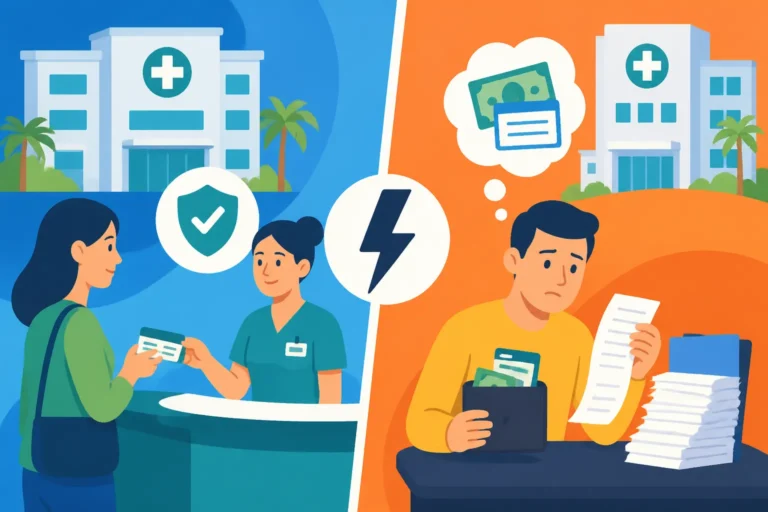
While many local Mexican health insurance plans exclude routine mental health care or offer very limited coverage, high-quality international health insurance policies often provide comprehensive mental wellness benefits. If you hold a global expat policy, you may be able to significantly offset the costs of your therapy and psychiatric care.
Providers like Cigna Global are renowned for offering modular plans that include mental health support. Depending on the tier of your policy, this can cover outpatient psychologist visits, psychiatric consultations, and even inpatient mental health care in severe crises. It is imperative to read your policy’s fine print, as there may be waiting periods, session caps, or requirements for a primary care doctor’s referral before you can see a specialist.
When utilizing international insurance, check whether the provider operates on a direct billing network with clinics in Mexico or if you must pay upfront and file a claim for reimbursement. Keeping meticulous records, requesting official Mexican tax invoices known as facturas from your therapist, and ensuring all clinical diagnoses are clearly documented are essential steps for successful insurance reimbursement. For a broader comparison of coverage options, consult Choosing Private Health Insurance: Local Mexican Plans vs International Coverage.
Cost-Effective Alternatives and Support Groups
If private, one-on-one therapy falls outside your budget, there are alternative avenues for seeking mental health support in Mexico. Group therapy is becoming more common in expat communities, offering a lower-cost option while simultaneously addressing feelings of isolation by connecting you with others facing similar challenges.
Many expat enclaves have formalized support groups facilitated by licensed counselors or trained volunteers. These groups often focus on specific topics, such as adjusting to retirement, managing chronic illness abroad (a topic linked to Managing Chronic Illness in Mexico: Access to Medication and Specialists), or overcoming substance abuse. These community resources provide vital emotional scaffolding at a fraction of the cost of private clinical therapy.
| Therapy Option | Estimated Cost per Session | Language Availability | Wait Time | Ideal For |
| Public System (IMSS) | Free (with enrollment) | Spanish almost exclusively | 1 to 3+ Months | Fluent Spanish speakers with extreme budget constraints. |
| Local Private Psychologist | $600 – $1,200 MXN | Spanish, limited English | 1 to 2 Weeks | Bilingual expats seeking cultural immersion and lower private costs. |
| Expat-Focused Clinic | $1,200 – $2,500 MXN | Fluent English guaranteed | 3 to 7 Days | Expats needing immediate, high-quality care in their native language. |
| International Teletherapy | $60 – $150 USD | Any language | Immediate | Nomads, rural expats, or those using international accounts like Wise. |
Alternative and Holistic Mental Wellness Support
Mental health is not solely confined to the therapist’s office. Many expats discover that Mexico offers a rich tapestry of holistic and alternative wellness practices that complement traditional psychological care. Integrating these approaches can provide a more comprehensive strategy for managing stress and achieving emotional balance.
Traditional Mexican Healing Practices
Mexico has a profound history of indigenous medicine and traditional healing practices that address the mind-body connection. While these should not replace clinical psychiatric care for severe mental illness, many expats find immense psychological relief and grounding in these ancient traditions. Practices such as the Temazcal, a traditional Mesoamerican sweat lodge, are designed to purify the body and release emotional blockages through intense heat, chanting, and herbal steam.
Working with a Curandero, or traditional healer, is another avenue some expats explore for emotional distress. Curanderos use a combination of herbalism, spiritual cleansing, and counseling to restore balance to a person’s energy. While approaching these practices requires respect and cultural sensitivity, they offer a deeply localized way to address anxiety and feelings of disconnection. You can read more about integrating these practices in Alternative Medicine in Mexico: Traditional Remedies and Treatments.
It is crucial to approach traditional healing as a complementary therapy. Open communication with your licensed psychologist about any alternative treatments you are pursuing ensures that your overall mental health strategy remains safe, cohesive, and effective.
Integrating Supplements and Nutritional Support
The connection between diet, nutritional deficiencies, and mental health is well-documented. The stress of moving to a new country can disrupt your eating habits, and adjusting to a new climate or food system can sometimes lead to imbalances that exacerbate anxiety or mood swings. Supporting your nervous system through targeted nutritional supplementation is a proactive step many expats take to maintain emotional equilibrium.
While Mexican pharmacies are well-stocked with basic vitamins, finding high-quality, specialized mood-supporting supplements like pure Ashwagandha, specific strains of probiotics for gut-brain health, or standardized St. John’s Wort can sometimes be challenging locally. For these specific holistic needs, expats frequently rely on international retailers. Platforms like iHerb are highly utilized in Mexico because they offer reliable, direct shipping of premium, verified supplements that support cognitive function and stress reduction.
Before beginning any new supplement regimen, especially if you are taking prescription antidepressants or anti-anxiety medications, it is vital to consult with a healthcare professional to avoid dangerous interactions. Holistic wellness should be an integrated part of your healthcare plan, supported by reliable access to quality products through services like iHerb and overseen by your medical team.
Retreats and Wellness Communities
Finally, Mexico is a global destination for wellness retreats, offering everything from silent Vipassana meditation courses to yoga and mindfulness immersion programs. Taking a week away from the daily grind to focus entirely on mental clarity, nervous system regulation, and physical health can be a transformative experience for an overwhelmed expat.
Regions like Tulum, Mazunte, and Tepoztlán are famous for their dense concentrations of wellness centers. These communities offer structured environments where expats can engage in intensive mindfulness training, breathwork, and somatic therapies. These retreats provide a reset button, equipping participants with coping mechanisms and stress-reduction techniques that they can integrate into their daily lives back home.
Whether you choose a clinical setting supported by international insurance like Cigna Global, or a holistic retreat nestled in the mountains, the key to mental wellness in Mexico is proactivity. By understanding the available resources and building a customized support system, you can ensure that your expat journey remains a positive, enriching experience.
References
Primary sources (official)
- Cédula Profesional Registry (Secretaría de Educación Pública): https://www.gob.mx/cedulaprofesional
- Mexican Ministry of Health (CONASAMA – National Commission for Mental Health and Addictions): https://www.gob.mx/conasama
Other helpful sources
- International Therapist Directory: https://internationaltherapistdirectory.com/
- Psychology Today Mexico Directory: https://www.psychologytoday.com/mx/psicologos
Disclaimer
The information provided in this article is for educational and informational purposes only and does not constitute medical or psychiatric advice. Mental health laws, licensing requirements, and insurance policies change frequently in Mexico. Always consult with a qualified, licensed mental health professional or a medical doctor regarding any psychological symptoms or treatment plans. If you are experiencing a mental health emergency, contact local emergency services immediately.