Alternative Medicine in Mexico: Traditional Remedies and Treatments
Discover the rich heritage of alternative medicine in Mexico, from indigenous herbal remedies to traditional healers. This guide helps expats navigate local apothecaries, understand holistic therapies, and safely integrate ancient healing practices with modern healthcare for a balanced lifestyle abroad.
Disclosure: This post may contain affiliate links. We may earn a commission at no extra cost to you if you make a purchase through these links. Read full disclosure.
The Roots of Traditional Mexican Medicine
Mexico possesses one of the most vibrant and deeply rooted traditional medical cultures in the world. Long before the arrival of modern allopathic medicine, indigenous populations across Mesoamerica developed highly sophisticated systems for diagnosing and treating ailments. Today, this rich heritage is not merely a historical footnote; it remains an active, vital component of everyday healthcare for millions of Mexicans.
Understanding Curanderismo and Local Healers
The practice of traditional Mexican medicine is broadly referred to as curanderismo. At the center of this practice is the curandero, a holistic healer who addresses the physical, spiritual, and emotional aspects of an illness. Unlike modern Western medicine, which often compartmentalizes the body into distinct biological systems and treats isolated symptoms, curanderismo views health as a delicate, intricate balance between the individual, their community, and the natural environment. To a curandero, a physical ailment is almost always the manifestation of a deeper energetic or spiritual imbalance.
Curanderos often specialize in specific modalities, operating much like the specialized medical departments in modern clinics. A yerbero is an expert in medicinal plants, roots, and herbal remedies. A sobador acts similarly to a physical therapist or massage therapist, manipulating muscles to relieve deep physical tension and correct digestive issues. A huesero focuses on bone setting and joint alignment, functioning as a traditional chiropractor. Finally, a partera is a traditional midwife who provides holistic prenatal care and assists with childbirth, a highly respected practice that many expats are now actively seeking out, as detailed in our comprehensive guide on Women’s Health and Maternity Care in Mexico: What Expats Should Know.
The Philosophy of Hot and Cold Illnesses
To effectively utilize and understand traditional Mexican medicine, expatriates must grasp the underlying humoral theory of hot and cold. In this ancient diagnostic system, illnesses are categorized not just by their physical symptoms, but by their intrinsic energetic temperature. For example, a fever, an acute infection, or a severe skin rash is universally considered a “hot” illness. Conversely, a common cold, joint stiffness, or chronic fatigue is categorized as a “cold” illness.
The fundamental treatment protocol relies entirely on the principle of opposites. A hot illness must be treated with “cold” remedies, such as cooling herbal poultices, specific cooling foods, and hydration. A cold illness requires “hot” remedies like warming herbal teas, ginger, or vigorous, heat-generating massage. Understanding this cultural nuance will help expats navigate the well-meaning advice from local friends, neighbors, or domestic workers who may suggest seemingly unconventional dietary restrictions or botanical remedies for common everyday ailments.
Cultural Significance for Modern Expats
For newly arrived expatriates, adjusting to a medical culture that deeply respects indigenous healing can require a significant paradigm shift. In many North American and European countries, alternative medicine is often relegated to the fringes of society or viewed with extreme clinical skepticism. In Mexico, however, utilizing a traditional healer or an herbal remedy is not considered a rejection of modern science, but rather a practical, deeply respected complement to it.
Expats who approach this cultural dynamic with an open mind often find profound comfort and healing in the holistic approach. Traditional Mexican medicine emphasizes the patient’s emotional state, requiring healers to spend significant time talking with the patient, offering reassurance, and performing rituals that reduce severe anxiety. This empathetic, unhurried bedside manner stands in sharp contrast to the fast-paced, highly clinical environment of modern corporate healthcare, providing a deeply humanizing experience for foreigners navigating health challenges far from home.
Herbal Remedies and Local Apothecaries
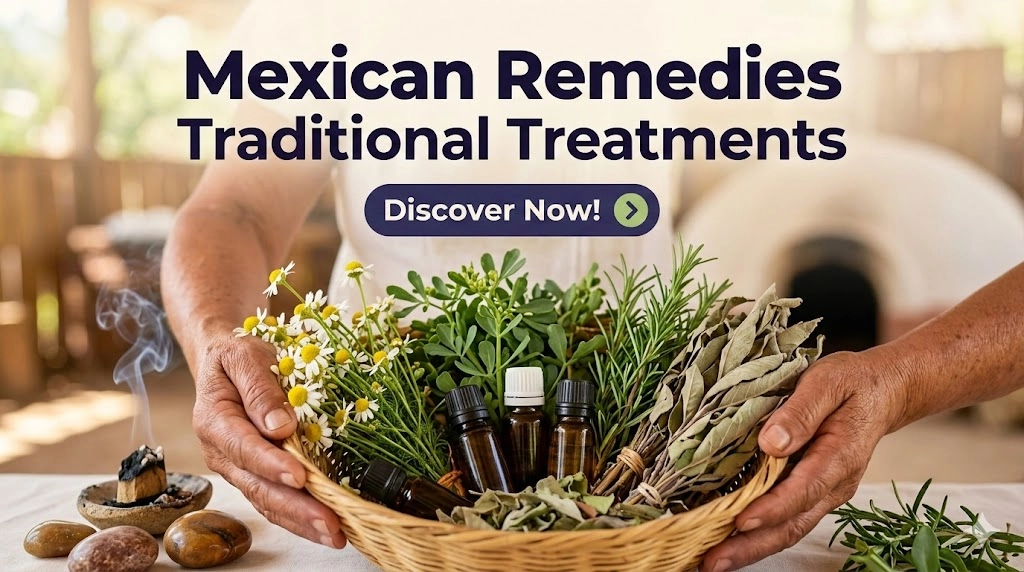
Herbalism, known locally as herbolaria, is the absolute cornerstone of alternative medicine in Mexico. The country’s immense geographical biodiversity has provided traditional healers with a massive, highly effective pharmacopeia of thousands of medicinal plants, many of which have been rigorously scientifically validated for their active therapeutic compounds.
Exploring the Hierberia
If you visit any traditional municipal market in Mexico, you will inevitably encounter a hierbería or botánica. These are specialized, highly aromatic apothecary stalls overflowing with bundles of dried leaves, barks, roots, therapeutic resins, and seeds. The vendors operating these stalls are not simply merchants; they possess encyclopedic, generational knowledge of their inventory and the specific botanical properties of each plant.
When visiting a hierbería, you can simply describe your symptoms, such as a persistent dry cough, severe menstrual cramps, or chronic indigestion, and the vendor will skillfully custom-blend a mixture of raw herbs for you to brew into a therapeutic tea at home. Engaging with these vendors is a fantastic way to immerse yourself in local culture and discover natural remedies that have been utilized successfully for centuries to treat common, non-emergency ailments without relying on synthetic pharmaceuticals.
Common Mexican Medicinal Plants
Many of the plants used in everyday Mexican herbolaria are highly effective for treating minor ailments and supporting foundational wellness. Understanding the local names and traditional uses of these plants empowers expats to build their own natural first-aid kits. Below is a comparative overview of some of the most popular medicinal plants you will encounter during your residency in Mexico.
| Plant Name | Local Spanish Name | Traditional Application | Modern Scientific Context |
| Chamomile | Manzanilla | Brewed as a tea for stomach aches, colic, and severe anxiety. | Contains apigenin, an antioxidant that binds to brain receptors to promote sleep and reduce inflammation. |
| Aloe Vera | Sábila | Applied topically for sunburns; consumed internally for gastritis. | Rich in mucilage and glycoproteins that coat and soothe the digestive tract and repair skin tissue. |
| Arnica | Árnica | Used as a salve or tincture for severe bruising, sprains, and joint pain. | Contains helenalin, an active compound with potent anti-inflammatory and analgesic properties. |
| Nopal (Prickly Pear) | Nopal | Eaten raw or juiced to manage blood sugar and reduce cholesterol. | High in soluble fiber and pectin, which slow the absorption of sugar in the intestinal tract. |
| Cuachalalate | Cuachalalate | Bark is boiled to treat severe gastric ulcers and digestive infections. | Demonstrates strong gastroprotective and antibacterial properties, particularly against H. pylori. |
Sourcing Supplements Safely
While buying raw herbs from an open-air market is an authentic cultural experience, it can be intimidating for newcomers who prioritize strict clinical precision. There are valid concerns regarding proper standardized dosage, potential pesticide residue on agricultural products, and the accurate, scientific identification of the plants. Boiling a handful of bark provides an unknown concentration of active ingredients, which can be problematic if you are trying to manage a specific, chronic symptom.
For expats who prefer to explore traditional botanical remedies but absolutely require strict, laboratory-grade quality control, utilizing global e-commerce platforms like iHerb is a highly practical and secure solution. By ordering through iHerb, you can source standardized, third-party tested extracts of traditional herbs, ensuring you receive the exact therapeutic dose without the uncertainty of an unregulated market stall. This modern sourcing strategy seamlessly complements the advice found in Pharmacies in Mexico: How to Get Medications, allowing expats to build a safe, reliable, and highly effective home apothecary.
Spiritual and Energy Healing Practices
Beyond physical herbalism, Mexican alternative medicine places a massive emphasis on spiritual and energetic healing. These practices are designed to cleanse the mind, release emotional trauma, and restore the invisible energetic fields that traditional healers believe dictate our physical health and overarching vitality.
The Role of Temazcal Ceremonies
One of the most profound and popular alternative therapies in Mexico is the temazcal. Originating from pre-Hispanic indigenous cultures, a temazcal is a traditional Mesoamerican sweat lodge. Participants enter a small, dome-shaped structure constructed from volcanic stone or adobe. A trained guide, known as a temazcalero, pours water infused with aromatic medicinal herbs, such as eucalyptus, rosemary, and copal, over scorching hot volcanic rocks placed in the center of the structure.
The resulting intense, herbal steam facilitates a massive physical detoxification process through profuse sweating. However, the temazcal is much more than a simple physical sauna; it is a deeply spiritual, guided ceremony. The structure represents the womb of Mother Earth. Through chanting, rhythmic drumming, and guided meditation in the complete darkness, participants are encouraged to confront their emotional blockages, release deep-seated trauma, and experience a symbolic rebirth upon exiting the lodge. Many expats find this intense practice incredibly clarifying for mental health and stress reduction.
Limpias and Energy Cleansing
Another ubiquitous practice in Mexican traditional medicine is the limpia, or spiritual cleansing. According to curanderismo, negative energy, intense envy from others, or sudden emotional shocks can physically attach to a person’s aura, causing an illness known as susto (fright) or mal de ojo (evil eye). Symptoms of these energetic afflictions often include chronic lethargy, inexplicable bad luck, sudden insomnia, and persistent, low-grade depression.
To cure this, a curandero performs a limpia. This ritual typically involves the healer vigorously sweeping the patient’s body with a bundle of strong, aromatic herbs—usually pirul, basil, and rosemary—to physically brush away the stagnant energy. The most iconic element of a limpia involves the healer rolling an intact, raw chicken egg over the patient’s skin. The egg is believed to act as a metaphysical sponge, absorbing the negative vibrations. The healer then cracks the egg into a glass of water and visually “reads” the yolks and egg whites to diagnose the specific source of the spiritual affliction.
Evaluating Psychological Benefits
From a strictly Western, allopathic perspective, rubbing an egg on one’s arm does not cure a biological virus. However, anthropologists and integrative medical professionals widely acknowledge the profound, undeniable psychological benefits of these highly ritualistic healing practices. The power of the placebo effect, combined with the intense, focused empathy provided by the curandero, frequently results in genuine, measurable physiological relief for the patient.
Participating in a deeply symbolic ritual like a limpia or a temazcal helps individuals externalize their internal anxiety, physically symbolizing the release of their emotional burdens. For expats dealing with the intense, often overwhelming stress of relocating to a foreign country, adjusting to a new language, or battling homesickness, these practices offer a powerful, culturally immersive form of psychological relief. For those requiring more conventional psychiatric support alongside these rituals, reviewing Access to Mental Health Medications: How Easy Is It to Get Antidepressants? provides the necessary modern medical context.
Integrating Holistic Treatments with Modern Healthcare
The relationship between traditional indigenous healing and modern allopathic medicine in Mexico is surprisingly collaborative. Rather than dismissing alternative medicine entirely, many progressive Mexican healthcare institutions recognize its profound cultural significance and are actively finding ways to integrate it.
The Official Government Stance on Traditional Medicine
Unlike many Western governments that maintain a strict, legally combative stance against uncertified healers, the Mexican Secretariat of Health formally recognizes the value of traditional medicine. The government maintains a dedicated Directorate of Traditional Medicine and Intercultural Development. This body aligns closely with the World Health Organization’s global strategy to respectfully integrate traditional, complementary, and integrative medicine into standard primary healthcare networks.
In several rural and heavily indigenous regions across the country, you will find mixed-model intercultural hospitals. In these unique facilities, modern physicians and surgeons work directly alongside traditional parteras and herbalist curanderos to provide culturally appropriate care. A patient might receive modern intravenous antibiotics for an infection while simultaneously being allowed to consult a traditional healer for emotional support and herbal pain management. To understand how these dynamic models fit into the broader national infrastructure, reviewing Healthcare in Mexico: Complete Guide for Expats Public vs Private is highly recommended.
Finding Integrative Doctors
For modern expatriates, the ideal healthcare strategy often involves building a highly personalized, integrative medical team. This means finding a modern, board-certified physician for accurate diagnostic testing, blood work, and acute interventions, while simultaneously utilizing alternative therapies—such as acupuncture, traditional sobada massages, or herbal medicine—to manage chronic pain, reduce daily stress, and prevent lifestyle diseases.
Locating doctors who support this integrative approach is becoming increasingly easy in major expat hubs like Mexico City, Puerto Vallarta, and San Miguel de Allende. Many modern Mexican physicians are open to discussing holistic regimens and will not automatically dismiss your desire to utilize botanical remedies. You can utilize resources like Finding English Speaking Doctors and Specialists in Mexico to identify progressive, bilingual physicians who respect the synergistic relationship between modern science and traditional wellness.
Bridging the Gap for Expats
Building an integrative healthcare model requires proactive communication and careful curation of your resources. Expats must be transparent with their modern doctors about any traditional herbs or holistic therapies they are utilizing to prevent dangerous drug interactions. Once a safe, collaborative treatment plan is established, expats can fully leverage the best of both worlds.
While local markets provide incredible access to fresh medicinal plants, maintaining a highly specific, clinical-grade nutritional regimen often requires sourcing products from abroad. To ensure they never compromise on their foundational wellness, health-conscious expats frequently utilize iHerb to import their preferred, standardized vitamins, specialized probiotics, and familiar organic supplements directly to Mexico. By combining the cheap, frequent scientific data provided by local Mexican doctors with premium, specialized nutritional supplements globally sourced through iHerb, expats create a sophisticated, highly optimized health strategy that allows them to thrive in their new environment.
Important Safety and Legal Considerations
While exploring alternative medicine in Mexico is an enriching, culturally fascinating experience, expats must approach it with a healthy dose of pragmatism, strict boundaries, and critical safety measures. Not all alternative therapies are safe, and not all practitioners possess the ethical expertise to treat severe conditions.
Knowing the Limits of Alternative Medicine
The golden, absolute rule of integrating alternative medicine is recognizing its strict clinical limits. Traditional remedies and holistic therapies are exceptionally useful for preventative care, managing mild chronic discomfort, soothing psychosomatic stress, and supporting overall foundational wellness. However, they are never, under any circumstances, a viable substitute for modern medical intervention in the face of acute physical trauma, severe bacterial infections, or aggressive, fast-moving diseases like cancer.
If you experience sudden, crushing chest pain, a complex bone fracture, or the terrifying symptoms of a stroke, bypassing a modern emergency room to seek out a traditional healer can have fatal consequences. Expatriates must establish a clear, uncompromising emergency action plan before a crisis actually occurs. For a comprehensive breakdown of how to rapidly navigate these critical, life-or-death situations, read Medical Emergencies in Mexico: What Expats Should Know and Prepare. Furthermore, if you are actively managing a severe ongoing disease, you must always disclose your use of traditional herbs to your primary specialist, a topic thoroughly covered in Managing Chronic Illness in Mexico: Access to Medication and Specialists.
Avoiding Scams and Ensuring Safe Practices
The lack of strict, overarching federal regulation in the traditional healing space means that charlatans, fake shamans, and opportunistic scammers do exist. This is particularly prevalent in areas heavily populated by spiritual tourists seeking rapid psychological awakenings or mystical cures, such as Tulum or certain parts of Oaxaca.
When seeking an alternative practitioner, expats must rely heavily on word-of-mouth recommendations from long-term expatriates and trusted local Mexican residents. A legitimate curandero or sobador will almost always have a stellar, quiet reputation within their specific neighborhood, rather than a flashy, expensive marketing campaign aimed at foreigners. Be exceptionally wary of any alternative practitioner who demands massive, upfront cash payments for “miracle cures” or aggressively urges you to abandon your conventional, life-saving medical treatments entirely.
Managing Payments for Holistic Care
The traditional and alternative medicine sector in Mexico operates almost exclusively as a cash-based economy. Whether you are paying a local vendor for a custom herbal blend at the municipal market, compensating a curandero for a spiritual limpia, or booking an intensive weekend temazcal retreat, you will rarely, if ever, be able to swipe a foreign credit card or utilize international health insurance.
Managing the ongoing cash flow required for these holistic wellness services requires efficient financial planning. Constantly pulling cash from local ATMs using a foreign bank card subjects expats to terrible, marked-up currency conversion rates and steep international withdrawal fees. Financially savvy expats completely circumvent this friction by utilizing highly secure, digital multi-currency platforms like Wise.
By setting up a Wise account, expats can instantly and securely transfer funds from their home country savings into a localized Mexican Peso balance at the true, mid-market exchange rate. You can then use a debit card linked to your Wise account at local ATMs to withdraw exactly the cash you need to pay your holistic practitioners, or seamlessly transfer funds directly to a wellness center’s local bank account. This ensures that your holistic healthcare budget is spent entirely on your physical healing rather than enriching traditional banking institutions. For a complete understanding of how these holistic choices impact your overall medical budget and long-term financial strategy, review Healthcare Costs in Mexico: Doctor Visits Hospital Stays and Surgery Expenses.
References
Primary sources (official)
- World Health Organization (WHO) – Global Traditional Medicine Strategy 2025-2034: https://www.who.int/publications/i/item/9789240113176
Other helpful sources
- Secretaría de Salud – Dirección de Medicina Tradicional y Desarrollo Intercultural: https://www.gob.mx/salud/acciones-y-programas/medicina-tradicional-y-desarrollo-intercultural-313624
Disclaimer
The information provided in this article is for educational and informational purposes only and does not constitute formal medical, legal, or financial advice. Traditional remedies, botanical supplements, and alternative therapies should never replace professional allopathic medical care, especially in the event of an acute emergency or severe chronic illness. Always consult directly with a qualified, licensed healthcare professional before beginning any new herbal regimen, supplement protocol, or holistic treatment to ensure it is completely safe and appropriate for your specific health needs.