Dental Care in Mexico: Quality of Service and Costs for Expats
Relocating to Mexico provides fantastic opportunities, but understanding the local healthcare landscape is essential. This comprehensive guide explores the quality, costs, and procedures involved in Mexican dental care, helping expatriates make informed decisions about their oral health and treatment options.
Disclosure: This post may contain affiliate links. We may earn a commission at no extra cost to you if you make a purchase through these links. Read full disclosure.
Understanding the Quality of Mexican Dentistry
Training and Qualifications of Mexican Dentists
When expatriates first consider seeking dental care south of the border, the primary concern is almost always the quality and safety of the practitioners. It is a common misconception that medical standards in Mexico are universally lower than those in the United States or Canada. In reality, Mexican dentistry is a highly regulated and advanced field. To practice legally, a dentist must complete a rigorous university program, usually lasting four to five years, followed by a mandatory year of social service where they provide care in underserved communities. Upon successful completion of these requirements, they receive a Cédula Profesional from the federal government, which acts as their official medical license.
Beyond their foundational education, a significant percentage of dentists who cater to the expat and medical tourism markets pursue advanced, specialized training internationally. It is incredibly common to find Mexican prosthodontists, endodontists, and oral surgeons who have completed fellowships or postgraduate degrees at prestigious universities in the United States, Europe, or South America. This cross-border educational exchange ensures that these practitioners are intimately familiar with the latest global techniques and standards of care. When researching a potential clinic, expats should actively look for doctors who display board certifications from recognized international bodies, as this demonstrates a commitment to continuing education.
Furthermore, many top-tier professionals maintain active memberships in reputable organizations such as the Asociación Dental Mexicana or even the American Dental Association as international members. These affiliations require members to adhere to strict ethical guidelines and engage in continuous professional development. By verifying these credentials and understanding the rigorous path to becoming a licensed dentist in Mexico, expats can confidently navigate the system and secure world-class oral care. For more information on verifying medical credentials in general, expats can refer to our guide on Finding English-Speaking Doctors and Specialists in Mexico.
Modern Facilities and Technological Advancements
The physical infrastructure of private dental clinics in Mexico’s major expat hubs is another area that frequently surprises newcomers. Clinics in cities like Puerto Vallarta, Los Cabos, Mérida, and Mexico City often rival or even surpass the technological capabilities of an average suburban clinic in the United States. To attract international patients who expect top-tier service, Mexican clinic owners heavily invest in state-of-the-art diagnostic and surgical equipment.
Patients can expect to find in-house 3D Cone Beam Computed Tomography scanners, which are crucial for the precise planning of complex procedures like dental implants or severe root canal therapies. Additionally, many high-end clinics utilize CAD/CAM technology, allowing them to digitally scan a patient’s mouth and mill custom ceramic crowns or veneers on-site within a matter of hours. This “dentistry in a day” capability is a massive draw for both medical tourists and busy expats who do not want to deal with temporary crowns and multiple follow-up visits.
Hygiene and sterilization protocols in these specialized clinics are also rigorously enforced. Reputable practices follow the exact same autoclave sterilization and cross-contamination prevention standards mandated by global health organizations. They utilize distilled water lines, disposable protective barriers, and heavily sanitized surgical environments. While it is always prudent to ask a clinic about their specific sterilization procedures during an initial consultation, expats will generally find that private clinics servicing foreign residents maintain immaculate, hospital-grade cleanliness standards.
Bilingual Services and Expat Focused Clinics
One of the most comforting aspects of navigating dental care in Mexico as a foreigner is the widespread availability of bilingual professionals. Recognizing the language barrier as a significant point of anxiety for international patients, clinics located in popular expat destinations intentionally hire fluent English-speaking dentists, hygienists, and administrative staff. This ensures that complex medical terminology, treatment plans, and financial estimates are communicated clearly and without the risk of misinterpretation.
These expat-focused clinics often go beyond simple translation services; they operate with a deep understanding of the cultural expectations that North American and European patients bring to a medical setting. They prioritize clear, upfront pricing, detailed explanations of alternative treatment options, and a highly communicative bedside manner. Many of these larger practices even employ dedicated patient coordinators or “dental concierges.” These coordinators assist expats not only with scheduling their medical appointments but also with navigating the logistics of their visit, which is especially helpful for those traveling from smaller towns to a major city for specialized surgery.
When relying on these bilingual services, expats should feel empowered to ask extensive questions about their care plan. A high-quality clinic will never pressure a patient into a procedure and will happily provide all documentation, including x-rays and treatment quotes, in English. This level of transparency builds immense trust and makes the process of maintaining one’s oral health abroad significantly less stressful. For those still mastering the local language, reviewing our tips on Overcoming Language Barriers at the Doctor: Tips for Expats can provide additional strategies for medical communication.
Common Dental Procedures and Treatments
Routine Cleanings and Preventative Care
Maintaining routine preventative care is the cornerstone of long-term oral health, and scheduling regular checkups and cleanings in Mexico is both easy and highly affordable. Expats should aim to visit their local Mexican dentist every six months for a professional prophylactic cleaning and a comprehensive exam. During these visits, the dentist will typically perform a visual inspection, take digital x-rays if necessary to check for hidden decay, and carefully remove plaque and tartar buildup.
The approach to preventative care in Mexico is highly personalized. Dentists frequently take the time to discuss a patient’s daily oral hygiene routine, dietary habits, and any localized factors that might be affecting their teeth, such as the mineral content of the municipal water in their specific region. Because tap water in Mexico is generally not safe for drinking or brushing, expats must be diligent about using purified water for their oral care routines to prevent the ingestion of local bacteria or excessive fluoride found in some regional groundwater. Expats can learn more about water safety in our article regarding Is Tap Water Safe to Drink in Mexico?.
To complement the excellent clinical care available, maintaining a robust home hygiene routine is vital. Many expats find that while basic toothpastes are readily available at local supermarkets, finding specific brands for sensitive teeth, specialized mouthwashes, or high-quality oral probiotics can sometimes be challenging depending on the region. To bridge this gap, many foreign residents rely on international shipping platforms like iHerb to order their preferred, specialized oral health products directly to their Mexican homes, ensuring their preventative care remains consistent with what they used in their home country.
Complex Restorative and Cosmetic Dentistry
Beyond routine maintenance, Mexico has become a global powerhouse for complex restorative and cosmetic dentistry. Expats who require significant work, such as full mouth reconstructions, dental implants, or porcelain veneers, often find that they can access world-class artistry and surgical precision at a fraction of the cost they would pay back home. Cosmetic dentistry here is treated as a highly specialized art form, with practitioners focusing heavily on facial aesthetics and natural-looking results.
Dental implants are arguably the most sought-after restorative procedure for older expats and medical tourists. The process typically involves placing a titanium post into the jawbone, which acts as an artificial root, followed by the attachment of a custom-milled crown. Because this procedure requires surgical precision and high-grade materials, selecting a specialized implantologist rather than a general dentist is crucial. Mexican implantologists utilize the exact same globally recognized implant brands, such as Straumann or Nobel Biocare, ensuring that the hardware placed in your mouth is of the highest international standard and can be serviced anywhere in the world.
Similarly, cosmetic procedures like custom porcelain veneers or e.max crowns are executed with incredible attention to detail. Many top clinics have their own in-house dental laboratories staffed by master ceramists. This close collaboration between the dentist and the ceramist allows for immediate adjustments to the color, shape, and fit of the restorations, resulting in a flawless final smile. If you are considering traveling specifically for these types of major aesthetic upgrades, understanding the broader landscape of medical travel is helpful; you can read more in our guide comparing Medical Tourism vs Expat Healthcare: Key Differences and Tips.
Orthodontics and Specialized Oral Surgery
For expats moving to Mexico with families, or adults looking to finally straighten their teeth, orthodontic care is widely available and exceptionally modern. Traditional metal and ceramic braces are common, but there is also a massive demand for clear aligner therapies like Invisalign. Because orthodontics requires frequent, ongoing adjustments over months or years, establishing a relationship with a local orthodontist is highly beneficial for full-time residents.
Specialized oral surgeries, including complex wisdom tooth extractions, bone grafting, and sinus lifts, are performed by dedicated maxillofacial surgeons. These specialists have years of additional hospital-based surgical training beyond dental school. If an expat requires an extraction that is impacted or close to a nerve, a general dentist will almost always refer them to a maxillofacial surgeon to ensure the highest level of safety and the minimization of surgical complications.
Endodontic therapy, commonly known as a root canal, is another highly specialized field. Mexican endodontists utilize advanced microscopic technology to navigate the complex root systems of infected teeth, ensuring that the entire infection is removed while preserving the natural tooth structure. The use of specialized equipment drastically increases the success rate of root canals and significantly reduces the patient’s discomfort during the procedure. When facing any of these specialized treatments, expats should ensure they are seeing the appropriate specialist for the job.
Comparing Dental Costs Mexico Versus the US and Canada
Out of Pocket Savings on Major Procedures
The most compelling reason expatriates and tourists seek dental care in Mexico is the astonishing cost difference compared to the United States and Canada. On average, patients can expect to save between fifty and eighty percent on major dental procedures, without sacrificing the quality of materials or the expertise of the practitioner. This dramatic price difference is not due to inferior care, but rather the significantly lower cost of living, reduced real estate overhead for clinics, and less expensive malpractice insurance requirements in Mexico.
For routine care, the savings are pleasant but perhaps not life-changing. A standard cleaning and consultation might cost around thirty to fifty US dollars. However, when it comes to complex restorative work, the financial benefits become undeniable. A single dental implant that might cost upwards of four thousand dollars in the US can frequently be completed for twelve hundred to fifteen hundred dollars by a highly qualified Mexican specialist. For expats requiring multiple implants or full-arch restorations, the out-of-pocket savings can easily equate to tens of thousands of dollars.
To provide a clearer picture of the financial landscape, the following table outlines average estimated costs for common procedures. Please note that these are estimates and prices will fluctuate based on the specific city, the clinic’s luxury level, and the exact materials chosen by the patient.
| Dental Procedure | Average Cost in USA/Canada (USD) | Average Cost in Mexico (USD) | Estimated Savings |
| Routine Cleaning & Exam | $100 – $200 | $30 – $60 | 60% – 70% |
| Composite Filling | $150 – $250 | $40 – $80 | 65% – 75% |
| Porcelain Crown | $1,000 – $1,500 | $300 – $500 | 65% – 75% |
| Root Canal (Molar) | $1,000 – $1,500 | $250 – $400 | 70% – 75% |
| Single Dental Implant (Complete) | $3,500 – $5,000 | $1,200 – $1,800 | 60% – 70% |
| Porcelain Veneer (Per Tooth) | $1,200 – $2,500 | $350 – $600 | 70% – 80% |
Hidden Costs to Consider When Planning Treatment
While the baseline procedure costs in Mexico are incredibly favorable, expats and medical tourists must factor in potential hidden costs to create an accurate budget for their dental care. If you do not live in a major city or a border town known for dentistry, you may need to factor in domestic travel expenses. Flights, long-distance buses, and hotel accommodations for the duration of your treatment and recovery can quickly eat into your anticipated savings if not planned carefully.
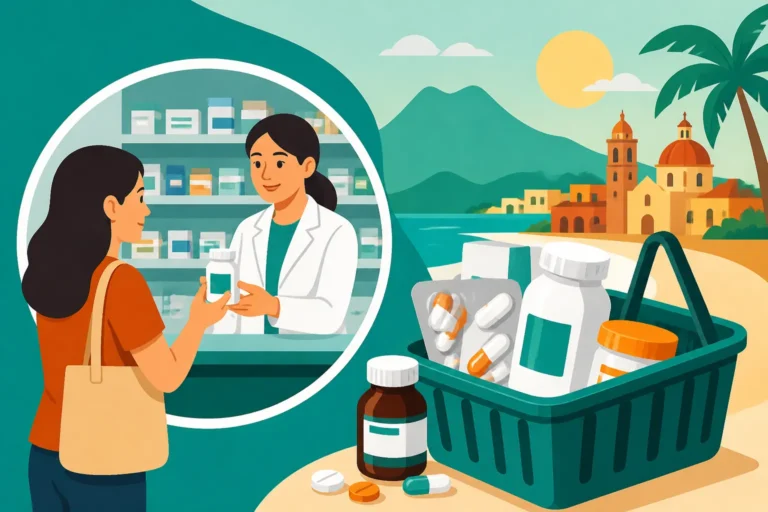
Additionally, patients must account for the cost of prescription medications needed before or after a major procedure. Antibiotics, high-strength anti-inflammatories, and pain management medications will be prescribed by your Mexican dentist. While pharmaceuticals are generally more affordable in Mexico, they still represent an out-of-pocket expense that should be budgeted for. Understanding how to fulfill these prescriptions locally is important, which you can explore in our comprehensive guide on Pharmacies in Mexico: How to Get Medications OTC vs Prescription.
Currency exchange rates and international banking fees are another frequently overlooked hidden cost. If you are paying for a multi-thousand-dollar implant procedure using a standard foreign credit card or bank transfer, traditional banks will often apply unfavorable exchange rates and hefty foreign transaction fees. To mitigate this, financially savvy expats utilize dedicated currency transfer services like Wise. By moving funds through Wise, patients can secure the mid-market exchange rate and drastically reduce hidden banking fees, ensuring that their hard-earned savings are actually spent on their healthcare rather than enriching traditional banking institutions.
Paying for Dental Work as an Expat
Navigating the payment process at a Mexican dental clinic requires a bit of advanced planning. Unlike in the US or Canada, where clinics simply bill your insurance and send you an invoice months later, Mexican private dentistry operates almost exclusively on a transparent, pay-at-the-time-of-service model. Before any major work begins, the clinic will provide a detailed treatment plan outlining the exact costs, and payment is generally expected upon completion of each phase of the treatment.
Most reputable, expat-focused clinics accept a variety of payment methods, including major international credit cards like Visa and Mastercard. However, expats should be aware that some clinics may apply a small surcharge, typically around three to five percent, to cover the terminal processing fees associated with credit card transactions. Cash is always universally accepted and is sometimes even preferred by smaller, independent practitioners. In border towns like Tijuana or Los Algodones, it is incredibly common for clinics to accept and even prefer payment directly in US Dollars.
For major restorative surgeries that cost thousands of dollars, carrying large amounts of cash is generally not advisable due to security concerns. Instead, many expats opt to pay via secure digital bank transfers. Using a multi-currency account provided by platforms like Wise allows you to hold balances in both your home currency and Mexican Pesos. You can quickly and securely transfer the exact required amount in Pesos directly to the clinic’s local bank account, avoiding credit card surcharges and benefiting from highly favorable exchange rates. Understanding these financial logistics is a key component of navigating Healthcare Costs in Mexico: Doctor Visits, Hospital Stays, and Surgery Expenses.
Dental Insurance Options for Foreign Residents
Utilizing International Health Plans
For expats who desire the ultimate peace of mind regarding their overall health and wellness while living abroad, securing a comprehensive international health insurance policy is often the best strategy. While many standard travel insurance policies strictly exclude elective or non-emergency dental work, premium global health plans are designed to function exactly like your primary health coverage back home, offering modular add-ons that include robust dental benefits.
Providers like Cigna Global are highly popular among the expat community in Mexico because they offer customizable policies. When building a policy with Cigna Global, expats can explicitly choose to add optional dental and vision modules to their core inpatient and outpatient coverage. These specialized dental modules typically cover preventative care, such as annual exams and cleanings, at a very high percentage, while also providing tiered coverage for complex restorative work like root canals, crowns, and even orthodontics after a specified waiting period.
Using an international policy provides immense flexibility. It allows expats to choose any private, recognized dental clinic in Mexico rather than being restricted to a narrow local network. After paying the clinic out of pocket, the patient simply submits the official Mexican tax receipt (known as a factura) and the doctor’s clinical notes to their international insurance provider for reimbursement. For a broader understanding of how these global policies compare to local options, reviewing our breakdown of Choosing Private Health Insurance: Local Mexican Plans vs International Coverage is highly recommended.
Local Mexican Dental Coverage Limits
Expats who hold legal residency in Mexico have the option to enroll in the public healthcare system, administered primarily by the Instituto Mexicano del Seguro Social. The IMSS system does technically include dental care as part of its comprehensive health coverage. However, expats must understand that public dental services are heavily impacted by funding constraints and incredibly high patient volumes.
Within the IMSS system, dental care is generally limited to absolute necessities and basic pain management. Public dentists primarily perform extractions, basic amalgam fillings, and emergency infection control. Complex restorative work, cosmetic procedures, and advanced prosthodontics like implants are simply not covered or provided by the public system. Furthermore, the wait times for a non-emergency dental appointment at a public clinic can be extremely long, making it an impractical solution for expats accustomed to prompt, preventative care.
Even when looking at private, Mexico-based health insurance policies (Seguros de Gastos Médicos Mayores), standalone dental coverage is quite rare and often very limited. Local private policies are primarily designed for catastrophic medical events and major surgeries. If a local policy does offer a dental rider, it usually operates as a discount program rather than comprehensive coverage, offering a small percentage off procedures at a highly restricted network of specific franchise clinics. Because of these profound limitations, the vast majority of expats simply choose to pay for private dental care out of pocket or utilize global policies like those from Cigna Global.
Navigating Cross Border Dental Coverage
A unique situation arises for expats who split their time between Mexico and their home country, such as “snowbirds,” or those who maintain their home country dental insurance. Many North American patients wonder if their US or Canadian dental insurance policies will reimburse them for care received in a Mexican clinic. The answer depends entirely on the specific terms of the individual policy, but it is increasingly common for major insurers to accept cross-border claims.
Many Preferred Provider Organization plans in the United States offer “out-of-network” benefits that can technically be applied globally. If your policy allows you to see any licensed dentist outside of their specific network, you can often submit a claim for work done in Mexico. However, the reimbursement will be based on the “usual and customary” rates determined by the insurance company, and the paperwork requirements are stringent. The Mexican clinic must be able to provide treatment codes that map correctly to the American Dental Association coding system.
It is absolutely vital to contact your insurance provider directly before undergoing any major work in Mexico to confirm their international reimbursement policies. You must ask exactly what documentation is required, whether they need pre-authorization x-rays, and if documents need to be officially translated. While navigating this cross-border bureaucracy can be tedious, successfully utilizing your existing home country insurance can make the already affordable Mexican dental care effectively cost-free. For a wider view on maintaining home policies, see Should You Keep Your Home Country Health Insurance While in Mexico?.
Choosing the Right Dental Clinic in Mexico
Researching Reviews and Expat Recommendations
Selecting a trustworthy dental clinic in a foreign country requires diligent research and a reliance on community knowledge. While a simple internet search will yield thousands of results, highly polished websites and aggressive marketing campaigns do not always guarantee clinical excellence. The most reliable method for finding a highly skilled dentist in Mexico is through direct word-of-mouth recommendations within the established expatriate community.
Social media platforms are an invaluable resource for this localized research. Almost every major expat hub in Mexico has active, dedicated Facebook groups or community forums. By searching the history of these groups or posting a specific inquiry about endodontists, implant specialists, or pediatric dentists, you will quickly identify which clinics are consistently praised by your peers. Expats are generally very vocal about their healthcare experiences, both positive and negative, providing a highly effective, community-driven vetting process.
When evaluating online reviews on platforms like Google or specialized medical tourism directories, look for detailed narratives rather than simple star ratings. Pay attention to reviews that mention the clinic’s cleanliness, the dentist’s communication style, the transparency of their billing, and how they handled any post-procedure complications. Cross-referencing community recommendations with external reviews provides a well-rounded picture of a clinic’s reputation. To understand more about comparing health standards globally, you can read Healthcare Quality: Mexico vs Your Home Country – A Comparison.
Initial Consultations and Red Flags
Once you have narrowed down your list of potential clinics, scheduling an initial consultation is the next critical step. This consultation is essentially an interview, and expats should approach it with a discerning eye. Pay close attention to the clinic’s environment the moment you walk through the door. The waiting room and operating areas should be immaculately clean, modern, and well-organized. The staff should be professional, welcoming, and capable of communicating effectively in English if that is what was advertised.
During your consultation with the dentist, evaluate their bedside manner and diagnostic approach. A high-quality practitioner will take the time to thoroughly examine your mouth, review your x-rays with you on a screen, and explain their findings in clear, understandable terms. They should present you with multiple treatment options, discussing the pros, cons, and longevity of each approach, rather than immediately pushing the most expensive surgical intervention.
Transparency in pricing is an absolute non-negotiable requirement. Before you commit to any treatment, the clinic must provide a written, itemized treatment plan that clearly outlines the cost of every single procedure, material, and required follow-up visit. If a clinic is evasive about exact pricing, refuses to put quotes in writing, or applies high-pressure sales tactics to force an immediate decision, these are significant red flags, and you should politely decline treatment and seek a second opinion elsewhere.
Post Procedure Care and Follow Up Visits
The relationship with your Mexican dentist does not end the moment the surgery is completed; proper post-procedure care is crucial for the success of any major dental work. Reputable clinics will provide extensive, written aftercare instructions detailing how to manage pain, reduce swelling, and keep the surgical site clean to prevent infection. They will also schedule mandatory follow-up appointments to monitor your healing progress, remove sutures, and make any necessary adjustments to your restorations.
For expats traveling to a different city within Mexico for their dental work, it is vital to factor these follow-up visits into your travel itinerary. If you receive a complex implant, you will typically need a healing period of several months before the final crown can be placed, requiring a return trip. Discuss this timeline explicitly with your dentist during the initial consultation so you can plan your logistics accordingly and ensure you are available for all required monitoring appointments.
Supporting your body’s natural healing process is also highly recommended after invasive oral surgery. Maintaining a soft diet, staying hydrated, and avoiding inflammatory foods will speed up your recovery. Many health-conscious expats utilize platforms like iHerb to stock up on high-quality nutritional supplements, such as Vitamin C for tissue repair, Arnica for bruising, and specialized soft-bristle toothbrushes, ensuring they have everything they need for a comfortable and rapid recovery in their Mexican home. To see how others manage their health routines safely, review our tips on Staying Healthy in Mexico: Essential Tips for Food, Water, and Preventive Care.
References
Primary sources (official)
- Asociación Dental Mexicana (ADM): https://www.adm.org.mx/
- Centers for Disease Control and Prevention (CDC) – Medical Tourism Guidelines: https://www.cdc.gov/yellow-book/hcp/health-care-abroad/medical-tourism.html
Other helpful sources
- American Dental Association (ADA) – International Dentistry: https://www.ada.org/
- Medical Tourism Association: https://www.medicaltourism.com/
Disclaimer
The information provided in this article is for educational and informational purposes only and does not constitute medical or dental advice. Healthcare regulations, clinic standards, and procedural costs in Mexico are subject to change. Always consult with a qualified, licensed dental professional or a dedicated healthcare provider to receive personalized medical advice tailored to your specific oral health needs before undergoing any medical procedures abroad.