How to Get Vaccinations Before or After Arriving in Mexico
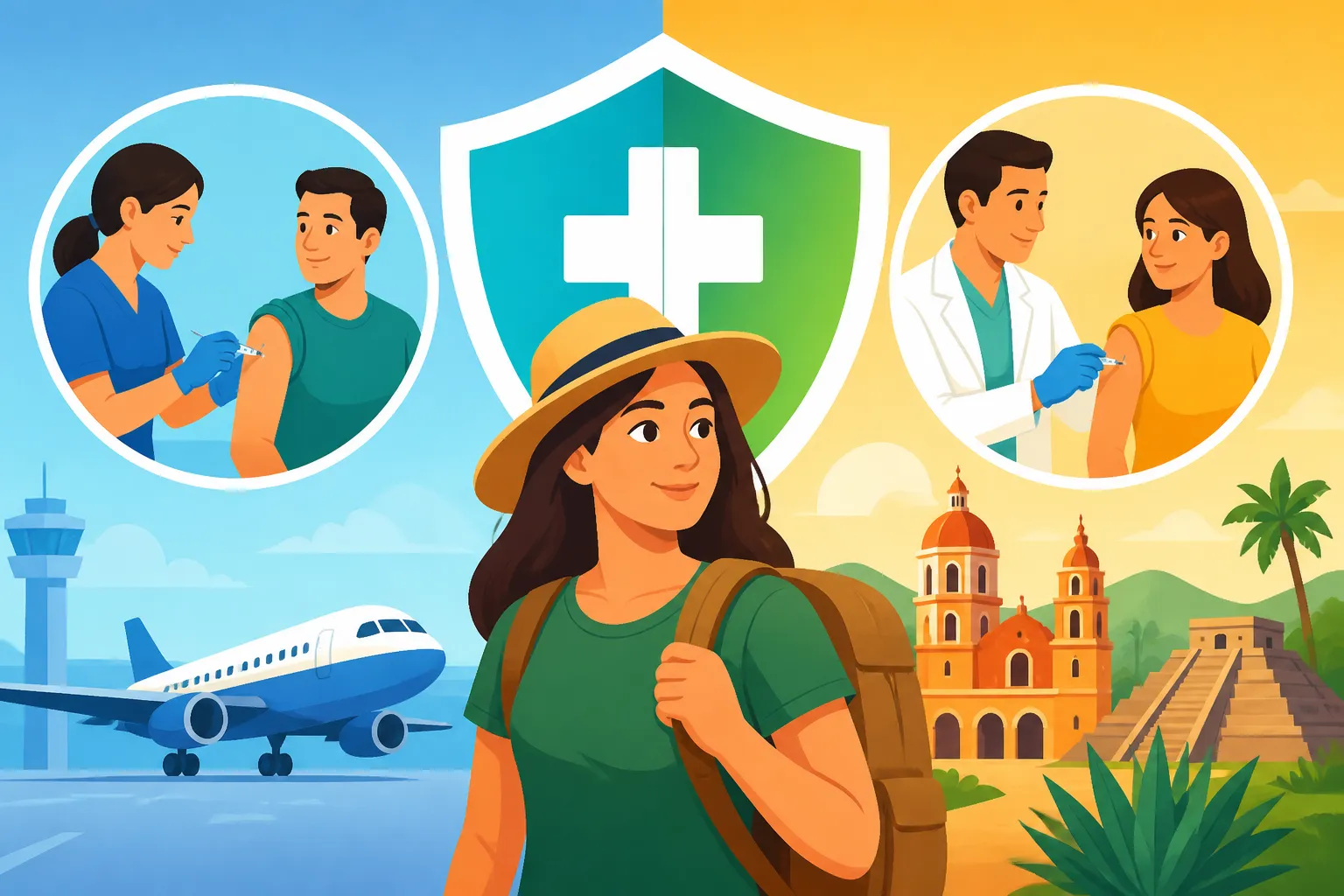
One of the most confusing hurdles for new arrivals in Mexico is deciphering the local vaccination schedule and figuring out where to actually get the shots. I remember wandering through three different farmacias in Mexico City’s Roma Norte neighborhood just trying to find a simple tetanus booster, only to realize I was looking in the entirely wrong place. This guide solves the mystery of navigating both the public and private medical systems to ensure you and your family stay protected from local health risks.
Disclosure: This post may contain affiliate links. We may earn a commission at no extra cost to you if you make a purchase through these links. Read full disclosure.
Essential Vaccinations to Consider Before Your Move
The best time to start your vaccination journey is actually about two months before you board your flight. While many people think of Mexico as just needing a basic check-up, the reality is that certain food-borne and water-borne illnesses are much more common here than in the US, Canada, or Europe. Taking care of these at home allows you to deal with the initial "culture shock" of your new environment without worrying about a preventable fever or infection during your first week.
Most travel clinics will strongly recommend Hepatitis A and Typhoid. These are almost non-negotiable for anyone planning to eat at the incredible street stalls or local mercados that make life in Mexico so vibrant. I have known many expats who skipped these, thinking they would only eat in high-end restaurants, only to fall ill after a "safe" salad or a drink with contaminated ice. You should also ensure your routine shots—like MMR (measles, mumps, rubella) and Tdap (tetanus, diphtheria, and pertussis)—are up to date.
When planning your pre-departure medical visits, check your current insurance policy. Many expats find that while their primary home insurance covers routine shots, they might need a specialized plan like SafetyWing for the transition period or Cigna Global if they want a comprehensive policy that covers them both at home and across the border. Having these records organized in a digital folder before you arrive will save you hours of frustration when you eventually visit a Mexican doctor. For a deeper look at the landscape you are entering, read our Healthcare in Mexico: Complete Guide for Expats (Public vs Private).
Navigating the Mexican Public Health System for Vaccines
Once you have arrived and settled into your new home, you might find you need a follow-up dose or a seasonal shot like the flu vaccine. In Mexico, the public system is the primary provider of vaccinations for the general population. This is handled through the Instituto Mexicano del Seguro Social (IMSS) and the ISSSTE, but for many expats, the most relevant point of contact is the local "Centro de Salud" (Health Center). These centers often provide basic vaccinations for free or at a very low cost, even to foreigners, though the experience can be quite bureaucratic.
To get vaccinated at a public clinic, you usually need to bring your residency card and a proof of address (like a CFE electric bill). You will be issued a "Cartilla Nacional de Salud"—a small green or blue booklet that acts as your official health record. This little book is gold. Every time you or your child gets a shot, the nurse will stamp and sign it. If you are curious about how to access these services as a resident, you should check out Public Healthcare in Mexico: IMSS and IMSS Bienestar Explained for Expats to understand the registration process.
The main challenge with the public system is availability. While they have excellent coverage for standard childhood vaccines, they often run out of stock for specific adult boosters or newer versions of vaccines. I once waited three months for a specific booster at a clinic in Mérida, only to be told the shipment was delayed at the state border. This is where knowing the private alternatives becomes essential for your peace of mind. For more on staying healthy through local resources, see Staying Healthy in Mexico: Essential Tips for Food, Water, and Preventive Care.
Utilizing Private Clinics and Hospital Networks
If the thought of waiting in a long line at a public clinic doesn't appeal to you, the private sector in Mexico is world-class. Major hospital groups like Hospital Ángeles or the ABC Medical Center in Mexico City have dedicated vaccination departments. Here, you can usually walk in or make a same-day appointment, and the staff are much more likely to speak English. This is often the preferred route for expats who have premium international coverage through providers like Cigna Global.
Private pediatricians are also a fantastic resource for families. If you are moving with little ones, finding a local doctor is a priority. They usually keep a stock of the most common vaccines in their office refrigerators. This is much more convenient than the public system, though you will pay a consultation fee in addition to the cost of the vaccine itself. For parents, we have a detailed guide on Pediatric Care in Mexico: Healthcare for Expat Children that covers these logistics in depth.
Another uniquely Mexican option is the "Consultorio" attached to large pharmacy chains like Farmacias del Ahorro or Farmacias Benavides. These small clinics are staffed by licensed physicians who can provide prescriptions and, in some cases, administer common vaccines like the flu or tetanus. While they don't carry the full range of tropical vaccines, they are perfect for quick, routine needs. To understand more about these convenient locations, see our guide on Pharmacies in Mexico: How to Get Medications (OTC vs Prescription).
Specific Vaccination Guidance for 2026
The health landscape in Mexico has stabilized, but there are still specific seasonal and regional considerations. The Mexican government continues to run large-scale campaigns for the flu (influenza) and COVID-19, usually beginning in late October. During these campaigns, "puestos de vacunación" (vaccination posts) are often set up in public squares, metro stations, and even shopping malls. These are generally free and very efficient for the general public.
For those living in more tropical or rural areas, such as the jungles of Chiapas or the coastal regions of Oaxaca, you might need to consider Rabies. Rabies is a serious consideration if you plan on working with animals or hiking in remote areas. While the pre-exposure vaccine is available in major cities, it can be expensive in the private sector. For a comprehensive list of what is currently suggested, refer to Vaccinations Needed for Mexico: Guidance for Expats (2026).
| Vaccine Type | Target Group | Availability in Mexico | Estimated Private Cost (MXN) |
|---|---|---|---|
| Hepatitis A & B | All Expats | Widely available in private clinics | $1,200 – $2,500 per dose |
| Typhoid | Travelers/Expats | Available in major hospitals | $1,500 – $3,000 |
| Tdap (Tetanus) | All Adults | Available at all levels | $800 – $1,500 |
| Influenza | All (Seasonal) | Free in public sector; available in private | $500 – $900 |
| MMR (Measles) | Children/Unvaccinated Adults | Common in public/private | $1,000 – $1,800 |
| Rabies (Pre-exposure) | High-risk groups | Specialist clinics only | $3,500+ per course |
The Importance of Translation and Record Keeping
One of the biggest mistakes expats make is arriving in Mexico with a folder full of medical records only in English. While many doctors in high-end hospitals are bilingual, the nurses at the local clinics and the administrative staff at the IMSS offices usually are not. Having your vaccination history translated into Spanish can prevent you from being "over-vaccinated" because a local official couldn't understand your records.
I highly recommend creating a simple spreadsheet that lists the vaccine name (using the Latin or scientific name, which is usually universal), the date of administration, and the lot number if available. If you have children, this is even more critical for school enrollment. Mexican schools are quite strict about the "Cartilla de Vacunación," and they will want to see that your child's schedule matches the Mexican requirements. For help navigating these conversations, read Overcoming Language Barriers at the Doctor: Tips for Expat.
If you ever find yourself in a situation where you need a vaccine urgently—perhaps after a dog bite or a deep cut—knowing where to go is vital. Emergency rooms in private hospitals are the fastest route, but they are also the most expensive. Understanding how your insurance works in these moments is key. Whether you are using a travel-specific plan like SafetyWing or a local Mexican policy, make sure you know your deductible for "preventive" vs. "emergency" care. Learn more in our guide on Medical Emergencies in Mexico: What Expats Should Know and Prepare.
Managing Costs and Insurance Coverage
Healthcare costs in Mexico are generally much lower than in the United States, but vaccines can still add up, especially for a large family. A full course of Hepatitis and Typhoid for a family of four can easily run into the hundreds of dollars if done entirely through private hospitals. This is why many retirees and long-term residents choose a hybrid approach: using the public system for routine boosters and the private system for more specialized or urgent needs.
Most international health insurance plans, including those from Cigna Global, will cover vaccinations as part of "Wellness" or "Preventive Care" benefits, but you must check if there is a waiting period. Some plans require you to be a member for 6 to 12 months before they pay for elective shots. If you are paying out of pocket, always ask for a "factura" (tax receipt). Even if you can't use it for Mexican taxes yet, it is a formal record of the service provided. For a broader view of medical spending, see Healthcare Costs in Mexico: Doctor Visits, Hospital Stays, and Surgery Expenses.
Finally, don't forget that your vaccination needs might change if you travel within the country. A weekend trip from the high-altitude, dry climate of Guadalajara to the humid lowlands of the Yucatán might expose you to different risks. Being proactive about your health is part of the "expat tax"—the extra effort we put in to ensure our life abroad is as smooth as possible. If you are still deciding on the right coverage for your move, check out Choosing Private Health Insurance: Local Mexican Plans vs International Coverage.
Medical Disclaimer
This article is for informational purposes only and does not constitute professional medical advice, diagnosis, or treatment. Always seek the advice of your physician or other qualified health provider with any questions you may have regarding a medical condition or vaccination schedule. Never disregard professional medical advice or delay in seeking it because of something you have read on this website. Healthcare regulations and vaccine availability in Mexico can change rapidly; always verify requirements with official government sources or a licensed medical professional before making health-related decisions.