Pediatric Care in Mexico: Finding a Children’s Doctor
Moving to Mexico with kids brings a unique brand of anxiety, especially when that first midnight fever hits and you realize you don't know how the local system truly functions. I remember pacing my living room in Mexico City, clutching a crying toddler and feeling utterly lost despite having a residency card in my hand. This guide solves that panic by breaking down exactly how to find, vet, and build a lasting relationship with a pediatrician in Mexico.
Disclosure: This post may contain affiliate links. We may earn a commission at no extra cost to you if you make a purchase through these links. Read full disclosure.
The Pediatric Ecosystem in Mexico
Navigating the healthcare system here is a lesson in patience and cultural adaptation. Unlike many Western countries where a general practitioner sees the whole family, Mexico leans heavily on specialization. From the moment your child is born or arrives in the country, your primary point of contact for anything health-related will be a pediatra.
Private vs. Public Pediatric Care
The first hurdle is deciding between the public and private sectors. The public system, primarily managed through IMSS or IMSS-Bienestar, is the backbone of the country’s health infrastructure. For many expats, however, the public system can feel overwhelming due to long wait times and significant bureaucratic layers. If you are working for a Mexican company, you will likely be enrolled in IMSS, but many families choose to use private care for their children's day-to-day needs.
In the private sector, the experience is vastly different. You often have direct access to the doctor via WhatsApp—a cultural quirk that I found life-saving during my first year. Private pediatricians usually operate out of individual "consultorios" located within or near large hospital clusters. For a more detailed comparison of these systems, you should check out Healthcare in Mexico: Complete Guide for Expats (Public vs Private).
The Role of the Pediatra as a Gatekeeper
In Mexico, the pediatrician isn't just someone who gives shots; they are the central coordinator for your child’s development. They handle everything from nutrition and growth milestones to minor surgeries or referrals. If your child needs a specialist—say, a pediatric cardiologist or an allergist—you generally don’t need a formal referral from an insurance company, but your pediatrician will be the one to tell you which specific specialist in town is the most trusted.
This relationship is often very personal. It is common for a family to stay with the same pediatrician for eighteen years. Because of this, the "bedside manner" is highly valued. You want a doctor who listens to your concerns as an expat parent, especially since you might have different cultural expectations regarding medication or developmental timelines. To understand more about the quality of these professionals, read about Are Doctors in Mexico Properly Qualified? Understanding Medical Training.
The Importance of the Cartilla de Vacunación
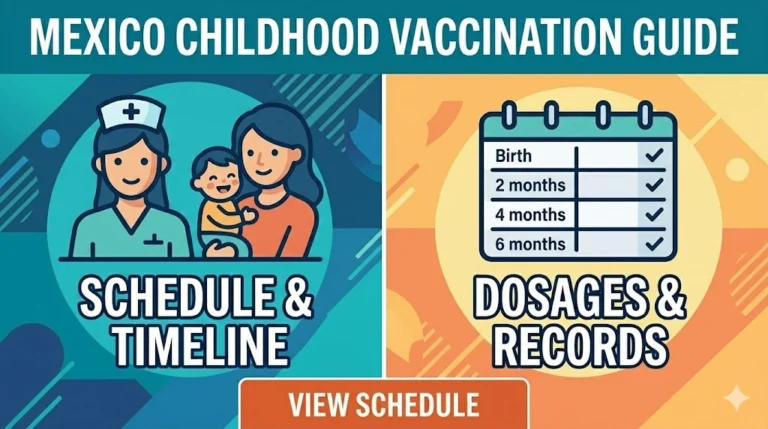
Every child in Mexico should have a Cartilla Nacional de Salud. This is a small green booklet that tracks every vaccine, height, and weight measurement. If you are moving here from abroad, your first task should be to take your child's home-country records to a local pediatrician to have the data "translated" into a Mexican cartilla. This document is essential for school enrollments and for tracking local health requirements. For more on this, see Childhood Vaccination Schedule in Mexico: A Guide for Expat Parents.
Navigating the Search for a Children's Doctor
Finding a doctor in a new country shouldn't feel like a game of chance, but in Mexico, the best doctors often don't have the biggest billboards. They have the longest lists of recommendations in local parent groups.
Leveraging Local Networks and Word of Mouth
The most reliable way to find a pediatrician is to ask other parents in your specific "colonia" or neighborhood. Facebook groups for expats in places like Merida, San Miguel de Allende, or Puerto Vallarta are gold mines for this information. When I first arrived, I found that asking, "Who is the most responsive pediatrician who speaks English?" yielded better results than any Google search.
Once you have a few names, look them up on Doctoralia. This is the go-to platform in Mexico for booking appointments and reading patient reviews. It allows you to filter by specialty, location, and even whether they accept certain insurance plans. If you are a digital nomad or just arriving, using a flexible plan like SafetyWing can provide initial coverage while you are still vetting local providers and getting settled.
Hospital-Affiliated Directories
If you prefer a more formal route, look at the directories of the major private hospital chains. In Mexico City, the ABC Medical Center (with campuses in Santa Fe and Observatorio) is world-class. In other cities, look for Hospital Ángeles, Star Médica, or Hospital San José in Monterrey. These hospitals vet the doctors allowed to practice in their facilities, providing an extra layer of security for expat families.
Choosing a doctor affiliated with a major hospital is crucial because if your child ever needs an inpatient procedure, your pediatrician will be the one to admit them. You can find more specific location-based advice in Healthcare in Mexico City: Top Hospitals and Clinics for Expats or Healthcare in Guadalajara: Medical Facilities and Services for Foreign Residents.
Verifying English Proficiency and Communication Style
While many doctors in major Mexican cities trained in the US or Europe and speak excellent English, it’s not a guarantee. During your first "interview" or wellness check, pay attention to how they communicate. Do they explain things clearly? Are they willing to communicate via WhatsApp for minor questions? In Mexico, the ability to text your doctor a photo of a rash at 7:00 PM and get a response within the hour is a standard feature of private care that many expats find incredibly comforting. For help with the language barrier, check out Overcoming Language Barriers at the Doctor: Tips for Expats.
The Reality of the Pediatric Consultation
Walking into a Mexican consultorio for the first time can be a bit different than what you are used to back home. The offices are often located in "Torres Médicas" (medical towers) and can feel a bit more formal or "old school" in their decor, but the technology inside is usually cutting-edge.
The Consultorio Experience and Waiting Times
Private appointments are generally unhurried. A standard wellness check can last 45 minutes to an hour. The doctor will often do a very thorough physical exam and spend a lot of time discussing the child's diet. Be prepared: punctuality in Mexico can be fluid. Even if you have an appointment at 10:00 AM, the doctor might not see you until 10:30 AM if they were held up at the hospital.
Unlike the US, where you often see a nurse first, in a private Mexican practice, you usually deal directly with the doctor from start to finish. There might be a receptionist to take your payment, but the medical interaction is purely with the pediatra. For more on navigating these facilities, see Navigating Hospitals and Clinics in Mexico: An Expat’s Guide to Medical Care.
Costs and Payment Structures
One of the biggest shocks for new expats is how affordable private pediatric care can be compared to the US, while still being high-quality. A standard consultation fee usually ranges from 800 to 1,500 MXN (roughly $45 to $85 USD).
Most private doctors expect payment in cash or via "transferencia" (bank transfer) at the time of the visit. While some take credit cards, it’s always wise to have cash on hand for the first visit. If you have international insurance like Cigna Global, you will typically pay out of pocket and then submit the "factura" (official tax invoice) for reimbursement. Make sure to ask for a factura every single time; a simple receipt is not enough for insurance or tax purposes. You can find more detail on this in Healthcare Costs in Mexico: Doctor Visits, Hospital Stays, and Surgery Expenses.
| Feature | Private Pediatrician | Public System (IMSS) |
|---|---|---|
| Average Cost | 800 – 1,500 MXN per visit | Included in monthly fee |
| Wait Times | Same day or 1-2 days | Can be weeks for non-emergencies |
| Communication | Direct WhatsApp / Cell phone | Through clinic appointments only |
| English Level | Often high in major cities | Usually limited |
| Location | Private medical towers | Designated local clinics (UMF) |
Emergency Pediatric Care and After-Hours Services
Nothing tests your resolve like a medical emergency in a foreign country. Knowing where to go before the emergency happens is the single best thing you can do for your family's safety.
Finding 24/7 Children's Hospitals
Most major private hospitals have a pediatric emergency room that is separate from the adult ER. This is vital because it ensures your child is seen by specialists who are used to working with kids. In a true emergency, you do not want to be stuck in a general waiting room.
Before you need it, drive to the nearest major hospital (like Hospital Ángeles or Star Médica) and find the "Urgencias Pediatrícas" entrance. For families who move frequently or are in Mexico on a temporary basis, having a plan like SafetyWing ensures you have a safety net for these sudden hospital visits. For a broader look at emergency protocols, read Medical Emergencies in Mexico: What Expats Should Know and Prepare.
Pharmacy Clinics and Minor Ailments
For minor issues like a cough or a slight earache, many Mexicans use the "consultorios" attached to pharmacies like Farmacias del Ahorro or Farmacias Similares. These are very inexpensive (often around 50-100 MXN) and are great for quick prescriptions. However, for expat children, I generally recommend sticking with your regular pediatrician who knows your child’s history. If you do need to pick up a quick remedy, it helps to know Pharmacies in Mexico: How to Get Medications (OTC vs Prescription).
Calling an Ambulance
In Mexico, calling 911 is the standard, but the response can be slow. Many expat families keep the direct number of a private ambulance service on their fridge. These private services often have better equipment and faster response times, especially in congested cities like Mexico City or Monterrey. For more on this, check out Calling an Ambulance in Mexico: How Emergency Services Operate.
Vaccinations and Preventive Health Tracking
Staying on top of vaccinations is one of the more complex parts of being an expat parent. The schedule in Mexico may differ slightly from your home country, and some vaccines that are standard elsewhere might be harder to find here.
The Mexican National Vaccination Schedule
Mexico has a very robust national vaccination program. Most standard vaccines (MMR, DTaP, Polio) are available for free at public clinics, even for foreigners with residency. However, many expats prefer to get these at their private pediatrician’s office.
There are sometimes shortages of specific vaccines in the private sector. For example, during certain times of the year, the hepatitis or varicella vaccine might be out of stock at private clinics, requiring you to visit a public center or wait a few weeks. Your pediatrician will guide you through this. For a current list of requirements, see Vaccinations Needed for Mexico: Guidance for Expats (2026).
Documentation and School Requirements
If you plan to enroll your child in a private school in Mexico, they will require a copy of the Cartilla de Vacunación. They may also require a "Certificado de Salud" (health certificate) signed by a licensed Mexican physician. This is usually just a simple form stating the child is fit to attend school and has no contagious diseases.
Always keep your original records from your home country in a safe place, but carry copies when you go to appointments. It’s also a good idea to have a digital backup of these records. For more tips on organizing your move, see Building a First Aid Kit: Essential Medical Supplies for Expats in Mexico.
Financial Planning for Children’s Health
Budgeting for healthcare is a major part of the expat experience in Mexico. While day-to-day costs are low, a major surgery or a prolonged hospital stay can easily reach tens of thousands of dollars.
Private Health Insurance Options
For long-term residents, having a comprehensive policy is essential. Companies like Cigna Global are popular among expat families because they offer high coverage limits and allow you to see any doctor you choose, which is critical when you want the best pediatrician in the city.
Some families choose local Mexican insurance (like GNP or AXA), which often has direct-pay agreements with local hospitals, meaning you don’t have to pay a massive bill upfront and wait for reimbursement. To help you decide, read Choosing Private Health Insurance: Local Mexican Plans vs International Coverage.
Utilizing Public Healthcare (IMSS)
If you are on a tight budget or want a backup, enrolling in IMSS is an option for residents. While the pediatric care is competent, the environment is much more clinical and the wait times can be taxing for children. It is a good "safety net" to have, but most expats use it in conjunction with private out-of-pocket visits for primary care. You can learn the process in How to Enroll in IMSS: Step-by-Step Guide for Foreign Residents.
Managing Out-of-Pocket Expenses
Even with great insurance, you will likely pay for most pediatric visits out of pocket because they fall under your deductible. It’s helpful to keep a "health fund" in pesos specifically for these visits, medications, and lab tests. For advice on managing these costs, see Healthcare Costs in Mexico: Doctor Visits, Hospital Stays, and Surgery Expenses.
Specialized Pediatric Services and Support
Sometimes a general pediatrician isn't enough. Mexico has excellent specialists, but finding them requires a bit more legwork.
Finding Pediatric Specialists
If your child has a chronic condition, you should look for a "sub-especialista." Most of these experts are concentrated in Mexico City, Guadalajara, and Monterrey. If you live in a smaller town like Ajijic or Playa del Carmen, you should expect to travel to the nearest big city for specialized care.
Your pediatrician will give you a name, but you can also search for specialists through the "Consejo Mexicano de Pediatría" to ensure they are board-certified in their specific sub-field. For those with international needs, a provider like Cigna Global can often assist in locating top-tier specialists within their network.
Mental Health and Developmental Support
The "culture shock" of moving can be hard on kids. Finding an English-speaking child psychologist or speech therapist is possible in major expat hubs, but can be challenging in rural areas. Many expat parents now utilize telemedicine for these services, connecting with therapists back in their home country or in Mexico City via video calls.
If your child requires physical therapy or occupational therapy, these services are widely available and often much more affordable than in the US or Canada. For more on keeping your family healthy in all aspects, see Staying Healthy in Mexico: Essential Tips for Food, Water, and Preventive Care.
Disclaimer
The information provided in this article is for informational purposes only and does not constitute medical or legal advice. Healthcare regulations and the availability of services in Mexico can change. Always consult with a qualified medical professional or an immigration specialist regarding your specific situation and healthcare needs. External links are provided for convenience and do not imply endorsement of all content found on those sites.