Oaxaca City Guide: Markets, Mezcal, and Art
Many visitors arrive in Oaxaca City feeling overwhelmed by the sheer density of culture, from the smoke-filled halls of the markets to the complex etiquette of mezcal tasting. This guide dismantles that confusion, providing a veteran’s perspective on navigating the city's artistic soul, culinary depths, and spirits so you can experience the real Oaxaca without the tourist-trap headaches.
Disclosure: This post may contain affiliate links. We may earn a commission at no extra cost to you if you make a purchase through these links. Read full disclosure.
Navigating the Heart of Oaxaca: Getting There and Staying Sane
The first hurdle any traveler faces when aiming for the Oaxacan highlands is the actual journey. If you are coming from Mexico City, you have two real choices: a short, expensive flight or a long, winding bus ride through the Sierra Madre. Many of us who have lived here for years actually prefer the bus for its reliability and the stunning, albeit dizzying, views. Using a platform like Busbud can help you secure a seat on the ADO Platino or GL lines, which offer reclining seats and much-needed climate control. You can find more details on these logistics in our guide on How to Travel Between Cities in Mexico by Bus. Once you arrive at the CAPO (the main bus terminal), don’t let the aggressive taxi drivers rattle you. Have your destination written down and agree on the price before the suitcase even touches the trunk.
Choosing where to plant your flag is the next critical decision. While the Zócalo (the main square) is the emotional heart of the city, it can be loud, protest-prone, and exhausting for a long-term stay. The neighborhoods of Jalatlaco and Xochimilco offer a much more "local" feel with cobblestone streets and significantly less foot traffic. When searching for a place to stay, Booking.com is a solid resource for finding boutique hotels that occupy converted colonial mansions, which provide thick stone walls that naturally regulate the heat of the Oaxacan sun. Staying in a place with a central courtyard isn't just an aesthetic choice; it’s a functional one that offers a sanctuary from the bustling street noise.
Understanding the City Layout and Transport
Oaxaca is a walking city, but the thin mountain air at 5,000 feet can catch you off guard. The city is roughly organized in a grid, centered around the Cathedral and the Zócalo. To the north, you’ll find the upscale shops of the Reforma district, and to the south, the sprawling markets. For those moments when your feet give out, the local "colectivos" (maroon and white taxis) are a lifeline. These operate on set routes and are incredibly cheap, though they can be intimidating for newcomers. If you prefer a private ride, DiDi is generally more prevalent and reliable than Uber in this specific region.
Managing Your Finances on the Ground
Oaxaca remains a very cash-heavy economy. While high-end galleries and hotels will take plastic, the best experiences—the street-side tamales and the hidden mezcal bars—require pesos. I always advise people to avoid the standalone ATMs on the street due to card skimming risks. Instead, look for bank-attached machines like Santander or BBVA near the Zócalo. For a deeper look at managing your money without getting hit by massive transaction fees, check out our resource on Using ATMs in Mexico: Avoiding Fees and Staying Secure. It is also worth noting that many smaller vendors may not have change for a 500-peso note, so always try to break your large bills at a supermarket or OxxO whenever possible.
The Sensory Overload of Oaxacan Markets
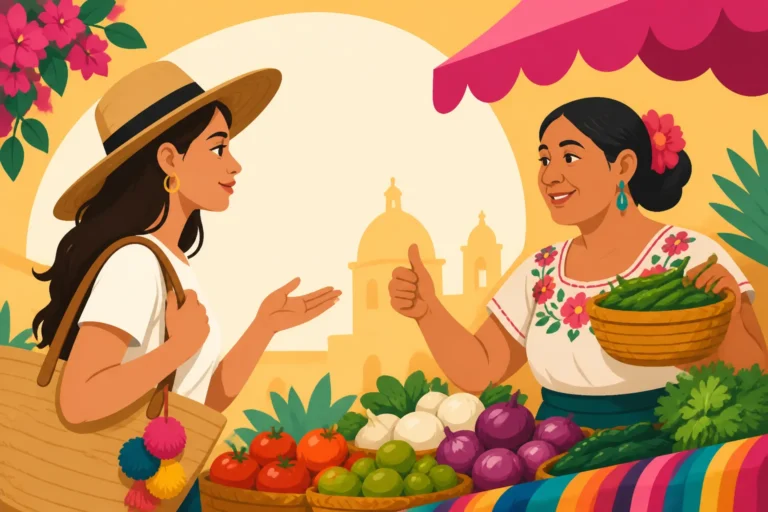
The markets in Oaxaca are not just places to shop; they are the city's living rooms, kitchens, and social hubs. For the uninitiated, the sights and smells can be a lot to process. You might see a woman de-thorning cactus pads with surgical precision in one aisle and stumble upon a pile of fried grasshoppers (chapulines) in the next. It’s vital to approach these spaces with a mix of curiosity and respect. If you want to dive deep into the culinary side of these hubs, you should read our guide on Mexican Markets and Food Halls for Visitors to understand the unspoken rules of engagement.
Mercado 20 de Noviembre and the Pasillo de Humo
The "Smoke Alley" (Pasillo de Humo) inside Mercado 20 de Noviembre is a rite of passage. As you enter, the air thickens with the scent of searing beef and burning charcoal. The process here is unique: you choose your raw meat—usually tasajo (thinly sliced beef), cecina (spiced pork), or chorizo—from one vendor, and they grill it for you on the spot. Then, you find a seat at the long communal tables where other vendors will approach you with baskets of tortillas, grilled onions, and various salsas. Each item is charged separately, so don’t be surprised when three different people come to collect a few pesos at the end of your meal. This is where you’ll find the best How to Try Mole and Oaxacan Cuisine experiences if you look for the small stalls tucked away from the main grill section.
Mercado Benito Juárez for Crafts and Provisions
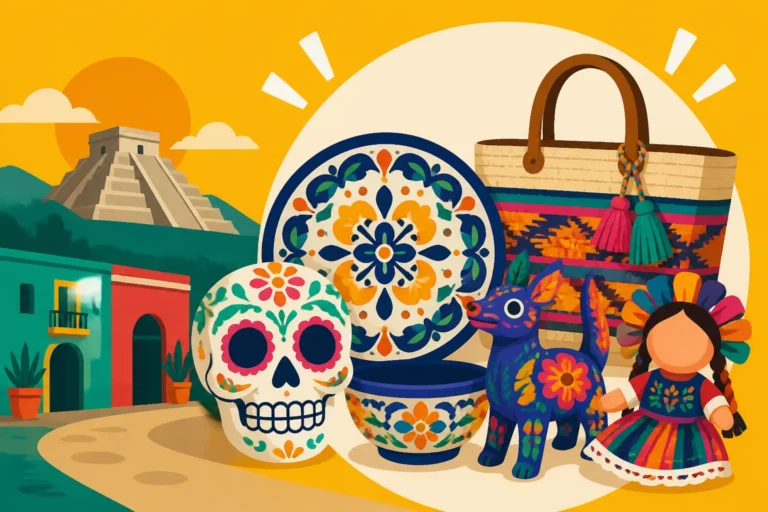
Just across the street sits Mercado Benito Juárez, which is less about the immediate meal and more about the ingredients and crafts. This is the place to buy "quesillo" (the famous Oaxacan string cheese), stacks of tlayudas (giant crispy tortillas), and local honey. It is also a fantastic spot to pick up leather goods and traditional huaraches. However, a word of advice for the expat or long-term tourist: don’t buy the first thing you see. Walk the perimeter, compare the quality of the stitching on the leather, and observe the locals. If you are looking for high-quality items to take home, our guide on Mexican Crafts (Artesanías): What to Buy and Where can help you distinguish between mass-produced trinkets and genuine artisan work.
| Market Name | Primary Focus | Best Time to Visit | Essential Tip |
|---|---|---|---|
| 20 de Noviembre | Prepared food and grilled meats | Lunch (1 PM – 3 PM) | Head straight to the Pasillo de Humo |
| Benito Juárez | Cheese, coffee, and leather goods | Morning (9 AM – 11 AM) | Buy your mezcal elsewhere for better quality |
| Tlacolula (Sunday) | Indigenous trade and massive variety | Sunday Only | Take a colectivo from the baseball stadium |
| Central de Abastos | Everything imaginable (wholesale) | Daily (Very busy) | Watch your pockets; it's very crowded |
The Art of the Agave: A Mezcal Deep Dive
In Oaxaca, mezcal is more than a drink; it is a spiritual connection to the land. Unlike tequila, which is often produced on an industrial scale, mezcal is largely a craft product. Each bottle tells the story of the specific agave plant, the soil it grew in, and the hand of the "Maestro Mezcalero" who distilled it. Understanding this spirit requires moving past the "smoky" stereotype and appreciating the floral, earthy, and even spicy notes of different agave varieties like Espadín, Tobalá, or Tepeztate. To get a foundational understanding of the cultural significance, see our guide on Tequila, Mezcal, and Mexican Drinking Culture.
Mezcalería Etiquette and Where to Sip
When you walk into a traditional mezcalería in Oaxaca, don't expect a cocktail menu. Proper mezcal is sipped neat at room temperature, usually accompanied by slices of orange and "sal de gusano" (worm salt). The golden rule is to "kiss" the mezcal—take tiny sips to let your palate adjust to the high alcohol content. Places like In Situ or Mezcaloteca offer educational tastings where the staff will explain the provenance of each pour. This is a far cry from the rowdy tequila shots you might see in Cancún. If you are worried about the social nuances, our guide on Tipping in Mexico (Propina): When and How Much will help you navigate the service expectations in these specialized bars.
Visiting a Traditional Palenque
To truly understand the labor involved, you must leave the city and visit a "palenque" (distillery). You can find various day-trip options through Viator that take you to the valley of Santiago Matatlán, the self-proclaimed world capital of mezcal. Here, you’ll see agaves being roasted in earthen pits, crushed by a stone wheel pulled by a horse, and fermented in wooden vats. It is a slow, ancient process that justifies the price of a high-end bottle. For those planning a DIY trip, check out How to Visit Mezcal Palenques in Oaxaca for tips on which family-run operations are welcoming to visitors.
Oaxaca’s Artistic Soul: Galleries and Street Art
Oaxaca has long been a magnet for artists, from the legendary Francisco Toledo to the modern street artists whose murals define the city’s aesthetic. The light in the valley has a peculiar, golden quality that has inspired generations of painters, printmakers, and weavers. Art here isn't confined to museums; it spills out onto the walls of the city in the form of politically charged "graffiti" and intricate wood carvings known as alebrijes.
Contemporary Galleries and Museums
The Museum of Contemporary Art (MACO) and the Graphic Arts Institute of Oaxaca (IAGO) are essential stops. IAGO, founded by Toledo, houses one of the most significant graphic arts collections in Latin America and serves as a free library and community space. It’s common to see local students and expats alike huddled over rare art books in the courtyard. The city’s gallery scene is also thriving, with spaces like La Mano Mágica showcasing high-end textiles and paintings. For a broader look at the museum landscape across the country, our guide to the Museums of Mexico City: Anthropology and Beyond provides a good comparison for the level of curation you can expect here.
The Street Art Revolution
If you wander through Jalatlaco or the streets surrounding Santo Domingo, you’ll notice a vibrant street art scene. These aren't just random tags; they are complex murals often dealing with social justice, indigenous rights, and environmental issues. Many of these artists are part of collectives that use their work to spark dialogue within the community. Taking a walking tour specifically focused on street art is a great way to understand the symbolism behind the imagery. You can often find these tours led by the artists themselves, providing a rare glimpse into the city's rebellious creative spirit.
Hands-on Workshops and Textiles
For those who want to do more than just look, Oaxaca offers countless workshops. From natural dye classes using cochineal and indigo to pottery sessions in the nearby village of Atzompa, the opportunity to learn from master artisans is unparalleled. The textile tradition is particularly strong in Teotitlán del Valle, where families have been weaving wool rugs on pedal looms for centuries. If you're interested in the technical side of these traditions, read Mexican Crafts (Artesanías): What to Buy and Where to learn about the different regions and their specialties.
Practical Living and Cultural Nuances
Living in or visiting Oaxaca requires an adjustment to the "Oaxacan time" and the general rhythm of the city. Things move slower here, and a little patience goes a long way. Whether it’s waiting for a "factura" (tax receipt) at a shop or waiting for your mole to arrive, rushing will only lead to frustration. The locals are incredibly polite, and starting every interaction with a "Buenos días" or "Buenas tardes" is non-negotiable if you want good service and a friendly smile.
Tipping and Local Etiquette
Tipping in Oaxaca follows the general Mexican standard of 10% to 15% in restaurants, but there are smaller nuances to consider. For example, it is common to tip the person who helps you park your car or the musicians who play a few songs at your restaurant table. These small gestures are a vital part of the local informal economy. To avoid any awkward moments, I suggest reading our detailed breakdown on Tipping in Mexico (Propina): When and How Much to see how these expectations change in different social settings.
Connectivity and Staying Productive
For digital nomads and those who need to stay connected, Oaxaca’s internet can be a bit of a mixed bag. The thick stone walls of colonial buildings are great for staying cool but terrible for Wi-Fi signals. Many cafes now offer fiber-optic internet, but it’s always wise to have a backup. Getting a local SIM card is the most reliable way to ensure you have data when the power occasionally flickers during the rainy season. You can find out more about the best providers and how to set up your phone in our guide on Mobile Data and eSIMs for Travel in Mexico.
Comparison of Oaxacan Neighborhoods
| Neighborhood | Vibe | Pro | Con |
|---|---|---|---|
| Centro | Bustling and Historic | Close to everything | Very noisy and expensive |
| Jalatlaco | Artistic and Colorful | Beautiful murals and quiet streets | Slightly further from markets |
| Xochimilco | Traditional and Leafy | Oldest neighborhood, very calm | Steep hills in some areas |
| Reforma | Modern and Upscale | Best gyms and modern shopping | Lacks the "old world" charm |
Disclaimer
The information provided in this guide is for informational purposes only. While every effort has been made to ensure accuracy, prices, regulations, and local conditions in Mexico can change rapidly. Readers are encouraged to verify specific details like visa requirements or medical advice with official government sources or qualified professionals.