Mexican Markets and Food Halls for Visitors
Navigating the vibrant, often overwhelming, world of Mexican markets and bustling food halls can feel like stepping onto a different planet if you're not prepared. Many visitors, and even seasoned expats, initially feel a mix of excitement and trepidation when faced with the sensory overload, the rapid-fire Spanish, and the sheer volume of choices. But let me tell you, bypassing these incredible hubs means missing out on the very soul of Mexico. This guide will cut through the confusion, offering you an empathetic, realistic roadmap to confidently explore and savor these essential cultural experiences.
Disclosure: This post may contain affiliate links. We may earn a commission at no extra cost to you if you make a purchase through these links. Read full disclosure.
The Heartbeat of Mexico: Why Markets (Mercados) Are a Must-Visit
When I first moved to Mexico, I tried to stick to the familiar supermarkets. It felt safer, easier. But soon, I realized I was missing out on so much. The mercados here aren't just places to buy groceries; they are living, breathing entities that pulse with the rhythm of daily Mexican life. They are where traditions are preserved, where communities gather, and where you truly connect with the local culture in a way no museum can replicate.
More Than Just Shopping: A Cultural Immersion
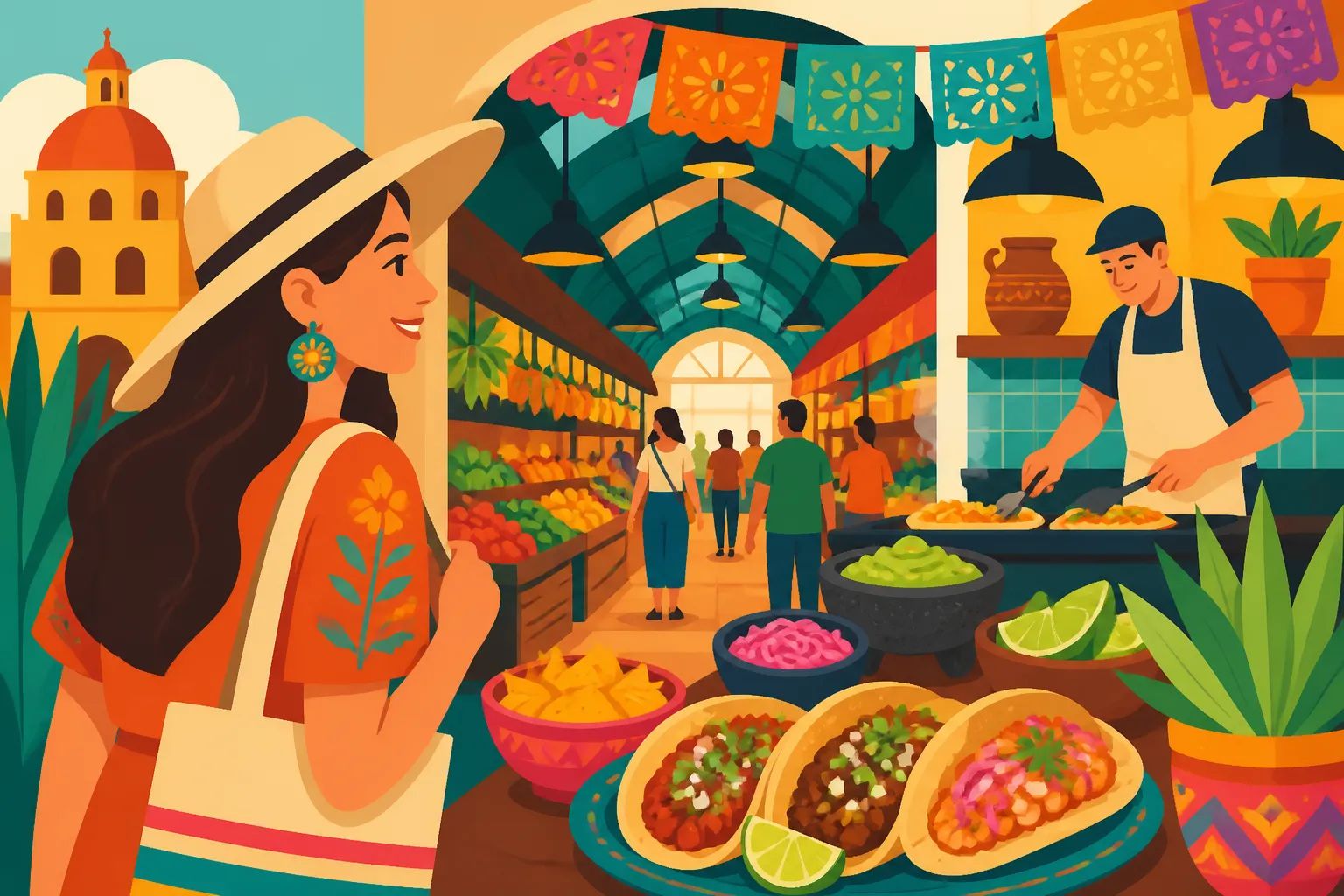
Imagine a kaleidoscope of colors: pyramids of vibrant fruits, mountains of fresh chiles, and intricate handcrafted textiles hanging from every stall. The air is thick with the scent of spices, freshly cut flowers, sizzling tacos, and roasting coffee. The sounds are a symphony of vendors calling out their wares, bargaining chatter, and mariachi music drifting from a nearby speaker. This isn't just commerce; it's a full-body sensory experience.
Beyond the immediate sensory feast, markets offer an unparalleled glimpse into the social fabric of Mexico. You'll see families shopping together, friends catching up over a plate of antojitos, and generational knowledge being passed down as vendors teach their children the art of the sale. It’s a raw, unfiltered slice of life that's utterly captivating. You'll find everything from essential produce to exotic meats, traditional remedies, clothing, shoes, household goods, and even a barber or a fortune teller tucked away in a corner. It’s a one-stop shop for daily life, and for visitors, it’s an incredible insight into how Mexicans truly live and interact.
Navigating the Organized Chaos: Tips for First-Timers
For newcomers, the sheer scale and energy of a Mexican market can be daunting. It’s not like your orderly, quiet farmers market back home. It's often loud, crowded, and at first glance, appears utterly chaotic. My first few visits felt like a maze I couldn't crack. But there's an underlying logic to it, a flow that you'll begin to understand with a little observation and practice.
My best advice for first-timers is to embrace the experience with an open mind and a sense of adventure. Don't go in with a rigid shopping list; instead, let your senses guide you. Allow yourself to wander, observe, and absorb the atmosphere. You’ll find that most vendors, even if they don’t speak English, are incredibly friendly and patient. A simple "¡Hola!" and a smile go a long way. Keep your hands free, maybe just a small crossbody bag, and wear comfortable shoes, because you'll be doing a lot of walking and standing. And remember, it's okay to feel a little overwhelmed at first – that's part of the adventure!
Types of Mexican Markets: A Spectrum of Experiences
Just like there are different types of stores, Mexico offers a fantastic variety of markets, each with its own character and specialties. Understanding these distinctions can help you choose the right market for your particular adventure.
Traditional Municipal Markets (Mercados Municipales)
These are the bedrock of Mexican commerce, often housed in large, permanent buildings that have been community staples for decades, if not longer. Think of them as the original department stores, but instead of departments, you have sections dedicated to specific goods. You'll typically find a meat section (often with butchers expertly cleaving cuts right in front of you), a seafood section, an overwhelming array of fresh produce, dried chiles and spices, flowers, tortillas, and a bustling zona de comida (food zone) where local cooks serve up hearty meals.
Take, for example, Mercado de la Merced in Mexico City, a sprawling behemoth that can truly test your sensory limits. It's legendary for its sheer size and variety, offering everything imaginable. Or the smaller, but equally charming, Mercado Benito Juárez in Oaxaca, known for its incredible range of Oaxacan cheeses, chocolate, and local crafts. These markets are where locals do their daily shopping, so the prices are generally very fair, and the quality is top-notch. They are the best places to witness the everyday hustle and bustle and to practice your Survival Spanish for Travelers in Mexico: Key Phrases.
Tianguis: The Ephemeral Street Markets
The tianguis (pronounced tee-AHN-gees) are Mexico's ancient open-air markets, dating back to pre-Hispanic times. Unlike the permanent municipal markets, these are temporary setups that pop up on specific days of the week in different neighborhoods. One day it's an empty street, the next it's transformed into a labyrinth of stalls, tarps, and vibrant activity.
The beauty of the tianguis lies in its ephemeral nature and the immediate, raw connection it offers to community life. Here, you'll often find a wider variety of clothes, second-hand goods, electronics, and, of course, an incredible selection of street food. Vendors often specialize in one or two items, and the atmosphere is electric. It's a treasure hunt every time you visit! Just know that navigating these can be intense; pathways can be narrow, and the crowds thick. Always be aware of your surroundings and keep your valuables secure. A fantastic example is the San Ángel Saturday market in Mexico City, though it's more geared towards artisanal goods, or the Wednesday tianguis in Ajijic, which draws expats and locals alike for fresh produce and prepared foods.
Artesanía Markets: Souvenirs with Soul
For those seeking mementos or unique gifts, artesanía markets are your paradise. These markets specialize in handcrafted goods, showcasing the incredible artistry and diverse cultural heritage of Mexico. You’ll find everything from intricate pottery and colorful textiles to delicate silver jewelry, vibrant folk art (like alebrijes from Oaxaca), and traditional musical instruments.
These markets are often a little less intense than their food-focused counterparts, offering more space to browse. This is also where your Bargaining at Mexican Markets: Etiquette and Tips skills will come in handy. While prices might be fixed in some higher-end shops, in a bustling artisan market, a friendly negotiation is often expected and part of the cultural exchange. Remember to be respectful, never aggressive, and always approach it with a smile. Great artesanía markets can be found in places like San Miguel de Allende, Oaxaca City, and Pátzcuaro, each region boasting its own distinct artistic traditions.
The Culinary Adventure: Mexican Food Halls and Comida Corrida
Beyond the traditional markets, Mexico also offers fantastic culinary experiences in dedicated food halls and through the beloved comida corrida concept. These can be perfect for visitors looking for a slightly more curated or convenient dining experience.
Modern Food Halls: A Curated Gastronomic Experience
In larger, more cosmopolitan cities like Mexico City or Guadalajara, you’ll find a newer breed of food hall emerging. These spaces often blend traditional Mexican flavors with contemporary culinary trends, creating a more upscale or "hipster" dining experience. They usually feature multiple independent vendors, often with specialized menus, communal seating, and a more refined ambiance than a bustling market food stall.
Places like Mercado Roma in Mexico City were pioneers in this trend, offering everything from gourmet tacos and craft beers to artisanal ice cream and exotic seafood. More recently, Mercado de San Juan in Mexico City (distinct from the massive La Merced) has become famous for its stalls selling exotic meats like venison, lion, or crocodile, alongside more traditional offerings – a truly adventurous culinary stop! These modern food halls offer a fantastic opportunity to sample a diverse range of high-quality Mexican and international cuisine in a comfortable, often air-conditioned, environment. They’re a great choice if you're with a group and everyone wants something different, or if you're looking for something a bit more polished than a street-side stand. You might even find some unique culinary tours offered through platforms like Viator that focus on these modern foodie havens.
Comida Corrida: The Budget-Friendly Lunchtime Feast
If you're looking for an authentic, delicious, and incredibly affordable lunch, you absolutely must experience a comida corrida. This literally translates to "running meal" and is a set, multi-course menu offered by countless small restaurants (fondas or cocinas económicas) primarily during lunchtime (typically from 1 PM to 4 PM). It's a lifesaver for budget travelers and a beloved staple for locals.
A typical comida corrida will include:
- Soup (Sopa): Usually a light broth or cream soup.
- Rice or Pasta (Sopa Seca): Often a small portion of Mexican red rice or a simple pasta salad.
- Main Dish (Plato Fuerte): This is the star, with options like pollo en mole, milanesa, cochinita pibil, or chiles rellenos. It almost always comes with a side of fresh tortillas.
- Drink (Agua Fresca): A refreshing natural fruit drink like jamaica (hibiscus), horchata (rice milk), or limón.
- Dessert (Postre): Usually something small and simple, like a flan, jelly, or a piece of fruit.
The beauty of the comida corrida is its value. For anywhere from 70 to 150 pesos (roughly $4-8 USD), you get a substantial, homemade meal. To find a good one, look for signs outside smaller eateries proclaiming "Menú del Día" or "Comida Corrida." Places bustling with locals are usually a good bet for freshness and flavor. It's a fantastic way to enjoy Mexican Food Culture: Eating and Drinking as a Visitor without breaking the bank.
Essential Tips for Conquering Mexican Markets and Food Halls
Having spent years navigating these vibrant spaces, I've picked up a few crucial lessons that can make your experience smoother and more enjoyable.
Language, Currency, and Haggling Etiquette
- Language: While many vendors in tourist zones will have some English, learning a few key Spanish phrases will go a long way. "Cuánto cuesta?" (How much does it cost?), "Está rico" (It's delicious), "Gracias" (Thank you), and "Por favor" (Please) are excellent starters. Even a small effort is genuinely appreciated.
- Currency: Always, and I mean always, carry small denominations of Mexican pesos (20, 50, 100 peso notes). Many smaller stalls or street food vendors won't have change for a 500 peso bill, and it can be frustrating for everyone. Remember, many market vendors operate solely on cash. Check out Money for Travel in Mexico: Cash, Cards, and ATMs for more in-depth advice.
- Haggling: In artesanía markets, haggling is common and often expected. Start by offering about 20-30% below the asking price and work your way up. However, for food items in municipal markets or tianguis, produce, and especially prepared food like tacos, the prices are typically fixed. Don't try to haggle over a 20 peso taco; it's considered disrespectful. Always maintain a friendly demeanor, even when negotiating.
Food Safety and Hygiene: Eating with Confidence
This is where many visitors get nervous, and understandably so. The thought of "Montezuma's Revenge" can be a powerful deterrent. But with a few sensible precautions, you can enjoy the incredible street food and market fare without worry.
- Look for Busy Stalls: This is my golden rule. High turnover means the food is fresh and hasn't been sitting out for long. If a stall is packed with locals, it’s usually a very good sign.
- Observe Cleanliness: While not every stall will be spotless, look for vendors who handle food hygienically – wearing gloves, using separate utensils for raw and cooked food, and keeping their surfaces relatively clean.
- Cooked, Hot Food: Opt for foods that are cooked to order and served piping hot. Frying, grilling, or boiling kills most bacteria. Avoid anything that looks like it's been sitting lukewarm for a while.
- Peel it, Boil it, Cook it, or Forget it: This old traveler's adage still holds true for fresh produce. If you can peel it (like bananas or oranges), it’s generally safer. If you’re buying fruit or vegetables to eat raw, make sure you can wash them thoroughly with purified water or buy them from a trusted source.
- Bottled Water and Aguas Frescas: Stick to bottled water. If you try aguas frescas, ensure they are made with purified water (most reputable vendors will use it). Sometimes you can even see them pouring from a garrafón (large water dispenser).
- For more detailed advice on this, check out Traveler’s Diarrhea (Montezuma’s Revenge): Prevention and Treatment.
Staying Safe and Aware: Personal Security in Bustling Spaces
Markets are busy places, and unfortunately, they can attract petty thieves. This isn't unique to Mexico, of course, but it's always wise to be prepared.
- Minimize Valuables: Leave expensive jewelry, large amounts of cash, and unnecessary credit cards at your accommodation. Only bring what you need.
- Secure Your Belongings: Use a cross-body bag that you can keep in front of you, or a money belt under your clothes. Avoid keeping wallets in back pockets or open tote bags.
- Stay Alert: Be aware of your surroundings, especially in crowded aisles. Avoid getting too engrossed in your phone or camera.
- Trust Your Gut: If a situation or person feels off, politely excuse yourself and move to a different area.
- Travel Insurance: It's always a good idea to have comprehensive travel insurance, just in case. Platforms like Booking.com often offer options to add travel insurance when you book accommodations, providing an extra layer of peace of mind.
What to Buy and Try: A Treasure Chest of Mexican Delights
Okay, now for the fun part! What exactly should you seek out in these incredible markets? The options are endless, but here are some must-tries.
Fresh Produce and Local Ingredients
Prepare to be amazed by the variety. Beyond the familiar, you'll discover:
- Exotic Fruits: Mamey, chirimoya, guanábana, pitaya, sapote – many of which you’ve likely never seen or tasted. Don't hesitate to point and ask a vendor to help you choose a ripe one or even give you a sample.
- Chiles, Chiles, Chiles! Fresh or dried, the array is staggering. From mild poblano to scorching habanero, learning about them is a culinary journey in itself.
- Local Herbs and Spices: Epazote, hoja santa, cilantro, and countless dried spices that form the backbone of Mexican cuisine.
- Nopal (Cactus Paddles): A staple vegetable, often prepared grilled or in salads. Don't be shy about trying it!
- Queso Fresco: Fresh, crumbly cheese, perfect for topping tacos or eating on its own.
Street Food Staples and Regional Specialties
This is where Mexico truly shines! For a full immersion, you should definitely check out Street Food in Mexico: Tacos, Tamales, and More.
- Tacos: Of course! From tacos al pastor (my personal favorite, spit-roasted pork with pineapple) to suadero, carnitas, barbacoa, and vegetarian options with potatoes and cheese. Each region, sometimes each vendor, has their own specialty. Learn How to Eat Tacos Like a Local in Mexico to really fit in.
- Tamales: Steamed masa dough, often filled with meat, cheese, or fruit, wrapped in corn husks or banana leaves. A perfect breakfast or snack.
- Esquites or Elotes: Roasted corn, served in a cup (esquites) or on the cob (elote), topped with mayonnaise, cheese, chili powder, and lime. Absolute heaven!
- Tortas: Hearty sandwiches served on a crusty roll, typically filled with various meats, cheese, avocado, and pickled jalapeños.
- Quesadillas: Often made with fresh masa dough, grilled and filled with cheese, mushrooms, huitlacoche (corn smut, a delicacy!), or flor de calabaza (squash blossoms).
- Aguas Frescas: Refreshing drinks made from fresh fruits, grains, or flowers, like jamaica, horchata, tamarindo, or sandía (watermelon).
- Tlacoyos: Oval-shaped corn tortillas, often stuffed with beans or cheese, then topped with salsa and cheese.
Handicrafts, Textiles, and Unique Souvenirs
Mexico is renowned for its incredible artisan traditions.
- Ceramics and Pottery: From the vibrant Talavera ware of Puebla to the black pottery of Oaxaca (barro negro), each region has distinct styles.
- Textiles: Intricately embroidered blouses (huipiles), shawls (rebozos), and colorful woven rugs (tapetes) from Oaxaca are particularly stunning.
- Silver Jewelry: Taxco is famous for its silver, but you’ll find beautiful pieces throughout Mexico. Look for the ".925" stamp indicating sterling silver.
- Alebrijes: Whimsical, brightly painted wooden carvings of fantastical creatures, especially prominent in Oaxaca.
- Woven Baskets and Bags: Practical and beautiful, often made from natural fibers.
Remember, every market is an opportunity for discovery. Don't be afraid to try new things, ask questions (even with a language barrier!), and engage with the friendly vendors. They are often proud of their products and happy to share a bit of their culture with you.
Comparing Mexican Market Experiences
To help you decide which market experience best suits your preferences, here’s a quick overview:
| Feature | Municipal Markets (Mercados Municipales) | Tianguis (Street Markets) | Modern Food Halls (e.g., Mercado Roma) | Comida Corrida (Fondas/Cocinas Económicas) |
|---|---|---|---|---|
| Typical Goods | Fresh produce, meats, seafood, dry goods, flowers, prepared food, household items | Produce, street food, clothing, used goods, electronics, crafts (varies by location) | Gourmet street food, craft beverages, international fusion, artisanal products | Set menu (soup, main, drink, dessert), traditional homemade meals |
| Vibe | Traditional, bustling, authentic, daily local life, sensory overload | Lively, temporary, energetic, treasure hunt, community gathering | Trendy, curated, comfortable, modern, often more upscale atmosphere | Cozy, homey, no-frills, local lunch spot, busy during lunchtime |
| Cost | Very affordable | Very affordable | Mid-range to higher-end (for individual items, not a set menu) | Extremely affordable |
| Comfort | Indoors, but can be crowded, warm, and loud | Outdoors, exposed to elements, crowded, can be intense | Indoors, air-conditioned, seating available, restrooms, more comfortable | Basic seating, simple decor, can be packed during peak lunch hours |
| Hygiene | Varies by stall; look for high turnover; generally good for hot food | Varies greatly; prioritize busy, clean-looking stalls for food | Generally high standards, regulated | High standards expected for local reputation, typically very clean kitchens |
| Best For | Daily essentials, deep cultural immersion, traditional food | Unique finds, specific street food, experiencing local weekly routine | Diverse gourmet options, social outings, comfortable dining, modern vibe | Authentic, budget-friendly, hearty lunch; quick, satisfying meal |
| Haggling | Generally not for food; sometimes for non-food items | Sometimes for non-food items, less common for produce or street food | Not applicable | Not applicable |
This table provides a generalized overview, and individual experiences may vary. However, it should give you a good starting point for choosing your market adventure in Mexico. If you're looking for organized tours that take you through some of these markets with an expert guide, you might find some great options on Busbud if you're traveling between cities to reach a specific market, or Viator for local food and culture tours.
Disclaimer
The information provided in this guide is for general informational purposes only and does not constitute professional advice. While we strive to provide accurate and up-to-date information, local conditions, prices, and regulations in Mexico can change rapidly. Always exercise caution, use common sense, and verify information with local authorities or trusted sources when necessary. We are not responsible for any incidents or issues that may arise from using this information.