Bargaining at Mexican Markets: Etiquette and Tips
Stepping into a bustling mercado in Mexico for the first time can be an exhilarating, yet sometimes bewildering, experience for foreigners. The vibrant colors, the tantalizing aromas, the cacophony of vendors calling out their wares—it’s a sensory overload that’s truly unique. But then comes the moment of truth: you spot a beautiful, handcrafted item, and the vendor tells you a price. Instantly, the question looms large: should I bargain? Many of us expats, especially from cultures where fixed pricing is the norm, feel a deep discomfort at the idea of haggling. Is it rude? Is it expected? This comprehensive guide is here to demystify the art of bargaining, or regateo, in Mexico, helping you navigate market interactions with confidence, respect, and perhaps, a little less cash in your pocket.
Disclosure: This post may contain affiliate links. We may earn a commission at no extra cost to you if you make a purchase through these links. Read full disclosure.
The Art of the Regateo: What is Bargaining in Mexico?
Let's get one thing straight from the start: regateo in Mexico isn't about aggressively beating down a vendor's price to an absurd level. It's not a fight to the death over a few pesos. Instead, it's often a subtle, almost theatrical, negotiation that's deeply woven into the fabric of market culture. Think of it less as a confrontation and more as a conversation, a gentle dance between buyer and seller that, when done right, leaves both parties feeling satisfied. It's about finding a price point that acknowledges the value of the item and the vendor's livelihood, while also feeling fair to you. This isn't just about saving money; it’s about engaging in a time-honored tradition and connecting with the local way of life.
Where Bargaining is Common and Expected
Understanding when to bargain is just as crucial as how to bargain. You don't want to try to negotiate the price of your milk at the corner store, but you also don't want to overpay significantly for an artisan craft. Generally, if you're in a place that feels like a traditional market, especially one geared towards tourists or featuring handmade goods, bargaining is often not only accepted but anticipated.
Consider places like the sprawling mercados artesanales in Oaxaca or San Miguel de Allende, where vendors are selling everything from pottery and textiles to leather goods and jewelry. These are prime locations for regateo. Vendors here often inflate their initial prices for tourists, expecting a bit of back-and-forth. It’s part of the interaction, a way to test the waters and see how serious a buyer you are. The same goes for flea markets (tianguis) or street stalls selling souvenirs. If an item doesn't have a clear, printed price tag, it's usually fair game for a polite negotiation. Even small, independent shops that feel more like a permanent stall than a formal boutique can be open to a little regateo, especially if you're buying multiple items. Think about the market experience itself: the lively atmosphere, the personalized interactions, the sense of discovery. This is where bargaining thrives. To truly immerse yourself in these vibrant spaces, take a look at our guide to Mexican Markets and Food Halls for Visitors.
Where Bargaining is Not Appropriate
Just as important as knowing where to bargain is knowing where not to. There are definite lines you should not cross, as doing so can be seen as disrespectful or simply baffling to the vendor. Supermarkets, department stores, and modern chain stores with clearly marked prices are absolute no-go zones for bargaining. Imagine trying to haggle over the price of a can of beans at a Chedraui or Walmart—you’d get some very confused stares, and perhaps even a chuckle. Similarly, formal restaurants, established cafes, and upscale boutiques usually operate on fixed pricing. The person serving you at a restaurant, for example, has no authority or expectation to negotiate the cost of your meal, so trying to do so would be incredibly awkward and inappropriate. When it comes to everyday services, like a ride in an Uber or a bus ticket purchased through platforms like Busbud, the price is set. Don't try to bargain with the driver or the ticket agent. Think of it this way: if the establishment feels like a "regular" business you'd find in your home country with standard retail practices, fixed prices are almost certainly the rule. It's about respecting the established business models and the livelihoods of the people working within them.
Understanding the Mexican Market Culture
The act of bargaining in Mexico is far more than a transactional exchange; it's a window into the country's rich social and cultural tapestry. It’s important to approach these interactions with a sense of cultural understanding, not just a desire to get the lowest price. This appreciation will not only make your market experiences more enjoyable but often more successful too.
The Social Aspect of Buying and Selling
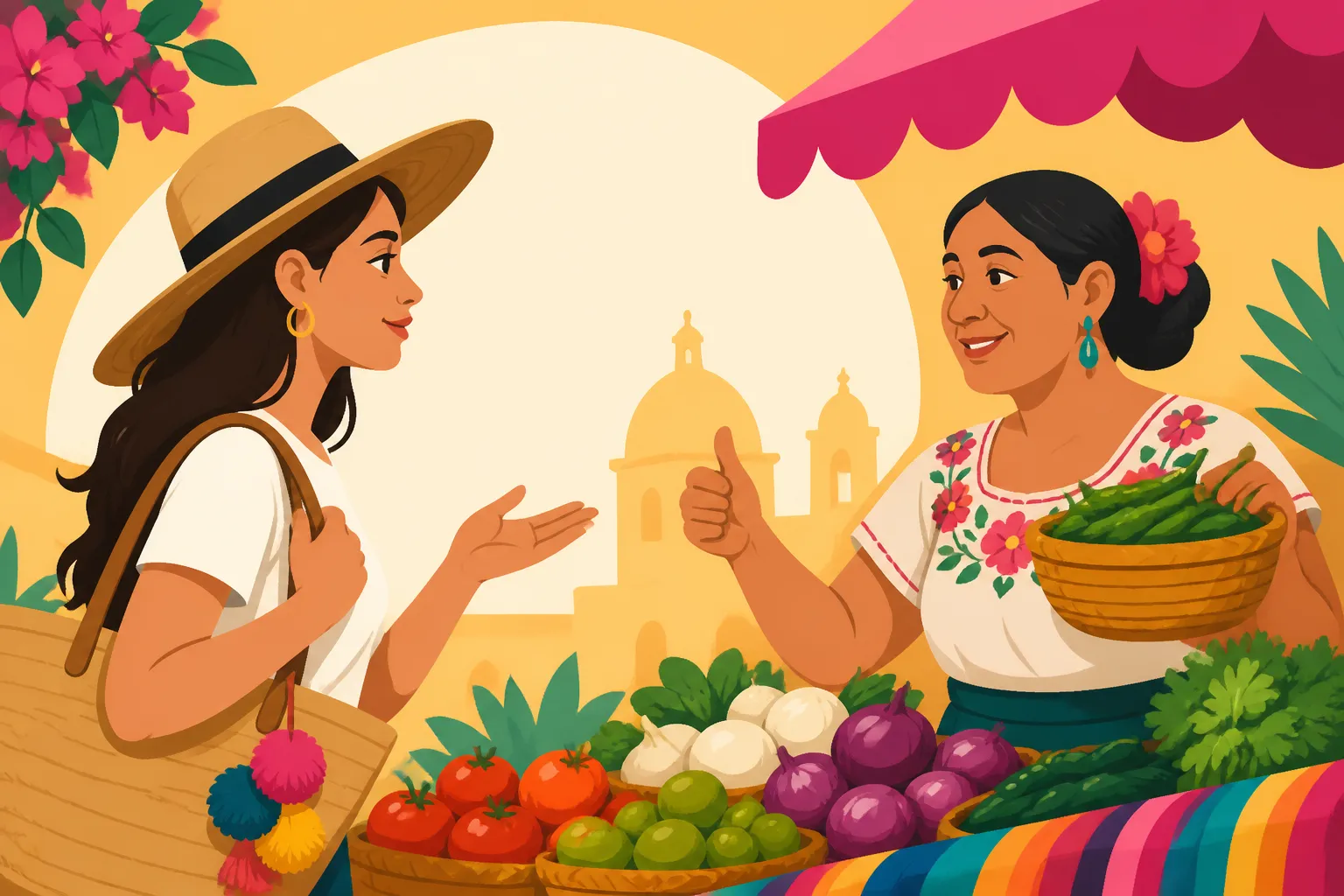
In many Mexican markets, the relationship between buyer and seller is paramount. It’s not just about the money changing hands; it’s about the human connection. A vendor might spend several minutes chatting with you about your day, where you’re from, or even offer you a taste of something before discussing prices. This social interaction is part of the experience, and rushing straight to the lowest offer can be seen as rude or dismissive. Think of it as building a small, temporary bridge of connection. They might call you mija or mijo (a term of endearment, like "my daughter" or "my son"), or offer you a "special price just for you." These aren't necessarily tricks; they're part of the convivial nature of commerce here.
This social dance is also where you’ll notice that Mexicans often like to take their time. A quick, aggressive "how much for this? I’ll give you half" isn't going to fly. Instead, a pleasant greeting, a compliment on their goods, and a genuine interest in their craft can go a long way. It sets a positive tone, demonstrating that you value their work and their time, not just the potential deal. This is a country where politeness and warmth are highly valued, and transactional efficiency is often secondary to good manners.
Respecting the Artisan and Their Work
Many of the items you'll find in Mexican markets, especially the truly special ones, are artesanías—handicrafts. These aren't mass-produced factory goods; they are often the result of generations of skill, intricate labor, and a deep connection to cultural heritage. From hand-embroidered textiles to intricately painted pottery, each piece carries a story and hours of dedication. When you’re bargaining, it’s crucial to remember this inherent value. Starting with an insultingly low offer not only disrespects the artisan's skill but also their time and effort. It implicitly devalues their culture and their livelihood.
Imagine a weaver who spent weeks creating a intricate rebozo, or a potter who meticulously painted each detail on a alebrije. Their prices reflect not just the materials, but the artistry, the tradition, and the countless hours poured into their craft. While an initial price might have a tourist markup, the goal of regateo should be to find a fair price that still honors their work. If you truly love a piece, sometimes paying closer to the asking price is worth it, knowing you’re supporting a local artist directly. You can find out more about these beautiful creations in our guide to Mexican Crafts (Artesanías): What to Buy and Where.
Essential Etiquette for Successful Bargaining
Now that you understand the cultural context, let's dive into the practical aspects of how to bargain respectfully and effectively. This isn't about being cunning; it's about being personable and polite.
Approaching the Vendor and Starting the Conversation
Your interaction begins before you even utter a price. Always start with a friendly greeting. A simple "¡Hola!" or "¡Buenos días/tardes!" will do wonders. Never just point at an item and demand a price. Engage them, perhaps with a smile and a nod. If you can, compliment their wares. "¡Qué bonito!" (How beautiful!) or "¡Qué trabajo tan increíble!" (What incredible work!) can break the ice and establish a rapport. This immediately sets a positive tone and shows you appreciate their efforts, rather than just seeing them as a transaction point.
Once you’ve established this initial connection, you can then inquire about the price. "Disculpe, ¿cuánto cuesta esto?" (Excuse me, how much does this cost?) is a perfectly polite way to begin. If you're looking at multiple items, you might ask about them individually or together, depending on your intent. Remember to maintain eye contact and a friendly demeanor throughout. Rushing or appearing distracted will signal disrespect and make the vendor less inclined to engage in a positive negotiation. Many vendors will appreciate your efforts to speak Spanish, even if it's basic. For more useful phrases, check out Survival Spanish for Travelers in Mexico: Key Phrases.
The Dance of Negotiation: Step-by-Step Guidance
Once you have the initial price, the dance begins. Don't accept the first price immediately, especially if you suspect it's inflated. However, don't immediately counter with a ridiculously low offer. A good rule of thumb is to start with an offer that feels fair to you but leaves room for movement. Many seasoned bargainers suggest starting around 50-60% of the initial asking price for tourist-heavy areas, and then slowly moving up. In less touristy markets, the initial price might be closer to fair value, so a smaller negotiation (perhaps 10-20% off) might be more appropriate.
Here's a hypothetical scenario:
Vendor: "Son 500 pesos." (It's 500 pesos.)
You: (Smiling) "Ay, está muy bonito, pero es un poco caro para mí. ¿Me lo dejaría en 300 pesos?" (Oh, it's very beautiful, but it's a bit expensive for me. Could you leave it for me at 300 pesos?)
Vendor: "No, señor/señora. Es trabajo hecho a mano. Se lo puedo dejar en 450." (No, sir/ma'am. It's handmade work. I can leave it for you at 450.)
You: "Entiendo que es artesanal. ¿Y si le doy 350?" (I understand it's handmade. What if I give you 350?)
Vendor: "Mmm, ¿qué tal 400 pesos y es suyo?" (Hmm, how about 400 pesos and it's yours?)
You: (Pause, perhaps a gentle sigh, then a smile) "De acuerdo, 400 pesos. Gracias." (Agreed, 400 pesos. Thank you.)
Notice the gradual increase and the polite language. The vendor will often come down in increments, and you should too. The goal is to meet somewhere in the middle that feels agreeable to both. If you're buying multiple items, that's your strongest bargaining chip. Ask for a "precio para llevar varios" (price for taking several) or "precio especial por todo" (special price for everything). This often results in a better deal per item. Remember, the negotiation should feel light and friendly, never aggressive or demanding.
Knowing When to Walk Away (and When Not To)
The art of walking away is a classic bargaining tactic, but it needs to be used judiciously in Mexico. Sometimes, a gentle "Gracias, lo pensaré" (Thank you, I'll think about it) and a slow walk away can prompt a vendor to call you back with a better offer. This works best when the vendor senses you're genuinely interested but truly feel the price is too high. However, don't abuse it. If you've already had a good back-and-forth and the price feels fair, walking away might just mean you lose the item.
If a vendor is firm and you genuinely can't agree on a price, it's perfectly fine to politely decline. "Gracias de todos modos, que tenga un buen día" (Thanks anyway, have a good day) is a respectful way to end the interaction. Don't take it personally if they don't budge; they might have their reasons, or perhaps their margins are genuinely slim. Remember, your goal isn't to exploit them but to find a mutually agreeable price. If the price is simply out of your budget, don't feel pressured. There are often similar items at other stalls, so it's worth exploring the entire market. For extensive market shopping, knowing where to stay can be useful, so consider checking Booking.com for hotels near popular market areas.
Practical Tips and Phrases for Bargaining
Being prepared can make all the difference. Beyond the right attitude, having a few practical tools in your arsenal will help you navigate the markets like a seasoned pro.
Key Spanish Phrases for the Market
Even if your Spanish is limited, a few key phrases can unlock much smoother interactions and show respect. Here's a quick cheat sheet:
| English Phrase | Spanish Phrase | When to Use It |
|---|---|---|
| Hello / Good morning / Good afternoon | ¡Hola! / ¡Buenos días! / ¡Buenas tardes! | Always start with a greeting. |
| How much does this cost? | ¿Cuánto cuesta esto? | To inquire about the price. |
| Is it expensive? (too expensive) | ¿Es muy caro? | A gentle way to indicate the price is high for you. |
| It’s a bit expensive for me. | Es un poco caro para mí. | More polite than "it's expensive." |
| Can you lower the price a little? | ¿Me puede bajar un poquito el precio? | A direct but polite request for a discount. |
| How much is the least you can give it to me for? | ¿Cuánto es lo menos que me lo deja? | A common phrase to ask for the lowest price. |
| I'll give you amount pesos. | Le doy cantidad pesos. | Your counter-offer. |
| What if I buy two/three? (special price for multiple items) | ¿Y si le compro dos/tres? / ¿Hay precio por mayoreo? | When buying more than one item. "Por mayoreo" means wholesale. |
| Thank you! | ¡Gracias! | Always, at the end of the interaction. |
| No, thank you. | No, gracias. | Polite refusal if you can't agree on a price. |
| Have a good day! | ¡Que tenga un buen día! | Polite farewell, whether you bought something or not. |
Practicing these phrases beforehand will boost your confidence. Don't be afraid to try! Most vendors appreciate the effort. You can also use a translation app if you get stuck, but try the Spanish first.
Bringing Small Bills and Exact Change
This is a really important practical tip for any market or street vendor interaction in Mexico, especially when bargaining. When you're dealing in smaller amounts, a vendor might genuinely struggle to break a 500 or 1000 peso note for a 50 peso purchase, even if the final price was negotiated down. Always try to carry a good supply of smaller denominations: 20s, 50s, and 100s, perhaps a few 200 peso notes. This makes the transaction smoother and lessens any potential friction.
Moreover, if you agree on a price, say 80 pesos, and you hand them a 100 peso note, they might not have the 20 pesos change readily available. This can either halt the sale or, in some cases, you might end up paying the higher amount simply because it’s too much trouble for them to find change. Having the exact amount or close to it shows that you’re prepared and serious about the purchase. It also avoids any potential confusion or misunderstandings about change, which can sometimes arise due to language barriers or simply the fast pace of a busy market. Always check your change before walking away, just as a good practice. Learn more about managing your money in Mexico with our guide to Cash vs Card in Mexico: What Visitors Should Know.
Avoiding Common Pitfalls and Tourist Traps
Even with the best intentions, it's easy to stumble into common traps or misunderstandings when you're new to the Mexican market scene. A little foresight can save you money and headaches.
The "Gringo Price" Phenomenon
Let's address the elephant in the room: the "gringo price" or "tourist price." It's a reality that, in many tourist-heavy areas, vendors will often quote a higher initial price to foreigners than they would to a local. This isn't always malicious; sometimes it's an opportunistic attempt, sometimes it's because they assume tourists have more money, and sometimes it's simply part of the expected bargaining game where the initial price is just a starting point. It’s a bit of a game, and knowing it exists is your first step to navigating it.
Don't let it make you cynical or angry. Instead, approach it as part of the market experience. This is precisely why bargaining is so common and expected in these contexts. Your job as a discerning buyer is to respectfully negotiate towards a fair price, understanding that the initial offer might be inflated. If you feel the price is truly exorbitant, even after negotiation, don't be afraid to walk away. There are usually many stalls selling similar items, and a quick walk to a different vendor might reveal a more reasonable starting point or a vendor more willing to negotiate. Remember that your goal isn't to "win" against the vendor, but to reach a price that feels equitable for both parties.
Beware of Aggressive Sales Tactics
While most Mexican market vendors are warm and friendly, you might occasionally encounter more aggressive sales tactics, particularly in highly tourist-centric areas like Cancún, Playa del Carmen, or Puerto Vallarta. This might involve vendors calling out to you repeatedly, trying to physically hand you items, or following you around their stall. It can feel overwhelming and sometimes pushy.
The best strategy here is to be polite but firm. A friendly "No, gracias" (No, thank you) with a smile and a continued walk is usually sufficient. Avoid making eye contact or engaging in conversation if you're not genuinely interested, as this can sometimes be interpreted as an invitation for further sales pitches. If a vendor tries to put an item in your hand, politely but firmly refuse or hand it back. You are under no obligation to buy something just because you touched it or looked at it. Your boundaries are important, and maintaining a polite but resolute demeanor will help you navigate these situations without feeling pressured or uncomfortable. Remember, you're there to enjoy the experience, and that includes feeling comfortable with your choices.
Beyond Bargaining: Supporting Local Artisans and the Economy
While getting a good deal feels great, it's also important to remember the larger picture when you're shopping in Mexican markets. Your purchases, whether bargained or not, have a real impact.
The Value of Your Purchase
Every peso you spend in a local market or directly from an artisan goes a long way. It supports families, preserves traditional crafts, and helps sustain local economies. Unlike purchasing from large retail chains, your money directly benefits the people who pour their heart and soul into creating these unique items. When you buy a hand-painted ceramic, you're not just getting a souvenir; you're taking home a piece of Mexican culture and craftsmanship.
Sometimes, the difference between a bargained price and the initial asking price is only a few dollars in your currency, but those few dollars can mean a significant difference to a local vendor. If the price feels fair, and you can afford it, consider paying it. The feeling of knowing you've directly supported an artisan and their community can be far more rewarding than saving a couple of pesos. This philosophy aligns with our broader advice on Mexican Etiquette and Customs: Do's and Don'ts for New Expats, emphasizing respect and understanding.
Exploring Different Shopping Avenues
While markets are fantastic for handicrafts and a true cultural experience, Mexico offers a diverse range of shopping opportunities. You might find higher-end artisan shops, cooperatives, or galleries where prices are fixed and reflect the curated nature and quality of the goods. These places often provide certificates of authenticity or more detailed information about the artists, and are excellent for finding truly exquisite, one-of-a-kind pieces. In these establishments, bargaining is generally not expected or appropriate, similar to how you wouldn't haggle in a gallery back home.
For everyday items, supermarkets and larger stores are, of course, where you'll do your shopping, and the prices are fixed. For a broader range of shopping experiences, from upscale malls to vibrant street markets, you can explore guides like Shopping in Mexico City: Markets to Malls or What Are the Best Things to Buy in Mexico?. The key is to recognize the context of where you are shopping and adjust your approach accordingly. Whether you’re finding a unique souvenir at a bustling mercado or picking up groceries, understanding the local customs will enrich your experience of living in or visiting Mexico.
Disclaimer
The information provided in this guide is for general informational purposes only and does not constitute professional advice. While we strive to provide accurate and up-to-date information, local customs, prices, and regulations can change. Always exercise common sense and discretion when interacting with vendors and making purchases in Mexico.