Cash vs Card in Mexico: What Visitors Should Know
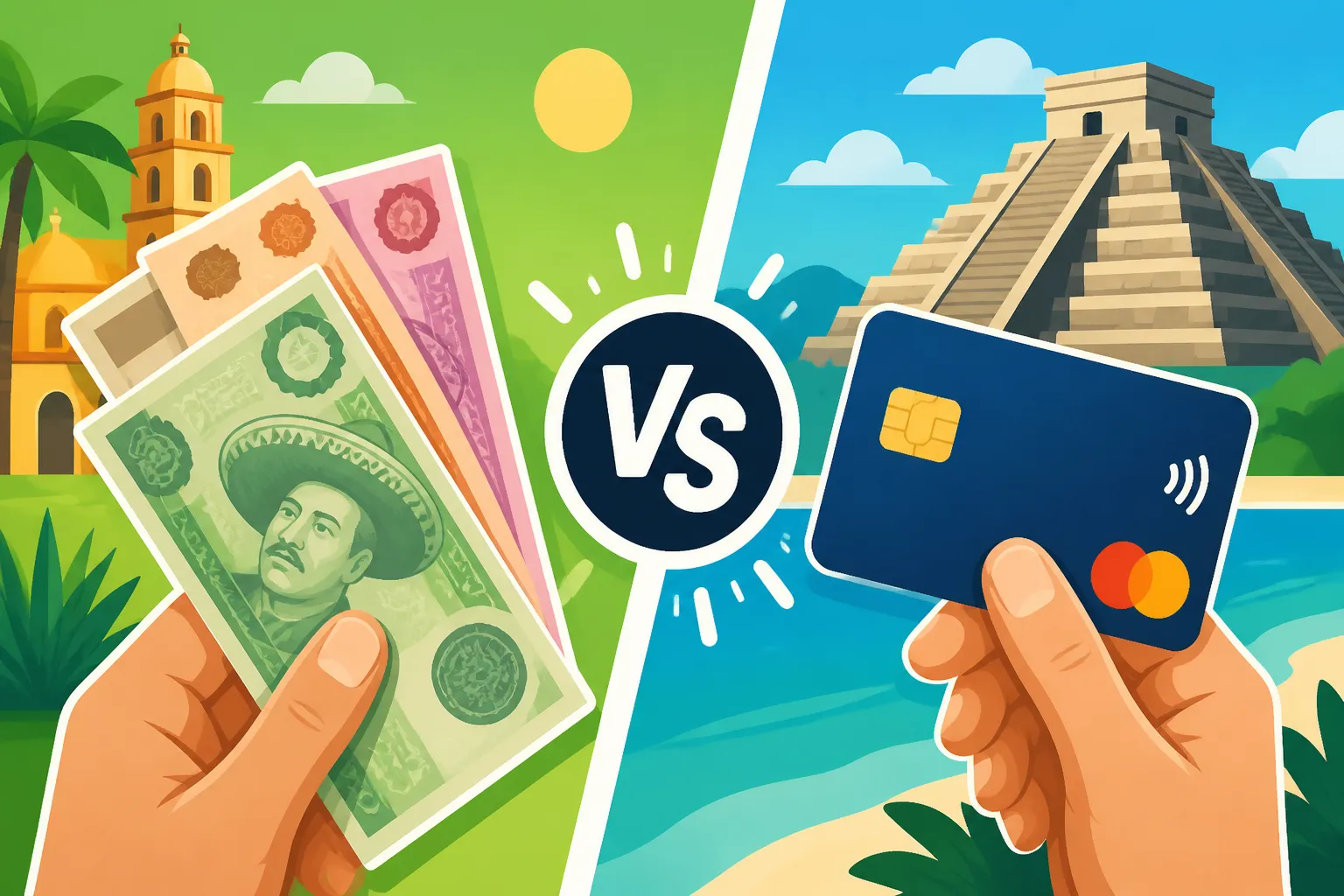
Ah, the age-old question that keeps many of us expats and tourists scratching our heads the moment we step off the plane in Mexico: "Should I use cash or card?" It’s a completely valid worry, because the answer isn't a simple "always cash" or "always card." Mexico operates on a fascinating blend of both, and figuring out when to use which can save you a whole lot of hassle, unexpected fees, and even keep you safer. This guide is here to untangle that financial knot, giving you the real-world lowdown on managing your money for a smooth and enjoyable visit.
Disclosure: This post may contain affiliate links. We may earn a commission at no extra cost to you if you make a purchase through these links. Read full disclosure.
The Enduring Reign of Cash (Pesos, Please!)
Let me tell you, after years of living here, I’ve learned that while plastic has made inroads, cash—specifically Mexican pesos—is still the undeniable king in many facets of daily life, especially for visitors. Trying to get by solely with a card is going to leave you in some awkward situations, trust me.
Why Cash is Still King in Many Scenarios
Think about it: Mexico has a vibrant street culture. From the aroma of sizzling tacos at a corner stand to the artisan selling beautiful handmade crafts in a plaza, these are often cash-only transactions. Many smaller businesses, even sit-down restaurants in less touristy areas, might not have card terminals, or if they do, they prefer cash to avoid processing fees and sometimes, well, for simplicity. If you're planning to explore the authentic side of Mexico, venturing into local markets, sampling street food, or paying for smaller services like a shoe shine, cash is your only option.
Consider the bustling tianguis or local markets that pop up weekly in many towns. The vendors, often selling fresh produce, clothing, or household goods, operate on thin margins. A card transaction would eat into their profits significantly. Imagine trying to buy a delicious elote (grilled corn on the cob) from a street vendor with a credit card – you'd get a polite but firm "no." These are the charming, everyday experiences that define Mexico, and they largely run on pesos. Relying on cash for these moments not only ensures you can participate fully but also often means you're getting the best local price, as some smaller vendors might even add a slight surcharge for card payments to cover their costs, if they accept them at all.
How Much Cash Should You Carry?
This is the golden question, isn't it? It really depends on your daily activities, where you are in Mexico, and your comfort level. In big tourist hubs like Cancún, Playa del Carmen, or certain neighborhoods in Mexico City, you might get by with less cash for dining and major purchases. However, for everyday expenses, small purchases, tips, and emergencies, you absolutely need cash. A good rule of thumb for most visitors is to have MXN $500 to $1,500 pesos on hand per person per day. This isn't for lavish spending but covers meals, drinks, souvenirs, minor transportation, and tips.
For instance, if you're planning a day trip to a smaller town or visiting archaeological sites where vendors are plentiful, having closer to the MXN $1,000 to $1,500 range is wise. For example, a visit to the beautiful town of San Miguel de Allende might involve buying artisanal goods, paying for a charming cafe lunch that's cash-only, and tipping a mariachi band. Always factor in tipping in Mexico (Propina): When and How Much for every service from tour guides to restaurant staff, as tips are almost always given in cash. Don't carry a huge wad of cash – that's just asking for trouble – but enough to comfortably get through a full day or two without needing an ATM run.
The Importance of Small Denominations
This is a critical tip, and one many first-timers overlook. Mexico's currency denominations go from small coins (like $1, $2, $5, $10 pesos) up to large bills ($20, $50, $100, $200, $500, $1,000 pesos). While having a MXN $500 or $1,000 peso bill feels substantial, trying to pay for a MXN $30 taco with a $500 note is like trying to pay for a coffee with a $100 bill back home. Vendors, especially small ones, often don't have enough change, and it can be a real inconvenience for them.
Always try to break larger bills whenever you can. A good strategy is to make your first purchase of the day at a larger establishment like a supermarket (Soriana, Chedraui, Walmart) or a pharmacy (Farmacias Guadalajara, Farmacias del Ahorro) where they are accustomed to making change. Even paying for a meal at a mid-range restaurant with a $200 or $500 bill is fine, but try to keep a stash of $20, $50, and $100 peso notes for smaller transactions. These smaller bills are your best friends when dealing with street vendors, paying for a quick ride in a local taxi, or buying a bottle of water from a convenience store. Trust me, having that stack of small bills makes you feel like a pro, and locals will appreciate it immensely.
Navigating Card Payments: Plastic Fantastic or Problematic?
While cash holds sway, credit and debit cards are by no means obsolete in Mexico. They have their place, particularly in more established businesses and for larger expenditures. However, using them wisely means being aware of both their advantages and potential pitfalls.
Where Credit and Debit Cards Shine
Credit and debit cards are fantastic for larger, more formal transactions. Think hotels, major restaurant chains, large supermarkets, department stores, and booking tour excursions. If you're reserving a stay through Booking.com, you'll almost certainly use your card online. Similarly, if you're buying tickets for an experience through Viator, your card is the way to go. These establishments are generally well-equipped with reliable card terminals, and the transactions tend to be smooth. Many higher-end boutiques and larger businesses in tourist areas also readily accept cards, providing a convenient and secure way to pay without carrying huge amounts of cash.
For travel between cities, services like Busbud allow you to book bus tickets online with a card, which is incredibly convenient and often provides better seat selection. Just make sure the website you're using is reputable. Using your card for significant purchases also offers a layer of protection through your bank or credit card company, which can be invaluable if something goes wrong with a transaction. This is particularly useful for things like car rentals in Mexico, where a credit card is often required for the deposit.
The Hidden Costs: Foreign Transaction Fees and Dynamic Currency Conversion (DCC)
Ah, the sneaky fees! Many foreign credit and debit cards charge a "foreign transaction fee," typically between 1% and 3% of each purchase. This might not sound like much, but it adds up quickly. Before you travel, call your bank to find out if your card has these fees. Many travel-focused credit cards specifically advertise no foreign transaction fees, and these are highly recommended for international travel.
Even more insidious is Dynamic Currency Conversion (DCC). This happens when a vendor or ATM offers to process your transaction in your home currency (e.g., USD, CAD, EUR) instead of Mexican pesos. While it might seem convenient to see the price in a familiar currency, always, always decline this option. DCC means the vendor or ATM sets their own inflated exchange rate, which is almost always worse than your bank's rate. Always choose to be charged in Mexican Pesos (MXN). Your bank will then convert it at the interbank rate, which is usually much fairer. This simple choice can save you a surprising amount of money over the course of your trip.
Security Concerns with Card Usage
While convenient, using cards in Mexico does come with some security considerations, much like anywhere else in the world. Card skimming is a concern, especially at less reputable establishments or older ATM machines. When using a card, always keep a close eye on your card. Never let it out of your sight. If a server takes your card to a back room, that's a red flag. Many modern restaurants will bring a wireless terminal to your table. If they don't, you can often go up to the counter to complete the transaction yourself.
Another tip: inspect the card reader at any point of sale or ATM. Does anything look loose, scratched, or out of place? Does the card slot look like it has an overlay? Be vigilant. Furthermore, it's wise to use a credit card over a debit card for most purchases. Credit cards generally offer better fraud protection, meaning if your number is compromised, it's the bank's money, not your own, that's at risk while the issue is sorted out. Keep a separate, low-balance debit card for ATM withdrawals if you're particularly concerned, and always have a backup card. Being prepared and cautious goes a long way in ensuring your financial safety.
ATMs in Mexico: Your Cash Lifeline (with Caveats)
Even if you prefer card payments, you'll inevitably need cash. ATMs are your primary source, but using them strategically is key to avoiding unnecessary fees and security risks.
Finding Reliable ATMs and What to Look For
Not all ATMs are created equal. For visitors, the safest and most reliable ATMs are typically found inside major bank branches (like BBVA, Banorte, Santander, HSBC) during business hours, or within large, reputable supermarkets and shopping malls. These locations are generally more secure, better monitored, and less likely to have tampering devices. While standalone ATMs in corner stores or on the street might seem convenient, they carry a higher risk of being compromised.
When you approach an ATM, always take a moment to scan your surroundings. Is anyone lurking? Is the machine in a well-lit area? Check the card slot and keypad for any signs of tampering – anything wobbly, stuck on, or unusual. A good habit is to gently tug at the card reader before inserting your card. If anything feels off, walk away. Don't be afraid to trust your gut feeling. Your safety and financial security are paramount. For more detailed tips, check out our guide on Using ATMs in Mexico: Avoiding Fees and Staying Secure.
Avoiding Skimmers and Other Scams
Skimmers are malicious devices secretly attached to ATMs or point-of-sale terminals that steal your card information. Beyond physically checking the machine, there are other precautions you can take. Always cover the keypad with your other hand when entering your PIN, even if you think no one is watching. This prevents hidden cameras from capturing your code.
Another common scam involves people "offering help" at an ATM. Politely but firmly decline any assistance. If your card gets stuck or there's an issue, it's best to call your bank or seek assistance directly from the bank staff if you're inside a branch. Never accept help from a stranger who might be trying to distract you or swap your card. Be especially wary of ATMs that seem to be out of service or have "helpers" standing nearby, as these are often part of a coordinated scam.
Understanding ATM Fees and Withdrawal Limits
Get ready for fees! Mexican ATMs will typically charge you a service fee for each transaction, which can range from MXN $30 to $100 pesos (roughly $1.50 to $5 USD), depending on the bank. This is in addition to any foreign transaction fees your home bank might impose. To minimize these fees, try to make fewer, larger withdrawals rather than many small ones.
Most ATMs in Mexico have a daily withdrawal limit, usually between MXN $5,000 and $10,000 pesos, though some may be lower, especially in smaller towns. Again, when offered Dynamic Currency Conversion (DCC) – the option to be charged in your home currency – decline it and choose to be charged in Mexican Pesos. Your bank's exchange rate will almost always be better. Before you leave home, it's a good idea to inform your bank of your travel plans. This helps prevent them from flagging your Mexican withdrawals as suspicious and freezing your card. Also, confirm your daily withdrawal limit with your bank so you know what to expect.
Beyond Cash and Card: Digital Payments and Apps
Mexico, like much of the world, is slowly but surely embracing digital payment methods. While they aren't as pervasive as cash, certain apps and services can make your life easier and sometimes even negate the need for physical currency.
Ride-Sharing Apps and Food Delivery Services
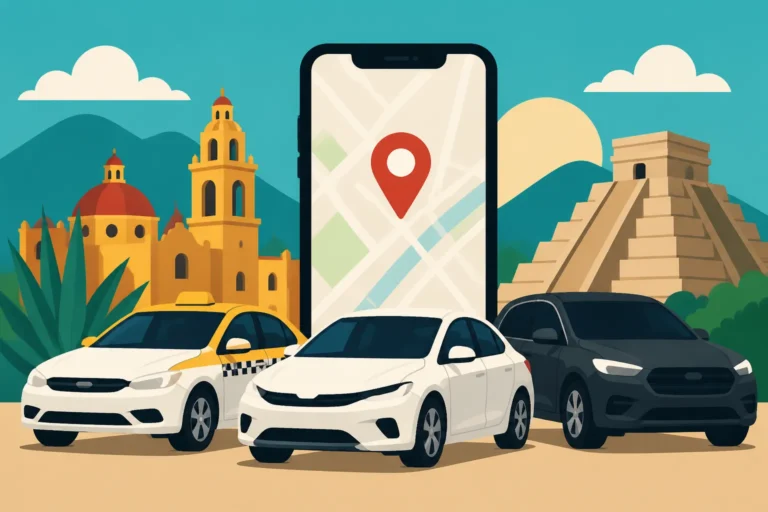
For many expats and savvy tourists, ride-sharing apps like Uber, Didi, and InDrive are invaluable for getting around safely and conveniently. The best part? You link your credit card directly to the app, meaning no fumbling with cash, no worrying about change, and often a clearer record of your travel costs. This is a huge advantage, especially when navigating larger cities like Mexico City or Guadalajara. These apps provide a fixed fare upfront (or an estimate), and the transaction is cashless. It removes a significant layer of stress related to language barriers and negotiation that can sometimes come with traditional taxis. For a comprehensive look, see Taxis, Uber, and Ride-Hailing in Mexico.
Similarly, food delivery apps such as Uber Eats, Rappi, and Didi Food are incredibly popular across Mexico. They offer a vast array of restaurant choices, and again, you can pay directly through the app with your linked card. This is perfect for those nights when you're tired after a day of exploring and just want a delicious meal delivered to your door without worrying about cash. These apps offer a level of convenience and security that complements traditional payment methods, especially for those who want to avoid handling cash for specific services.
Exploring Mexican Digital Payment Options
While less common for short-term visitors, it's worth noting that Mexico is developing its own digital payment landscape. CoDi (Cobro Digital), a platform developed by the Bank of Mexico, allows for instant payments via QR codes using a smartphone. While mainly used by Mexicans with local bank accounts, its increasing adoption might mean you encounter it more frequently in the future, particularly if you find yourself using a local fintech app like Nu or Klar (digital banks that offer Mexican debit cards).
For most tourists, however, direct digital payments beyond ride-sharing and food delivery apps are not yet a primary concern. The focus should remain on a healthy mix of cash and card. Still, if you're considering a longer stay or becoming a digital nomad in Mexico, exploring these local options like opening a Mexican bank account could be beneficial for seamless integration into the local financial ecosystem. It's always good to be aware of the local tech, even if you're not diving deep into it on a short trip.
Practical Scenarios: When to Use What
Understanding the general principles is one thing, but knowing exactly when to pull out your pesos versus your plastic in specific situations is where the rubber meets the road.
Market Stalls, Street Food, and Small Shops
This is where cash shines brightest, plain and simple. If you're buying a juicy mango from a street vendor, a hand-woven bracelet at an artisan market, or devouring some delicious street food in Mexico, cash is almost always the only acceptable form of payment. These vendors operate on a cash-only basis, and attempting to pay with a card will usually be met with a polite refusal.
The same goes for many tienditas (small convenience stores) and independent shops outside of major tourist zones. While some might have a basic card reader, many prefer cash due to transaction fees or simply because their business model doesn't support card payments. Always have small peso bills and coins ready for these quintessential Mexican experiences. This is also true for many taxis you hail on the street; while apps are digital, traditional taxis usually require cash.
Restaurants, Hotels, and Larger Retailers
Here's where cards come into their own, but with a nuanced approach. In higher-end restaurants, hotels, and major retail chains (like Liverpool, Palacio de Hierro, Chedraui, Soriana, Walmart), cards are widely accepted and often preferred. You can easily pay for your dinner, hotel stay, or shopping spree with your credit or debit card. These establishments typically have modern card terminals, and the transactions are generally secure. This is also true for tours and excursions booked through reputable agencies, which often accept card payments both in person and online.
However, even in these settings, it's prudent to keep some cash handy for tips. While some restaurants allow you to add a tip to your card payment, many waitstaff prefer cash tips as they receive them directly and immediately. Also, in smaller, local restaurants that aren't part of a chain, cash might still be the only option. Always ask "aceptas tarjeta?" (do you accept card?) if you're unsure before ordering a full meal.
Taxis, Buses, and Transportation
For transportation, it's a mixed bag. As mentioned, ride-sharing apps are ideal for cashless payments in cities where they operate. However, if you're hailing a traditional taxi on the street, especially outside of major tourist zones, expect to pay in cash. Confirm the fare beforehand if possible, as taxis don't always use meters, and have exact change if you can.
For long-distance bus travel, major bus lines like ADO allow you to purchase tickets online with a card, or at their ticket counters at bus stations. This is often the most convenient way to secure your seat, especially for popular routes or during busy travel times. For local city buses (Rutas, Peseros) or colectivos (shared vans), cash is the universal payment method, and usually, they only accept exact change or small bills. Always factor in the cost of Getting Around Mexico, whether by taxi, bus, or ride-share, and plan your cash accordingly.
Here's a quick comparison table to help you decide:
| Scenario | Payment Preference | Notes & Tips |
|---|---|---|
| Street Food/Markets | Cash (pesos) | Almost exclusively cash; use small denominations. |
| Small Local Shops/Tienditas | Cash (pesos) | Often cash-only, or cash preferred to avoid fees. |
| Traditional Taxis | Cash (pesos) | Negotiate fare beforehand; have exact change. |
| Ride-Sharing Apps (Uber/Didi) | Card (via app) | Convenient, cashless, good for tracking expenses. |
| Long-Distance Buses (ADO) | Card (online/station) / Cash | Online booking with card recommended; cash at ticket counter. |
| Local City Buses/Colectivos | Cash (pesos) | Exact change or small bills; very low fares. |
| Hotels (Major Chains) | Card (online/front desk) | Widely accepted; may need cash for bellhops/maids. |
| Boutique Hotels/Airbnbs | Card (online) / Cash | Online with card; sometimes cash for incidentals or direct bookings. |
| Major Restaurants/Chains | Card / Cash | Cards accepted; cash preferred for tips. Avoid DCC. |
| Small Local Restaurants | Cash (pesos) | Many are cash-only; ask "aceptas tarjeta?" beforehand. |
| Supermarkets/Pharmacies | Card / Cash | Both widely accepted; good place to break large bills. |
| Tours & Excursions | Card (online/agency) / Cash | Online booking with card common; cash for smaller, local tours. |
| Emergency | Card / Cash | Always have both for unexpected situations. |
Essential Money Management Tips for Your Trip
Traveling to Mexico is exciting, but being financially prepared can make all the difference between a smooth journey and a stressful one.
Inform Your Bank Before You Travel
This cannot be stressed enough! Before you even pack your bags, call your bank and credit card companies to let them know you'll be traveling to Mexico. Provide them with your travel dates and the specific cities or regions you'll be visiting. If you don't do this, their fraud detection systems might see foreign transactions as suspicious activity and put a hold on your card, leaving you in a pickle when you're trying to pay for something.
Having your card unexpectedly declined in a foreign country is a deeply frustrating experience, especially if you're trying to pay for a big expense like a hotel bill or a medical emergency. Don't forget to ask about foreign transaction fees and your daily withdrawal limits at the same time. Knowing these details upfront will help you budget effectively and avoid any unpleasant surprises once you're on the ground in Mexico. It's a small step that can prevent a major headache.
Always Have a Backup Plan
Imagine this: your primary credit card gets lost or stolen, or your debit card gets skimmed. What do you do? Panic? No, because you're a savvy traveler who always has a backup plan! Always carry at least two different payment methods, preferably from different banks or card networks (e.g., one Visa and one Mastercard, or a debit card and a credit card). Keep them in separate, secure locations. For example, one in your wallet, and the other safely tucked away in your hotel safe or a less accessible part of your luggage.
Having a small stash of emergency USD (crisp, new bills are best) can also be a lifesaver in a pinch, especially if you're somewhere remote where ATMs are scarce or your cards aren't working. While exchanging money is usually better at official casas de cambio (exchange houses) or by withdrawing from an ATM, having a small amount of USD for a truly dire emergency is a wise precaution. If something goes wrong, you want to be able to access funds to get yourself out of trouble. Staying Safe in Mexico: Practical Tips for Travelers includes advice on protecting your valuables, and this extends to your financial tools.
Be Wary of Currency Exchange Houses at Airports
While tempting, airport currency exchange kiosks generally offer some of the worst exchange rates. They know you've just arrived, you're tired, and you need local currency immediately. If you need a small amount of pesos right after landing to cover immediate costs like a taxi or a snack, exchange only a minimal amount – just enough to get you by for a few hours.
Your best bet for exchanging currency, if you must, is at a bank or a dedicated casa de cambio in a city, away from the airport. Even better, use an ATM from a reputable bank to withdraw pesos, as this usually gives you the most favorable exchange rate, despite the ATM fees. Just remember to decline DCC and let your bank handle the conversion. Planning ahead for your initial cash needs will help you avoid getting fleeced right off the bat. It's all about making informed choices to stretch your travel budget further.
Disclaimer
The information provided in this guide is for general informational purposes only and does not constitute financial or legal advice. Regulations, exchange rates, and business practices in Mexico can change. Always consult with your financial institution regarding specific card policies and security measures before traveling.