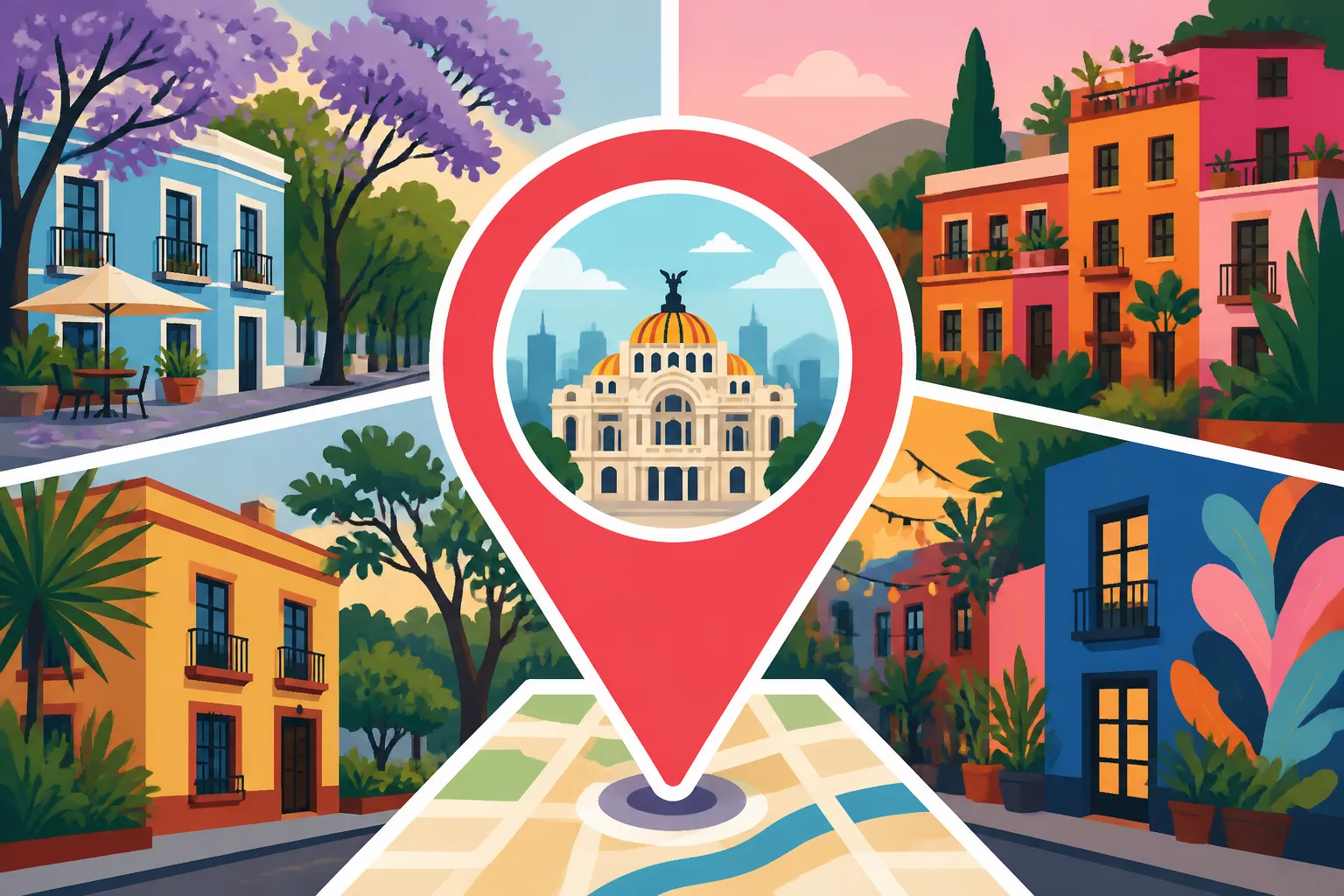
What’s the Best Neighborhood to Stay in Mexico City?
Stepping into Mexico City can feel like diving headfirst into a vibrant, sprawling mosaic. It's exhilarating, yes, but also a little overwhelming, especially when you're trying to figure out where to lay your head. With its incredible size and diverse offerings, picking the "best" neighborhood to stay in isn't a one-size-fits-all answer. This guide will help you navigate the unique vibes and practicalities of Mexico City's most popular areas, ensuring you find the perfect base for your visit, whether you're here for a quick trip or a longer adventure.
Disclosure: This post may contain affiliate links. We may earn a commission at no extra cost to you if you make a purchase through these links. Read full disclosure.
Understanding Mexico City's Diverse Character Zones
Mexico City isn't just one city; it's a collection of many distinct "colonias" or neighborhoods, each with its own personality, history, and rhythm. What makes one area a dream for a foodie might make it a nightmare for someone seeking quiet relaxation. Before we dive into specific recommendations, let's talk about the general types of experiences you can expect across this incredible metropolis.
The Hipster Haven: Roma Norte and La Condesa
Ah, Roma Norte and La Condesa! These two often get lumped together, and for good reason. They are adjacent, share a similar bohemian-chic vibe, and are arguably the most popular areas for expats and tourists alike. If you've spent any time researching Mexico City, you've undoubtedly seen these names pop up.
Roma Norte: Bohemian Elegance with a Modern Edge
Roma Norte is a symphony of tree-lined streets, stunning Art Nouveau and Art Deco architecture, and an undeniable buzz. It feels like a European city, but with a distinct Mexican flavor. You'll find independent boutiques, art galleries, cozy cafes perfect for people-watching, and some of the city's most innovative restaurants. It's a place where artists, writers, and young professionals converge, creating a vibrant, intellectual energy.
- Vibe: Sophisticated, artistic, lively, walkable, very green.
- Who it's for: Foodies, culture vultures, digital nomads, couples, those who love to stroll and discover.
- Pros: Incredible dining scene, beautiful parks (like Parque México and Parque España, perfect for a morning walk or dog-watching), excellent nightlife, well-connected by public transport, generally safe and pleasant to walk around day and night. You'll find many English speakers, which can be a comfort for new arrivals. If you’re trying to navigate the city without relying on taxis, this area is a dream for public transit.
- Cons: Can be pricey for accommodation, gets quite busy, especially on weekends. Some streets can be noisy late into the night. It's not the "authentic" Mexico City many seek, but rather a curated, international version.
La Condesa: Parks, Poshness, and Pedestrian Paradise
Right next to Roma Norte, La Condesa offers a slightly more relaxed, yet equally charming atmosphere. It's famous for its curvilinear streets, particularly Avenida Amsterdam, which traces the former hippodrome's oval. The abundance of parks makes it a green oasis, offering a welcome respite from the urban sprawl. Think upscale dog parks, families enjoying picnics, and cyclists cruising along.
- Vibe: Elegant, relaxed, residential feel, very green, health-conscious.
- Who it's for: Families, couples, pet owners, those who enjoy outdoor activities, people looking for a slightly quieter version of Roma Norte.
- Pros: Beautiful parks and green spaces, plenty of cafes and restaurants (slightly more casual than Roma Norte), very walkable and safe. It feels a bit more residential than its bustling neighbor. Many of the accommodations you'll find through Booking.com here offer a charming, boutique experience.
- Cons: Can be expensive, and while quieter than Roma Norte, it's still a popular area, so expect some buzz. Fewer options for late-night revelry compared to Roma Norte or Juarez.
The Historical Heartbeat: Centro Histórico
The Centro Histórico is where Mexico City truly began, dating back to the Aztec city of Tenochtitlan. This is the place for monumental architecture, grand plazas, and a deep dive into Mexican history. It's bustling, vibrant, and a feast for the senses, but it also demands a different kind of traveler.
A Deep Dive into Mexico's Past
Staying in the Centro Histórico means you're literally surrounded by history. You'll wake up to the sound of church bells and the aromas of street food. The Zócalo, the Metropolitan Cathedral, and the Palacio de Bellas Artes are just steps away. It’s an immersive experience that puts you at the epicenter of national events and daily Mexican life. You can spend days exploring the museums, colonial buildings, and hidden courtyards.
- Vibe: Historic, chaotic, vibrant, culturally rich, authentic.
- Who it's for: History buffs, budget travelers, culture explorers, those who want to be in the thick of Mexican city life.
- Pros: Unbeatable access to major historical sites and museums, often more affordable accommodation options, incredible street food, vibrant atmosphere, excellent public transport connections to the rest of the city. For a true taste of local life, this is the place.
- Cons: Can feel overwhelming due to crowds and noise, especially during the day. Some areas can feel less safe at night, particularly on side streets. It's not as green or tranquil as Roma/Condesa. If you're sensitive to noise or crowds, this might be a tough spot.
The Swanky Side: Polanco
If you're looking for luxury, high-end shopping, and a decidedly upscale experience, Polanco is your destination. It's often compared to Beverly Hills or the Upper East Side, and for good reason. Wide avenues, designer boutiques, world-class restaurants, and meticulously maintained parks define this sophisticated enclave.
Luxury Living and High Culture
Polanco is home to some of the most exclusive addresses in Mexico City. Here you'll find lavish hotels, Michelin-starred restaurants (many clustered along Avenida Presidente Masaryk), and major international brand stores. It also boasts impressive cultural institutions like the Soumaya Museum and the Jumex Museum, making it a hub for contemporary art and architecture.
- Vibe: Upscale, luxurious, safe, quiet, manicured.
- Who it's for: Luxury travelers, business travelers, families seeking a quiet and secure environment, those who enjoy fine dining and high fashion.
- Pros: Extremely safe, very clean, excellent infrastructure, some of the best hotels and restaurants in the city, close to major museums and corporate offices. It offers a very high standard of living.
- Cons: Very expensive for accommodation and dining, lacks the bohemian charm or historical grit of other neighborhoods, can feel somewhat sterile or less "Mexican" than other areas. Public transport is less pervasive than in more central areas, though Uber is plentiful.
The Southern Charm: Coyoacán
Venturing south, you'll discover Coyoacán, a colonial gem that feels like a separate, charming town rather than a part of the sprawling capital. It's famous for its cobblestone streets, vibrant plazas, and the iconic Frida Kahlo Museum (Casa Azul).
A Village Within the City
Coyoacán retains a distinct village-like atmosphere, making it a favorite escape for locals and tourists alike. Its main squares, Jardín Centenario and Plaza Hidalgo, are always lively with street performers, artisans, and families. The pace here is slower, the air feels fresher, and there's an undeniable warmth to the neighborhood.
- Vibe: Bohemian, charming, traditional, artistic, relaxed.
- Who it's for: Art lovers, history enthusiasts, families, those seeking a more traditional and picturesque Mexican experience.
- Pros: Beautiful colonial architecture, home to the Frida Kahlo Museum, vibrant markets and plazas, delicious traditional food, a very friendly and safe atmosphere. It's a fantastic place for a leisurely day trip, and staying here offers a unique perspective. Many visitors enjoy exploring the area with guided tours often available via Viator.
- Cons: Further south from the main tourist hubs, so commuting to other parts of the city can take longer. While charming, it can get very crowded, especially on weekends. Fewer high-end dining or nightlife options compared to Roma/Condesa.
Navigating Your Stay: Logistics and Safety
Choosing a neighborhood is just the first step. Once you've settled on a vibe, you'll need to consider how you'll get around, where you'll find your groceries, and how to stay safe.
Transportation: Getting Around Mexico City
Mexico City has an extensive and generally efficient public transportation system. Understanding it will greatly enhance your stay, no matter which neighborhood you choose.
Metro, Metrobús, and Ride-Sharing
The Metro system is cheap and covers most of the city. It's an experience in itself, but it can be incredibly crowded during peak hours. The Metrobús is also a great option, offering dedicated lanes, which helps avoid traffic. Both require a rechargeable card, which you can purchase and top up at stations. For longer distances or late nights, ride-sharing apps like Uber and DiDi are widely available and relatively inexpensive. Just remember, for airport transfers or longer trips outside the immediate urban core, sometimes a bus from a central station booked via Busbud might be more efficient.
- Metro: Fast, cheap, extensive. Can be very crowded.
- Metrobús: Dedicated lanes, less crowded than Metro, good for mid-distance travel.
- Ride-Sharing (Uber/DiDi): Convenient, safe, relatively affordable, especially at night or with luggage.
If you're planning to explore beyond Mexico City, remember that a Mexico City to Puebla bus trip is a popular and easy day trip. Knowing your local transport options can really save you time and money.
Safety and Practical Considerations
Mexico City, like any major metropolis, has areas that are safer than others. Generally, the tourist-heavy neighborhoods like Roma, Condesa, Polanco, and Coyoacán are quite safe, especially during the day. The Centro Histórico is safe during the day in its main areas but requires more awareness at night.
General Safety Tips
Always be aware of your surroundings, especially when using your phone in public. Avoid walking alone late at night in unlit areas. It’s a good idea to keep valuables out of sight and only carry what you absolutely need for the day. While pickpocketing can occur, violent crime against tourists is relatively rare in the popular zones. Learning some basic Spanish phrases can also go a long way in Overcoming Language Barriers at the Doctor or just in everyday interactions.
For a deeper dive, check out our guide on Staying Safe in Mexico: Practical Tips for Travelers.
Finding Accommodation: Tips and Tricks
Once you've narrowed down your neighborhood, finding the right place to stay is key. Short-term rentals are plentiful, as are hotels, ranging from budget-friendly hostels to luxurious boutique options.
Booking Platforms and Local Resources
Websites like Booking.com are fantastic for finding hotels and guesthouses, often with reviews from fellow travelers. For longer stays, or if you prefer a more "homey" feel, consider platforms that offer apartments for rent. Be sure to read reviews carefully, especially regarding noise levels and proximity to public transport.
If you're thinking of a longer stay, our guide on Renting a Home in Mexico: Complete Expat Guide to Leases, Deposits, and More might be useful, even if you're just dipping your toes in the water.
Making Your Final Decision: A Comparison Table
To help you visualize the differences, here's a quick comparison of the top neighborhoods:
| Neighborhood | Vibe | Best For | Pros | Cons |
|---|---|---|---|---|
| Roma Norte | Bohemian, artistic, lively | Foodies, culture, nightlife, walking | Vibrant, beautiful architecture, excellent dining, well-connected | Can be expensive, noisy, very popular with tourists |
| La Condesa | Elegant, relaxed, green | Families, couples, outdoor activities | Parks, quiet, safe, charming, great cafes | Pricey, slightly less nightlife, can still be busy on weekends |
| Centro Histórico | Historic, chaotic, authentic, vibrant | History, culture, budget travel, immersion | Unbeatable historical access, affordable, vibrant street life, great transport | Crowded, noisy, some areas less safe at night, less green |
| Polanco | Upscale, luxurious, sophisticated | Luxury, business, fine dining, safety | Very safe, clean, high-end shopping/dining, quiet residential streets, world-class museums | Very expensive, can feel generic or less "Mexican," less public transport access |
| Coyoacán | Colonial, bohemian, village-like | Art, history, traditional culture, families | Charming, historic, home to Frida Kahlo's Casa Azul, relaxed pace, friendly | Further from city center, crowded on weekends, fewer modern amenities |
Beyond the Basics: Deeper Dives into Lifestyle
Beyond just where to sleep, your neighborhood choice will impact your daily life, from your morning coffee ritual to how easily you can grab groceries or find a fitness class.
Food Scene and Daily Life
Each neighborhood offers a unique culinary landscape. Roma Norte and Condesa are a haven for contemporary cuisine, trendy cafes, and international flavors. You'll find everything from vegan eateries to high-end tasting menus. The Centro Histórico offers an incredible array of traditional Mexican street food, bustling cantinas, and classic fondas. Polanco excels in fine dining, with a focus on international cuisine and celebrity chefs. Coyoacán is perfect for traditional Mexican fare, from esquites in the main square to delicious churros.
Considering the variety, our guide to Mexican Food Culture: Eating and Drinking as a Visitor might come in handy, no matter where you stay.
Green Spaces and Outdoor Activities
If daily access to green space is crucial for you, La Condesa is a clear winner with its numerous parks, especially the iconic Parque México. Roma Norte also has beautiful smaller parks like Parque España. Polanco offers large, well-maintained parks such as Parque Lincoln and the massive Bosque de Chapultepec just adjacent. Even the Centro Histórico has Alameda Central, a beautiful public park, and a lovely escape from the concrete jungle. Coyoacán, with its village feel, has the charming Jardín Centenario and Plaza Hidalgo, perfect for people-watching.
If you're thinking of longer-term living, these green spaces become even more important. It's a huge part of why I love living here.
Learning Spanish and Cultural Immersion
For those looking to truly immerse themselves and perhaps pick up some Spanish, the Centro Histórico and Coyoacán offer more opportunities for daily interaction with locals who may not speak English. Roma Norte and Condesa, while still Mexican, are much more international, and you might find yourself speaking English more often than you anticipated. This isn't a bad thing, just something to be aware of. If you're serious about language, there are fantastic Spanish Language Schools: Best Immersion Programs for Expats scattered throughout the city.
Ultimately, the "best" neighborhood to stay in Mexico City is the one that aligns most closely with your personal travel style, budget, and desired level of activity and immersion. No matter where you choose, you're in for an unforgettable experience in one of the world's most captivating cities.
Disclaimer
The information provided in this guide is for general informational purposes only and does not constitute professional advice. While we strive to keep the information up-to-date and accurate, Mexico City is a dynamic place, and conditions can change. Always exercise personal caution and use your best judgment when making travel and accommodation decisions.