How to Visit a Mexican Market (Mercado) as a Tourist
You’ve landed in Mexico, maybe you’ve hit the beach, explored some ruins, and tasted a few tacos from a sit-down restaurant. But if you truly want to immerse yourself in the vibrant tapestry of Mexican life, you absolutely must step into a local mercado. It can feel like walking into a whirlwind – a glorious, chaotic explosion of colors, sounds, and smells that’s exciting but also a little intimidating. Don't worry, as a long-time expat, I've been there, felt that overwhelm, and learned how to navigate these incredible hubs. This guide will walk you through everything you need to know to visit a Mexican market as a tourist, making sure you feel confident and make the most of this authentic cultural experience.
Disclosure: This post may contain affiliate links. We may earn a commission at no extra cost to you if you make a purchase through these links. Read full disclosure.
The Heartbeat of Mexico: What to Expect at a Mercado
Forget your sterile, air-conditioned supermarkets back home. Mexican markets are living, breathing entities, the true pulse of any town or city. They are where daily life happens, where traditions are kept alive, and where you'll find the freshest, most authentic flavors and crafts.
More Than Just Shopping: A Sensory Explosion
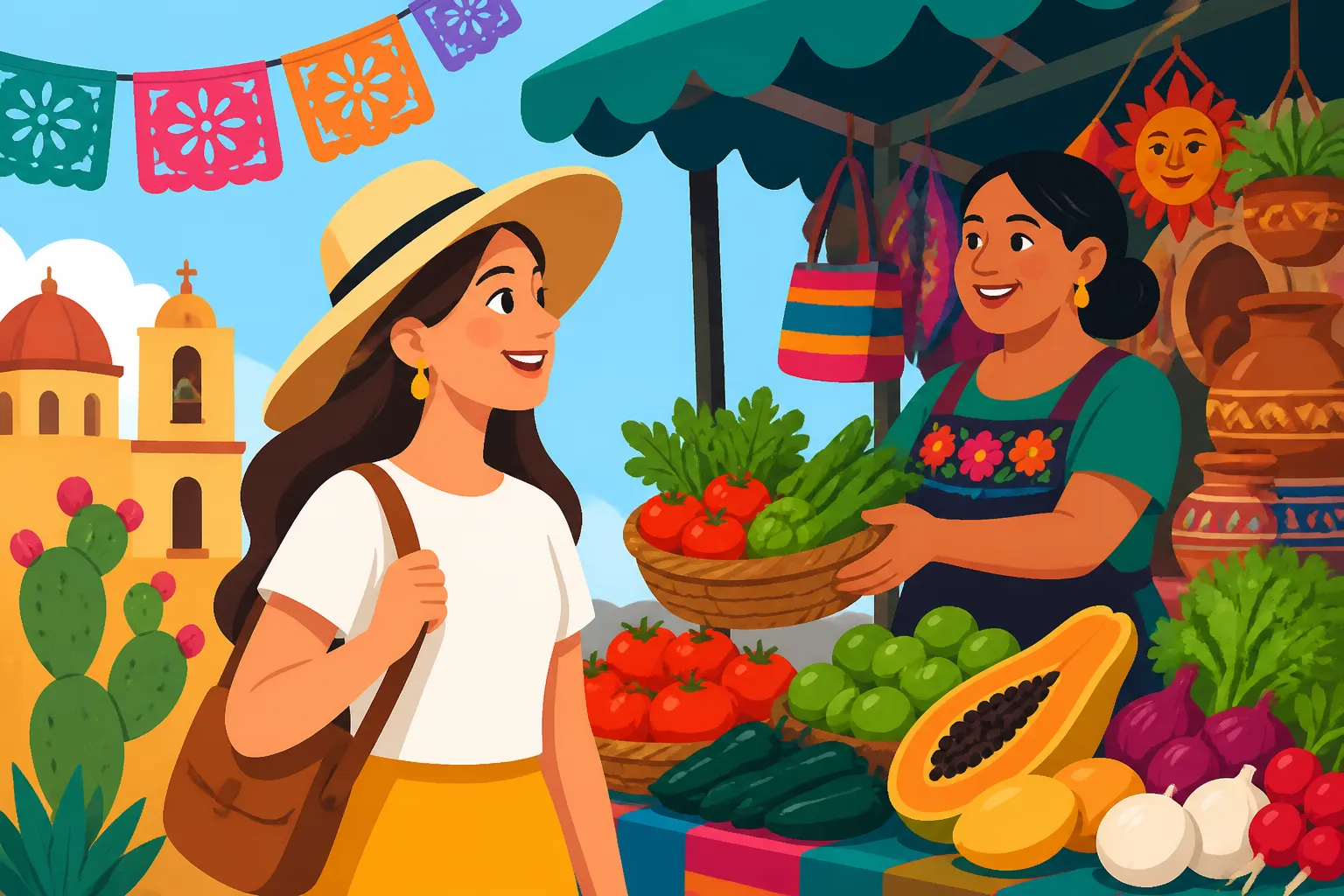
Stepping into a Mexican market is like diving headfirst into a fiesta for your senses. The first thing that hits you is often the sheer volume. Vendors call out to customers, music might be playing from a small radio, people are chatting, and the rustle of bags and foot traffic creates a constant hum. It’s loud, it’s bustling, and it’s gloriously alive.
Then come the colors: mountains of vibrant fruits and vegetables – ruby red tomatoes, emerald green chiles, bright yellow mangoes, and exotic, unfamiliar purple and orange produce you’ve never seen before. Hand-woven textiles burst with intricate patterns, gleaming silver jewelry catches the light, and carefully arranged displays of pottery create a kaleidoscope of earthy tones and bold designs.
And the smells! Oh, the smells! The sweet aroma of ripe fruit mingles with the pungent scent of fresh herbs, the earthy fragrance of wet soil from freshly picked vegetables, and the intoxicating perfume of roasting chiles and simmering stews from the fondas (small eateries) tucked away in the food sections. You’ll catch whiffs of cinnamon, cilantro, lime, and rich, savory meats all at once.
This initial sensory overload can feel overwhelming, especially if you’re used to more orderly shopping. But embrace it! This is Mexico in its purest form. Whether you’re wandering through Mexico City’s famous Mercado de San Juan, known for its exotic meats and specialty foods, or getting lost in the labyrinthine Mercado de la Merced with its incredible array of goods, or exploring the vibrant Mercado Benito Juárez in Oaxaca, each market has its own unique character and charm.
Different Flavors of Markets: From Food Stalls to Artisanal Goods
Mexico isn't a one-size-fits-all market kind of country. You'll encounter different types, each offering a distinct experience:
- Mercados Tradicionales/Municipales: These are your everyday, brick-and-mortar municipal markets, often found in the center of towns. They are the backbone of local communities, where families come to buy their weekly groceries, meat, fish, and household goods. These markets often have dedicated sections for comida corrida (set lunch menus) or antojitos (Mexican street food snacks). They're bustling, authentic, and generally less focused on tourists, though visitors are always welcome. Think of the Mercado Ignacio Ramírez in San Miguel de Allende, a central hub for daily necessities and delicious local eats.
- Mercados de Artesanías: These are specifically designed for showcasing and selling local crafts and souvenirs. You'll find everything from intricately carved wooden figures and colorful ceramic dishes to hand-embroidered clothing and stunning jewelry. These markets are typically cleaner, more organized, and often have higher prices, but they're fantastic for finding gifts and beautiful pieces to take home. Oaxaca's Mercado de Artesanías is a prime example, overflowing with the region's famous black pottery, textiles, and alebrijes.
- Tianguis (Street Markets): These are temporary, open-air markets that pop up on specific days of the week in various neighborhoods. They're often sprawling, sometimes covering entire blocks, and offer a more raw, dynamic shopping experience. You’ll find fresh produce, cheap clothing, electronics, prepared food, and all sorts of unexpected treasures. Prices can be lower here, and haggling is more common. It's a truly local experience, though navigating them can be a bit more challenging due to crowds and less defined pathways.
- Mercados de Abastos: These are massive, wholesale markets, usually located on the outskirts of larger cities. They're primarily for businesses and restaurants buying in bulk. While incredibly authentic, they can be overwhelming, chaotic, and sometimes less safe for casual tourists due to the heavy vehicle traffic and sheer scale. Unless you're on a specialized tour or looking to buy a truckload of avocados, these might be one to admire from afar.
- Gourmet Markets/Food Halls: A newer trend in larger cities, these combine the traditional market concept with a modern, curated dining experience. Places like Mercado Roma or Mercado San Genaro in Mexico City offer a blend of artisanal food stalls, craft beer, gourmet products, and sit-down eateries. They are stylish and popular with younger crowds and offer a more upscale, yet still authentic, culinary adventure.
Navigating with Grace: Market Etiquette for Tourists
Stepping into a Mexican market isn't just about showing up; it's about understanding the unspoken rules and rhythms that make the experience enjoyable for everyone. As an expat, I've learned that a little respect and cultural awareness go a long way.
The Art of the Deal: To Haggle or Not to Haggle?
This is perhaps the most common question I get from newcomers, and it's a valid one! The approach to haggling in Mexico isn't a blanket rule, and it often differs from other parts of the world.
Generally, when you're buying food and fresh produce in a traditional market or tianguis, haggling is not expected or polite. The prices are usually set, and often quite fair, especially considering the hard work of the local farmers and vendors. Trying to negotiate over a kilo of mangoes or a bundle of cilantro for a few pesos can be seen as disrespectful. These vendors often operate on very thin margins.
However, when you're in a Mercado de Artesanías or buying souvenirs, clothing, or more expensive craft items, a gentle bit of haggling is often anticipated and even part of the fun! It's not about being aggressive; it's about a friendly negotiation. Start by asking, "¿Cuánto es lo menos?" (What's the least it costs?) or offering a price slightly below what they asked, with a smile. Sometimes, buying multiple items from the same vendor will get you a better deal. "Dame un buen precio por estos dos" (Give me a good price for these two) works wonders. Remember, you're not trying to drive them out of business; you're just engaging in a common cultural exchange. A few pesos saved won't change your vacation budget, but it can make a real difference to the vendor's day. If you're curious to dive deeper into this nuanced dance, you'll find some great tips in guides like How to Bargain at a Mexican Market Politely.
Speaking the Language of the Mercado: Basic Spanish Phrases
While many vendors in tourist-heavy market areas might speak some English, knowing even a few basic Spanish phrases will dramatically enhance your market experience. It shows respect, facilitates smoother transactions, and often earns you a warmer smile and better service. Don't be shy about trying!
Here are a few essentials:
- "¡Hola!" (Hello!) and "¡Gracias!" (Thank you!) – Always start and end interactions with politeness.
- "¿Cuánto cuesta?" (How much does it cost?) – Your most important phrase!
- "¿Me puede dar…?" (Can you give me…?) – Use this when pointing to items.
- "Uno, dos, tres…" (One, two, three…) – Knowing your numbers is key.
- "¿Tiene cambio?" (Do you have change?) – Crucial for cash transactions.
- "Sólo estoy mirando, gracias." (I'm just looking, thank you.) – A polite way to browse without feeling pressured.
- "No, gracias." (No, thank you.) – When you’re genuinely not interested.
Even a clumsy attempt at Spanish is usually appreciated. You can always have a translation app handy on your phone for trickier situations, but try the basics first. For a more comprehensive list of useful phrases, check out Survival Spanish for Travelers in Mexico: Key Phrases.
Cash is King: Payment and Small Bills
This is a non-negotiable rule of Mexican markets: bring cash, and bring small bills. While larger, more established artesanía stalls in very touristy areas might accept credit cards (sometimes with a small fee), the vast majority of market vendors, especially those selling produce or street food, operate exclusively on cash.
More importantly, small denominations (50, 100, or 200 peso notes) are essential. A vendor selling a bag of limes for 20 pesos often won't have change for a 500 or 1000 peso note. Handing them a large bill for a small purchase is considered quite rude and creates an awkward situation for both of you. Always try to break larger bills at a formal bank, a large supermarket, or a convenience store (like OXXO) before you enter the market. If you need to withdraw cash, plan ahead and use an ATM outside the market area.
A Treasure Trove: What to Buy and How to Buy Smart
Mexican markets are an absolute paradise for foodies and shoppers alike. From exotic fruits to stunning handcrafted items, there’s something for everyone. But it pays to know what you’re looking for and how to make smart, healthy choices.
Feast Your Senses: Food and Produce Galore
The food sections of Mexican markets are where the magic truly happens. You’ll find an astonishing variety of fresh produce, many items unique to Mexico. Don't be afraid to try new things!
- Fruits and Vegetables: Indulge in ripe mangoes, sweet papayas, juicy pitayas (dragon fruit), chirimoyas (custard apple), and a rainbow of local chiles. The flavors are intense and often far superior to what you find in imported produce back home.
- Spices and Herbs: Discover an incredible array of dried chiles, spices, and fresh herbs that are fundamental to Mexican cuisine.
- Tortillas and Cheese: Look for freshly made tortillas (often still warm!) and local cheeses, which vary by region but are almost always delicious.
- Aguas Frescas: These refreshing fruit-infused waters are a must-try. Look for vendors with busy lines, indicating fresh preparation.
- Prepared Foods (Comida): Many markets have dedicated food courts or small stalls (fondas) where you can grab a quick, inexpensive, and incredibly tasty meal. You'll find everything from classic tacos and tamales to sopa de médula (bone marrow soup) or carnitas. If you're a taco enthusiast, this is the place to truly experience authentic flavors. For tips on how to order and enjoy, check out How to Eat Tacos Like a Local in Mexico.
- Coffee and Chocolate: In regions like Oaxaca or Chiapas, you’ll find exceptional locally grown coffee beans and artisanal chocolate, often ground with cinnamon or other spices.
Staying Healthy with Food: While the street food is irresistible, practice smart choices. Look for stalls with high customer turnover – this means the food is fresh. Observe hygiene: do vendors handle money and food with different hands or use gloves? Are the condiments fresh, and is the area generally clean? Avoid anything that looks like it's been sitting out for a long time without proper temperature control. When buying raw fruits and vegetables, remember that you'll need to wash them thoroughly before eating. Many expats use a few drops of a purifying solution like Microdyn (available at any supermarket) in water to rinse produce. For more on keeping your tummy happy, refer to Staying Healthy in Mexico: Essential Tips for Food, Water, and Preventive Care and What Are the Must-Try Foods in Mexico?.
Artisanal Delights: Souvenirs and Crafts
Beyond food, Mexican markets are treasure troves of beautiful handcrafted items. Each region often specializes in particular crafts, so keep an eye out for local specialties.
- Pottery: From the vibrant, intricate Talavera pottery of Puebla to the elegant, dark burnished black pottery (barro negro) of Oaxaca, the ceramic arts are deeply ingrained in Mexican culture.
- Textiles: Look for beautifully embroidered blouses, dresses, and rebozos (shawls). Oaxaca is particularly famous for its hand-woven rugs with stunning geometric patterns.
- Silver Jewelry: Taxco is renowned as Mexico's silver capital, but you'll find quality silver pieces in markets across the country. Check for the .925 stamp, indicating sterling silver.
- Alebrijes: These fantastical, brightly colored wooden animal carvings, especially prominent in Oaxaca, are believed to ward off evil spirits and are truly unique.
- Leather Goods: Wallets, belts, and bags can be found at good prices, especially in central Mexico.
- Other Crafts: You might also find beautiful baskets, wooden toys, hand-blown glass, and intricately painted gourds.
When buying crafts, inspect items carefully for quality. Don't be afraid to look closely at stitching, paintwork, or any potential flaws. Sometimes, a "factory second" might be cheaper, but ensure it's not too damaged. For more ideas on what unique items to bring home, take a look at Mexican Crafts Artesanías: What to Buy and Where.
Practical Tips for a Smooth Market Experience
To ensure your market visit is enjoyable and hassle-free, a little preparation goes a long way. Think like a seasoned traveler, not a wide-eyed newbie.
Gear Up: What to Bring and Wear
Comfort is key when you're exploring a bustling market. You'll be doing a lot of walking, standing, and potentially weaving through crowds.
- Comfortable Shoes: This is non-negotiable. Wear shoes you can walk in for hours without discomfort.
- Reusable Bag: Bring your own sturdy reusable shopping bag, or two! Many vendors will give you small plastic bags, but if you're buying a lot, a larger, stronger bag will be a lifesaver.
- Small Backpack or Cross-Body Bag: Keep your wallet, phone, and any other valuables secure and close to your body. A cross-body bag worn in front or a small backpack with valuables stored in an internal pocket is ideal for deterring pickpockets.
- Sun Protection: Depending on the market and the weather, a hat, sunglasses, and sunscreen might be necessary, especially if part of the market is open-air or you're visiting a tianguis.
- Water Bottle: Stay hydrated, particularly on hot days.
If you're planning on venturing to markets in different cities across Mexico, knowing how to get around efficiently is important. For instance, Mexico has an excellent network of long-distance buses. If you’re looking to travel between cities to explore their unique markets and craft traditions, booking your bus tickets through Busbud can simplify your journey immensely. It’s a reliable platform that makes navigating inter-city travel in Mexico a breeze.
Safety First: Keeping Your Wits About You
While Mexican markets are generally safe and welcoming places, they are also crowded environments, which can attract opportunistic petty thieves. A little vigilance goes a long way.
- Be Aware of Your Surroundings: Pay attention to who is around you, especially in very dense areas.
- Secure Your Valuables: Keep your wallet in a front pocket or a secure bag. Avoid putting your phone in your back pocket. Don't flash large amounts of cash.
- Leave Valuables at Home: If you have expensive jewelry, watches, or other flashy items, consider leaving them at your accommodation. Blending in is always a good strategy.
- Trust Your Gut: If a situation or person makes you feel uncomfortable, simply move away. There’s no need to be confrontational.
- Mind Your Personal Space: In crowded markets, people will inevitably brush up against you. Just be mindful and keep your belongings close.
For broader advice on staying safe during your travels, a good resource to consult is Staying Safe in Mexico: Practical Tips for Travelers.
Getting There and Back: Transport Options
How you get to the market will depend on its location and the city you're in.
- Walking: In many smaller towns or cities with centrally located markets, walking is often the easiest and most enjoyable option.
- Public Transport: In larger cities like Mexico City, the Metro or Metrobús system can get you quite close to major markets, and it's a very affordable way to travel. Be prepared for crowds, especially during peak hours. For navigating the capital, check out Getting Around Mexico City: Metro, Metrobús, and Apps.
- Ride-Sharing Apps/Taxis: Uber, Didi, and other ride-sharing apps are widely available in many Mexican cities and offer a convenient door-to-door service. Taxis are also plentiful, but always confirm the fare beforehand or ensure the meter is used. Note that sometimes picking up a ride-share right outside a chaotic market can be a bit tricky, so you might need to walk a block or two away.
If you're eager to truly understand the nuances of a Mexican market and perhaps sample foods you might otherwise overlook, consider joining a guided tour. Platforms like Viator offer fantastic market tours, often led by local food experts or cultural guides. They can help you navigate the chaos, explain regional specialties, introduce you to trusted vendors, and even include cooking classes for a deeper dive. Similarly, when planning your entire Mexican adventure, exploring accommodation options near renowned market districts can enhance your experience. For example, if you're dreaming of wandering through the colorful markets of Oaxaca City, finding a charming boutique hotel nearby through Booking.com would allow you to visit daily and truly soak in the local atmosphere.
Comparing Mexican Market Experiences
To help you decide which type of market is right for your travel style, here's a quick comparison:
| Market Type | Typical Items | Atmosphere | Haggling (Generally) | Payment | Tourist Friendliness |
|---|---|---|---|---|---|
| Mercado Tradicional | Produce, Meat, Spices, Comida | Bustling, local, sensory overload | Minimal/None (Food) | Cash (Small) | Moderate |
| Mercado de Artesanías | Crafts, Souvenirs, Jewelry | Colorful, quieter than food markets, focused | Expected/Common | Cash/Card (Some) | High |
| Tianguis (Street Market) | Produce, Clothing, Household | Temporary, very local, good deals | Possible (Items) | Cash (Small) | Moderate |
| Mercado de Abastos | Wholesale Produce, Bulk Goods | Huge, chaotic, industrial, less curated | No | Cash | Low |
Final Thoughts: Embrace the Chaos, Savor the Culture
Visiting a Mexican market is more than just a shopping trip; it's a deep dive into the heart and soul of the country. It's an experience that ignites all your senses, challenges your comfort zones, and leaves you with a profound appreciation for Mexican culture, ingenuity, and vibrant daily life. So, arm yourself with small bills, a few Spanish phrases, an open mind, and a hearty appetite, and prepare to fall in love with the beautiful, boisterous, and endlessly fascinating world of the Mexican mercado. Enjoy the adventure!
Disclaimer
Please note that while we strive to provide the most accurate and up-to-date information, circumstances in Mexico can change rapidly. This guide is for informational purposes only and should not be considered legal, financial, or medical advice. Always do your own research and consult with local experts or authorities as needed.