How to Shop for Mexican Artesanías (Crafts)
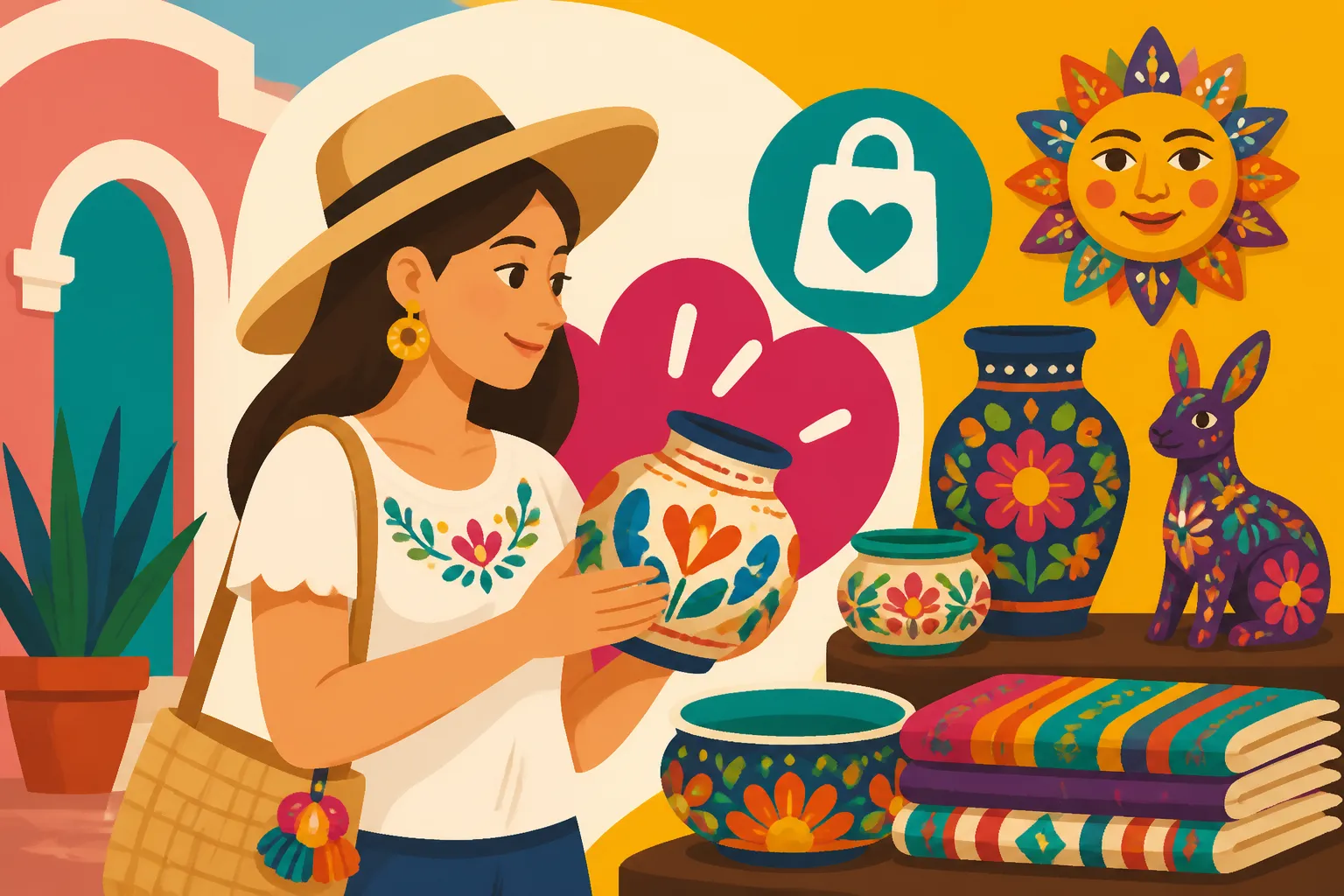
Walking into a Mexican market for the first time, your senses are immediately overwhelmed – the riot of colors, the intricate details, the sheer volume of beautiful things. It’s absolutely captivating, but it can also be a bit much. How do you tell the truly authentic, handmade treasures from the mass-produced trinkets? And how do you navigate the whole experience without feeling like you're getting taken for a ride? This guide is here to unravel the vibrant world of Mexican artesanías (crafts), helping you find genuine pieces, connect with local artisans, and shop like a seasoned expat.
Disclosure: This post may contain affiliate links. We may earn a commission at no extra cost to you if you make a purchase through these links. Read full disclosure.
Understanding Mexican Artesanías
Before you even think about pulling out your wallet, it’s worth understanding just what artesanías mean here in Mexico. They're not just pretty objects to take home; they're living reflections of culture, history, and the deep artistic soul of a nation.
More Than Just Souvenirs: The Cultural Significance
For many communities across Mexico, artesanías are far more than mere souvenirs; they are the tangible expression of ancestral knowledge, spiritual beliefs, and daily life. Each piece often tells a story, carrying techniques passed down through generations. Think about the intricate embroidery from Chiapas, which can represent cosmology or community identity in its patterns and colors. Or the whimsical alebrijes from Oaxaca, spirit guides dreamed up by artists, each unique and bursting with personality. These crafts are a vital part of the local economy, sustaining families and preserving traditions that might otherwise fade away in the face of globalization.
When you buy a piece of artesanía, you’re not just acquiring an object; you’re supporting an artist, their family, and an entire lineage of cultural heritage. This perspective can profoundly change your shopping experience, transforming it from a simple transaction into a meaningful cultural exchange. You’ll find yourself looking beyond the price tag to appreciate the hours of labor, the skill, and the heart poured into each creation.
Common Types of Crafts You'll Encounter
Mexico's diversity is brilliantly showcased in its crafts. You’ll find a breathtaking array, each region specializing in something distinct. Knowing a few of the main categories will help you appreciate what you're seeing and what to look for.
- Pottery and Ceramics: This is perhaps the most widespread craft. From the vibrant, intricate Talavera pottery of Puebla with its unique certification process, to the elegant black clay (barro negro) of Oaxaca, and the rustic, earthy pieces from Jalisco’s Tlaquepaque and Tonalá, ceramics are a cornerstone of Mexican art. You'll see everything from decorative plates and serving dishes to giant garden pots and religious figures.
- Textiles: The variety here is astounding. Expect hand-woven rugs from Teotitlán del Valle (Oaxaca) with their natural dyes, beautifully embroidered blouses and dresses (like the huipiles from Chiapas and Oaxaca), and colorful blankets. Each stitch and pattern can signify tribal identity, marital status, or even personal stories.
- Wood Carvings: Beyond the alebrijes, you’ll find intricately carved wooden masks used in traditional dances, detailed figures, and functional furniture. The wood itself, whether copal for alebrijes or heavier woods for furniture, is carefully selected.
- Silver Jewelry: Taxco, Guerrero, is world-renowned for its exquisite silverwork. Here, you can find everything from delicate filigree earrings to chunky statement necklaces, often featuring semi-precious stones. The quality and purity of the silver are typically very high.
- Blown Glass (Vidrio Soplado): Especially prominent in Jalisco, this craft produces stunning drinking glasses, decorative bowls, and figurines, often in vibrant blues, greens, and ambers.
- Basketry and Woven Goods: Made from reeds, palm fronds, or other natural fibers, these range from simple market baskets to elaborate decorative pieces, often with colorful patterns.
- Leather Goods: Wallets, belts, sandals, and bags, particularly from states like Guanajuato and Jalisco, known for their leather industries.
- Papel Picado: Delicate cut-paper banners, typically used for festive occasions like Day of the Dead or fiestas patrias, displaying incredible precision and artistry.
This isn't an exhaustive list, but it gives you a taste of the incredible skill and creativity you’ll encounter. Don't be afraid to ask about the materials, the process, and the meaning behind the pieces that catch your eye.
Where to Find Authentic Artesanías
One of the most common questions expats and tourists have is, "Where do I even start looking for good crafts?" The answer isn't always straightforward because Mexico offers a spectrum of shopping experiences, from bustling street stalls to curated galleries. Knowing the differences can save you time, money, and ensure you go home with something truly special.
Traditional Markets (Mercados Artesanales and Tianguis)
This is often the first place people head, and for good reason! Markets are the heartbeat of local commerce and culture. A mercado artesanal is a dedicated craft market, while a tianguis is a traditional open-air market, often held on specific days of the week, where you'll find everything from fresh produce to clothing and, yes, crafts.
The atmosphere in these markets is electric. You'll be surrounded by an explosion of colors, sounds, and smells. This is where you'll find the widest selection, often at the most competitive prices, especially if you're prepared to haggle (more on that later!). In Mexico City, the Ciudadela Market is a famous go-to for tourists and locals alike, offering a vast array of crafts from across the country. In Oaxaca, the Benito Juárez and November 20th markets are not just for food, but also house fantastic textile and pottery vendors.
While markets are incredible for variety, they can also be a bit overwhelming. Some stalls might sell mass-produced items alongside genuine handmade goods. It’s up to you to engage, ask questions, and look closely at the craftsmanship. Be patient, browse, and let your curiosity guide you. You can spend hours getting lost in these labyrinthine spaces. If you're planning a trip specifically to visit a renowned craft market in a different city, remember that services like Busbud can help you easily find and book bus tickets for inter-city travel, connecting you directly to these cultural hubs.
Artisan Workshops and Studios (Talleres)
For the purest form of authentic craft shopping, nothing beats buying directly from the artisan in their taller (workshop) or home studio. This is where the magic truly happens. You'll often see the tools, the raw materials, and sometimes even watch the artist at work, shaping clay, weaving threads, or carving wood.
Buying directly from a workshop guarantees authenticity and ensures that your money goes straight into the hands of the creator, supporting their livelihood directly. You might pay a slightly higher price than a market stall, but you're paying for the story, the connection, and the undeniable quality. This also offers an unparalleled opportunity to learn about the craft, the techniques, and the cultural context straight from the source.
Many regions are known for specific craft villages. For instance, in Oaxaca, villages like San Martín Tilcajete are famous for alebrijes, while Teotitlán del Valle is a hub for hand-woven rugs. Near Guadalajara, Tlaquepaque and Tonalá are full of ceramic and blown-glass workshops. Finding these workshops might require a little more effort – a short bus ride, a taxi, or even a pre-booked tour. If you're unsure about navigating on your own, consider looking into guided tours on platforms like Viator that specialize in cultural and artisan experiences, often including visits to these very workshops. It’s an incredibly rewarding experience that allows for a deeper appreciation of the artistry.
Specialty Boutiques and Galleries
If the hustle and bustle of a market isn't your scene, or if you're looking for more curated, high-end pieces, then specialty boutiques and galleries are your best bet. These establishments are often found in tourist-heavy areas, upscale neighborhoods, or colonial cities like San Miguel de Allende, Oaxaca City, or Mérida.
Here, prices are generally fixed and higher than in markets, reflecting the curation, the gallery's overhead, and sometimes the renown of the artists featured. The advantage is that pieces are usually vetted for quality and authenticity, and you'll often find a more refined selection. The staff are usually knowledgeable about the artists and their work, providing detailed information about the origins and techniques. This can be a great place to find unique statement pieces or investment-grade art. It’s a less overwhelming experience, allowing you to quietly admire and make thoughtful selections.
Pueblo Mágicos and Craft-Specific Towns
Mexico boasts numerous "Pueblos Mágicos" – magical towns – recognized for their cultural richness, natural beauty, or historical significance. Many of these towns are also celebrated for specific artesanías, making them prime destinations for craft lovers.
For example, Taxco in Guerrero is synonymous with silver. Pátzcuaro in Michoacán is known for its intricate lacquerware and carved wood. San Cristóbal de las Casas in Chiapas is famous for its vibrant indigenous textiles. Visiting these towns allows you to immerse yourself in the craft’s origin, often seeing it in every shop, street stall, and local home. It’s a fantastic way to combine cultural exploration with dedicated craft hunting. Once you decide on a region, you can easily find accommodations through sites like Booking.com, allowing you to immerse yourself fully in the local craft scene. For exploring places like San Cristóbal de las Casas, take a look at our guide on Pueblos Mágicos: Mexico's Magic Towns Explained.
The Art of Shopping for Crafts: Tips for Expats
Now that you know where to go, let's talk about how to shop smart and respectfully. Navigating Mexican markets and artisan interactions requires a bit of cultural savvy.
Haggling in Mexico: When and How to Do It Respectfully
Ah, the age-old question: do I haggle? The simple answer is, yes, in traditional markets and with street vendors, it’s generally expected. However, there's an art to it, and it's not about being aggressive or trying to get the absolute lowest price. It's more of a gentle negotiation, a game played with respect and good humor.
When to Haggle:
- Markets (Mercados and Tianguis): Absolutely. Vendors often set a slightly higher initial price, anticipating a bit of back-and-forth.
- Street Vendors: Yes, especially for smaller items.
- Artisan Workshops: Sometimes, particularly if you're buying multiple items or a larger piece directly from the artist. It's less about a hard haggle and more about asking, "¿Es lo menos?" (Is that the lowest price?) or if they can offer a discount for multiple purchases.
When NOT to Haggle:
- Formal Stores and Boutiques: Prices are almost always fixed. Asking for a discount here can be seen as rude.
- Restaurants, Hotels, or Tour Operators: These services have set prices.
- Anywhere where prices are clearly marked: Unless it's a market stall, assume the price is the price.
How to Haggle Respectfully:
- Start with a smile and a greeting: A simple "Hola, ¿cuánto cuesta?" (Hello, how much does it cost?) is a good start. Be polite and friendly.
- Offer a lower, but reasonable, price: Don't start with half the asking price unless it's outrageously inflated. Aim for 10-20% below their initial offer. For example, if they say $200 pesos, you might say, "¿En 170 pesos?" (How about 170 pesos?).
- Be prepared to walk away (sometimes): If you can't agree on a price, you can politely say, "Gracias, voy a ver en otro lado" (Thanks, I'm going to look elsewhere). Often, this will prompt a better offer, but if it doesn't, be prepared to genuinely walk away. Don’t do this if you’re not serious about leaving.
- Buy multiple items: "If I buy two of these, can you give me a better price?" is a classic and effective strategy.
- Use small bills: If you’re paying with a large bill for a small purchase, they might be less inclined to lower the price, or even claim they don't have change.
- Don't haggle for small amounts: If it's a difference of 5 or 10 pesos, it's really not worth the effort. That small amount means far more to the vendor than it does to you.
- Know your limit: Decide what you're willing to pay and stick to it.
- Be ready to pay cash: This is crucial. Many vendors will offer a better price for cash as it avoids card fees. Our guide on Bargaining at Mexican Markets: Etiquette and Tips delves even deeper into this.
Spotting Quality and Authenticity
Distinguishing between genuine, handmade artesanía and mass-produced factory goods can be tricky, especially for new expats. Here are some tips to help you develop a discerning eye:
- Look for Imperfections: Perfectly identical items are often a red flag. Handmade crafts will naturally have slight variations, unique brushstrokes, or subtle asymmetries that speak to the human touch.
- Examine Materials: Does the pottery feel sturdy? Is the silver heavy and stamped with a ".925" mark (indicating sterling silver)? Are the textiles made from natural fibers like cotton, wool, or agave, and do the colors look like natural dyes (which might bleed slightly if wet)? If something feels flimsy or overly plastic-y, it might be cheaply made.
- Observe the Detail: Intricate details, fine stitching, delicate carving, and careful painting are hallmarks of skilled artistry. Lack of attention to detail often points to faster, cheaper production.
- Ask Questions (if you can): "Is this handmade?" (¿Es hecho a mano?) or "Where is this from?" (¿De dónde es esto?) can provide valuable insight. Many artisans are proud to explain their process. Even with limited Spanish, a smile and pointing can often get you the information you need. Our article on Using Translation Apps in Mexico: What Works Best can be a lifesaver here.
- Research Regional Styles: Before you go, do a little homework on what specific regions are known for. For instance, authentic Talavera from Puebla has a strict certification process and distinct colors and patterns. Learning about these specifics will help you identify imitations.
Paying for Your Purchases: Cash is King
While credit and debit cards are widely accepted in larger stores and some boutiques, when you're shopping in markets, with street vendors, or directly at small workshops, cash is king. Many vendors simply don't have card readers, and those who do often prefer cash to avoid transaction fees.
Always carry a good mix of small denominations (20, 50, 100, and 200 peso notes). Trying to pay for a 50 peso item with a 500 peso note can be a challenge, as smaller vendors might not have enough change. It’s also just good practice to have cash on hand for general day-to-day purchases in Mexico. For more on navigating payments, check out Cash vs Card in Mexico: What Visitors Should Know.
Shipping Your Treasures Home
If you've bought a large rug, several pieces of pottery, or just more than you can carry, shipping is an option. However, it requires careful planning.
- Packing: If buying fragile items, ask the artisan or vendor to pack them securely. Many are experts at wrapping pottery and glass for travel. Bring some bubble wrap or extra clothing if you're concerned.
- Shipping Services: Major couriers like DHL, FedEx, and UPS operate in Mexico. You can also find local shipping services. Compare prices and ensure they offer insurance. Be aware that shipping costs can be substantial, sometimes even exceeding the value of the item itself.
- Customs: Be mindful of customs regulations in your home country regarding imported goods, especially if you're buying natural materials or items that might be subject to import duties. Keep receipts.
Regional Specialties and Where to Find Them
Mexico is a vast country, and its artesanías are as diverse as its landscapes. To truly appreciate the craft scene, it helps to know which regions specialize in what. This will also give you an excuse to explore! Our comprehensive guide on Getting Around Mexico: Buses, Flights, and Car Hire will help you plan your journey to these craft meccas.
Oaxaca: Alebrijes, Textiles, and Pottery
The state of Oaxaca is arguably the artisan capital of Mexico, a true treasure trove for craft enthusiasts. The city of Oaxaca itself is a fantastic starting point, with numerous markets and galleries, but the surrounding villages are where the magic truly unfolds. For a deeper dive, read our Oaxaca City Guide: Markets, Mezcal, and Art.
- Alebrijes: These fantastical, brightly colored wooden creatures are perhaps Oaxaca’s most famous craft. Originally inspired by dreams and visions, each alebrije is unique. Visit villages like San Martín Tilcajete, Arrazola, or La Unión Tejalapam to buy directly from the families who carve and paint them. You can often see workshops where copal wood is transformed into these mythical beasts.
- Textiles: The weaving traditions here are ancient. Teotitlán del Valle is legendary for its Zapotec rugs, made with hand-spun wool and dyed with natural ingredients like cochineal (for reds), indigo (for blues), and marigold (for yellows). You can visit weavers' homes, see the dyeing process, and even try your hand at the loom.
- Pottery: Oaxaca is also famous for its diverse pottery.
- Barro Negro (Black Pottery): From San Bartolo Coyotepec, this distinctive pottery is polished before firing to create a striking metallic sheen, resulting in smooth, black, unglazed pieces that range from decorative vases to intricate figures.
- Barro Rojo (Red Pottery): From towns like Santa María Atzompa, these pieces are often glazed, vibrant, and used for functional kitchenware or decorative pieces.
Puebla: Talavera and Onyx
The colonial city of Puebla is instantly recognizable for its stunning Talavera pottery, a UNESCO Intangible Cultural Heritage.
- Talavera: This beautiful tin-glazed earthenware, brought to Mexico by Spanish artisans, has a strict certification process. Authentic Talavera must come from specific workshops in Puebla (and a few other designated areas), follow traditional designs and colors (blue, yellow, black, green, orange, mauve), and be made with specific local clays. Look for the artist's signature and the workshop's holographic seal of authenticity. You'll find everything from plates and tiles to large vases and fountains. It’s an investment, but a beautiful one.
- Onyx: Puebla is also known for its exquisite onyx carvings. You'll find decorative bowls, chess sets, animal figures, and lamps that glow with the stone's natural translucence. The variety of colors, from milky white to deep green, is captivating.
Guerrero (Taxco): Silver Jewelry
Nestled in the mountains of Guerrero, the picturesque "Pueblo Mágico" of Taxco is globally renowned as Mexico's silver capital.
- Silver Jewelry: Taxco’s history is inextricably linked to silver mining. Today, hundreds of silversmiths continue the tradition, creating stunning jewelry, tableware, and decorative objects. When shopping for silver in Taxco, look for the .925 stamp, which indicates sterling silver (92.5% pure silver, 7.5% copper). This mark is your guarantee of quality. Prices vary widely based on design intricacy, weight, and the artisan’s reputation. Buying directly from workshops can often yield better deals and a chance to meet the makers.
Jalisco (Tlaquepaque, Tonalá): Ceramics and Blown Glass
The state of Jalisco, particularly the areas around Guadalajara, is another powerhouse of Mexican artesanía. If you're residing in the area, our Living in Guadalajara: Pros, Cons, and Tips for Expats guide might be useful.
- Ceramics: The towns of Tlaquepaque and Tonalá are a ceramic lover's paradise. You'll find a huge array of styles, from traditional barro bruñido (burnished clay) pottery, often featuring animal motifs, to contemporary glazed pieces. These towns are packed with workshops and galleries, making it easy to spend a day (or several) browsing.
- Blown Glass (Vidrio Soplado): Also prominent in Tlaquepaque, you can find vibrant, hand-blown glass items, including drinking glasses with colorful rims, decorative bowls, and figurines. Seeing the glassblowers at work, manipulating molten glass with incredible skill, is an experience in itself.
Chiapas: Indigenous Textiles
The southern state of Chiapas, especially around San Cristóbal de las Casas, is famous for its rich indigenous cultures and their incredible textile traditions.
- Indigenous Textiles: The Maya descendants in Chiapas produce some of the most beautiful and intricate hand-woven and embroidered textiles in Mexico. Each indigenous group (Tzotzil, Tzeltal, etc.) has its own distinct patterns, colors, and weaving techniques, often carrying deep symbolic meanings related to their cosmology and history. You’ll find huipiles (traditional blouses), shawls, bags, and table runners. When buying, look for natural dyes and the quality of the weaving. Many pieces are made from naturally dyed cotton or wool, often woven on backstrap looms. Markets in San Cristóbal, like the Mercado de Artesanías, are excellent places to find these, but also seek out cooperative stores that directly support indigenous women weavers.
Other Notable Craft Regions:
- Michoacán: Known for lacquerware (especially from Uruapan and Pátzcuaro), copperware from Santa Clara del Cobre, and intricate pine needle baskets.
- Estado de México: Specifically Metepec, famous for its Arboles de la Vida (Trees of Life), elaborate clay sculptures depicting biblical or everyday scenes.
- Guanajuato: Along with silver from nearby Dolores Hidalgo, you'll find beautiful blown glass and pottery in the city of Guanajuato and nearby San Miguel de Allende. If you’re ever visiting, our guide on How to Visit San Miguel de Allende as a Tourist is a must-read.
Remember, exploring these regions is part of the fun! Consider How to Take Domestic Flights in Mexico on a Budget to hop between states and experience the full spectrum of Mexican artesanías. For a broader perspective on what treasures await, check out What Are the Best Things to Buy in Mexico?.
Choosing Your Shopping Experience: A Quick Guide
To help you decide where to focus your craft hunt, here’s a quick overview of the different venues:
| Venue Type | Typical Price Range | Authenticity Level | Experience | Haggling Expected? | Best For |
|---|---|---|---|---|---|
| Traditional Markets | Low to Mid-Range | Varies; good mix of authentic and mass-produced | Bustling, sensory overload, direct interaction with many vendors | Yes | Wide selection, best prices for common items, cultural immersion |
| Artisan Workshops | Mid to High-Range | Very High; directly from the creator | Intimate, educational, often see work in progress | Sometimes | Unique, high-quality pieces, supporting individual artists |
| Specialty Boutiques | Mid to High-Range | High; curated selections | Quiet, refined, knowledgeable staff, well-displayed items | No | Investment pieces, unique designs, comfortable browsing |
| Pueblo Mágicos/Towns | Low to High-Range | Varies; often highly authentic for specific craft | Immersive, deep dive into one craft, exploring a charming town | Varies | Specific crafts, regional specialties, deeper cultural context |
Shopping for Mexican artesanías is a journey, not just a destination. It’s an opportunity to connect with the incredible creativity and rich history of this country. Take your time, enjoy the process, and you’ll undoubtedly find pieces that you’ll cherish for years to come. Remember, enjoying your shopping experience is key to Travel Logistics in Mexico: Safety, Money, and Connectivity.
Disclaimer
Please remember that while I strive to provide the most current and accurate information based on my experiences and extensive research, situations in Mexico can change. Always exercise common sense, verify details, and consult local authorities or experts for the most up-to-date regulations or recommendations.