How to Buy Silver in Taxco, Mexico
Oh, Taxco! Just the name conjures images of winding cobblestone streets, vibrant bougainvillea, and, of course, the dazzling gleam of silver. If you're planning a trip to this magical mountain town, chances are you've got visions of bringing home some exquisite silver jewelry or decor. But let's be real, the sheer volume of silver can be overwhelming, and the fear of accidentally buying a "lemon" or getting completely ripped off is a genuine concern. Don't sweat it, fellow expat! This guide is here to arm you with all the insider tips you need to confidently navigate Taxco's silver scene and return home with authentic treasures that sparkle with genuine Mexican craftsmanship.
Disclosure: This post may contain affiliate links. We may earn a commission at no extra cost to you if you make a purchase through these links. Read full disclosure.
Understanding Taxco Silver: A Legacy of Craftsmanship
When you step into Taxco, you're not just stepping into another pretty Mexican town; you're entering a living museum dedicated to the art of silversmithing. This place has a deep, intricate history with silver, and understanding that heritage is your first step to appreciating the pieces you'll find.
A Brief History of Silver in Taxco
The relationship between Taxco and silver dates back long before the Spanish arrived. Indigenous communities here were already adept at working with precious metals. However, it was during the colonial era that Taxco truly became a silver hub, primarily as a mining town. The Spanish extracted vast quantities of silver from the surrounding mountains, shaping the town's destiny and its architecture, which you can still see today in its charming, steep streets.
But the real "renaissance" of Taxco silver, as we know it today, happened in the 20th century, largely thanks to an American artist named William Spratling. He arrived in Taxco in the late 1920s and was captivated by the local artisans' skill. Spratling didn't just extract silver; he revolutionized the industry by blending traditional Mexican techniques with modern, elegant design aesthetics inspired by pre-Columbian art. He established workshops, trained generations of silversmiths, and instilled a focus on quality and innovative design that put Taxco on the global map. Many of the techniques and design principles he introduced are still evident in the pieces you'll see in the platerías (silver shops) and markets today. So, when you're admiring a piece, remember you're not just buying an object, you're buying a piece of this rich, enduring legacy.
The Hallmarks of Authentic Mexican Silver
This is perhaps the most crucial piece of information you need to know: always look for the .925 stamp. This isn't just a random number; it's the international standard for sterling silver. It means the piece is 92.5% pure silver and 7.5% other metals (usually copper), which is added to give it strength and durability, as pure silver is too soft for practical use. Anything less than .925 is not true sterling silver, and you should probably steer clear, especially if the price doesn't reflect the lower purity.
Beyond the .925 stamp, you might also see other marks, often tiny and intricate. These are sometimes called contrastas or artisan marks, unique to the workshop or individual silversmith. While not as universally recognized as the .925, these can be a good sign of an established platería and a marker of genuine craftsmanship. A reputable seller will be proud to show you these marks and explain their significance. Be wary of sellers who offer "silver" that lacks any stamp or claim it's "pure silver" without a .925 mark. Often, these pieces are alpaca (nickel silver), plata alemana (German silver), or even plated metals, which look like silver but are essentially worthless in comparison. You'll find a lot of these cheaper imitations with street vendors or in tourist traps. Knowing this simple number – .925 – will save you a world of heartache and ensure you get what you pay for.
Where to Buy Silver in Taxco: Navigating the Markets and Shops
Taxco is literally overflowing with silver, from tiny stalls tucked into ancient stairways to grand multi-story platerías. Deciding where to even begin can feel like a treasure hunt without a map. But don't worry, there's a method to the madness!
The Bustling Streets and Main Market
As you wander through Taxco’s steep, winding streets, you'll inevitably encounter countless small shops and street vendors hawking their wares. This is part of the charm and chaos of Taxco! The air is often filled with the clinking of silver and the friendly calls of vendors inviting you to look. You’ll find everything from delicate earrings and chunky bracelets to intricate sculptures and decorative items. This organic, lively atmosphere is fantastic for soaking up the local vibe, and you might stumble upon a truly unique piece from a budding artisan.
The main artery for silver shopping is around the Plaza Borda and extending up the side streets. Don't be afraid to duck into smaller alleys and climb a few steps; some of the best finds are often hidden away. While many individual shops are interspersed throughout the town, the most concentrated area for silver shopping is often considered the Mercado de la Plata, or Silver Market. It's not one single building but rather a cluster of stalls and small shops, particularly bustling on Sundays during the Tianguis de Plata, the weekly silver market. This market is a spectacle in itself, drawing vendors from all over the region. You'll find a huge variety, often at lower prices, but this is also where your vigilance for authenticity needs to be at its highest. It’s a fantastic place for unique, often more traditional designs, but be ready to put your bargaining skills to the test, which we'll talk about shortly. For a taste of this lively atmosphere, consider diving into the general experience of Markets (Mercados and Tianguis) in Mexico for Visitors.
Reputable Platerías and Boutiques
While the street markets offer a thrilling hunt, for higher-end, more guaranteed quality, and often more contemporary or intricate designs, you'll want to seek out established platerías and boutiques. These are often larger stores, sometimes multi-generational businesses, with polished displays and knowledgeable staff. Think of them as the department stores or specialty boutiques of the silver world.
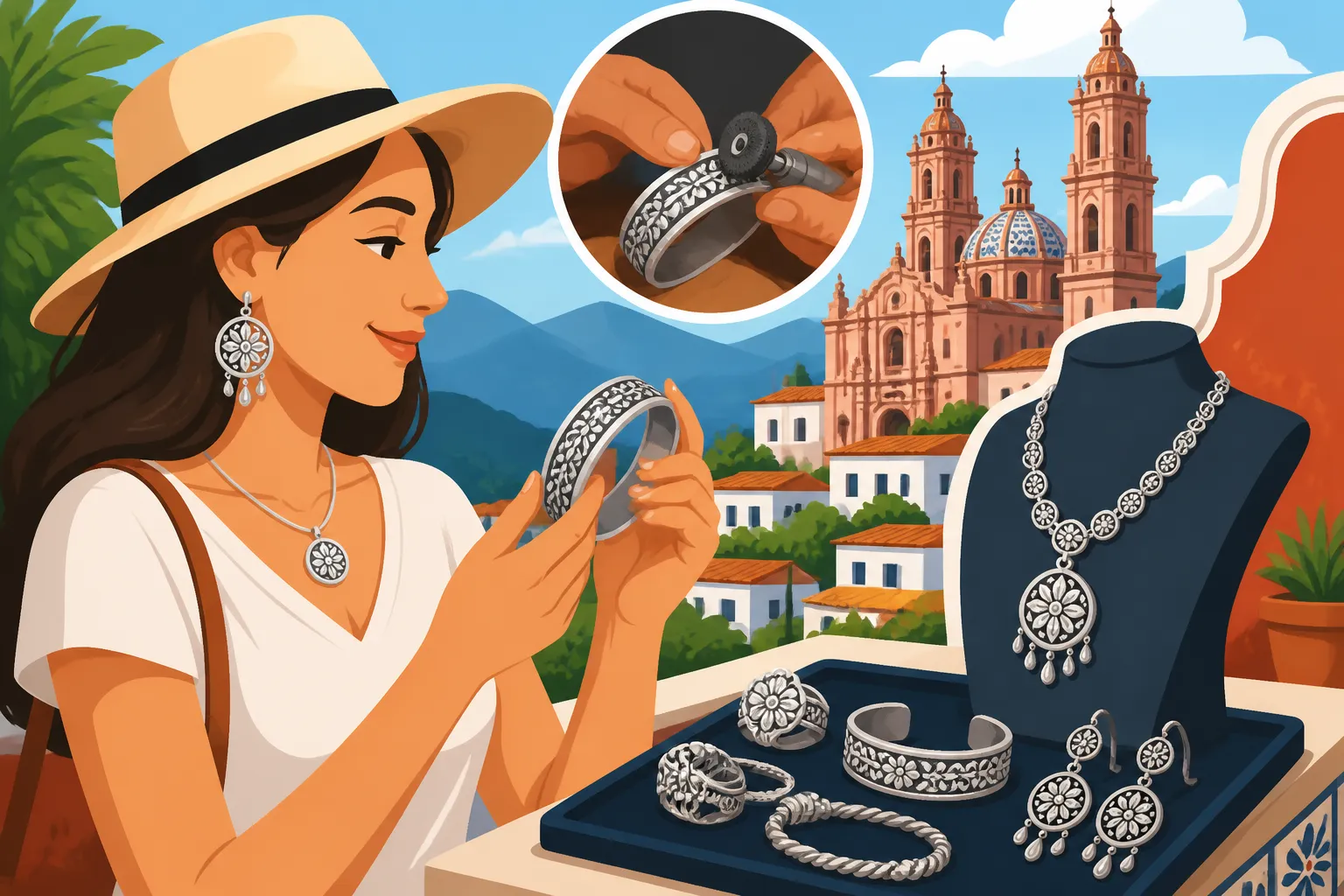
When you walk into a reputable platería, you'll notice a distinct difference. The pieces are usually more carefully curated, designs might be patented, and the staff will often be able to tell you the story behind a piece, the artisan who made it, and thoroughly explain the .925 hallmark and any other stamps. Some of these shops even have their workshops on-site or nearby, so you might catch a glimpse of the silversmiths at work. Brands like Spratling (carrying on William Spratling's legacy), Los Castillo (famous for its intricate pre-Columbian inspired designs and mixed metals), and Pineda are historical names associated with high-quality Taxco silver, though many smaller, family-run platerías also produce exceptional work.
Buying from these established places generally means you're paying for guaranteed authenticity, superior craftsmanship, and often a more sophisticated design. They typically have fixed prices or offer very little room for negotiation, but they stand by their products and often have clearer return policies, which can provide peace of mind. If you’re planning an overnight stay to truly immerse yourself, remember to check Booking.com for reputable hotels within walking distance of these central shops.
Smart Buying Strategies and Negotiation Tips
Alright, now that you know what to look for and where to look, let's get down to the art of the deal. Buying silver in Taxco can be an incredibly rewarding experience, but a little savvy goes a long way.
How to Inspect Silver for Quality and Authenticity
Beyond the crucial .925 stamp, there are other ways to gauge the quality of a silver piece. Think of yourself as a detective, examining every detail:
- Weight and Feel: Real sterling silver has a noticeable heft to it. If a piece feels unusually light or flimsy, it might not be solid silver or could be poorly made. Pick it up, feel it in your hand. Does it feel substantial?
- Craftsmanship: Examine the details. Are the edges smooth or rough? Are any stones securely set, or do they wiggle? Are clasps strong and well-finished? Are chains soldered properly or simply crimped? High-quality silver work will show attention to detail and precision. Look for clean lines, consistent polishing, and sturdy construction.
- The Magnet Test (with a caveat): Silver is not magnetic. Carry a small magnet with you. If a piece sticks strongly to the magnet, it's not silver (or it's mostly base metal). However, remember that clasps, pins, or hinges on jewelry might contain steel for strength, so a slight pull on those specific components isn't necessarily a red flag. Focus the magnet on the main body of the piece.
- The Tarnish Test (handle with care): Real silver tarnishes over time, developing a dark patina. If a piece looks too shiny and never tarnishes, it might be rhodium-plated or even chrome-plated base metal. Some people even do a "smell test" for a faint sulfurous smell from tarnish, but that's less reliable for new pieces.
- The Acid Test (for serious buyers): This is usually performed by jewelers. A tiny drop of nitric acid is applied to an inconspicuous spot; the color reaction indicates the purity of the metal. You won't be doing this in a shop, but it's good to know how professionals verify.
Don't be shy about taking your time to inspect a piece. A reputable seller will appreciate your thoroughness, knowing you're a serious buyer.
The Art of Haggling or When Not To
Ah, the dance of the haggle! This is where many foreigners either get uncomfortable or go overboard. In Taxco, like many Mexican markets, negotiation is an expected part of the buying process, especially with street vendors and in the bustling tianguis. This is particularly true if you’re purchasing multiple items or spending a significant amount.
Here's how to approach it with grace:
- Be Polite and Friendly: A smile and a "Buenos días/tardes" go a long way. Start with genuine interest in the item.
- Start with a Reasonable Offer: Don't lowball ridiculously; it can be seen as disrespectful. A good starting point might be 10-20% below the asking price, especially if it’s a non-fixed price stall.
- Be Patient: The process isn't rushed. It's a back-and-forth.
- Be Prepared to Walk Away: This is your strongest negotiation tool. If you can't agree on a price, politely thank them and move on. Often, they'll call you back with a better offer.
- When Not to Haggle: In higher-end platerías and established boutiques with price tags, the prices are generally fixed. Attempting to haggle there would be considered rude. Use your judgment based on the type of establishment.
Mastering this art is part of the fun of shopping in Mexico! You can find more comprehensive advice in our guide, Haggling in Mexico: How to Bargain at Markets Like a Local.
Payment Methods and Security
When buying silver in Taxco, you'll find a mix of payment options. For smaller purchases from street vendors or in the markets, cash (Mexican pesos) is king. You'll often get a better deal if you pay in cash, as vendors don't have to pay credit card processing fees. Always make sure you have enough smaller denominations. For tips on managing your cash, check out Money for Travel in Mexico: Cash, Cards, and ATMs and Currency Exchange in Mexico: Getting the Best Rates on Pesos.
For larger purchases, especially in established platerías, credit cards are widely accepted. This offers a layer of buyer protection and can be convenient. However, be aware of potential foreign transaction fees from your bank and always opt to pay in Mexican pesos if given the choice (this usually results in a better exchange rate than allowing the Mexican vendor's machine to convert to your home currency). Keep an eye on your card and ensure it's processed correctly. When using ATMs in Taxco (or anywhere in Mexico), be mindful of your surroundings and only use ATMs in secure locations, like inside banks or reputable stores. For a broader perspective on staying safe, our article on Staying Safe in Mexico: Practical Tips for Travelers is a must-read.
| Feature | Market Vendors / Street Stalls | Established Platerías / Boutiques |
|---|---|---|
| Price Range | Generally lower, more room for negotiation | Higher, often fixed prices |
| Authenticity | Varies wildly; requires keen eye and knowledge of .925 stamp | Generally guaranteed; reputable shops stand by their products |
| Selection | Vast and eclectic; often traditional, sometimes quirky/unique | Curated; often more modern, intricate, or signature designs |
| Customer Service | Can be fast-paced, less personalized | Knowledgeable staff, personalized attention, after-sales service |
| Bargaining | Expected and encouraged | Not typically expected or appreciated |
| Payment Preferred | Cash (pesos) | Credit cards accepted, cash still welcome |
| Experience | Lively, chaotic, traditional market feel | Calm, professional, showroom experience |
Bringing Your Silver Home and Aftercare
You've found your perfect piece, negotiated a great price, and it's securely in your bag. Now what? A few final considerations to ensure your Taxco silver continues to bring you joy for years to come.
Customs Regulations for Bringing Silver Home
Before you even leave Taxco, it's wise to have a general idea of your home country's customs regulations regarding precious metals. For most travelers, bringing back a few pieces of silver jewelry for personal use will not be an issue and will fall within standard duty-free allowances. However, if you've gone on a serious shopping spree and purchased a large quantity of silver (especially if it looks like it could be for resale), you may need to declare it upon re-entry to your home country.
Keep your receipts handy, as these can be invaluable if customs officials have any questions about the value or quantity of your purchases. It's always best to be transparent. A quick search of your country's customs website before your trip can give you peace of mind. Remember, the general rule is that personal items are usually fine, but commercial quantities might incur duties.
Caring for Your Mexican Silver
Silver, especially .925 sterling silver, is designed to last a lifetime, but it does require a little bit of love and care to maintain its luster. Here are some basic tips:
- Prevent Tarnish: Silver naturally tarnishes (oxidizes) when exposed to air and moisture. Store your silver in airtight bags or boxes, ideally with anti-tarnish strips, when you're not wearing it. This is especially important in humid climates.
- Regular Cleaning: For light tarnish, a soft polishing cloth (readily available at jewelry stores or online) is your best friend. Gently rub the piece until the shine returns.
- Deep Cleaning: For heavier tarnish, you can use a silver cleaning solution specifically designed for sterling silver. Follow the product instructions carefully, as some solutions can be too harsh for pieces with certain stones or finishes. Avoid abrasive cleaners or harsh chemicals like bleach, which can damage the silver and any gemstones.
- Avoid Chemicals: Take off your silver jewelry before swimming in chlorinated pools, doing household chores with harsh cleaners, or even applying lotions, perfumes, and hairspray. These chemicals can accelerate tarnishing and damage the finish.
- Wear it Often: Believe it or not, wearing your silver regularly can help keep it clean! The natural oils from your skin can prevent tarnish from building up.
Your silver from Taxco is more than just an accessory; it's a memento of your travels and a piece of Mexican artistry. With a little care, it will remain a cherished possession for years to come. For those interested in exploring more about Mexican craftsmanship and unique souvenirs, our guide to Mexican Crafts (Artesanías): What to Buy and Where offers further insights.
Disclaimer
Please note that while this guide is designed to provide comprehensive and up-to-date information for expats and tourists in Mexico, immigration laws, financial regulations, and local customs can change. Always consult with official government sources, legal professionals, or certified experts for the most current and personalized advice. We strive for accuracy but cannot guarantee that all information will remain current indefinitely.