Haggling in Mexico: How to Bargain at Markets Like a Local
Stepping into a bustling Mexican market for the first time often triggers a paralyzing wave of social anxiety for many newcomers. I remember standing in a chaotic tianguis in Mexico City, clutching a handful of pesos and feeling utterly exploited because I didn't know if I should negotiate or just pay the "tourist price." This guide demystifies the cultural dance of bargaining, helping you navigate local markets with confidence and respect.
Disclosure: This post may contain affiliate links. We may earn a commission at no extra cost to you if you make a purchase through these links. Read full disclosure.
Understanding the Cultural Nuances of Regateo in Mexico
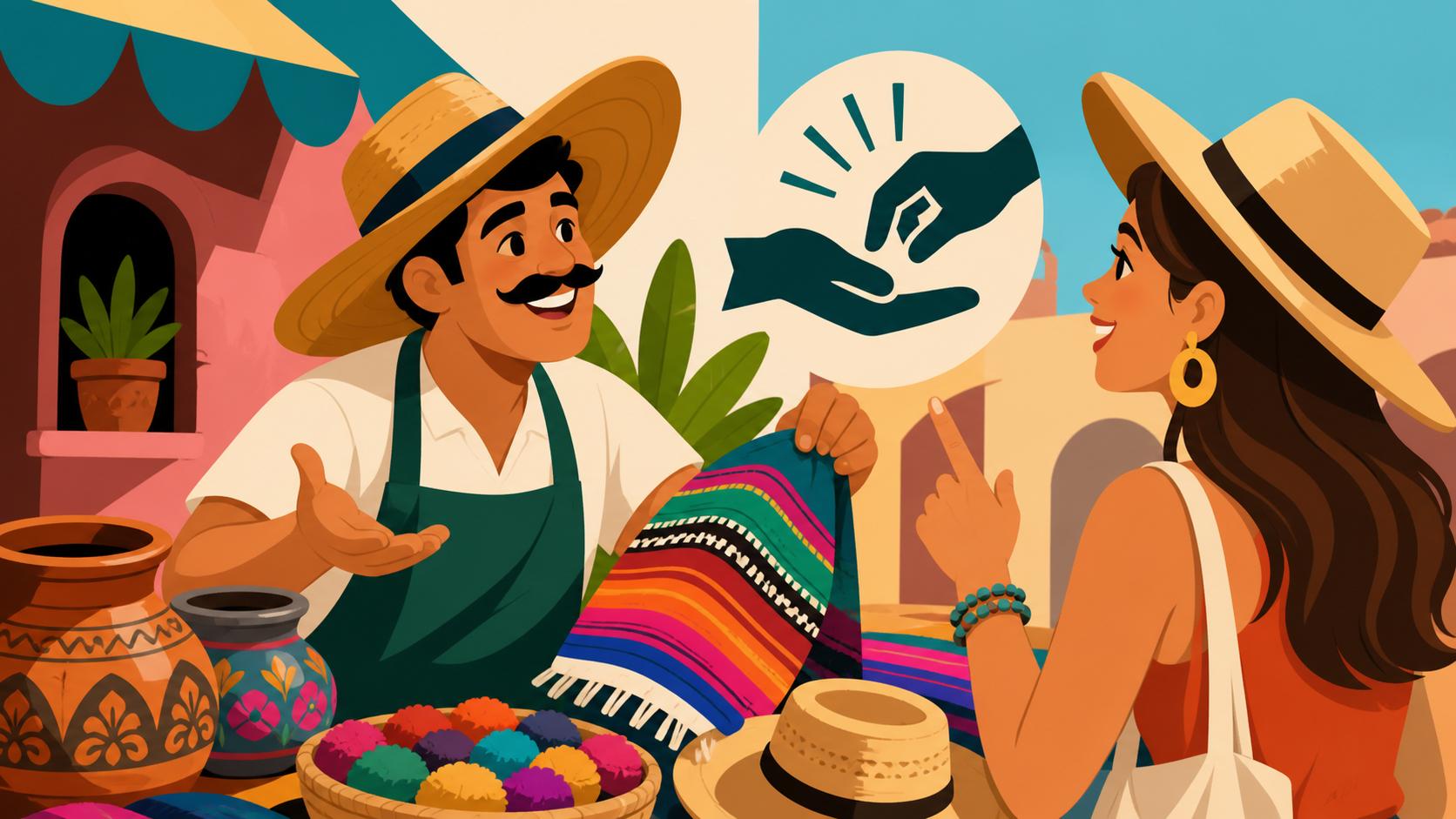
Haggling, known locally as regateo, is more than just a financial transaction in Mexico; it is a social interaction that relies heavily on mutual respect and "reading the room." For many expats, the idea of asking for a lower price feels inherently rude or cheap. However, in the context of traditional markets and artisanal stalls, it is often an expected part of the commerce cycle. Understanding when to engage and when to refrain is the first step toward integrating into the local lifestyle.
When to Haggle and When to Pay Full Price
One of the biggest mistakes foreigners make is trying to haggle in the wrong places. You should never attempt to negotiate prices in established retail stores, pharmacies, or supermarkets. If you are shopping on Amazon Mexico for household goods, the price is the price. Similarly, if you are grabbing a quick coffee at a modern cafe or staying at a Selina property, you pay the listed rate. Haggling in these environments isn't just unsuccessful; it’s culturally tone-deaf and will result in significant embarrassment.
The "green light" for regateo usually appears in tianguis (open-air markets), mercados de artesanías (craft markets), and sometimes when hiring independent services like a local handyman or a private taxi driver in a town without ride-sharing apps. Even in these spaces, there is a limit. You generally do not haggle over the price of a single kilo of tomatoes or a small street taco. These items have very thin margins, and trying to save two pesos on a piece of fruit can come across as insulting to the vendor's hard work. Reserve your negotiation skills for higher-value items like hand-woven rugs, leather goods, pottery, or when you are buying multiple items from the same vendor. For a deeper look at where to shop, check out Grocery Shopping in Mexico: Supermarkets vs Local Markets.
The Psychology of the Bargain
In Mexico, the goal of a good bargain is not to "beat" the vendor, but to find a price that leaves both parties feeling satisfied. Vendors often set an initial "asking price" that includes a small buffer for negotiation. If you pay that first price without question, you are often overpaying by 10% to 30%. However, if you lowball the vendor aggressively—offering 50% of the value right away—you may shut down the negotiation entirely.
The vendor is a professional, and their inventory represents their livelihood. When you approach a stall, start by showing genuine interest in the craftsmanship. Ask about the materials or where the item was made. This builds a rapport. A vendor is much more likely to give a "friendship price" to an expat who shows appreciation for the culture than to someone who treats the interaction like a cold business merger. This is a core part of Mexican Etiquette and Customs: Do's and Don'ts for New Expats.
Essential Strategies for Successful Market Negotiations
Once you have identified an item you love and confirmed that the setting is appropriate for negotiation, you need a strategy. This isn't about being aggressive; it's about being savvy and knowing the market value. Before you even start the conversation, it helps to have your phone out and connected via Airalo so you can quickly check the general price of similar items online or in other expat forums. Knowledge is your best leverage.
Master the Art of the Walk-Away
The most powerful tool in any negotiator's belt is the ability to walk away. This isn't a theatrical stunt; it’s a genuine boundary. When you ask, "¿Es lo menos?" (Is that the least you'll take?) and the vendor gives you a price that still feels too high, politely thank them and begin to move toward the next stall. In many cases, the vendor will call out a lower price as you walk away.
If they don't, it means you’ve hit their "bottom line," which is also valuable information. You can always come back later and pay that price if you decide the item is worth it. This strategy works best in large markets where multiple vendors sell similar items. For instance, if you are Living in Oaxaca City: Culture and Lifestyle Tips for Expats, you will find dozens of stalls selling similar black clay pottery. Walking away from one gives you the freedom to see if the next stall offers a better starting point.
Using Spanish Phrases to Close the Deal
Your level of Spanish significantly impacts the price you are quoted. If you speak only English, you are signaling that you are a temporary tourist with a high budget. Even basic Spanish can save you a fortune. Instead of asking "How much?", try using "¡Qué caro!" (How expensive!) with a playful smile, or "Me llevo tres, ¿en cuánto me los deja?" (I’m taking three, how much will you give them to me for?).
Using local terminology shows that you aren't just passing through. Learning 10 Mexican Spanish Slang Words Expats Should Know can help break the ice and signal that you are part of the community. Vendors often have different price tiers: one for tourists, one for residents, and one for locals. Your goal is to move from the tourist tier to the resident tier. Phrases like "¿Cuál es el mejor precio para clientes?" (What is the best price for customers?) can help bridge that gap. If you are serious about staying long-term, investing time in Learning Spanish in Mexico: Top Tips and Resources for Expats is the single best way to lower your daily costs.
| Item Category | Haggling Status | Expected Discount | Tip for Expats |
|---|---|---|---|
| Handcrafted Textiles | Expected | 15% – 20% | Mention you live in the neighborhood. |
| Basic Produce (1kg) | Not Recommended | 0% | Pay the listed price to support farmers. |
| Leather Goods | Highly Expected | 20% – 30% | Check for quality of stitching first. |
| Silver Jewelry | Expected | 10% – 15% | Look for the .925 stamp before bargaining. |
| Street Food | Forbidden | 0% | Tipping is more common than bargaining here. |
| Taxi (No Meter) | Required | 10% – 20% | Agree on the price before getting in. |
Practical Tips for Every Expat Shopper
Beyond the words you say, your physical presence and logistical preparation play a massive role in how much you end up paying. Local vendors are masters of observation; they will notice your watch, your shoes, and even the type of bag you are carrying. If you look like you have money to burn, you will be priced accordingly. This is a common hurdle discussed in the Living in Mexico: Cultural and Practical Guide for New Expats.
Dealing with the Gringo Tax
The "Gringo Tax" is a frustrating reality for many of us, but it’s rarely malicious. From the perspective of a local vendor earning a modest wage, a foreigner often represents immense wealth. To minimize this, try to "dress down" when heading to the tianguis. Leave the expensive jewelry and designer sunglasses at home.
Another tip is to avoid showing a wallet full of 500-peso bills. If you argue for ten minutes to get a 50-peso discount and then hand over a high-denomination bill that the vendor can't even change, you’ve lost all credibility. Carry a "market roll"—a stash of small bills (20s, 50s, and 100s) in a separate pocket. When you reach the end of a negotiation and say, "I only have 150 pesos on me," and you can actually show that you only have those specific bills, the vendor is much more likely to accept the offer to close the sale. Managing your cash flow is essential, so make sure you are Using ATMs in Mexico: Avoiding Fees and Staying Secure to keep those small bills handy.
Logistics and Payment Etiquette
In the world of Mexican markets, cash is the absolute ruler. While some high-end artisanal shops in places like San Miguel de Allende might accept credit cards, they will often add a 3% to 5% surcharge to cover the terminal fees. In a traditional market, cards are useless. Always have enough pesos on you to cover your expected purchases plus a little extra for a spontaneous snack. This is a major factor in calculating your Cost of Living in Mexico: 2026 Comprehensive Guide.
Finally, remember the "Time of Day" rule. If you are the first customer of the day, some vendors believe that making a sale—even at a deep discount—will bring good luck for the rest of the day (the venta para la suerte). Conversely, at the very end of the market day, vendors may be more willing to drop prices significantly so they don't have to pack up and transport heavy items back home. This is particularly true for produce and bulky pottery. If you are still in the process of How to Find an Apartment in Mexico: Best Websites and Tips for Expats, keep these market locations in mind; living within walking distance of a weekly tianguis can save you thousands of pesos over a year.
Whether you are Living in San Miguel de Allende: A Cultural Haven for Expat Retirees or navigating the urban sprawl of the capital, mastering the art of the bargain will make you feel less like a target and more like a neighbor. It takes practice, and you will definitely overpay a few times at first. Don't beat yourself up over it—consider it a "tuition fee" for your new life in Mexico.
Disclaimer
This guide is intended for informational purposes only. Local customs regarding bargaining can vary significantly by region and specific market. While haggling is a common practice in many parts of Mexico, always prioritize respect and fairness toward local vendors. Prices and economic conditions are subject to change.