Lake Chapala vs San Miguel de Allende: Comparing Expat Retirement Havens
Deciding where to anchor your retirement involves agonizing over climate, healthcare, and hidden costs. I have analyzed thousands of firsthand stories from exhausted retirees who were forced to move twice after romanticizing the wrong city. This guide breaks down the true logistical, financial, and cultural realities of Lake Chapala and San Miguel de Allende so you can confidently choose your home.
Disclosure: This post may contain affiliate links. We may earn a commission at no extra cost to you if you make a purchase through these links. Read full disclosure.
The Climate and Physical Geography
The Eternal Spring of Lake Chapala
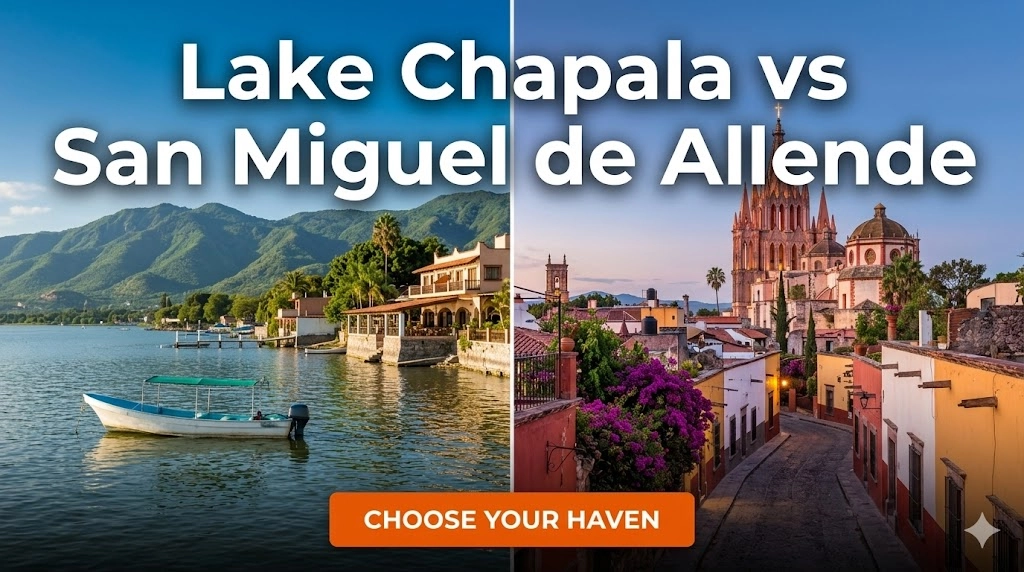
Lake Chapala is Mexico’s largest freshwater lake, situated at roughly 5,000 feet above sea level. This specific elevation, combined with the massive thermal mass of the water, creates an incredibly stable microclimate. It is frequently touted by local real estate agents as having the second-best climate in the world. Retirees flock here because it rarely drops below 50°F (10°C) at night or rises above 85°F (29°C) during the day, virtually eliminating the need for aggressive, expensive central heating or air conditioning.
However, this tropical, lakeside environment comes with its own unique set of physical frustrations. During the summer rainy season, the lake level fluctuates, and the region experiences intense, sudden thunderstorms that can easily knock out the local power grid. Furthermore, living right on the edge of a massive body of water means dealing with prolific insect life. At certain times of the year, massive swarms of harmless but highly annoying midges (known locally as sayacos) rise from the lake, coating window screens and making patio dining incredibly frustrating.
You must also consider the realities of the lake’s ecological health. While the water views are stunning from the hillsides of Ajijic, Lake Chapala is not a pristine swimming lake. It suffers from agricultural runoff and invasive water hyacinth (lirio) that occasionally chokes the shoreline. If your retirement dream involves daily swims in crystal-clear water, this specific geography will severely disappoint you. Understanding these environmental nuances is critical before signing a long-term lease.
The High Altitude Reality of San Miguel
San Miguel de Allende (SMA) sits significantly higher than Lake Chapala, perched at approximately 6,200 feet (1,900 meters) in the high desert region of Guanajuato. This high-altitude, semi-arid climate offers spectacular, cloudless blue skies for the vast majority of the year. During the day, the intense Mexican sun warms the city beautifully, making it perfect for wandering the historic, colorful streets or enjoying rooftop lunches.
The absolute biggest shock for new retirees, however, is the sudden, biting cold that arrives the moment the sun dips below the horizon. Because traditional colonial Mexican architecture is specifically designed with thick stone walls to stay cool during the blistering summer months, these homes completely lack central heating and insulation. During the winter months (December through February), the temperature inside your stunning colonial living room can easily plummet into the low 40s°F (5°C). New arrivals are routinely stunned to find themselves wearing winter coats, thick wool socks, and beanies inside their own homes.
Additionally, the altitude itself is a massive physical hurdle that cannot be ignored by aging bodies. When you first arrive in San Miguel, your cardiovascular system will violently rebel against the thinner air. You will likely experience mild altitude sickness, characterized by sudden shortness of breath from simply walking up a slight incline, persistent dull headaches, and severe dehydration. It takes several weeks for your body to acclimate, meaning your initial exploration of the city will be physically exhausting.
Managing Your Environment and Comfort
Regardless of whether you choose the lakeside humidity of Chapala or the high-desert chill of San Miguel, you must actively engineer your indoor climate to protect your health and comfort. Traditional Mexican hardware stores (ferreterías) are often small and notoriously lack specialized, high-quality climate control appliances. Trying to find a premium, energy-efficient space heater in San Miguel or a commercial-grade dehumidifier in Chapala by wandering the local markets is an exercise in pure frustration.
To bypass this chaotic local retail supply chain, veteran expats digitize their household setup by relying exclusively on Amazon Mexico. Utilizing the localized Amazon Mexico platform allows you to order clinical-grade HEPA air purifiers, reliable ceramic space heaters, heavy winter duvets, and powerful dehumidifiers directly to your front door. Because it operates within Mexico’s domestic logistics network, your items arrive quickly, completely bypassing the nightmarish delays of international customs.
Securing these environmental comforts is non-negotiable for a sustainable retirement. A poorly heated home in the mountains can exacerbate arthritis, while an overly humid home on the lake can lead to toxic black mold destroying your clothing and respiratory system. By utilizing modern e-commerce pipelines to outfit your home, you can quickly establish a comfortable, highly functional sanctuary, allowing you to focus your energy on cultural integration rather than retail trauma. For advice on handling the broader utilities required to run these appliances, review Setting Up Utilities in Mexico: Electricity, Water, and Internet.
Expat Community and Social Integration
The Massive Network at Lake Chapala
The Lake Chapala area—specifically the interconnected villages of Chapala, Ajijic, and San Juan Cosalá—hosts one of the largest, most densely concentrated English-speaking expat populations in the entire world. This area is a highly established, deeply entrenched retirement haven. Organizations like the Lake Chapala Society serve as massive social anchors, offering everything from English-language libraries and legal assistance to dozens of daily hobby clubs, Spanish classes, and volunteer opportunities.
The primary demographic here leans heavily toward traditional retirees aged 65 and older from the United States and Canada. Because the expat footprint is so massive, you can easily live your entire daily life in Ajijic without ever speaking a single word of Spanish. Restaurants feature English menus, local doctors are perfectly bilingual, and businesses actively cater to North American tastes. For expats terrified of the language barrier or seeking an immediate, plug-and-play social life, this deep infrastructure is incredibly comforting.
However, this intense concentration is a double-edged sword. Living in the “Chapala Bubble” can feel highly insular and socially claustrophobic. The community is so tightly knit that gossip travels fast, and the environment can sometimes feel more like a suburban retirement village in Florida than an authentic Mexican town. If your primary goal in relocating is deep, challenging cultural immersion and surrounding yourself with diverse, younger demographics, the primary hubs of Lake Chapala may feel entirely too homogenized for your tastes.
The Artistic Sophistication of San Miguel
San Miguel de Allende attracts an entirely different flavor of expat. Designated as a UNESCO World Heritage site, the city is a stunning, immaculately preserved colonial jewel that has acted as a magnet for artists, writers, and creatives since the 1950s. The social scene here is undeniably more sophisticated, upscale, and culturally intense than the relaxed, lakeside vibe of Chapala.
The expat community in SMA is highly active, but it revolves heavily around high-end gastronomy, gallery openings, classical music festivals, and lavish charity galas. It attracts wealthier retirees, established artists, and increasingly, affluent digital nomads drawn by the city’s aesthetic beauty. The architecture is spectacular, with massive, heavy wooden doors hiding lush, manicured interior courtyards. Every corner of the historic center looks like a highly curated movie set, which creates a daily atmosphere of profound beauty.
This sophistication, however, breeds exclusivity. San Miguel can feel intensely pretentious, and the social hierarchy among expats is often subtly dictated by wealth and artistic standing. Furthermore, because the city is a massive international tourist destination, the historic center is constantly flooded with weekend visitors from Mexico City and foreign tourists, making the narrow sidewalks overwhelmingly crowded. Finding quiet authenticity requires intentionally stepping outside the pristine, gentrified core and engaging with the surrounding local neighborhoods.
Overcoming the Expat Bubble
In both Lake Chapala and San Miguel de Allende, the greatest threat to your long-term happiness is becoming permanently trapped within the English-speaking expat bubble. When you only interact with other foreigners, your experience of Mexico remains shallow, transactional, and heavily filtered through the anxieties and complaints of other retirees. You miss out on the profound warmth, deep family values, and incredible resilience of the local Mexican culture.
To truly thrive, you must force yourself into uncomfortable integration. You must commit to learning functional Spanish. Being able to joke with the vendor at the local tianguis (open-air market), negotiate respectfully with a plumber, or simply greet your neighbors correctly transforms your entire existence. It shifts you from being viewed as a wealthy, passing tourist to a respected, integrated member of the community.
If you are arriving in either city to scout neighborhoods, you need a transitional strategy that prevents immediate isolation. Booking a co-living suite or a private room at a Selina location (available in San Miguel) is a brilliant logistical maneuver. Selina provides an instant, highly connected community of global travelers and remote workers, offering commercial-grade internet and built-in networking events. It acts as the perfect, low-risk basecamp while you explore whether the town’s specific social dynamics actually align with your retirement goals.
Cost of Living and Real Estate Realities
Housing Markets and Rental Costs
The financial reality of relocating to Mexico has shifted aggressively over the last five years, and both of these havens are no longer the dirt-cheap budget destinations they once were. San Miguel de Allende is widely considered one of the most expensive inland real estate markets in all of Mexico. Because the city strictly enforces historic preservation codes and international demand is relentless, housing inventory in the desirable Centro area commands a massive premium. A modern, beautifully restored two-bedroom colonial home in the center of SMA can easily rent for $2,000 to $3,500 USD per month.
Lake Chapala offers a much wider spectrum of affordability, though prices in the primary expat hub of Ajijic have also skyrocketed. However, because the lakeside area encompasses several different towns, you can find significant value by looking slightly outside the main bubble. Towns like San Antonio Tlayacapan or Jocotepec offer much more authentic, affordable housing options while keeping you within a 15-minute drive of the main expat amenities. Here, a comfortable, modern home can still be secured for $800 to $1,500 USD per month.
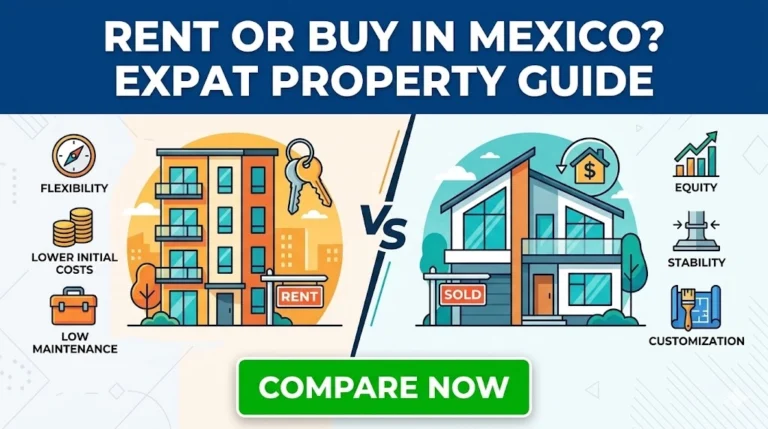
In both locations, securing a long-term lease introduces you to the infamous Aval requirement. Mexican landlords almost universally demand a local co-signer who owns debt-free property in the exact same city to guarantee your lease against squatters. As a new arrival, bypassing this usually requires paying for a specialized legal eviction policy (Póliza Jurídica) or offering multiple months of rent upfront in cash. To navigate these wild realities and understand your tenant rights, you must review Real Estate in Mexico: Renting vs Buying for Expats.
Daily Expenses and Utility Logistics
The daily cost of living in both San Miguel and Chapala is heavily influenced by the “Gringo Tax.” Because these local economies are driven by foreign capital, prices at restaurants, specialty grocery stores, and for local domestic services are noticeably higher than in authentic, non-tourist Mexican cities of comparable size. If you insist on buying imported American brands, dining at upscale fusion restaurants, and hiring full-time domestic staff, your budget will quickly mirror what you spent in North America.
However, if you adapt your lifestyle to the local economy, both locations offer incredible value. Shopping for seasonal produce at the local markets, eating at traditional fondas, and utilizing local healthcare for routine visits will drastically reduce your overhead. It is entirely possible for a couple to live a highly comfortable, upper-middle-class lifestyle in either location for $2,500 to $3,500 USD per month, provided they manage their housing costs effectively.
You must also account for the hidden costs of utility management. Electricity in Mexico is billed on a tiered system by the CFE, and heavy usage of air conditioning or space heaters will push you into the punitive DAC (High Consumption) rate, which removes all government subsidies and triples your bill overnight. Furthermore, managing your financial compliance across borders is critical. To ensure you understand how the Mexican government tracks the income you are spending, you must thoroughly read Taxes in Mexico for Expats: A Complete Guide to Income Tax and More.
Outfitting Your Unfurnished Home
When you finally bypass the landlord negotiations and sign a long-term lease, be prepared for the brutal reality of the Mexican definition of “unfurnished” (sin amueblar). In North America, an unfurnished apartment still generally includes a refrigerator, a stove, an oven, and built-in bedroom closets. In Mexico, an unfurnished home often means bare concrete walls and absolutely nothing else.
It is incredibly common to rent a home that lacks all major kitchen appliances, shelving, and sometimes even light fixtures and toilet seats. You must budget thousands of dollars to outfit a raw house during your first week. Finding these specialized home goods locally can be a massive headache, as local big-box stores in smaller towns often lack premium inventory, and organizing delivery with local freight drivers in Spanish adds massive friction to your move-in process.
As mentioned, bypassing the chaotic local retail supply chain by ordering heavy appliances, mattresses, and essential electronics through Amazon Mexico is the absolute safest strategy for new arrivals. It allows you to maintain your standard of living without the retail trauma. Furthermore, if you are a remote professional trying to establish a home office while navigating these empty rentals, maintaining your digital connectivity is vital. For deeper insights into managing your career alongside these logistics, read Digital Nomads in Mexico: Remote Work Guide.
Healthcare Access and Medical Infrastructure
Proximity to Elite Guadalajara Hospitals (Chapala)
For retirees, the proximity and quality of medical care is often the single most critical factor in choosing a destination. This is where Lake Chapala holds a massive, undeniable advantage. The Chapala lakeside is situated less than an hour’s drive from Guadalajara, which is widely recognized as the medical tourism capital of Mexico.
Guadalajara is home to the absolute apex of the Mexican private healthcare system. Elite, JCI-accredited facilities like Hospital San Javier and Hospital Puerta de Hierro operate with clinical standards that frequently surpass hospitals in the US or Canada. They possess the latest MRI machines, robotic surgery suites, and are staffed by leading bilingual specialists. If you live in Ajijic and suffer a severe cardiac event or require complex orthopedic surgery, you are only 45 minutes away from world-class, life-saving intervention.
For routine care, the lakeside area is fully equipped with local clinics, high-quality dentists, and English-speaking general practitioners who cater specifically to the aging expat population. You can easily manage minor ailments, secure prescription refills, and undergo routine bloodwork without ever leaving the lake. This seamless blend of local convenience and immediate access to elite trauma centers makes Chapala the ultimate safety net for aging expats.
Medical Services and Clinics in San Miguel
San Miguel de Allende operates with a significantly different medical reality. While the city boasts several very good local clinics, an active Red Cross (Cruz Roja), and the relatively new MAC Hospital, its capacity for highly complex, catastrophic medical emergencies is far more limited than Guadalajara’s. The local medical infrastructure is excellent for stabilizing patients, treating broken bones, or managing chronic illnesses.
However, if you require highly specialized, life-saving neurosurgery, complex cardiac bypass, or advanced oncology treatments, the local facilities in San Miguel may not be fully equipped to handle your case. In these severe emergencies, expats must be transported by ambulance to the much larger city of Querétaro, which is a grueling 1 to 1.5-hour drive away. This terrifying delay in acute care is the hidden, dangerous cost of living in the isolated colonial highlands.
Navigating local pharmacies for specific imported vitamins, specialized skincare, or premium maintenance supplements also involves dealing with local supply chain shortages. While you must use local pharmacies for immediate prescriptions, ensuring a steady supply of specific medications requires strategic planning. To understand how to safely navigate the local retail drug stores and walk-in clinics for these basic needs, consult Pharmacies in Mexico: How to Get Medications OTC vs Prescription. To learn how to locate vetted, bilingual specialists before an emergency strikes, utilize the strategies detailed in Finding English-Speaking Doctors and Specialists in Mexico.
Securing Your Financial Medical Safety Net
Regardless of whether you choose the lakeside convenience of Chapala or the colonial charm of San Miguel, you cannot rely on the Mexican public healthcare system (IMSS) for complex, catastrophic care. The public system is chronically underfunded, heavily backlogged, and operates exclusively in Spanish. Attempting to navigate a major medical crisis in a crowded public hospital is terrifying for a foreigner.
You must secure access to the elite private sector. However, private Mexican hospitals in both regions will mercilessly demand massive upfront credit card deposits—often between $3,000 and $5,000 USD—before they will even admit you to the emergency room. Attempting to self-insure this level of risk is financial suicide. You must secure robust international health coverage to guarantee you have VIP access to the best hospitals without draining your life savings.
A premium policy ensures you bypass the inaccessible public clinics entirely and are transported directly to a facility equipped to handle complex trauma. Furthermore, if you are over 60 years old and have secured your permanent residency, you can apply for the INAPAM card, which grants senior citizens massive discounts on medications, transport, and municipal services. To deeply understand the financial mechanics of this catastrophic medical protection, review Choosing Private Health Insurance: Local Mexican Plans vs International Coverage. For a comprehensive overview of the public versus private divide, read Healthcare in Mexico: Complete Guide for Expats Public vs Private.
Accessibility, Transit, and Remote Connectivity
Cobblestones and Mobility Challenges
The romantic imagery of colonial plazas and winding historic streets often completely overshadows the brutal reality of the physical environment. If you rely on a wheelchair, a walker, a cane, or simply have bad knees, San Miguel de Allende is an exceptionally hostile environment. The city is built on a steep hillside, and the streets are paved with uneven, jagged cobblestones that are incredibly damaging to joints and mobility aids.
The sidewalks in SMA are rarely uniform. You will encounter sudden, steep drops, missing concrete, and sidewalks that are barely twelve inches wide, forcing pedestrians directly into moving traffic just to bypass obstacles. Navigating the historic center on foot requires immense physical stamina and intense vigilance to avoid twisting an ankle. For expats with mobility issues, San Miguel can quickly lead to severe physical isolation unless you have the budget to hire a driver daily.
Lake Chapala, particularly the central village of Ajijic, also features traditional cobblestone streets, but the topography is generally much flatter near the lake. While still challenging for wheelchair users, the lack of steep, punishing inclines makes daily walking significantly easier on aging joints. If physical mobility and accessibility are your primary concerns, the flat terrain of the lakeside offers a drastically safer, more manageable daily environment than the vertical inclines of San Miguel.
Navigating Flights and Airport Transfers
Your proximity to an international airport dictates how easily you can visit family back home or receive visitors. Lake Chapala wins this logistical battle effortlessly. The lakeside towns are located just 30 to 45 minutes away from Guadalajara International Airport (GDL), which is Mexico’s third busiest airport. GDL offers dozens of cheap, direct, daily flights to major hubs across the United States, Canada, and Europe.
San Miguel de Allende is significantly more isolated. The city does not have its own commercial airport. You must fly into either León/Bajío International Airport (BJX) or Querétaro Intercontinental Airport (QRO). Both of these airports are roughly a 1.5-hour drive from San Miguel over remote highways. Furthermore, these regional airports offer far fewer direct international flights, meaning your travel schedule will almost always involve a layover in Mexico City, Houston, or Dallas.
When navigating these long airport transfers, especially upon your initial arrival with massive luggage, you cannot rely on spotty airport Wi-Fi to summon a secure Uber or communicate with your private driver. You must localize your cellular data the absolute second your plane lands. By downloading an eSIM profile through Airalo before you even cross the border, you ensure your phone stays connected to Mexico’s strongest network. Having a dedicated Airalo data package is the ultimate digital safety blanket, ensuring you are never stranded outside a remote airport without the ability to navigate or translate.
Digital Infrastructure for the Modern Retiree
The modern retiree is highly connected. Whether you are managing investment portfolios, streaming high-definition entertainment, or video-calling grandchildren, robust internet is non-negotiable. Both San Miguel and the primary hubs of Lake Chapala have heavily modernized their telecommunications grids, offering reliable, high-speed fiber-optic connections to residential homes.
However, because both regions are located outside of the massive metropolitan cores, they are entirely at the mercy of the fragile CFE national power grid. During the heavy summer rains, intense thunderstorms frequently knock out neighborhood power transformers. A ten-minute blackout will kill your router and disconnect you from the world. You must absolutely invest in an Uninterruptible Power Supply (UPS) battery backup for your modem to survive these rolling micro-outages.
Establishing this digital infrastructure as a foreigner requires navigating the intense bureaucracy of the local utility offices. You cannot simply make a phone call to turn the internet on; you must often stand in line, present your original lease, your passport, and your physical resident card. To understand the exact bureaucratic steps required to get your Wi-Fi activated and your water pressure stabilized without losing your mind, you must carefully study Setting Up Utilities in Mexico: Electricity, Water, and Internet.
Making the Final Decision
When Lake Chapala is the Right Choice
Lake Chapala is the undisputed choice for retirees who prioritize physical comfort, immediate convenience, and a massive, pre-built English-speaking social safety net. If your primary goal is a relaxing, temperate, lakeside lifestyle where you never have to shovel snow or battle freezing indoor temperatures, the climate here is unmatched.
Furthermore, if you have complex medical needs or anticipate requiring high-level specialist care as you age, the 45-minute proximity to Guadalajara’s elite hospitals provides unparalleled peace of mind. It is a location that allows for an incredibly soft landing. You can arrive, plug directly into the Lake Chapala Society, find an English-speaking doctor the next day, and instantly feel at home.
The compromise, of course, is authenticity. You must be comfortable living in an environment that has been heavily shaped and altered by North American preferences. If you are willing to trade raw, immersive Mexican cultural depth for logistical ease, flat walking surfaces, and world-class medical proximity, Lake Chapala is the ultimate sanctuary.
When San Miguel de Allende is the Right Choice
San Miguel de Allende is the perfect destination for the culturally ambitious expat. If you are drawn to profound aesthetic beauty, historic preservation, and an atmosphere that feels intensely sophisticated and artistic, San Miguel has no equal in Mexico. It is a city that constantly inspires creativity and rewards those who appreciate high-end gastronomy and vibrant cultural festivals.
This environment is best suited for expats who are physically robust enough to handle the high altitude, the freezing winter nights, and the punishing cobblestone hills. You must have a slightly higher budget to comfortably afford the gentrified housing market, and you must be willing to accept the 1.5-hour drive to a major trauma center or an international airport as a fair trade-off for living in a UNESCO World Heritage site.
Choosing San Miguel means choosing a highly curated, visually stunning lifestyle. It attracts a demographic that values intellectual stimulation, gallery walks, and upscale socializing over the quiet, suburban ease of lakeside living. If you want your retirement to feel like a continuous, elegant adventure in a living museum, San Miguel is your destination.
The Try Before You Buy Strategy
The most dangerous, financially devastating mistake you can make is selling your home, packing all your belongings, and signing a blind 12-month lease in either city based purely on internet research. You must employ a strict “try-before-you-buy” strategy to protect your sanity and your savings.
Before you commit your capital, rent a short-term apartment in both locations for at least a month during their worst respective seasons. Go to Lake Chapala in May to see if you can tolerate the heat and the bugs before the rains arrive. Go to San Miguel de Allende in January to see if you can physically handle the freezing, uninsulated nights and the breathless altitude. Only by experiencing the environmental extremes can you make an educated, permanent decision.
While you are executing these test runs, you must ensure your administrative standing is flawless. You cannot legally rent a long-term home, buy a car, or open a bank account on a tourist visa. You must secure a Temporary or Permanent Resident Visa based on economic solvency at a Mexican consulate in your home country before you permanently move. To ensure your paperwork is flawless and you survive the initial bureaucratic gauntlet, strictly follow the steps outlined in How to Apply for Temporary Residency in Mexico: Step-by-Step.
References
Primary sources (official)
- Instituto Nacional de las Personas Adultas Mayores (INAPAM): The official federal government portal detailing the specific legal requirements and discounts available to foreign retirees over 60 holding permanent residency. https://www.gob.mx/inapam/articulos/requisitos-para-tramitar-la-tarjeta-inapam
- San Miguel de Allende: The official municipal government site providing data on local infrastructure, civic regulations, and public safety initiatives in the historic UNESCO zone. https://www.sanmigueldeallende.gob.mx/
Other helpful sources
- U.S. Embassy & Consulates in Mexico: The official U.S. diplomatic portal offering crucial emergency contacts, notary services, and localized safety information for American expats in the Guanajuato region. https://mx.usembassy.gov/tag/san-miguel-de-allende/
- ExpatDen: A highly trusted, firsthand expat resource breaking down the granular costs of living, neighborhood demographics, and social dynamics of the Ajijic and Chapala communities. https://www.expatden.com/mexico/
Disclaimer
The information provided in this guide is for educational, logistical, and informational purposes only and does not constitute formal immigration, legal, real estate, or medical advice. The cost of living, rental market prices, and medical infrastructure in Lake Chapala and San Miguel de Allende are highly volatile and subject to rapid economic shifts and intense gentrification. Always consult with a certified bilingual Mexican attorney or a registered immigration facilitator before signing long-term leases, and thoroughly verify your international health insurance coverage networks before relocating abroad.