Settling in Mexico: Step-by-Step Guide to Your First 30 Days as an Expat
Standing in a crowded Mexican immigration office with a dead cell phone and a rejected stack of forms is an expat rite of passage that nearly broke me. I remember my first week in Mexico feeling less like a tropical retirement and more like an administrative hostage situation. This guide provides the exact blueprint to survive your first 30 days, bypass the bureaucratic nightmares, and seamlessly establish your new life abroad.
Disclosure: This post may contain affiliate links. We may earn a commission at no extra cost to you if you make a purchase through these links. Read full disclosure.
The 30-Day Ticking Clock: Mastering the “Canje” Process
When you finally land in Mexico, the relief of stepping off the plane is instantly replaced by a ticking bureaucratic clock. If you applied for residency at a consulate in your home country, the hardest part is not actually over—it has just begun.
The Visa Sticker is Not Your Residency
A massive, highly common misconception among new expats is that the visa sticker placed in your passport by the consulate is your actual residency. It is not. That sticker is merely a single-entry pass that allows you to enter the country to finalize the process.
When you approach the immigration desk at the Mexican airport, you must explicitly show the agent your visa sticker. Do not let them process you as a standard tourist. They will stamp your passport and issue you an FMM (Forma Migratoria Múltiple) explicitly marked for 30 days. The absolute second you clear customs, a strict 30-day window begins. You must initiate the Canje (exchange) process at your local National Institute of Migration (INM) office within this timeframe to trade your temporary sticker for your physical, plastic resident card. If you miss this 30-day window, your visa is permanently voided, and you must start the entire process over from scratch in your home country.
The INM Paperwork Gauntlet
The Canje process is infamous in the expat community. It involves navigating the INM portal online, filling out the Formato Básico in Spanish, generating payment forms, and visiting a local bank to pay the physical federal rights fees in cash before you even step foot in the immigration office.
You must bring your original passport, copies of your passport data page, copies of the visa sticker, your original FMM, the payment receipts, and highly specific photographs. The photo requirements are brutal: you need tamaño infantil (infant size, which is a specific Mexican dimension, not a standard US passport size), taken from the front and the right profile, with a completely bare forehead, no glasses, and no earrings. If a single strand of hair touches your eyebrow, the INM agent will reject the photos.
To ensure you have every single document prepared perfectly and do not fall victim to the crushing frustration of missing paperwork, you must meticulously follow the roadmap outlined in How to Apply for Temporary Residency in Mexico: Step-by-Step. To prepare for the financial hit of the final INM fees, review Mexico Immigration Fees and Costs: Budgeting for Your Residency.
Surviving the Waiting Room
Nothing tests your patience quite like a Mexican government waiting room. You will likely need to arrive at the INM office at 6:00 AM to stand in line on the sidewalk just to secure a numbered ticket for the day. You will spend hours sitting in hard plastic chairs.
Expect to be sent out of the building at least once. The agent might scrutinize a photocopy and declare the margins are cut off, forcing you to sprint to the local papelería (copy shop) across the street. Do not argue; simply smile, nod, get the new copy, and return. The Canje process teaches you the foundational lesson of living in Mexico: surrender your timeline to the bureaucracy.

Immediate Connectivity: Phones, Data, and Getting Online
The absolute worst feeling in the world is standing outside a chaotic Mexican airport with all your luggage, realizing you have no cellular data to call an Uber, check your reservation, or translate a conversation with a taxi driver.
The Danger of Arriving Disconnected
Many expats assume their US, Canadian, or European mobile plans will work flawlessly upon arrival because their carrier promised “Free North American Roaming.” This is a trap. While these plans work fine for a one-week vacation, major carriers will rapidly throttle your data speeds to an unusable crawl once they detect prolonged foreign usage. Eventually, they will completely cancel your account for violating their fair-use policies. You cannot rely on your home country’s plan to navigate your new life.
The Instant Fix: Localized eSIMs
In the past, the first 24 hours in Mexico involved hunting down an OXXO convenience store, buying a physical Telcel SIM card, and struggling with Spanish automated menus to activate a data package. Today, the process of buying a physical SIM often requires presenting your passport and registering your device, adding unnecessary friction to your first day.
The modern, stress-free solution is to localize your phone before your plane even touches the tarmac. By utilizing Airalo, you can download a localized Mexican eSIM profile directly to your smartphone while you are still sitting in your home country. The moment your plane lands in Mexico, your Airalo profile instantly connects to the robust Telcel 4G/5G network.
Having an active Airalo data plan running the second you land is the ultimate digital safety blanket. It gives you immediate access to Google Maps to ensure your taxi driver is going the right way, WhatsApp to contact your landlord, and Google Translate to navigate your first meal. Setting up Airalo provides uninterrupted, high-speed data to bridge the gap while you spend your first few weeks setting up permanent local utilities.
Securing Your Landing Pad and Long-Term Housing
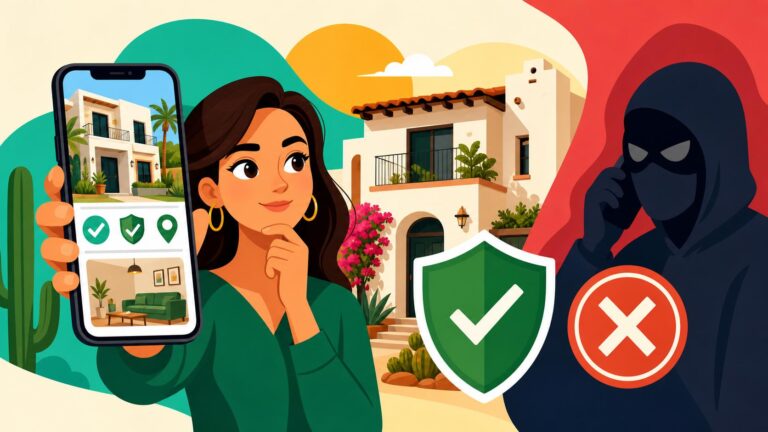
You should never, under any circumstances, sign a long-term, 12-month lease in Mexico before you have physically arrived in the country. The market is entirely unregulated, and internet scams targeting eager foreigners are rampant.
The Perfect 30-Day Basecamp
Because you cannot sign a lease from abroad, you need a safe, reliable landing pad for your first month. Standard vacation rentals are incredibly expensive for a 30-day block, and checking into a sterile hotel is deeply isolating when you are trying to acclimate to a new culture.
To cure the initial loneliness of relocating and secure an immediate home base, veteran expats heavily utilize Selina. Booking a private room or a micro-suite at a Selina location for your first 30 days is a strategic masterclass. Whether you land in Mexico City, Oaxaca, or Playa del Carmen, Selina provides commercial-grade, reliable internet, built-in co-working spaces, and an instant community.
Instead of sitting alone in an empty Airbnb wondering how to meet people, you can walk downstairs to the Selina communal areas, grab a coffee, and instantly network with other expats and digital nomads who already know the neighborhood. You can ask them which local neighborhoods are safe, which landlords to avoid, and where to find the best street tacos. Selina acts as your community bridge while you dedicate your days to boots-on-the-ground apartment hunting.
Conquering the “Aval” Requirement
When you physically tour apartments and find a long-term rental you love, you will slam headfirst into the most infuriating aspect of the Mexican housing market: the Aval.
Because evicting a squatter in Mexico takes years, landlords almost universally require an Aval (a guarantor or co-signer) who owns debt-free property in the exact same city where you are renting. As a brand-new expat, you do not know anyone willing to put their home’s deed on the line for your lease.
To bypass this dealbreaker, you must learn the art of Mexican negotiation. You can offer the landlord a Póliza Jurídica (a specialized legal eviction insurance policy that you pay for, which acts in place of a guarantor). If they refuse that, offering to pay a higher security deposit or paying three to six months of rent upfront in cash will almost always make the Aval requirement magically disappear. To master these negotiations and understand your tenant rights, you must read Real Estate in Mexico: Renting vs Buying for Expats.
Bureaucracy Part 2: Taxes, RFCs, and Banking
Once your immigration card is processing and you have a roof over your head, you must integrate into the Mexican financial system. You can no longer survive purely on cash and foreign debit cards.
Why You Now Need a Mexican Tax ID (RFC)
Five years ago, expats routinely lived in Mexico for decades without ever interacting with the Mexican tax authority (the SAT). That era is completely dead. Today, securing your Registro Federal de Contribuyentes (RFC)—your Mexican Tax ID—is an absolute legal requirement for anyone holding a resident card.
Without an RFC, your life in Mexico will hit a brick wall. You cannot open a local bank account, you cannot buy a car, and you cannot even put the local electric bill (CFE) or internet service in your own name. To understand how to manage your home infrastructure once you have this number, review Setting Up Utilities in Mexico: Electricity, Water, and Internet. Furthermore, depending on your income sources, holding an RFC ties into your overall global tax liabilities. To protect your wealth and stay compliant, you must thoroughly read Taxes in Mexico for Expats: A Complete Guide to Income Tax and More.
Getting Your RFC at the SAT
To get your RFC, you must book an appointment (a Cita) online through the SAT portal. Because the system is chronically backlogged, you might have to enter a digital “virtual queue” and wait weeks for a slot to open.
When your appointment day arrives, you must bring your physical resident card, your passport, a printed copy of your CURP (a separate population registry number you receive with your resident card), and a recent utility bill to prove your address. The SAT agent will register your biometric data (fingerprints and iris scans) and hand you a crucial document called the Constancia de Situación Fiscal. Guard this piece of paper with your life; it is the master key to the Mexican economy.
Opening Your First Mexican Bank Account
With your resident card and your SAT documents in hand, you can finally walk into a branch of BBVA, Banorte, or Intercam to open a local bank account.
Opening an account allows you to utilize SPEI (the Mexican instant bank transfer system), which is how you will pay your rent, your doctors, and your utility bills. Be prepared to spend at least two hours sitting with a banking executive. You will need to provide a local Mexican phone number (another reason having an active cellular plan is vital) and make a minimum opening deposit in pesos.
| Week | Primary Objective | Key Administrative Tasks | Emotional & Lifestyle Goals |
| Week 1 | Arrival & Connectivity | INM Canje initiation, setup eSIM data | Acclimate, overcome jetlag, explore basecamp |
| Week 2 | Legal Foundations | SAT RFC appointment, open local bank account | Tour neighborhoods, view long-term rentals |
| Week 3 | Securing Housing | Sign lease, transfer utilities, arrange move-in | Order household essentials, buy groceries |
| Week 4 | Health & Routine | Locate clinics, establish emergency protocols | Establish daily routine, attend expat meetups |
Outfitting Your Life: Bypassing the Local Supply Chain
Moving into your new long-term apartment is an incredible milestone, but it immediately introduces a massive logistical headache: outfitting a Mexican home.
The Reality of “Unfurnished” (Sin Amueblar)
If you leased an unfurnished apartment to save money, prepare for severe sticker shock. In North America, “unfurnished” means the apartment lacks couches and beds, but it still has a refrigerator, an oven, and bedroom closets. In Mexico, sin amueblar often means bare concrete walls.
It is incredibly common to rent a house that has absolutely no appliances, no kitchen cabinets, and sometimes not even lightbulbs or toilet seats. You are responsible for buying and installing everything.
The Limits of Local Supermarkets
When you need to outfit a raw apartment, you will inevitably spend your weekends wandering the massive, chaotic aisles of local big-box stores like Chedraui, Soriana, or Walmart de México. While these stores are fantastic for cheap produce, basic cleaning supplies, and generic mops, their inventory completely falls apart when you need specialized, high-quality goods.
Trying to find a specific ergonomic desk chair for your home office, high-thread-count cotton sheets, specialized coffee brewing gear, or premium nutritional supplements in a local Mexican retail store is an exercise in pure frustration. The local retail supply chain caters to the local economy; imported specialty goods are either entirely absent or marked up by 300% in specialty boutique stores.
The E-Commerce Lifeline
To bridge this massive gap and save your sanity, veteran expats bypass the local retail hunt and rely exclusively on Amazon Mexico. It is an absolute lifeline during your first 30 days.
Instead of driving across the city in brutal traffic to visit four different industrial parks looking for a specific Wi-Fi router or high-quality mattress topper, you can order it directly through Amazon Mexico. The localized platform is deeply integrated into the country’s logistics network, meaning you completely bypass the nightmarish delays and extortionate duties of international customs (Aduana) that happen when you try to ship boxes from home.
By utilizing Amazon Mexico, you can rapidly transform an empty, echoing concrete apartment into a comfortable, highly functional home. Having your essential creature comforts and specialized gear delivered reliably to your door allows you to focus your energy on cultural integration rather than retail frustration.
Building Your Safety Net: Healthcare and Community
Your first 30 days are a whirlwind of bureaucracy, but you must reserve time to establish your physical and emotional safety nets before you actually need them.
Establishing Medical Contacts Early
Do not wait until you have a 103-degree fever from a severe bout of food poisoning to figure out how the Mexican healthcare system works. During your third or fourth week, you must actively map out your medical infrastructure.
Locate the nearest premier, private hospital and figure out exactly how long it takes to drive there in heavy traffic. Find the nearest 24-hour Farmacia del Ahorro or Farmacia San Pablo. In Mexico, you can walk into the small clinics attached to these pharmacies (consultorios) and see a doctor for less than $4 USD for minor ailments. To understand how to navigate these local drug stores safely and secure prescription refills, you must read Pharmacies in Mexico: How to Get Medications OTC vs Prescription.
For major emergencies, dialing 911 in Mexico will connect you to an underfunded public dispatcher who likely only speaks Spanish. You must research and save the direct dispatch numbers for private ambulance companies in your specific city. To comprehend the severe limitations of public emergency transport, read Calling an Ambulance in Mexico: How Emergency Services Operate.
Furthermore, you must establish a baseline relationship with an English-speaking general practitioner. To locate vetted, bilingual professionals before an emergency strikes, utilize the strategies detailed in Finding English-Speaking Doctors and Specialists in Mexico. Protecting your long-term health and your savings from catastrophic hospital bills is non-negotiable; ensure you understand the divide in care by reviewing Healthcare in Mexico: Complete Guide for Expats Public vs Private.
Beating the Month-One Culture Shock
Finally, you must acknowledge the psychological toll of your first 30 days. The initial honeymoon phase of moving to Mexico usually crashes around week three. You will be exhausted by the constant language barrier, furious at the slow pace of the bureaucracy, and deeply homesick for the convenience of your old life.
This emotional dip is completely normal. Do not isolate yourself in your new apartment. Lean into the local expat community, attend language exchange meetups, and force yourself to walk the neighborhood. Learn to laugh at the absurdities of the system rather than fighting them. By conquering your immigration paperwork, securing your connectivity, outfitting your home efficiently, and establishing your medical safety net, you have successfully built the foundation for an incredible, vibrant life in Mexico.
References
Primary sources (official)
- Instituto Nacional de Migración (INM): The official federal portal detailing the exact forms, photo dimensions, and federal fee requirements for executing the Canje process within your first 30 days. https://www.inm.gob.mx/mpublic/publico/inm-tramites.html
Other helpful sources
- Mexperience: An incredibly detailed, highly trusted timeline and checklist for expats managing the logistical hurdles of crossing the border and setting up a household. https://www.mexperience.com/moving-to-mexico-actions-checklist-timeline/:
- Mexico Relocation Guide: A practical, firsthand account offering advice on cultural nuances, grocery shopping, and establishing daily routines during the vulnerable first weeks abroad. https://mexicorelocationguide.com/your-first-month-in-mexico/
Disclaimer
The information provided in this guide is for educational, logistical, and informational purposes only and does not constitute formal legal, immigration, tax, or medical advice. Mexican immigration laws regarding the 30-day Canje window, SAT requirements for issuing an RFC to foreigners, and banking regulations are highly complex and subject to frequent and sudden legislative changes without notice. Always consult with a certified Mexican immigration facilitator, a cross-border CPA, or a licensed attorney regarding your specific residency and tax liabilities, and rigorously verify medical coverage networks directly with your health insurance provider before relocating abroad.