How to Bargain at a Mexican Market Politely
One of the most intimidating yet quintessentially Mexican experiences for many foreigners is stepping into a bustling mercado or tianguis (street market) and facing the prospect of haggling. You might feel awkward, unsure if it’s even allowed, or worry about being disrespectful. But fear not, my friend! This guide will walk you through the subtle art of polite bargaining in Mexico, helping you embrace this vibrant cultural interaction with confidence and a smile.
Disclosure: This post may contain affiliate links. We may earn a commission at no extra cost to you if you make a purchase through these links. Read full disclosure.
Understanding the Art of Haggling in Mexico
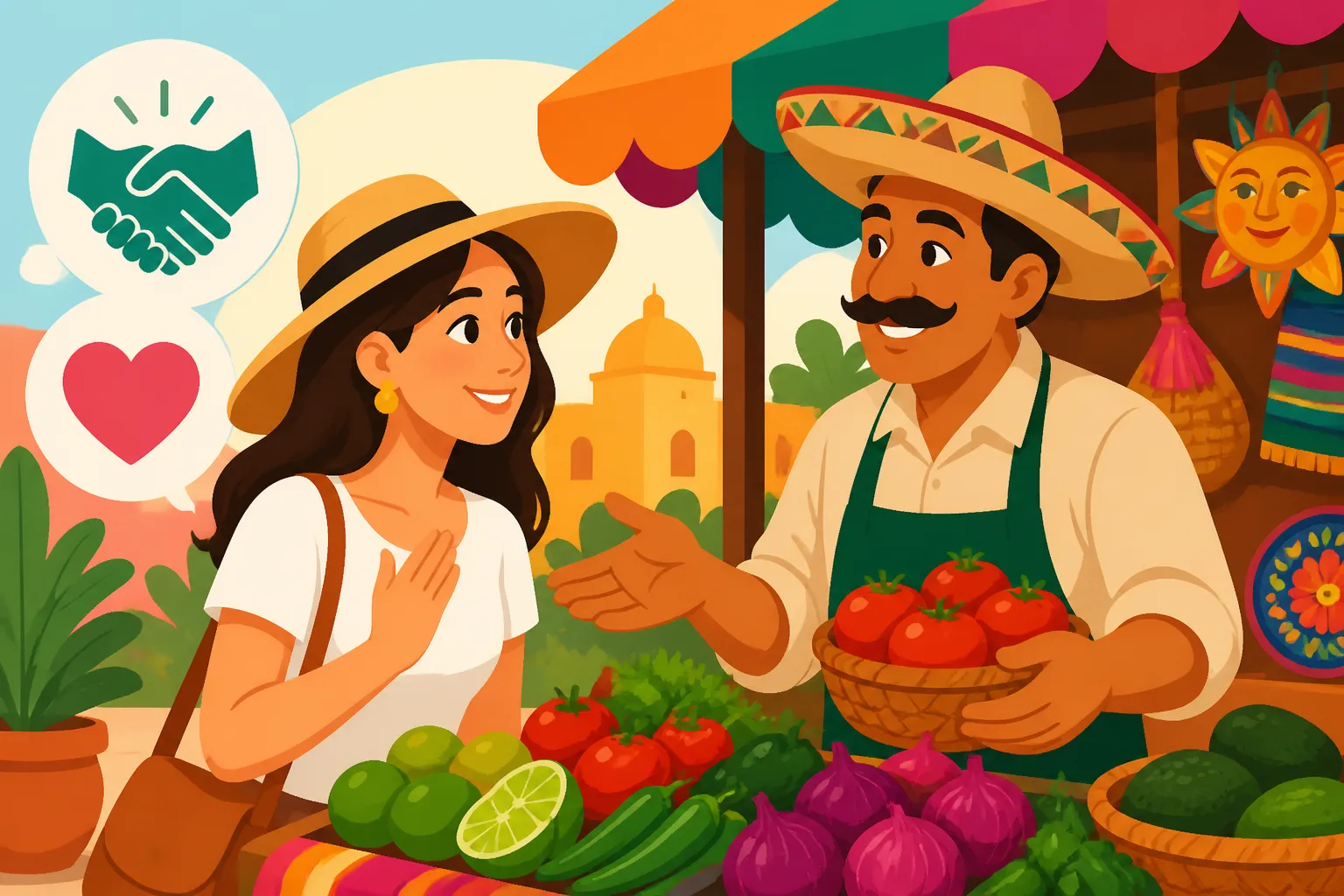
When you first arrive in Mexico, the idea of bargaining might feel completely alien, especially if you come from a culture where prices are always fixed and negotiations are reserved for big purchases like cars or houses. Here, it’s different. Bargaining, or regateo, isn't a confrontational battle; it's often a friendly dance, a social exchange that's deeply woven into the fabric of market culture. It’s about connection, respect, and finding a mutually agreeable price, not about nickel-and-diming a vendor to the point of insult.
When to Bargain and When Not To
This is arguably the most crucial distinction to make. Not every place in Mexico is open to bargaining, and knowing the difference will save you from awkward moments and ensure you maintain good etiquette.
Where Bargaining is Common and Expected:
- Traditional Markets (Mercados and Tianguis): This is the prime territory for regateo. Whether you're in a sprawling artisan market looking at beautiful textiles or a local tianguis eyeing fresh produce, many vendors expect a little back-and-forth, especially for non-food items. If you’re buying souvenirs, pottery, jewelry, or clothing from a small stall, this is your chance to engage. These are often small, independent vendors who price their goods with a bit of a buffer, anticipating a negotiation. Think of places like the Ciudadela Market in Mexico City, or any local weekly tianguis. To dive deeper into these vibrant hubs, check out our guide on Markets (Mercados and Tianguis) in Mexico for Visitors.
- Small, Independent Shops in Tourist Areas: Some smaller boutiques, particularly those selling artisan goods, might be open to a polite negotiation, especially if you’re buying multiple items. They are trying to make a sale and appreciate your business.
Where Bargaining is Generally Not Done:
- Supermarkets and Chain Stores: Forget about it. Walmart, Soriana, Chedraui, OXXO, 7-Eleven – prices are clearly marked, and they are non-negotiable. Don’t even try.
- Restaurants and Cafes: Unless you’re negotiating a large catering order or a special event, restaurant prices are fixed. You wouldn’t haggle over the price of your tacos al pastor, would you? No, you just savor them!
- Formal Boutiques and Established Art Galleries: If a store looks high-end, has price tags, and offers a more curated shopping experience, assume prices are fixed.
- Street Food Stalls: While these are markets of a sort, the prices for a single taco or a quesadilla are usually very low and clearly posted or understood. Attempting to haggle over these small, everyday purchases can come across as cheap and disrespectful. The margins are tiny, and these vendors work incredibly hard.
- Public Transport: Bus fares, metro tickets, colectivo rides (shared vans) – these have fixed rates.
- Official Services: Government services, formal tour operators, medical clinics, etc., operate on fixed pricing.
Remember, the general rule of thumb: if it’s a large, organized business, prices are fixed. If it’s a small, independent vendor, especially in a market setting, there’s usually room for a friendly regateo.
The Cultural Nuances of Regateo
Regateo isn't a battle of wills; it’s more akin to a friendly conversation. Mexicans are known for their warmth and hospitality, and this extends to commercial interactions. When you haggle, you’re not just trying to get a better price; you’re engaging in a cultural exchange.
- It's a Social Interaction: Unlike some cultures where haggling can be aggressive, in Mexico, it's often done with a smile, a bit of playful back-and-forth, and a genuine desire for both parties to feel good about the transaction. The vendor wants to make a sale, and you want to feel you got a fair deal.
- Respect is Key: Always approach the vendor with respect. Start with a polite greeting ("¡Hola! ¿Cómo está?" – "Hello! How are you?"). Show genuine interest in their goods. Ask about the item’s origin or how it was made. This builds rapport and shows you value their craftsmanship, not just the lowest price.
- Don't Be Greedy: The goal isn't to slash the price by 70%. Most vendors build a modest margin into their initial price, often around 10-20%, sometimes a bit more for tourist-heavy areas. Aim for a fair reduction, not a steal. Remember, this is their livelihood.
- The "Dance": It’s a bit like a dance. The vendor gives a price, you offer a bit less, they counter, and you might meet somewhere in the middle. It’s not always about reaching your absolute lowest price, but feeling good about the shared agreement.
Knowing these nuances will make your market experience much more enjoyable and successful. It’s not just about saving a few pesos; it's about connecting with the local culture.
Practical Strategies for Polite Bargaining
Now that you know the 'when' and 'why,' let's get into the 'how.' These practical tips will help you navigate the negotiation process smoothly and politely.
Starting the Conversation and Setting the Tone
The way you initiate the bargaining process can make all the difference. Remember, kindness and respect go a long way.
- Start with a Friendly Greeting: Always, always, always start with a polite greeting. "¡Hola!" or "¡Buenos días/tardes!" followed by a "¿Cómo está?" (How are you?) will set a positive tone. This shows you’re a polite customer, not just a walking wallet.
- Express Interest: Pick up the item you like, examine it, and express genuine admiration. "¡Qué bonito!" (How beautiful!) or "Me encanta este…" (I love this…).
- Ask for the Price: The direct way is "¿Cuánto cuesta?" (How much does it cost?). A slightly softer approach, especially for crafts, is "¿Qué precio tiene?" (What price does it have?). Don't jump straight to bargaining the moment they tell you the price. Listen, nod, and take a moment.
- Initiate the Regateo (if appropriate): Once they state the price, you can respond.
- For a small discount: You might say, "¿Es su mejor precio?" (Is that your best price?), or "¿Hay un descuento?" (Is there a discount?).
- To suggest a lower price politely: You could try, "¿Me lo dejas en [your desired price]?" (Will you leave it for me at [your desired price]?), or "¿Qué tal [your desired price]?" (How about [your desired price]?).
- Expressing it’s a bit high: "Está un poco caro para mí." (It's a little expensive for me.)
- "For me, it's expensive": A classic, softer way to hint at a lower price is "Para mí, es caro."
- Always use polite words: "Por favor" (please) and "gracias" (thank you) are essential. Even if you're asking for a lower price, maintain a pleasant demeanor.
Example Scenario:
You see a beautiful hand-woven basket.
You: "¡Buenos días! ¡Qué canasta tan hermosa!" (Good morning! What a beautiful basket!)
Vendor: "¡Gracias! Es de Chiapas." (Thank you! It’s from Chiapas.)
You: "Me encanta. ¿Cuánto cuesta?" (I love it. How much does it cost?)
Vendor: "Cuesta 500 pesos." (It costs 500 pesos.)
You (smiling): "Ah, 500. Es muy bonita. ¿Me la dejas en 400 pesos, por favor?" (Ah, 500. It's very pretty. Will you leave it for me at 400 pesos, please?)
This approach is gentle, respectful, and initiates the conversation in a non-confrontational way. For more useful phrases, check out our guide on Survival Spanish for Travelers in Mexico: Key Phrases and Learning Spanish in Mexico: Top Tips and Resources for Expats.
Knowing Your Price and Walking Away Gracefully
Successful bargaining isn't just about speaking Spanish; it's about being prepared and knowing your limits.
- Do Your Research (if possible): If you have time, scout other stalls or nearby markets to get a sense of the average price for similar items. This gives you a baseline for what’s fair. Our guide on What Are the Best Things to Buy in Mexico? might help you understand typical prices for various crafts.
- Know Your Limit: Before you start, decide what you're willing to pay. This helps you stay firm but polite without getting carried away. Don't offer a price you aren't prepared to pay.
- The "Walk Away" Tactic (Use with Caution): Sometimes, if a vendor isn't budging, a polite "No, gracias" (No, thank you) and beginning to walk away can prompt a lower offer. However, use this sparingly and genuinely. Don't do it if you're not actually prepared to walk away, and don't expect it to work every time. If they let you walk, then that was genuinely their best price, or they simply weren't interested in your offer. Accept it gracefully.
- Accepting a No: If a vendor politely declines your offer and stands firm, respect their decision. Acknowledge it with a "Entiendo, gracias" (I understand, thank you) or "Bueno, está bien" (Okay, that's fine) and either pay their price or move on to another stall. Don't press the issue or act offended. The goal is a friendly exchange, not a forced one.
The Power of Buying Multiple Items
This is often your best leverage for a discount in a Mexican market. Vendors are usually more willing to offer a deal if you're buying several things from them.
- "Mayoreo" (Wholesale) Mentality: Even if you're just buying two or three items, it's perceived as a larger purchase than just one. If you pick up a basket and a couple of small trinkets, you can then ask: "Si llevo esto y esto, ¿cuánto me lo dejas?" (If I take this and this, how much will you leave it for me?).
- Bundle for a Better Deal: Consolidate your purchases. If you like three different scarves from the same vendor, ask for a combined price. "Me gustan estas tres bufandas. ¿Hay un mejor precio por las tres?" (I like these three scarves. Is there a better price for all three?).
- Hypothetical Scenario:
You: "Me encanta esta manta, son 600 pesos. Y también estas dos figuritas, cada una a 150. ¿Cuánto por todo?" (I love this blanket, it's 600 pesos. And also these two figurines, 150 each. How much for everything?)
Vendor: (Calculates) "Todo sería 900 pesos." (Everything would be 900 pesos.)
You: "Hmm, ¿qué tal 800 pesos por los tres?" (Hmm, how about 800 pesos for the three?)
Vendor: "Ocho cincuenta y te lo llevas." (850 and you take it.)
You: "¡Perfecto! Gracias." (Perfect! Thank you.)
This strategy not only saves you money but also makes the vendor happy because they've made a larger sale.
What to Expect and Common Pitfalls to Avoid
Navigating a busy market, especially as a foreigner, can be a lot. Being prepared for common situations and knowing what not to do will ensure a smoother, more enjoyable experience.
Language Barriers and Body Language
Even if your Spanish is limited, a few key phrases and a positive attitude go a long way.
- Learn Basic Phrases: As mentioned, greetings, "how much," "please," and "thank you" are your best friends. Even a few numbers in Spanish will help tremendously. Our comprehensive guide on How to Learn Enough Spanish for a Two-Week Trip to Mexico can get you started.
- Use a Translation App (Respectfully): If you're really stuck, a translation app can be helpful, but try to use it minimally and politely. Don't hide behind your phone. Look the vendor in the eye, show your phone, and then put it away to continue the personal interaction.
- Body Language Speaks Volumes: A warm smile, open gestures, and patient demeanor convey respect and friendliness. Avoid crossed arms, frowns, or an aggressive posture. Pointing is generally acceptable when indicating items.
- Patience is a Virtue: Mexican transactions often move at a slower pace than you might be used to. Don’t rush the vendor or seem impatient. Enjoy the process.
Avoiding Offense and Maintaining Respect
The last thing you want to do is offend a local vendor. Remember these guidelines to ensure a positive interaction.
- Never Insult the Goods or the Vendor: Even if you think the price is outrageous, do not say, "That's crazy!" or "Your prices are too high!" A simple, polite "Es un poco caro para mí" is sufficient. Their craft is often a source of pride and tradition.
- Don't Be a "Low-baller": Offering an absurdly low price (e.g., half or a quarter of the asking price) is considered rude and disrespectful. It implies you don't value their time, effort, or skill. Start with a reasonable counter-offer, usually no more than 20-30% below their initial price, and then negotiate from there.
- Avoid Comparison Shopping in Front of the Vendor: Don't tell a vendor, "The guy next door sells it for less!" It's poor form. If you want to compare, do it discreetly.
- If You Agree on a Price, Buy It: It's considered very rude to agree on a price and then back out. Once you've shaken hands or verbally agreed, the deal is done.
- Cash is King: Many market vendors prefer cash (efectivo), especially smaller stalls. This avoids transaction fees for them and often makes them more amenable to a discount. Always have plenty of small peso denominations ready. Check out Cash vs Card in Mexico: What Visitors Should Know for more tips on money. Also, remember that Tipping in Mexico (Propina): When and How Much is a separate consideration from the price of the goods.
Dealing with Tourist Prices vs. Local Prices
It’s a common reality: as a foreigner, especially in popular tourist destinations, you might initially be quoted a higher price than a local would receive. This isn’t necessarily malicious; it’s simply part of the economic dynamic.
- Acknowledge the Reality: Don’t let it frustrate you. It happens everywhere. Your goal isn’t necessarily to pay the exact same price as a local, but to pay a fair price that feels good to you and respects the vendor.
- Focus on Fair Value: Instead of obsessing over whether a local would pay less, focus on whether the price, after a bit of friendly negotiation, is fair to you for the item’s quality, craftsmanship, and the enjoyment it brings. If that hand-carved mask is beautiful and you get it for a price you're happy with, it's a win.
- Practice Makes Perfect: The more you visit markets and engage in polite regateo, the better you’ll become at sensing what a fair price is and how to negotiate effectively. You’ll develop an eye for quality and a feel for the local pricing.
- Be a Regular (if possible): If you live in Mexico, becoming a regular at a particular stall or market can build relationships that lead to better prices over time, without even needing to ask. They'll know you're a serious, repeat customer.
By understanding these dynamics, you can navigate Mexican markets with confidence and enjoy the cultural richness they offer, securing beautiful items at prices that feel right.
Useful Spanish Phrases for Bargaining
Here's a quick reference table for some essential phrases you can use in the market.
| English Phrase | Spanish Phrase | Pronunciation (approx.) | Notes |
|---|---|---|---|
| Hello / Good day / Good afternoon | ¡Hola! / ¡Buenos días! / ¡Buenas tardes! | OH-lah / BWEH-nos DEE-ahs / BWEH-nas TAR-des | Always start with a greeting. |
| How much does it cost? | ¿Cuánto cuesta? / ¿Qué precio tiene? | KWAN-toh KWEH-stah? / Keh PREH-see-oh TYEH-neh? | Standard way to ask for the price. |
| It's beautiful! / I like this. | ¡Qué bonito! / Me gusta esto. | Keh boh-NEE-toh! / Meh GOO-stah ES-toh. | Show genuine interest. |
| Is that your best price? | ¿Es su mejor precio? | Es soo meh-HOR PREH-see-oh? | Polite way to ask for a discount. |
| Is there a discount? | ¿Hay un descuento? | Eye oon des-KWEN-toh? | Another polite way to ask. |
| It's a little expensive for me. | Está un poco caro para mí. | Es-TAH oon POH-koh KAH-roh PAH-rah MEE. | Soft way to suggest a lower price. |
| Will you leave it for me at price, please? | ¿Me lo dejas en price, por favor? | Meh loh DEH-has en price, por fah-VOR? | Common phrase to offer a price. |
| How about price? | ¿Qué tal price? | Keh TAL price? | More casual way to offer. |
| If I buy X items, is there a better price? | Si llevo X cosas, ¿hay un mejor precio? | See yeh-VOH X KOH-sas, eye oon meh-HOR PREH-see-oh? | Good for buying multiple items. |
| Thank you. | Gracias. | GRAH-see-ahs. | Always thank them, even if you don't buy. |
| No, thank you. | No, gracias. | Noh, GRAH-see-ahs. | Polite way to decline. |
| I understand. | Entiendo. | En-TYEN-doh. | Show respect if they can't meet your price. |
| Okay, that's fine. | Bueno, está bien. | BWEH-noh, es-TAH BYEN. | If you accept their price or move on. |
| I only have amount pesos. | Solo tengo cantidad pesos. | SOH-loh TEN-goh kahn-tee-DAHD PEH-sohs. | If you're short on cash and want to offer what you have. |
Mastering these phrases, coupled with a genuine smile and respectful attitude, will transform your market experiences from daunting to delightful. Embrace the cultural exchange, enjoy the process, and you’ll find yourself with not only beautiful souvenirs but also memorable interactions with the wonderful people of Mexico.
Disclaimer
The information provided in this guide is for general informational purposes only and does not constitute legal, financial, or professional advice. While we strive to provide accurate and up-to-date information, local regulations, customs, and prices can change. Always exercise due diligence, research current conditions, and consult with appropriate local experts if necessary. Neither the author nor the publisher assumes any liability for the information contained herein.