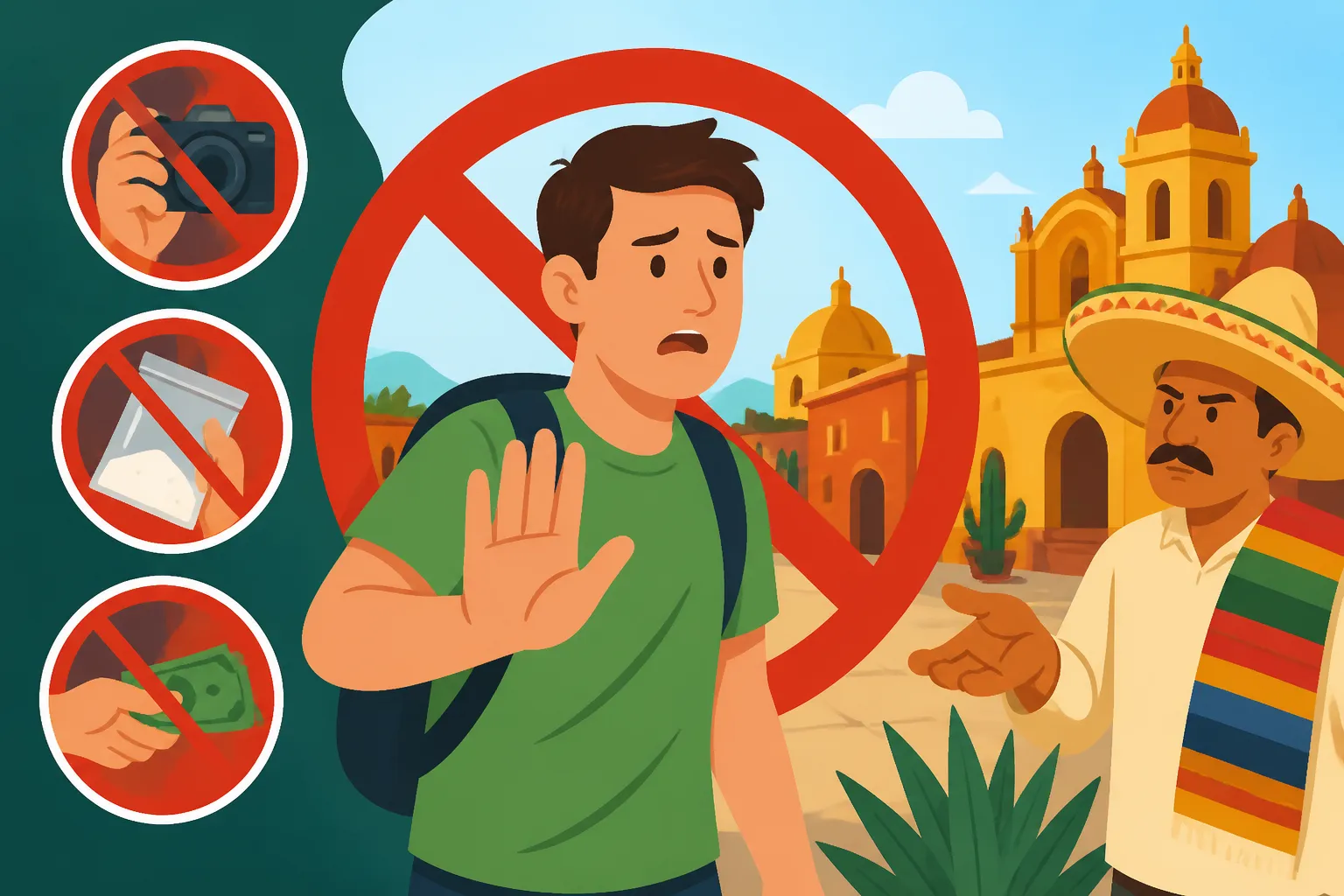
What Should You Not Do in Mexico as a Visitor?
So, you’re coming to Mexico! That’s fantastic. But before you dive headfirst into the tacos and sunshine, let’s have a frank chat, friend. Many visitors, with the best intentions, stumble into awkward situations or even serious trouble because they don't quite grasp the local nuances. This isn't about fear-mongering; it's about making sure your trip is incredible, respectful, and free of unnecessary headaches. This guide will walk you through common missteps, so you can enjoy Mexico to the fullest.
Disclosure: This post may contain affiliate links. We may earn a commission at no extra cost to you if you make a purchase through these links. Read full disclosure.
Disregarding Local Customs and Etiquette
As an expat who’s spent years navigating the beautiful intricacies of Mexican culture, I can tell you that a little effort goes a long way. Mexicans are incredibly warm and forgiving, but showing you’ve tried to understand their way of life will open so many more doors for genuine connection.
Ignoring the Language Barrier and Assuming English is Universal
One of the biggest blunders I see visitors make is simply assuming everyone will speak English, especially outside of major tourist hubs or resorts. While many people in the tourism industry do speak English, expecting it everywhere can be frustrating for both you and the locals you encounter. You’ll be surprised how quickly doors close when you don’t even attempt a few words of Spanish.
Don't arrive without a few basic phrases in your back pocket. Knowing how to say "hello" (hola), "please" (por favor), "thank you" (gracias), "excuse me" (con permiso or disculpe), and "I don't understand" (no entiendo) will make a world of difference. It shows respect and a willingness to engage. Even if your pronunciation is terrible, the effort is deeply appreciated. Imagine being in a foreign country and everyone expects you to speak their language without trying to learn yours – it’s just not very polite. Many locals might even try to practice their English with you if you start with Spanish, creating a lovely exchange. Having a translation app on your phone is a lifesaver, but don't hide behind it completely. For more on this, check out our guide on Survival Spanish for Travelers in Mexico: Key Phrases.
Overlooking Politeness and Social Norms
Mexican culture places a high value on politeness, respect, and indirect communication. Unlike some Western cultures where directness is seen as efficient, it can often come across as rude or aggressive here. Always greet people when entering a shop, restaurant, or even just passing someone on the street (a simple "¡Hola!" or "¡Buenos días!" works wonders). Before asking a question, a polite greeting and "con permiso" (excuse me) or "disculpe" (pardon me) goes a long way.
Personal space also varies. While close, friendly interactions are common, avoid overly boisterous behavior, especially in public spaces or residential areas. Public displays of affection are generally more reserved than in some other countries, particularly outside of big, cosmopolitan cities. In smaller towns, you might notice couples holding hands or a quick peck, but anything more can draw unwanted attention. Remember, you're a guest in their country, and observing how locals interact can give you valuable clues.
Misunderstanding Tipping Culture
Ah, la propina! Tipping is a crucial part of the service industry in Mexico, and misunderstanding it can lead to awkward moments or even unintentionally short-changing hard-working people. It’s not just for fancy restaurants; it extends to many services you might not think of back home.
Who to Tip and How Much:
- Restaurants: Generally, 10-15% is standard for good service. If the service is exceptional, 20% is very generous and appreciated. Check your bill carefully – sometimes a "propina sugerida" (suggested tip) is included, but it's rare. Never assume it's automatically added.
- Bags at Supermarkets: Small change (5-10 pesos per bagger) is customary. These individuals often rely heavily on tips.
- Gas Station Attendants: About 5-10 pesos is standard for them filling your tank and often cleaning your windshield.
- Hotel Housekeeping: Around 20-50 pesos per night, left daily.
- Tour Guides: 10-20% of the tour cost, depending on the length and quality.
- Hairdressers/Spa Services: Similar to restaurants, 10-15%.
Always try to tip in pesos. While some places might accept dollars, it's a hassle for the recipient to exchange, and they often get a poor rate. So, always have small bills (20, 50, 100 peso notes) handy. For a more comprehensive breakdown, consult our guide on Tipping in Mexico (Propina): When and How Much. Not tipping or tipping too little is seen as disrespectful, so make sure you factor this into your budget.
Making Risky Choices for Your Safety and Health
Mexico is, for the most part, a safe and welcoming country. However, like any travel destination, common sense and awareness are your best allies. Don’t let your guard down just because you're on vacation.
Being Careless with Belongings and Personal Safety
It’s easy to get swept up in the excitement, but flashing expensive jewelry, cameras, or wads of cash makes you a target. Don't carry all your valuables in one bag, and consider leaving anything irreplaceable at home. Use hotel safes for passports, extra cash, and important documents. When out and about, keep your phone secure and not casually sticking out of a back pocket. If you need to check directions, step into a doorway or a well-lit area rather than fumbling with your phone on a busy street corner.
Avoid walking alone at night, especially in dimly lit or unfamiliar areas. Use reputable transportation like authorized airport taxis, ride-sharing apps (Uber, Didi, Cabify), or pre-booked transfers. Negotiate taxi fares before getting in if there's no meter, or confirm the price with your hotel concierge or a local friend. Never accept rides from unofficial taxis or strangers who approach you. For a deeper dive into protecting yourself, our article on Staying Safe in Mexico: Practical Tips for Travelers offers valuable insights. When booking excursions, use trusted platforms like Viator or ask your hotel for recommendations to ensure legitimate and safe operators.
Ignoring Food and Water Safety Precautions
Ah, Montezuma's Revenge. It’s a real thing, and it can absolutely derail your trip. Don’t be cavalier about what you eat and drink.
- Water: Never drink tap water in Mexico. This is non-negotiable. Always opt for bottled water, or water from large garrafones (five-gallon jugs) in restaurants and hotels. If you buy drinks with ice, ensure it’s made from purified water (most reputable places use purified ice).
- Street Food: This is where many people get into trouble, but it’s also where you’ll find some of the most delicious food! The key is to be selective. Look for stalls with a high turnover of customers (meaning the food is fresh), where the food is cooked to order, and where the vendors handle money and food separately or use gloves. Avoid anything that looks like it's been sitting out for too long. If you're really unsure, stick to places with visible kitchens. For a full guide on this, check out Is Street Food Safe to Eat in Mexico? and explore What Are the Must-Try Foods in Mexico?.
- Fresh Produce: If you’re buying fresh fruits and vegetables from markets, be sure to wash them thoroughly with purified water and a few drops of a commercial disinfectant solution (like Microdyn), which is readily available at any supermarket.
Disregarding Sun and Heat Protection
Mexico is a sunny country, and that’s part of its charm! But the sun here, especially in coastal areas and at high altitudes, is no joke. Don’t underestimate its power.
- Sunscreen: Apply high SPF sunscreen liberally and frequently, even on cloudy days. Get a reef-safe variety if you plan on swimming in cenotes or the ocean.
- Hats and Sunglasses: Wear a wide-brimmed hat and good quality sunglasses to protect your face and eyes.
- Hydration: Drink plenty of bottled water throughout the day. Dehydration can creep up on you quickly, leading to fatigue, headaches, and worse.
- Seek Shade: Especially between 11 AM and 3 PM when the sun is strongest, seek shade. Plan indoor activities or relax under an umbrella.
- Altitude Sickness: If you’re heading to cities like Mexico City or San Miguel de Allende, which are at high altitudes, take it easy for the first day or two. Hydrate, avoid excessive alcohol, and don't exert yourself too much. Our article on Heat Stroke and Sunburn: Preventative Care in Mexico’s Hot Climate has more essential advice.
For overall peace of mind regarding health, especially if a misstep leads to a medical issue, having robust Travel Insurance for Trips to Mexico is always a smart move.
Breaking the Rules and Local Laws
Mexico has its own legal system, and assuming it operates like your home country could land you in serious hot water. Ignorance of the law is not an excuse.
Getting Involved with Drugs
This should be a no-brainer, but it bears repeating: do not buy, sell, or consume illegal drugs in Mexico. Drug laws are extremely strict, and penalties are severe. Even possession of small amounts can lead to lengthy jail sentences in notoriously tough Mexican prisons. This applies to marijuana as well, despite evolving attitudes in some parts of the world. Mexico is cracking down on drug-related crime, and as a foreigner, you will likely face harsher treatment and fewer protections than a local. Don’t risk it. It’s simply not worth compromising your freedom or safety.
Attempting to Bribe Officials
The infamous mordida (bribe) is a real cultural challenge that many expats and visitors encounter. While it might be tempting to offer a small amount to get out of a perceived minor infraction (like a questionable traffic stop), do not offer a bribe. Offering a bribe is illegal, contributes to corruption, and can escalate the situation from a minor inconvenience to a serious legal problem.
If you are stopped by a police officer and believe you are being unfairly targeted, remain calm, be polite, and request to see the officer's identification. Ask for a written ticket (a multa) if an offense has truly occurred. If they insist on immediate payment or suggest a "faster" way to resolve it, firmly but politely state that you prefer to go to the police station (comandancia) to pay the fine. Often, this will make the issue disappear. Always carry a copy of your passport and visa/residency card, but not the originals, to avoid them being confiscated. We have a detailed guide on Dealing with Corruption: Should Expats Pay “Mordida” (Bribes)? that is highly recommended reading.
Disrespecting Cultural and Historical Sites
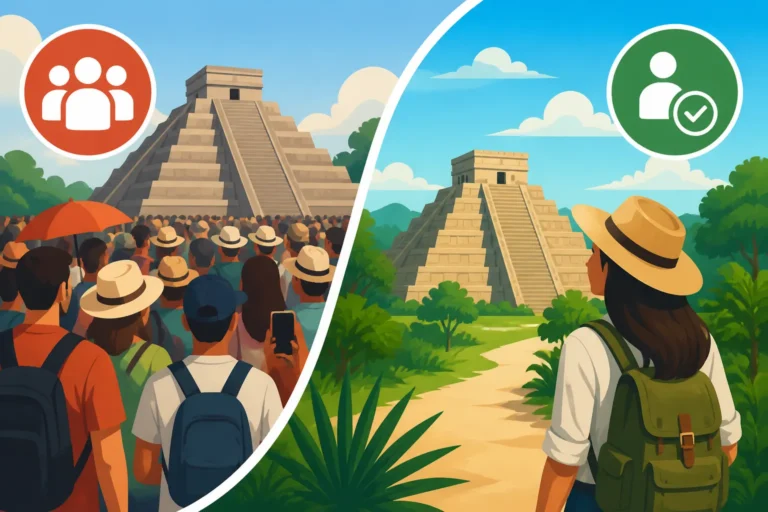
Mexico is rich in history, from ancient Mayan pyramids to colonial churches. These sites are not just tourist attractions; they are sacred places for many, and important parts of Mexico's heritage.
- Pyramids and Archaeological Zones: Follow all posted rules. Do not climb on structures where it's forbidden. Don't remove any stones or artifacts. These rules are in place for both your safety and the preservation of irreplaceable history.
- Churches and Religious Sites: Dress modestly when visiting churches (shoulders and knees covered). Remove hats upon entering. Be quiet and respectful, especially if a service is underway. Do not take photos if prohibited.
- Cenotes and Natural Areas: Many cenotes are considered sacred by local Maya communities. Always shower before entering to remove sunscreen, bug spray, and oils that can contaminate the water. Don’t litter and adhere to any local guidelines. Treat these natural wonders with the reverence they deserve.
Overlooking Financial Practicalities and Scams
Money matters are often where visitors lose out, either through misunderstanding local practices or falling prey to common scams. Being savvy with your pesos can save you a lot of grief.
Relying Solely on Credit Cards or ATMs
While credit cards are widely accepted in major cities, supermarkets, and larger establishments, don't assume you can use them everywhere. Many smaller businesses, street vendors, local markets, and even some mid-range restaurants operate on a cash-only basis.
- Cash is King: Always carry a decent amount of cash (in pesos!) for daily expenses, tips, and purchases at markets. Don't carry all of it in one place, though.
- ATMs: Be cautious when using ATMs. Stick to ATMs inside major bank branches (like BBVA, Banorte, Santander) or within secure, well-lit areas like supermarkets or shopping malls. Avoid standalone ATMs on the street, especially at night. Always cover the keypad when entering your PIN. Be aware of skimmers – if a card slot or keypad looks unusual or loose, avoid it. Expect foreign transaction fees from your bank and potentially a usage fee from the Mexican bank. Our guide on Cash vs Card in Mexico: What Visitors Should Know has more tips.
| Don't Do This | Do This Instead | Why? |
|---|---|---|
| Assume everyone speaks English | Learn basic Spanish phrases, use a translation app | Shows respect, unlocks better experiences, avoids frustration |
| Drink tap water | Always drink bottled or purified water, ensure ice is purified | Avoids traveler's diarrhea (Montezuma's Revenge) |
| Flash expensive items in public | Keep valuables discreet, use hotel safe, don't carry all cash in one place | Reduces risk of petty theft and pickpocketing |
| Get into unofficial taxis or rides | Use authorized airport taxis, ride-sharing apps (Uber, Didi), or pre-booked transfers | Safety and fair pricing |
| Offer bribes to officials | Remain polite, request a written ticket, ask to pay at the police station | Illegal, escalates problems, contributes to corruption |
| Disrespect historical or sacred sites | Follow rules, dress modestly in churches, shower before entering cenotes | Shows respect for culture and heritage, preserves sites |
| Rely only on credit cards | Carry cash (pesos) for smaller businesses, markets, tips | Many places are cash-only, avoids ATM fees for small transactions |
| Buy or consume illegal drugs | Avoid all illicit substances | Strict laws, severe penalties, unsafe prisons |
| Haggle aggressively outside of markets | Bargain politely at tianguis (street markets) and craft stalls only | Seen as rude in shops and restaurants; haggling is a specific cultural norm, not universal |
Falling for Tourist Traps and Scams
Scams exist everywhere, and Mexico is no exception. While most interactions will be genuine, be aware of common tactics:
- Taxi Overcharging: As mentioned, agree on a price before getting in, or ensure the meter is running (if applicable).
- "Free" Gifts/Bracelets: Someone approaches you, starts a friendly chat, puts a "free" bracelet on your wrist, and then demands payment. Politely but firmly decline.
- Fake Tour Operators: Only book tours through reputable companies (your hotel, official tour desks, or well-known online platforms like Booking.com or Viator). Be wary of unsolicited offers on the street.
- Currency Exchange on the Street: Only exchange money at official casas de cambio (exchange houses) or banks, never with individuals on the street who promise better rates.
- ATM Skimmers: We already touched on this, but it’s worth reiterating. Always give the machine a quick check before inserting your card.
Staying informed about these pitfalls, as detailed in our guide Avoiding Common Scams in Mexico, will equip you to spot them before they become an issue.
Not Bargaining Appropriately
Bargaining, or regateo, is a fine art in Mexico, and it’s not for every situation. Don't make the mistake of trying to haggle in supermarkets, department stores, or established restaurants. It’s considered rude and inappropriate.
However, at street markets (tianguis), artisan stalls, and souvenir shops, bargaining can be expected and is often part of the cultural experience. The key is to do it respectfully and with good humor.
- Start a little lower than what you’re willing to pay, but don’t go insultingly low.
- Be friendly and keep it light. "Is that your best price?" (¿Es tu mejor precio?) or "Could you do a little better?" (¿Podrías hacerme un pequeño descuento?)
- Be prepared to walk away if you can’t agree on a price. Sometimes the vendor will call you back with a better offer.
- Don't overdo it for small items. Bargaining over 10 pesos is generally not worth the effort. Focus on larger purchases.
It’s about a friendly negotiation, not a cut-throat battle. And remember, the goal isn't always to get the absolute lowest price, but to engage in a cultural exchange. You can learn more about this in our article Haggling in Mexico: How to Bargain at Markets Like a Local. Exploring the vibrant Mexican Markets and Food Halls for Visitors is one of the best ways to experience this firsthand.
Disclaimer
The information provided in this guide is for general informational purposes only and does not constitute legal, financial, or medical advice. While we strive to keep the information up-to-date and correct, rules, regulations, and conditions in Mexico can change rapidly. Always consult with relevant local authorities, legal professionals, or medical experts for specific advice tailored to your situation. Your safety and well-being are your responsibility.