What Are Las Posadas and When Do They Happen?
If you have spent even a single December in Mexico, you have likely been startled by the sudden eruption of neighborhood singing, flickering candles, and the explosive sound of clay smashing against pavement. Without knowing the cultural context, these nightly gatherings can feel like an exclusive, confusing ritual. This guide demystifies Las Posadas, ensuring you understand the history, the timing, and how to participate respectfully.
Disclosure: This post may contain affiliate links. We may earn a commission at no extra cost to you if you make a purchase through these links. Read full disclosure.
Understanding the Heart of Las Posadas
To understand Las Posadas, you have to look past the party and into the history of colonial Mexico. The word "posada" literally translates to "inn" or "shelter." At its core, this tradition is a communal re-enactment of Mary and Joseph’s search for a place to stay in Bethlehem. For many expats, the first time they witness a neighborhood procession, it feels intensely private, but the reality is that these events are the backbone of Mexican community life.
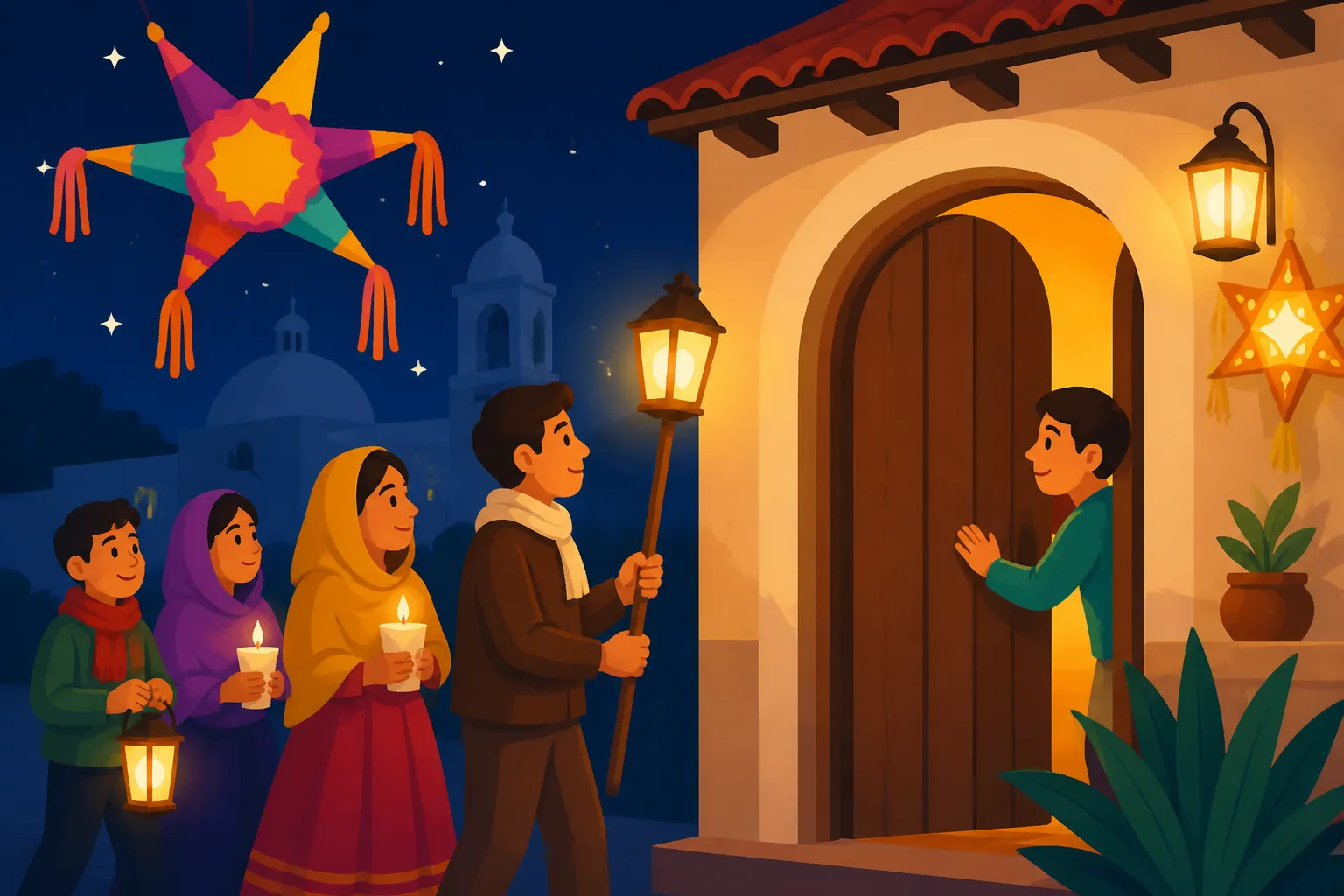
The tradition was originally brought over by Spanish friars who used it as a way to replace the Aztec winter celebrations of Huitzilopochtli with Christian narratives. Over centuries, it transformed from a solemn church event into a vibrant street festival. When you see a group of people walking through the streets with candles, they are acting as the "peregrinos" or pilgrims. They stop at designated houses and sing a traditional back-and-forth song (the Litany), where those outside ask for shelter and those inside refuse until the final verse, when the doors swing open and the celebration begins.
If you are planning to witness these traditions in a historic center like Oaxaca or San Miguel de Allende, using Booking.com to find a centrally located boutique hotel is essential, as the best processions happen in the narrow cobblestone streets where cars cannot easily pass. Many tourists find that booking a guided cultural walk through Viator is the best way to understand the lyrical nuances of the songs being sung, as the Spanish used in the litany is quite old-fashioned and poetic.
When and Where Las Posadas Take Place
Timing is everything in Mexico, and Las Posadas follow a very strict calendar. They occur over nine consecutive nights, beginning on December 16th and concluding on December 24th (Nochebuena). Each of the nine nights is said to represent one month of Mary’s pregnancy, though in a more practical sense, it creates a crescendo of holiday spirit leading up to the birth of Jesus.
For many foreigners, the suddenness of the start date can be jarring. One day it is a normal December afternoon, and the next, the entire country is engulfed in the smell of woodsmoke and cinnamon. Because these events happen in residential neighborhoods, it can be hard to find a "schedule" online. Public versions are often held in the town "Zocalo" or main square, and you can check local community boards or Facebook groups. If you are staying in a different city and want to travel to a colonial town for the peak of the festivities, checking routes on Busbud early in the month is wise, as buses during the "Guadalupe-Reyes" marathon are notoriously packed with locals heading home to see their families.
| Night | Date | Significance | Typical Vibe |
|---|---|---|---|
| Night 1 | December 16 | The Kickoff | High energy, neighborhood pride, first piñata. |
| Nights 2-8 | Dec 17 – 23 | Community Building | Rotating through different houses or blocks. |
| Night 9 | December 24 | Nochebuena | Most formal, leading directly into late-night dinner. |
Understanding the Christmas and Las Posadas in Mexico timeline is crucial because the festivities do not just end at the door. Once the "pilgrims" are let inside, the evening turns into a feast. If you are invited, do not expect a quick 30-minute event. These are marathon social sessions that often last well into the night. It is a time for neighbors to settle grievances from the year and for families to reconnect.
The Essential Elements of a True Posada
If you are lucky enough to be invited into a home for a posada, there are several things you will see that are non-negotiable. First is the "Ponche Navideño." This is a hot, spiced fruit punch made with sugar cane stalks, tejocotes (a small Mexican hawthorn fruit), guava, hibiscus, and cinnamon. It is often served with a "piquete," which is a healthy splash of tequila or rum. For more on the culinary specifics, you should read about Mexican Food Culture: Eating and Drinking as a Visitor to understand why these seasonal ingredients are so revered.
Then comes the piñata. In a traditional religious posada, the piñata is not just a colorful star; it is a symbol. It must have seven peaks, representing the seven deadly sins. The person hitting the piñata is blindfolded to represent blind faith, and the stick represents the virtue used to overcome evil. When the piñata breaks and the fruit and candy (the "colación") fall out, it symbolizes the rewards of keeping that faith. It is a chaotic, joyous moment that involves everyone from toddlers to great-grandmothers.
You will also likely be handed an "Aguinaldo." This is a small mesh bag or decorated box filled with seasonal candies, peanuts in the shell, and perhaps a few pieces of fruit. It is a token of appreciation for attending. As a visitor, you should familiarize yourself with Mexican Customs, Etiquette, and Social Life so you know how to accept these gifts and participate in the singing without feeling like an intruder. Even if you don't know the words, holding a candle and humming along to the melody is usually seen as a sign of respect and interest in the culture.
How to Respectfully Participate as an Expat
As an expat, you might feel a bit like an outsider looking in. The key to moving from "observer" to "participant" is your local network. If your neighbor invites you, go! Even if your Spanish is limited, your presence is valued. It is common to wonder if you should bring something. While the host usually provides the food and drink, bringing a small bag of high-quality "pan dulce" or a bottle of wine is always appreciated. To ensure you handle the social nuances correctly, check out our guide on Tipping in Mexico (Propina): When and How Much to understand when a gift is more appropriate than a tip, especially when dealing with residential staff who might be organizing neighborhood events.
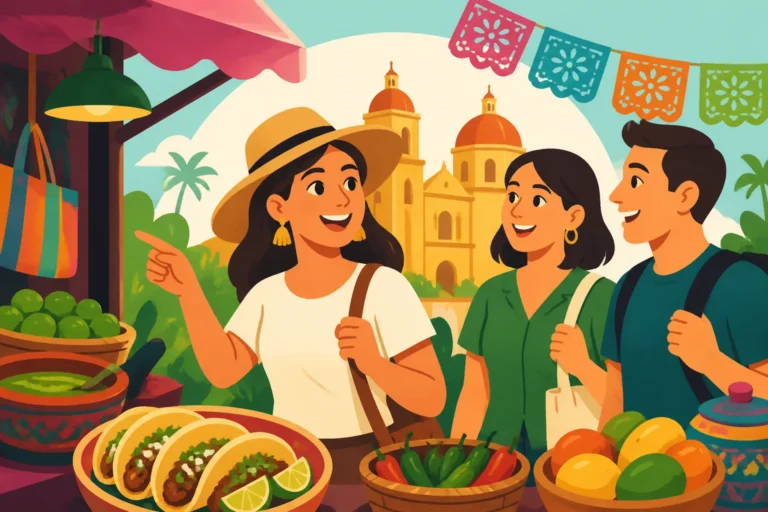
If you aren't yet on "invite terms" with your neighbors, look for public posadas. Many hotels and cultural centers listed on Booking.com host "demonstration" posadas for guests. These are great because they explain the steps in English and Spanish. Furthermore, if you want a deeper dive, Viator often lists "Experience" packages where local families host small groups of travelers specifically to teach them the songs and the recipes for the tamales served afterward.
For those living in larger cities like Mexico City or Guadalajara, the experience can vary by "colonia." In trendy areas, posadas might feel more like modern cocktail parties, while in traditional neighborhoods (barrios), they remain deeply rooted in the litany and the religious procession. If you are traveling between these zones, using Busbud to navigate the regional bus systems can help you reach the smaller, more traditional towns where the nine nights are still observed with 100% historical accuracy. For more tips on navigating these areas, see our advice on Festivals, Holidays, and Traditions in Mexico.
Common Misconceptions and Cultural Tips
A common mistake tourists make is assuming that a "Posada" is just any holiday party. In December, many offices host what they call a "Posada," which is really just a year-end corporate dinner. However, a true neighborhood Posada involves the "Pedir Posada" song. If the song isn't there, it’s just a "fiesta."
Another point of confusion is the role of the "Padrinos" (godparents). In many Posadas, a specific family is chosen to be the godparents of the "Niño Dios" (Baby Jesus) figure from the nativity scene. They are responsible for dressing the figure and carrying it in the procession. It is a high honor. Seeing the care they take can be moving, even for non-religious expats. If you find yourself in a crowd during one of these processions, it is polite to stop walking, remove your hat if you are wearing one, and let the pilgrims pass. This small gesture of respect goes a long way in building rapport with your Mexican neighbors.
If you are worried about the language barrier, don't be. The songs are repetitive, and most locals will be more than happy to share their songbook (usually a small photocopied flyer) with you. Learning a few phrases from Spanish Language and Everyday Communication for Visitors will help you navigate the "Comida" portion of the evening, where the real bonding happens over plates of steaming tamales and glasses of hot ponche.
Logistics for Seeing the Best Posadas in Mexico
If your goal is to see the most authentic versions of these celebrations, you need to head to the "Pueblos Mágicos" or colonial heartlands. Cities like Queretaro, Puebla, and the outskirts of Mexico City (like Tepotzotlán) are famous for their elaborate nightly processions. Because these dates coincide with the peak travel season, your logistical planning should start in October or November.
- Transport: Use Busbud to book your "Primera Clase" bus tickets. Avoid traveling on the evening of the 24th, as many drivers head home and schedules become limited.
- Accommodation: Use Booking.com to find "Hacienda" style hotels. These often have central courtyards where they host their own private Posadas for guests, allowing you to experience the ritual in a safe, controlled environment first.
- Tours: If you are in a city like Oaxaca, use Viator to find a "Food and Tradition" tour specifically focused on December. The "tianguis" (open-air markets) during this time are filled with unique items you won't see any other time of year.
Lastly, be prepared for the noise. December in Mexico is the season of the "cohete" (firecracker). These are used to announce the start of a Posada.
Summary Table of Posada Traditions
| Element | Description | Why it Matters |
|---|---|---|
| The Litany | A call-and-response song between "pilgrims" and "hosts." | Re-enacts the search for shelter. |
| The Velitas | Small candles carried by everyone in the procession. | Represents the light of faith guiding the way. |
| The Piñata | 7-pointed clay or cardboard star filled with treats. | Symbolizes the destruction of sin and the arrival of grace. |
| The Ponche | Hot fruit punch, often served with sugar cane. | The quintessential flavor of a Mexican Christmas. |
| The Colación | Traditional hard candies and nuts given to guests. | A small "payment" for participating in the pilgrimage. |
As you spend more time here, you will realize that Las Posadas are the glue that holds the community together during the winter months. They are an invitation to slow down, walk with your neighbors, and share a hot drink in the cool night air. Whether you are here for one season or one decade, experiencing at least one full night of a Posada is an essential part of your journey in Mexico.
Disclaimer
The information provided in this guide is for informational purposes only and reflects the cultural observations and experiences of the author. Traditions and safety conditions can vary significantly by region and neighborhood. Always prioritize local advice and personal safety when attending public or private events in Mexico. This content is not a substitute for professional travel or legal advice.