Heat Stroke and Sunburn: Preventative Care in Mexico’s Hot Climate
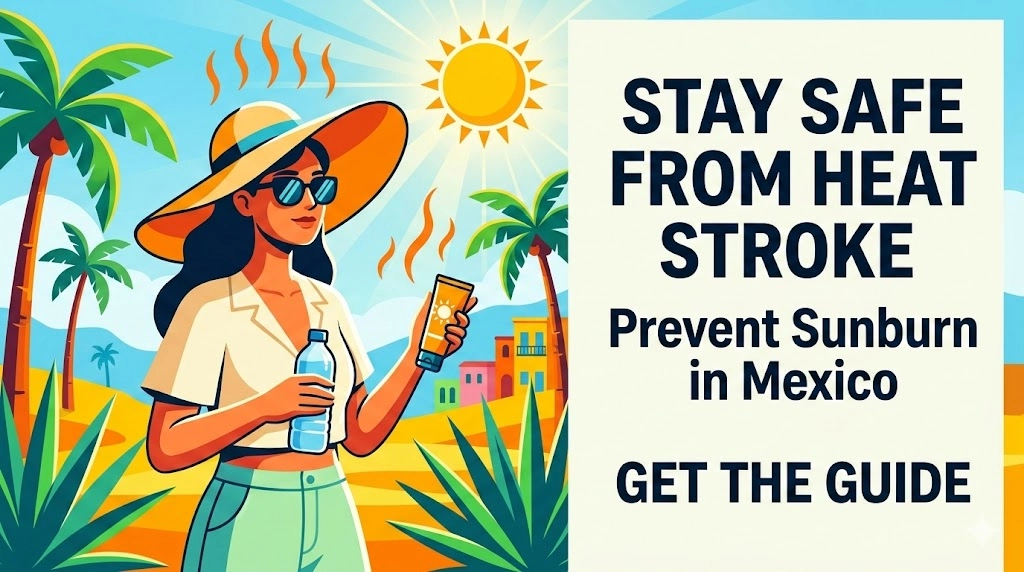
Arriving in a tropical paradise often makes expats forget just how unforgiving the equatorial sun can be. I learned this the hard way after a single unprotected afternoon in Oaxaca resulted in blistering sunburn and severe dehydration. This guide explains how to proactively prevent heat stroke, manage daily sun exposure, and adapt safely to Mexico’s intense climate.
Disclosure: This post may contain affiliate links. We may earn a commission at no extra cost to you if you make a purchase through these links. Read full disclosure.
Understanding the Intensity of the Mexican Sun
When relocating to Mexico, your relationship with the sun must fundamentally change. The geographical realities of the country mean that sun exposure is far more intense and potentially dangerous than what many foreigners anticipate.
The UV Index and High Altitude Impact
Mexico’s position near the equator dictates that the sun’s ultraviolet (UV) radiation strikes the earth at a much more direct angle. The U.S. Environmental Protection Agency (EPA) utilizes a UV Index scale to predict the risk of overexposure, ranging from 0 (Low) to 11+ (Extreme). When the UV Index reaches 8 to 10 (Very High) or 11+ (Extreme), unprotected skin and eyes can burn quickly, sometimes within minutes. In many parts of Mexico, particularly during spring and summer, the UV index regularly hits these extreme levels.
Furthermore, expats living in high-altitude cities like Mexico City, Toluca, or San Miguel de Allende face an invisible threat. While the ambient air temperature might feel cool and comfortable, the thinner atmosphere filters out significantly less UV radiation, drastically increasing the speed at which a severe sunburn occurs. If you are also struggling with the elevation itself, reading about Altitude Sickness in Mexico: Tips for Adjusting to High Elevations is a crucial first step in your overall health preparation.
Regional Climate Variations and Humidity
Mexico features incredibly diverse microclimates, and your heat stroke prevention strategy must adapt to your specific region. Coastal areas like the Riviera Maya, Cancun, or Puerto Vallarta combine intense heat with oppressive humidity. High humidity prevents sweat from evaporating efficiently, which is the body’s primary cooling mechanism. Conversely, the arid heat in desert regions like Baja California or Sonora can trick you into thinking you are not sweating because the moisture evaporates instantly, leading to rapid, unnoticed fluid loss.
Regardless of the region, understanding Healthcare Costs in Mexico: Doctor Visits, Hospital Stays, and Surgery Expenses is essential in case the climate triggers a severe medical event. For expats who frequently travel between these distinct climate zones, utilizing a multi-currency account like Wise allows you to easily manage varying regional costs, from purchasing high-efficiency air conditioning units to stocking up on specialized hydration gear without facing hidden bank conversion fees.
Recognizing and Preventing Heat-Related Illnesses
Heat-related illnesses exist on a spectrum. Ignoring the minor symptoms can quickly lead to a life-threatening medical emergency, especially if you live alone or in a rural area.
Early Warning Signs of Heat Exhaustion and Heat Stroke
Recognizing the early warning signs of heat distress is a matter of life and death. The Centers for Disease Control and Prevention (CDC) warns that older adults, young children, and individuals with chronic medical conditions face a significantly higher risk of heat-related illness and death. Heat exhaustion typically presents first, with symptoms including heavy sweating, weakness, dizziness, and nausea.
If ignored, heat exhaustion can rapidly escalate into heat stroke. Symptoms of heat stroke include a very high body temperature, confusion, altered mental status, slurred speech, and hot, dry skin or profuse sweating. A heat stroke is fatal if treatment is delayed. If you suspect heat stroke, you must call for emergency help immediately and attempt to cool the person quickly using a cold water or ice bath, or by placing cold wet cloths on the skin. Knowing exactly Calling an Ambulance in Mexico: How Emergency Services Operate is vital before an emergency strikes. For complete peace of mind, securing comprehensive expat health insurance through Cigna Global ensures you have access to top-tier private emergency rooms if a heat-related crisis occurs.
Hydration Strategies Beyond Just Water
Drinking plain water is not always enough to prevent heat exhaustion in Mexico’s climate. The CDC notes that heavy sweating removes salt and minerals from the body that need to be replaced, and recommends using a sports drink to replace these lost electrolytes. In Mexico, pharmacies and convenience stores universally sell suero (oral rehydration salts or liquid electrolyte drinks).
However, commercial sports drinks can be heavy in processed sugar and artificial colors. Many health-conscious expats prefer to order specialized, low-sugar electrolyte powders and hydration supplements through iHerb, which delivers directly to Mexico and bypasses the limited selection found in local supermarkets. You also need to consider your daily water source; reviewing Is Tap Water Safe to Drink in Mexico? will help you establish a safe, reliable baseline for your daily hydration needs.
Federal Health Recommendations in Mexico
The Mexican government actively monitors extreme temperatures and issues national warnings during heat waves. The Mexican Secretaría de Salud (Ministry of Health) explicitly recommends avoiding physical activity outdoors between 11:00 AM and 4:00 PM to prevent heat stroke. They also strictly warn against staying inside a parked vehicle without air conditioning and advise avoiding the use of dark-colored clothing. During intense heat waves, the Secretaría de Salud emphasizes the importance of constant hydration, preferring plain water, and consuming fresh fruits and vegetables.
Sunburn Prevention and Skin Protection Tactics
Preventing sunburn is not just about avoiding temporary pain or peeling skin; it is a critical component of systemic heat stroke prevention. Sunburn affects your body’s ability to cool down and can make you dehydrated.
Choosing the Right Sunscreen and Barriers
The EPA recommends generously applying broad-spectrum SPF 30+ sunscreen every 2 hours, even on cloudy days, and after swimming or sweating. In Mexico’s resort areas, many cenotes, national parks, and ecological reserves mandate the use of reef-safe, biodegradable sunscreen to protect the delicate marine ecosystems. Because high-quality, chemical-free dermatological sunscreens can be expensive or hard to find in local beach towns, ordering bulk supplies of reef-safe, broad-spectrum SPF through iHerb is a highly effective logistical strategy for expats.
Clothing and Lifestyle Adjustments
The most effective sun protection is physical and behavioral. If you observe the local population, you will notice a distinct preference for long sleeves, trousers, and umbrellas (sombrillas) even on the hottest days of the year. The CDC recommends wearing loose, lightweight, light-colored clothing and a wide-brimmed hat to protect yourself from the sun.
Adopting the local schedule is not a cultural stereotype; it is a practical survival tactic. Restricting errands, exercise, and heavy labor to the early morning or late evening naturally minimizes your UV exposure. If you suffer a mild burn despite your best efforts, local pharmacies carry aloe vera and hydrocortisone. Familiarizing yourself with Over-the-Counter Medications: What Can You Get in Mexico Without a Prescription? will help you navigate the pharmacy counter effectively.
Treating Severe Sunburns Locally
If you sustain a severe sunburn accompanied by blistering, fever, or chills, you must seek professional medical attention rather than relying on home remedies. A severe sunburn can trigger systemic shock and massive fluid loss. For minor burns, cooling the skin with damp cloths and applying high-quality aloe vera is the standard protocol. Expats proactively Building a First Aid Kit: Essential Medical Supplies for Expats in Mexico should ensure they have specialized burn gels and oral pain relievers on hand before the summer months arrive.
Acclimating Safely as a New Expat
Acclimatization is the process of your body physiologically adapting to a hot environment, resulting in increased sweating efficiency. This biological adjustment requires time, patience, and careful management.
Pacing Your Daily Activities and Workload
You cannot expect to maintain the same midday pace in Merida or Oaxaca that you did in Seattle or London. The CDC recommends gradually increasing the time spent in hot conditions over 7 to 14 days. For new arrivals, pacing yourself is vital; if exertion in the heat makes your heart pound and leaves you gasping for breath, you must stop all activity, get into a cool area, and rest.
If you are working remotely or managing a household, scheduling demanding tasks for the cooler hours of the day is a simple administrative control to reduce heat stress. To support your body’s cellular adaptation and energy levels during this transition, you might consider ordering high-quality vitamins and adaptogens through iHerb. Expats who are Managing Chronic Illness in Mexico: Access to Medication and Specialists must be particularly cautious, as certain medications, such as blood pressure drugs or diuretics, can impair the body’s natural ability to regulate internal temperature.
Managing Heat-Related Costs
Adapting to the heat also requires a financial adjustment. Running air conditioning units heavily during the summer months will drastically increase your electricity bill with the Federal Electricity Commission (CFE). Budgeting for these seasonal spikes is an unavoidable part of expat life. Utilizing Wise to manage your international money transfers ensures you get the best exchange rate when paying elevated summer utility bills or covering the upfront costs of installing mini-split AC units in your rental property. To fully understand how these specific expenses fit into your overall lifestyle budget, review the Cost of Living in Mexico: 2026 Comprehensive Guide. If the extreme heat does result in a hospitalization, having a robust international policy through Cigna Global guarantees your medical bills are handled smoothly, allowing you to focus entirely on recovery.
Heat Exhaustion vs. Heat Stroke Warning Signs
| Condition | Core Symptoms | Skin Appearance | Required Action |
| Heat Exhaustion | Heavy sweating, weakness, dizziness, nausea, muscle cramps | Cool, pale, or clammy | Move to shade, drink cool water or electrolytes, rest |
| Heat Stroke | Confusion, altered mental status, slurred speech, seizures | Hot, dry skin or profuse sweating | Call 911 immediately, cool body rapidly with ice or water |
References
Primary sources (official)
- U.S. Environmental Protection Agency (EPA). https://www.epa.gov/sunsafety/uv-index-scale-0
- Centers for Disease Control and Prevention (CDC) – Heat-Related Illnesses & Extreme Heat. https://www.cdc.gov/niosh/heat-stress/about/illnesses.html
Other helpful sources
- National Weather Service – Heat Illness. https://www.weather.gov/safety/heat-illness
Disclaimer
The information provided in this article is for educational and informational purposes only and does not constitute medical advice. Heat stroke is a life-threatening medical emergency. Always consult with a licensed healthcare professional or contact local emergency services (911 in Mexico) if you or someone else experiences severe symptoms of heat-related illness.