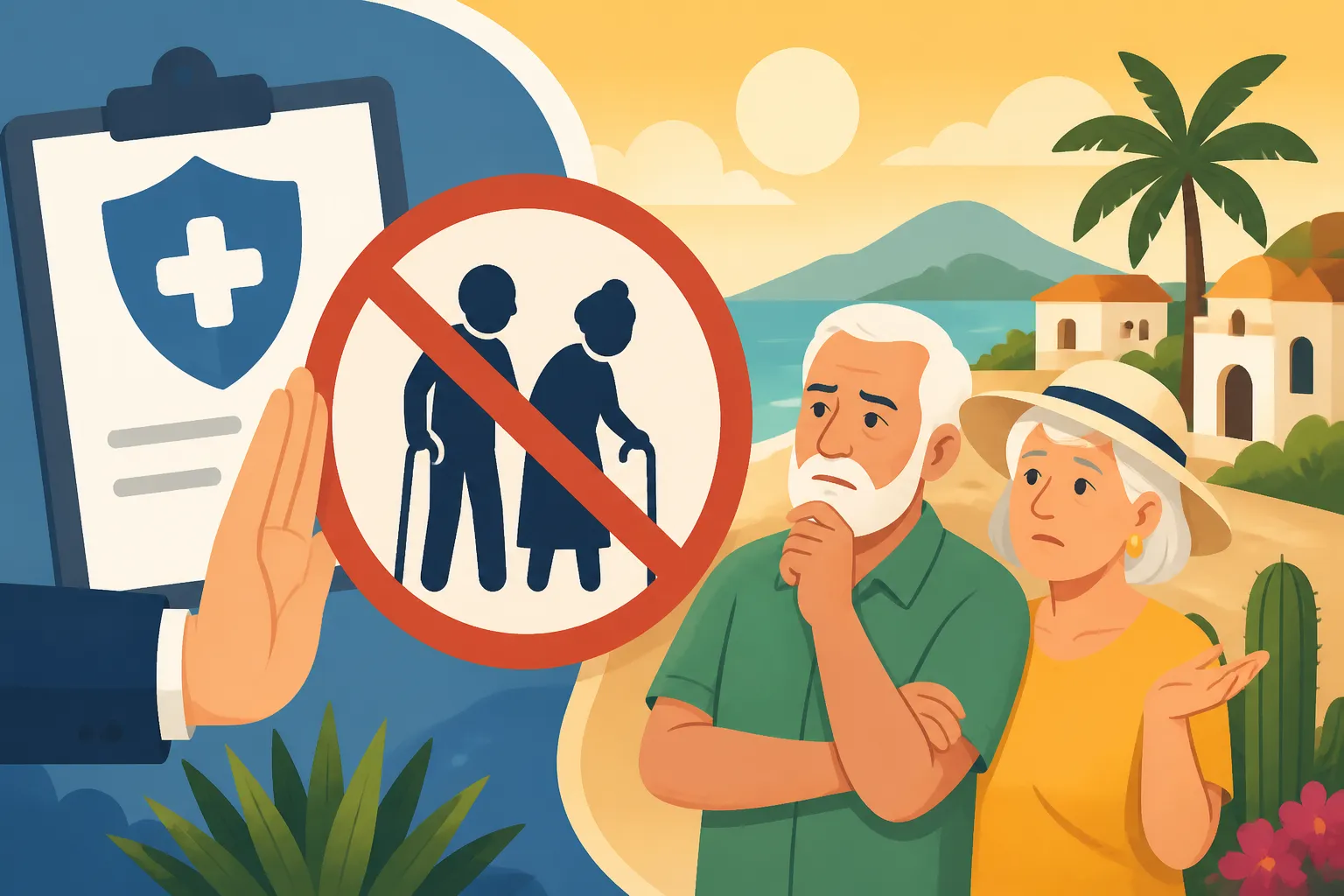
Age Limits on Nomad Insurance: Why It Doesn’t Fit Most Retirees in Mexico
Oh, the dream of retiring to Mexico! Sun, vibrant culture, delicious food, and a slower pace of life. It sounds idyllic, doesn't it? But then you start looking into the nitty-gritty, like health insurance, and suddenly that dream can feel a bit like wading through quicksand. Many of you, like I once did, might stumble upon "nomad insurance" thinking it sounds like a flexible, modern solution for your new life abroad, only to hit a brick wall when you realize that most of these policies come with strict age limits that simply don't make sense for retirees. This guide is here to walk you through why typical nomad insurance often falls short for older expats and, more importantly, to illuminate the truly robust options available to ensure your golden years in Mexico are truly worry-free, introducing you to comprehensive solutions like SafetyWing Remote Health.
Disclosure: This post may contain affiliate links. We may earn a commission at no extra cost to you if you make a purchase through these links. Read full disclosure.
The Allure of Nomad Insurance: What It Is and Who It's For
When you first start researching health coverage for living abroad, especially if you're picturing yourself as a free-spirited expat moving through the world, "nomad insurance" often pops up. It sounds so appealing, doesn't it? Young, digital-savvy, unencumbered by traditional ties – it conjures images of freedom and flexibility. And for a specific demographic, it really is a fantastic solution.
Designed for the Young and Flexible
Typical nomad insurance products were largely born out of the rise of the digital nomad movement. These are usually younger folks, often in their 20s, 30s, or even 40s, who work remotely and travel frequently, rarely staying in one country long enough to establish permanent roots or a local health insurance plan. For them, the ability to buy insurance that covers them for short stints in multiple countries, often on a month-to-month basis, with a focus on emergency medical care and unexpected travel mishaps, is a game-changer. It's built for those who prioritize flexibility and cost-effectiveness over deep, comprehensive, long-term health benefits. It's travel insurance, essentially, but with a bit more beef for those who live out of a suitcase for extended periods.
Typical Coverage and Exclusions
So, what do these policies usually cover? Think unexpected accidents, sudden illnesses that require immediate medical attention, emergency dental work, and perhaps some travel-related perks like lost luggage or trip interruption. They're designed to handle acute situations, get you stabilized, and potentially repatriated if needed. This is perfect if you twist your ankle hiking a volcano or come down with a nasty case of food poisoning.
However, here's where the rubber meets the road for retirees: nomad insurance policies are almost universally not designed for long-term residency. They typically exclude or severely limit coverage for pre-existing conditions, routine check-ups, chronic disease management, and preventative care – all things that become increasingly important as we age. They also usually have strict limits on how long you can stay in one country and still be covered. This often means if you're setting up a home base in Mexico for months or years, these policies quickly become inadequate, regardless of age.
The Hard Truth: Age Limits That Shut Out Retirees in Mexico
Now, let's get to the elephant in the room that so many hopeful retirees discover too late: the age limits. It's a frustrating reality to come face-to-face with, especially when you feel perfectly healthy and ready for adventure.
Common Age Caps You'll Encounter
Most traditional "nomad insurance" providers, including some well-known ones, have hard age cut-offs, typically around 60, 65, or sometimes 69 years old. After that, you're either ineligible, or the coverage becomes so restrictive and expensive that it's practically useless. For instance, while a product like SafetyWing's standard Nomad Insurance is fantastic for younger travelers, its age limit (around 69) means it simply won't work for many individuals beyond that age who are looking for long-term health coverage. It's not a slight against the individual; it's just the actuarial reality of how these specific types of plans are structured. They assume a lower risk profile for younger, generally healthier individuals who are less likely to incur significant long-term medical costs.
Imagine you've just turned 70, you're dreaming of your new life in Mérida, and you go to sign up for a plan you've heard good things about, only to be met with a "Sorry, you're too old" message. It's disheartening, to say the least. It feels like the world of expat living is suddenly closed off because of a number. This isn't about being unhealthy; it's about the financial models these companies use for their specific, short-term travel-focused products.
Impact on Premiums and Coverage for Older Applicants
Even if you find a nomad insurance policy that does accept slightly older applicants (perhaps up to 69), you'll often see a dramatic jump in premiums. What a 30-year-old pays might be a fraction of what a 60-year-old is quoted for the same level of basic emergency coverage. Furthermore, the coverage itself often shrinks. Deductibles might be higher, maximum payouts lower, and exclusions for anything remotely related to age-related health issues become more prevalent.
This means you could be paying significantly more for significantly less coverage. It’s a vicious cycle that leaves many retirees feeling undervalued and without viable options. It forces you to rethink your entire healthcare strategy, moving away from the "quick fix" of nomad insurance to something much more comprehensive and tailored to your life stage. You really need to compare options like those discussed in our guide on Choosing Private Health Insurance: Local Mexican Plans vs International Coverage.
Beyond Age: Why Retirees Need Specialized Health Coverage in Mexico
It's not just the age limits, though that's often the first hurdle. Retirees, by virtue of their life stage, simply have different healthcare needs than a 25-year-old backpacker. Your health considerations evolve, and your insurance needs to evolve with them.
Chronic Conditions and Pre-Existing Issues
Let's be realistic: as we get older, many of us develop chronic conditions. High blood pressure, diabetes, arthritis, heart conditions – these are common realities, not exceptions. Nomad insurance, almost without fail, either excludes pre-existing conditions entirely or imposes long waiting periods and very strict limitations on any related care. This means if you have, say, diabetes, and your policy starts, it likely won't cover any of your diabetes-related doctor visits, medications, or complications for the first year, or ever, depending on the terms.
For retirees living in Mexico, managing these conditions is paramount. You need a plan that understands and accommodates these needs, offering coverage for ongoing prescriptions, regular specialist visits, and potentially even preventative screenings. This is where a robust global health insurance, like SafetyWing Remote Health, truly stands out because it's designed to cover these comprehensive medical needs over the long term, unlike typical nomad insurance. Planning for this is crucial, and our article on Pre-Existing Conditions: Will Mexican Health Insurance Cover You? offers more insights.
Local vs. International Medical Needs
When you move to Mexico, you're not just visiting; you're living there. This means you'll want access to local doctors for routine care, specialists for specific issues, and potentially a local hospital for planned procedures or unexpected events. Nomad insurance usually focuses on emergency stabilization, not on integrating you into a long-term local healthcare system. It won't typically cover your annual physical, your dermatologist visit for that suspicious mole, or your routine blood work.
A comprehensive global health plan, or even a local Mexican health insurance policy, on the other hand, is designed for this. These plans often have networks of doctors and hospitals in Mexico, streamlining the process of getting care and often allowing for direct billing, which can be a huge relief. You can learn more about the overall system in our Healthcare in Mexico: Complete Guide for Expats (Public vs Private).
Emergency Evacuation: A Critical Need for Seniors
While general emergency coverage is a feature of most nomad insurance, emergency medical evacuation takes on heightened importance for older individuals. If you face a severe medical crisis in a smaller Mexican town, or one that requires highly specialized care not available locally, you might need to be transported to a larger city, or even back to your home country. This can be astronomically expensive.
While some basic nomad policies might offer a small amount for evacuation, truly comprehensive global health insurance, such as SafetyWing Remote Health, often includes much more robust medical evacuation benefits. This isn't just about getting you home; it's about ensuring you get the best possible care when and where you need it most, without facing a catastrophic financial burden. This is a critical safety net that every retiree in Mexico should consider, as explored in our guide on Medical Evacuation Insurance: Do Expats in Mexico Need Airlift Coverage?.
Finding Your True Healthcare Hero: Comprehensive Global Health Insurance Options
So, if traditional nomad insurance is a non-starter, what are your options for robust health coverage in your retirement years in Mexico? Thankfully, there are several excellent pathways, and the good news is that innovative providers have solutions specifically designed for long-term expat living, including for older individuals.
International Health Insurance: A Comprehensive Solution
This is where the real hero of expat healthcare steps onto the stage. International or global health insurance is specifically designed for individuals living abroad long-term, and crucially, many of these plans accommodate higher age ranges than typical nomad insurance. They offer comprehensive coverage that includes not just emergencies, but also routine check-ups, specialist visits, prescription medications, hospital stays, and often even pre-existing conditions (though sometimes with specific terms or waiting periods, depending on your health history and the plan).
One excellent example of this evolution in expat insurance is SafetyWing's Remote Health product. Unlike their Nomad Insurance, which caters to short-term travelers, Remote Health is built for long-term expats and remote workers who need comprehensive health insurance. This plan is tailored to be a true medical safety net, covering you for your daily health needs, not just travel emergencies. It offers a global network of providers, ensuring you can find quality care in Mexico and beyond, and is designed to be a long-term solution for those planting roots in a new country. It explicitly addresses many of the shortcomings of basic nomad insurance, providing a level of care and peace of mind that retirees absolutely need. When you’re looking at your options for Health Insurance in Mexico: How Expats Can Get Coverage (2027), global health plans like Remote Health by SafetyWing should be at the top of your list.
Local Mexican Health Insurance
Another solid option for residents is to enroll in a local Mexican health insurance plan. Companies like GNP Seguros, AXA Seguros, or Bupa México offer plans specifically for residents. These plans are often more budget-friendly than international options, and they are perfectly integrated into the Mexican healthcare system. You'll have direct access to local networks of doctors and hospitals, often with direct billing, which simplifies things immensely.
The main considerations here are typically the language barrier (most policies and customer service are in Spanish), and the fact that coverage is usually limited to Mexico. If you plan to travel extensively outside of Mexico or want the option to return to your home country for certain treatments, a local plan might not provide that flexibility. However, for those fully embracing life in Mexico and content with local care, it's a very viable choice. Our guide on Healthcare Costs in Mexico: Doctor Visits, Hospital Stays, and Surgery Expenses can help you budget for potential out-of-pocket costs with these plans.
Public Healthcare (IMSS) for Residents
If you're a legal resident in Mexico (which you absolutely should be if you're retiring here long-term!), you might also qualify to enroll in the public healthcare system, known as IMSS (Instituto Mexicano del Seguro Social). This is a voluntary program for foreign residents and can be incredibly affordable, often just a few hundred dollars a year. IMSS provides access to a network of public hospitals and clinics throughout Mexico.
The trade-offs with IMSS usually include longer wait times for appointments and procedures, a more bureaucratic system, and sometimes more basic facilities compared to private options. You'll also need to be prepared for the process of How to Enroll in IMSS: Step-by-Step Guide for Foreign Residents. However, for many retirees, the low cost and comprehensive nature of the care (covering everything from doctor visits to surgeries and medications) make it an invaluable option, especially when combined with a supplemental private plan for specialized care or emergencies. It's a crucial part of the discussion on Public Healthcare in Mexico: IMSS and IMSS Bienestar Explained for Expats.
Navigating the Complexities: Choosing the Best Plan for Your Golden Years in Mexico
Choosing the right health insurance in Mexico isn't a "one size fits all" decision, especially in retirement. It requires careful consideration of your personal circumstances, health status, and financial situation.
Assessing Your Personal Health Profile
Before you even start looking at policies, take a brutally honest look at your health. Do you have any chronic conditions? Are you taking multiple prescriptions? Do you anticipate needing regular specialist care? This self-assessment is critical because it will largely determine which types of plans are even an option for you, and how much they will cost.
For example, if you have a well-managed chronic illness, an international health plan like SafetyWing Remote Health might be able to offer comprehensive coverage (potentially after a waiting period), ensuring your medications and specialist visits are covered. If you have significant pre-existing conditions that are often excluded or have long waiting periods, you might need to lean more heavily on the public IMSS system or look for very specialized local plans that are more lenient, even if they come with higher costs. Don't underestimate the importance of Managing Chronic Illness in Mexico: Access to Medication and Specialists.
Budgeting for Healthcare Costs
Healthcare in Mexico is generally more affordable than in the US or Canada, but it's not free. You need to factor insurance premiums, deductibles, co-pays, and any out-of-pocket maximums into your monthly budget. Remember that even with insurance, some costs will inevitably be your responsibility.
Create a realistic healthcare budget. Compare the monthly premiums of various options: a global health plan like SafetyWing Remote Health, a local Mexican private insurance, and the annual cost of IMSS. Consider your lifestyle too. If you plan to travel frequently outside Mexico, a global plan offers coverage flexibility that a local plan might not. If you're staying put, a local plan could be more cost-effective.
| Insurance Type | Typical Age Range Covered | Focus of Coverage | Key Advantages for Retirees | Key Disadvantages for Retirees | Example Provider for Retirees |
|---|---|---|---|---|---|
| Nomad Insurance | Up to 60-69 | Emergency medical, travel mishaps | Flexible, often month-to-month, good for acute emergencies | Age limits, excludes chronic/pre-existing, no routine care | (Not ideal for most retirees) |
| Global Health Ins. | Up to 75+, sometimes higher | Comprehensive medical, long-term expat | Covers routine, chronic, specialists; wide network, global coverage | Higher premiums, may have waiting periods for pre-existing | SafetyWing Remote Health |
| Local Mexican Private | No strict age limits (but higher premiums with age) | Comprehensive within Mexico | Integrated with local system, direct billing, potentially lower premiums than global | Coverage limited to Mexico, language barrier likely, may exclude pre-existing | GNP Seguros, AXA México |
| Public (IMSS) | No age limit for residents | Comprehensive within public system | Very affordable, covers everything once enrolled, no pre-existing exclusions | Longer wait times, bureaucracy, basic facilities, Spanish-speaking | IMSS |
Understanding Policy Limitations
Every insurance policy comes with limitations, and understanding them is crucial. Don't just look at the premium; delve into the details:
- Deductibles: How much do you have to pay out of pocket before your insurance kicks in?
- Co-insurance/Co-pays: What percentage or fixed amount do you pay for each service after your deductible is met?
- Annual Maximums: Is there a limit to how much the policy will pay out in a year?
- Exclusions: What specifically is not covered? This is especially important for pre-existing conditions, mental health, dental, or vision care.
- Network: Does the policy require you to use specific doctors or hospitals, or can you choose your own? Global plans like SafetyWing Remote Health often offer extensive networks but may have preferred providers.
- Repatriation/Evacuation: What are the limits and conditions for emergency medical evacuation back home or to another country for treatment?
Spending the time to thoroughly read and compare policies will save you immense headaches (and money) down the line. Remember, securing your Health Insurance in Mexico: How Expats Can Get Coverage (2027) is one of the most important decisions you'll make for your expat life.
Peace of Mind in Paradise: Ensuring You're Covered for Life in Mexico
Ultimately, the goal is to achieve peace of mind. You moved to Mexico for a better quality of life, not to worry constantly about medical bills or access to care. Having appropriate health insurance is the cornerstone of that security.
Navigating Medical Emergencies
No one wants to think about it, but medical emergencies happen. When they do, having a clear plan and robust insurance is invaluable. With a comprehensive international plan like SafetyWing Remote Health, you'll have a 24/7 emergency hotline to call, often with English-speaking representatives, who can guide you to the nearest quality medical facility and handle direct billing where possible. This is a far cry from trying to explain your situation in broken Spanish at a local clinic with only a basic nomad policy covering just "emergencies."
For urgent situations, knowing how to react is key, which is why we also cover Medical Emergencies in Mexico: What Expats Should Know and Prepare and Calling an Ambulance in Mexico: How Emergency Services Operate. Your insurance should support you through these critical moments.
Seeking Specialists and Long-Term Care
Beyond emergencies, retirees often need ongoing access to specialists – cardiologists, orthopedists, endocrinologists, etc. A good global health insurance plan, such as SafetyWing Remote Health, will cover these visits and any associated diagnostic tests or procedures. This means you can build relationships with local doctors and manage your health proactively, rather than waiting for a crisis.
For some, long-term care or assisted living might become a consideration down the road. While health insurance typically doesn't cover these services, having your core medical needs covered by a solid plan allows you to focus on planning for other aspects of Senior Care in Mexico: Assisted Living and Home Care Options.
The Peace of Mind Factor
Living in a foreign country can be exhilarating, but it also comes with unique challenges. Knowing that your health is protected by a reputable and comprehensive insurance policy removes a massive layer of stress. It means you can fully immerse yourself in the culture, explore Mexico's incredible landscapes, and enjoy your retirement without the constant worry of medical costs looming over your head.
While the appeal of "nomad insurance" might be strong at first glance, for the vast majority of retirees in Mexico, it simply isn't the right fit due to age limits and insufficient coverage for long-term health needs. Instead, seek out global health insurance options, like SafetyWing Remote Health, or strong local private plans, which are specifically designed for comprehensive expat living. These are the solutions that will genuinely provide the security and peace of mind you deserve in your new home.
Disclaimer
The information provided in this article is for general guidance and informational purposes only, and does not constitute professional medical, legal, or financial advice. Healthcare systems, insurance policies, and regulations in Mexico are subject to change. Readers should consult with qualified medical professionals, immigration lawyers, and insurance agents to discuss their specific circumstances and needs before making any decisions related to their health or insurance coverage in Mexico. The mention of specific brands or services is for illustrative purposes and does not constitute an endorsement.