Snowbird Money Setup: Running US and Mexican Finances Six Months Apart
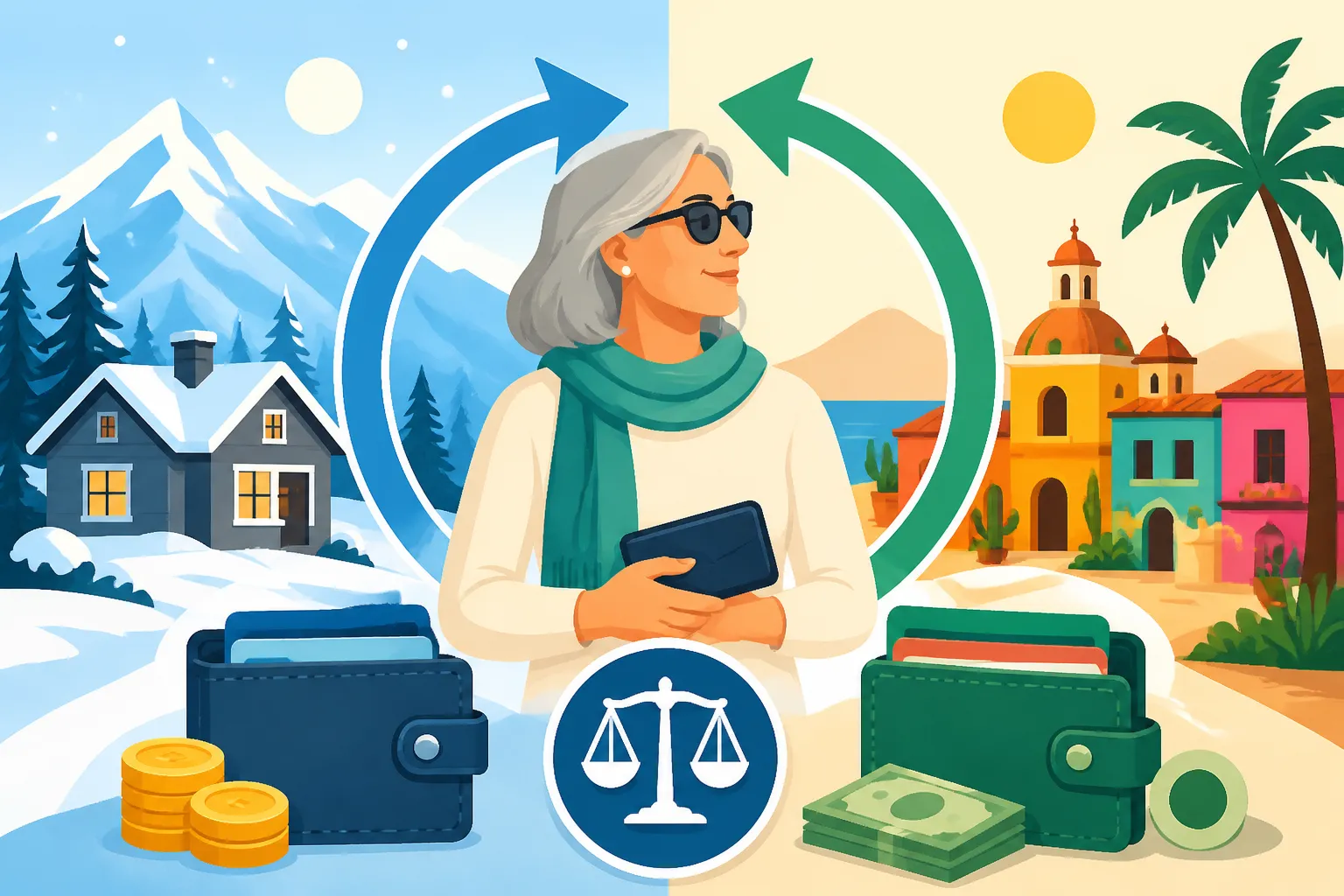
Moving to Mexico for half the year, like so many snowbirds do, sounds idyllic – sunshine, culture, delicious food. But let's be real, the moment you start thinking about how to actually pay for all that paradise, a different kind of headache starts brewing. Juggling your US (or Canadian, or UK) finances while managing expenses in pesos, all while crossing borders twice a year, can feel like you're trying to perform a complex accounting ballet with one foot in each country. This guide is here to walk you through setting up your money life so you can enjoy your six months in Mexico without the constant financial stress, with a special focus on making your cross-border transfers as smooth as a mezcal on a warm evening.
Disclosure: This post may contain affiliate links. We may earn a commission at no extra cost to you if you make a purchase through these links. Read full disclosure.
The Unique Financial Juggling Act of Mexico-Bound Snowbirds
The snowbird lifestyle is wonderful, but it comes with a distinct set of financial complexities that regular expats or tourists don't always face. You're not just moving your life; you're moving your financial life, but only temporarily, and then reversing the process. This isn't a one-time transfer; it's a recurring operation, and if you don't set it up right, you'll bleed money in fees and terrible exchange rates.
The Inherent Challenges of Cross-Border Banking
The biggest frustration for many snowbirds is the sheer inefficiency and cost of moving money. Traditional banks, bless their hearts, are notorious for high transfer fees, hidden markups on exchange rates, and slow processing times. You want your money when you need it, not three to five business days later after several intermediaries have taken their cut. Imagine needing to pay your rent or a medical bill in Mexico, only to find your funds stuck in transfer limbo. It's a common scenario, and it's infuriating.
Then there's the issue of accessibility. Your home country bank card might work at ATMs, but the foreign transaction fees and the conversion rates they offer are often far from favorable. You also have to deal with ATM Withdrawal Limits in Mexico: How Much Cash Can You Get?. It's a constant battle to extract your own money without feeling like you're getting fleeced at every turn. Many long-term visitors struggle with how to manage their daily expenses without carrying around huge wads of cash, which is never a great idea in any country.
Maintaining Financial Ties Back Home
Just because you're spending half the year soaking up the sun in Puerto Vallarta or Mérida doesn't mean your financial life back home stops. You still have mortgages, utility bills, investments, and perhaps even a pension or Social Security to manage. The key here is automation and oversight. You need to ensure your regular bills are paid on time without you having to be physically present. This often means setting up online banking, automatic payments, and having a trusted person or financial advisor who can keep an eye on things.
Your US or Canadian bank accounts are your anchor. While you'll open a Mexican bank account, you'll still need a robust strategy to get money from your home accounts to your Mexican accounts efficiently. This duality requires a system that’s not just convenient but also cost-effective and secure. Without a clear strategy, you risk late fees, missed payments, or, worse, running out of accessible cash when you need it most.
Setting Up Your Dual Financial Foundation for Seamless Six-Month Stays
Okay, let's get down to brass tacks. You're here to live, not to stress about pesos and dollars. The goal is to create a financial pipeline that works smoothly, year in and year out, no matter which country you're in.
Establishing Your Mexican Financial Footprint
When you first arrive, or even before you do, one of your priorities should be to get a local bank account. This isn't just for convenience; it's often essential for paying local bills, receiving funds, and generally integrating into the financial system. Many landlords, utility companies, and service providers in Mexico prefer local bank transfers.
The process for How to Open a Bank Account in Mexico: Requirements and Tips usually involves having your temporary or permanent residency card (if you're here on a Mexico Temporary Resident Visa: Comprehensive Guide for Expats (2026 Update)), your passport, proof of address (like a CFE bill), and sometimes an initial deposit. Major banks like BBVA, Banorte, and Santander are popular choices and offer various services. Having a local account means you can pay things like your electricity, internet, and even your housekeeper directly without incurring international transaction fees. It also helps in receiving funds efficiently from your primary accounts abroad.
The Best Approach for Regular Money Transfers
This is where the rubber meets the road for snowbirds. You'll need to move money from your home country bank account to your Mexican bank account consistently. Relying on traditional wire transfers is like throwing money into the ocean – you'll lose a significant chunk to fees and poor exchange rates. This is precisely why services like Wise (formerly TransferWise) have become the absolute hero for expats and snowbirds in Mexico.
Wise is designed specifically for international money transfers, offering real mid-market exchange rates and transparent, low fees. Unlike banks that often add a hidden margin to the exchange rate, Wise gives you the rate you see on Google. For a snowbird who makes several transfers a year, this can amount to substantial savings.
Here’s why Wise is so good for snowbirds:
- Transparency: You see exactly how much you're sending, how much the fee is, and how much your recipient will get in pesos before you confirm the transfer. No surprises.
- Speed: Most transfers to Mexico arrive within hours, often instantly, especially during business hours. This means you’re not left waiting when you need cash for an urgent expense.
- Cost-Effectiveness: The fees are significantly lower than traditional banks, and the excellent exchange rate means your money goes further.
- Convenience: You can initiate transfers easily from their app or website, linking directly to your US/Canadian bank account and sending directly to your Mexican bank account. This eliminates the need for physical visits to a bank or currency exchange office.
Consider a scenario: You need to send $2,000 USD to cover your rent and living expenses for the month. With a traditional bank, you might pay a $30-$50 wire fee, plus lose another 2-3% on a padded exchange rate. With Wise, you're looking at a minimal fee (often just a few dollars) and the real exchange rate, saving you potentially $50-$100 on each transfer. Over six months, with multiple transfers, those savings add up dramatically. This makes Wise an indispensable tool in your financial arsenal.
For a deeper dive, check out Transferring Money Internationally: Best Ways to Send Money to/from Mexico.
Optimizing Your Banking Strategy in Both Countries
Beyond just transferring money, your overall banking strategy needs to be streamlined.
- Home Country Account: Keep one primary checking account in your home country with a debit card that has low or no foreign transaction fees. Some banks, like Charles Schwab in the US, reimburse all ATM fees worldwide, which is a huge perk for international living. This account serves as your main hub for outgoing transfers to Mexico and for any expenses you might incur when you’re back home.
- Mexican Account: Your local Mexican bank account is for your day-to-day expenses, rent, utilities, and local purchases. Consider a basic checking account that allows for easy online transfers and debit card usage. Don't forget to look into the Best Banks in Mexico for Expats: Comparing Fees and Services.
- Credit Cards: Have a credit card or two with no foreign transaction fees. These are excellent for larger purchases, online shopping, or emergencies, and they often offer better fraud protection than debit cards. Just be mindful of interest rates if you carry a balance.
- Emergency Funds: Always keep a readily accessible emergency fund in both your home country account and a smaller amount in your Mexican account. You never know when you might need quick access to cash.
Navigating Day-to-Day Finances and Avoiding Common Pitfalls
Once your accounts are set up and your transfer method is chosen (hint: Wise), the next step is to master the daily rhythm of spending and saving in Mexico.
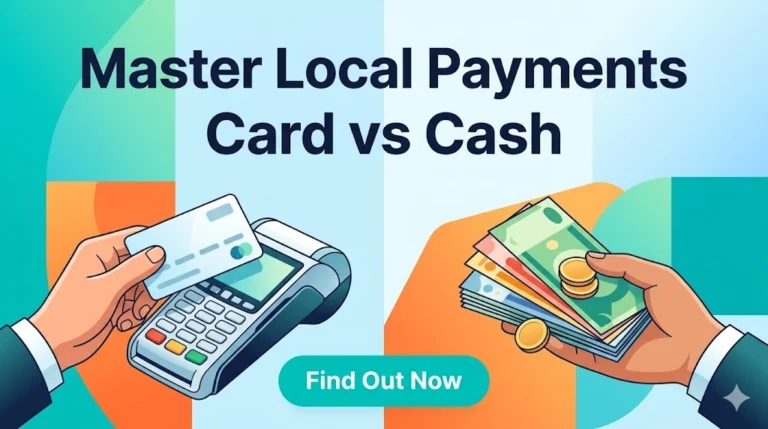
Managing Daily Spending: Cash vs. Card in Mexico
Mexico is still largely a cash-based society, especially outside of major cities and tourist zones. While credit and debit cards are accepted in many larger stores, restaurants, and hotels, you'll find that for smaller purchases, markets, street food, and many local businesses, cash is king. Always carry a reasonable amount of pesos.
When paying with a card, always opt to be charged in Mexican Pesos (MXN), not your home currency (USD, CAD, etc.). This is called Dynamic Currency Conversion (DCC), and it's almost always a terrible exchange rate offered by the local merchant's bank. Let your bank or Wise handle the conversion; they’ll give you a much better rate.
For significant cash needs, plan your ATM withdrawals. Use bank-branded ATMs (like those at BBVA, Banorte, Santander, HSBC) during business hours for better security. Be aware of the fees from the ATM operator and your own bank. This is another area where a debit card from a bank like Charles Schwab shines, as they reimburse these fees.
Exchange Rate Savvy: When and How to Convert Funds
One of the biggest leaks in a snowbird's finances can be poor exchange rate management. The exchange rate fluctuates daily, sometimes hourly. While you can't perfectly time the market, you can be smart about it.
- Avoid Airport Exchange Booths: These typically offer the worst rates.
- Use Wise for Bulk Transfers: Instead of frequent small transfers, send larger amounts via Wise when the exchange rate is favorable. Since Wise uses the mid-market rate, you're always getting a competitive rate anyway, but monitoring for slight improvements can still save you a few dollars.
- Should Expats Keep Savings in Pesos or Dollars? Managing Currency Risk: For your long-term savings, consider keeping them primarily in your home currency. Convert only what you anticipate needing for your six-month stay. This minimizes exposure to currency fluctuations.
Budgeting for the Bi-Annual Lifestyle
Budgeting for a life split between two countries requires a bit more foresight. You’ll have fixed costs in both locations, even when you're not there.
- Dual Budgets: Create two separate budgets: one for your time in Mexico and one for your time back home. Include all recurring expenses like insurance, utilities (even minimal ones while away), property taxes, and any storage fees.
- Variable Costs: Account for variable costs that change with location, such as groceries, dining out, and entertainment. The Cost of Living in Mexico: 2026 Comprehensive Guide can help you estimate your Mexican expenses.
- Automation is Your Friend: Automate as many payments as possible in both countries. This ensures bills are paid on time, even when you're physically elsewhere.
- Review Regularly: Sit down at least monthly, but especially before and after each move, to review your finances. Are you sticking to your budget? Are there any unexpected expenses? Are your transfers with Wise flowing smoothly?
Here's a quick comparison of popular money transfer methods:
| Feature | Traditional Bank Wire Transfer | PayPal/Western Union | Wise (Our Recommendation) |
|---|---|---|---|
| Exchange Rate | Marked up (poor) | Marked up (poor) | Mid-market (excellent) |
| Fees | High ($25-$50+) | Moderate to High | Low (fraction of 1%) |
| Speed | 3-5 business days | Often same-day | Hours, often instant |
| Transparency | Poor (hidden margins) | Varies, sometimes opaque | Excellent (all costs clear) |
| Convenience for Expats | Low (requires bank visit often) | Moderate | High (online/app) |
| Best For | Large, infrequent transfers | Small, urgent cash needs | Regular, cost-effective transfers |
Securing Your Funds and Future: Practical Advice for Snowbirds
Living across borders means you need to be extra vigilant about the security of your money and mindful of long-term financial planning.
Protecting Your Accounts from Afar
When you’re not physically present, your financial accounts are more vulnerable. Take proactive steps:
- Strong Passwords & Two-Factor Authentication (2FA): This is non-negotiable for all your online banking, investment accounts, and especially for your Wise account.
- Travel Notifications: Always inform your home country banks and credit card companies of your travel dates. This helps prevent them from flagging your Mexican transactions as fraudulent and freezing your cards.
- Monitor Accounts Regularly: Even with automation, it's crucial to log in and check your bank and credit card statements frequently for any suspicious activity. The Wise app makes it easy to track your transfers and balances.
- Secure Wi-Fi: Avoid doing banking or financial transfers over public Wi-Fi networks. If you must, use a Virtual Private Network (VPN).
Thinking Ahead: Tax and Residency Implications
While this guide focuses on the practicalities of moving money, it’s vital to acknowledge the bigger picture. Spending six months a year in Mexico can have significant tax implications in both countries. Depending on your time spent, you might be considered a tax resident in Mexico, even if you still pay taxes back home. This complex topic is best discussed with an expert, but be aware that income tax, property tax (predial), and capital gains tax are all part of the Mexican financial landscape for residents. You might also want to look into Do Expats Need to File Mexican Taxes on Foreign Income? and Double Taxation Treaties: How Expats Can Avoid Paying Taxes Twice.
Additionally, your residency status in Mexico (temporary vs. permanent) can influence some financial requirements or benefits. While voluntary enrollment in the public healthcare system (IMSS) for expats is available, you'll need to consider Healthcare Costs in Mexico: Doctor Visits, Hospital Stays, and Surgery Expenses and whether your home country's health insurance (Does Medicare Cover You in Mexico? A Guide for U.S. Retirees) provides sufficient coverage during your Mexican stays.
Ultimately, setting up your financial life as a snowbird in Mexico doesn’t have to be a headache. With careful planning, establishing local accounts, and crucially, leveraging efficient tools like Wise for your cross-border transfers, you can spend less time worrying about money and more time enjoying the incredible experience of living half the year in paradise. It really is about making smart choices that save you money and give you peace of mind, allowing you to truly embrace the lifestyle you’ve dreamed of.
Disclaimer
The information provided in this article is intended for general guidance and informational purposes only, and does not constitute financial, legal, or tax advice. While we strive to provide accurate and up-to-date information, regulations and financial requirements in Mexico and your home country are subject to change. It is highly recommended that you consult with a qualified financial advisor, tax professional, and/or immigration lawyer in both your home country and Mexico to address your specific situation before making any financial decisions or taking action.