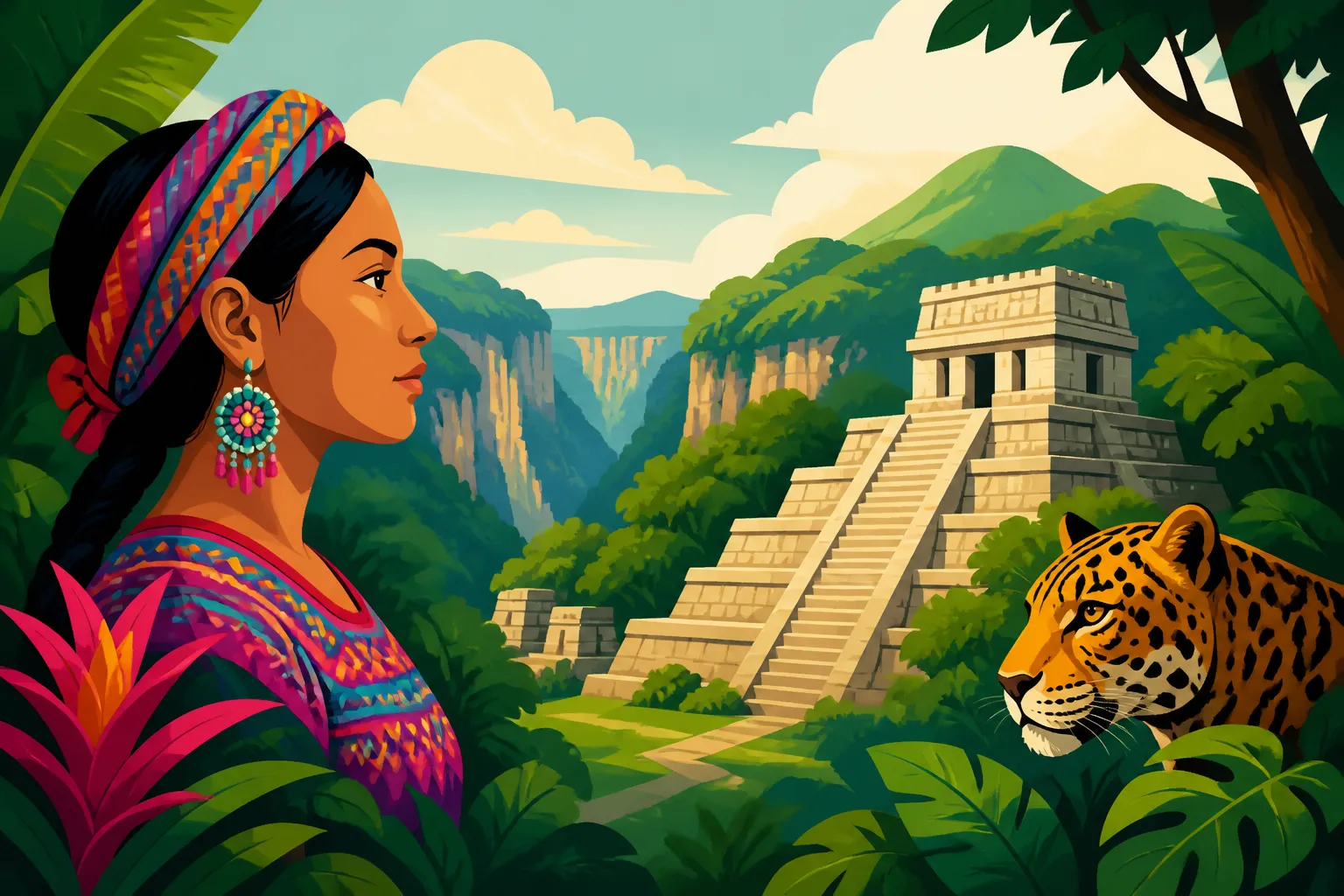
Chiapas: Jungle, Ruins, and Indigenous Culture
Many expats and travelers dream of the sun-drenched beaches of the Riviera Maya or the vibrant chaos of Mexico City, but often overlook the raw, untamed beauty of Chiapas. This southernmost state, a world unto itself, presents a different kind of Mexico – one that challenges, enchants, and deeply rewards those willing to peel back its layers. This guide is your companion to navigating Chiapas, uncovering its ancient secrets, vibrant indigenous cultures, and breathtaking natural wonders.
Disclosure: This post may contain affiliate links. We may earn a commission at no extra cost to you if you make a purchase through these links. Read full disclosure.
Unveiling the Heart of Chiapas: More Than Just a Destination
When you think of Mexico, Chiapas might not be the first place that springs to mind, and frankly, that's part of its enduring charm. This isn't a place sanitized for mass tourism; it's a living, breathing landscape steeped in history and an indigenous heart that beats with a rhythm all its own. For those of us who've lived here, or spent significant time exploring its nooks and crannies, Chiapas is less a destination and more an experience, a journey into a Mexico that feels both ancient and incredibly vital.
Why Chiapas Captivates Expats and Travelers
What draws people to Chiapas is precisely what makes it different. It’s a sensory overload in the best possible way: the cool mountain air of San Cristóbal de las Casas, often mistaken for a perpetually spring-like highland escape; the humid embrace of the Lacandon Jungle; the vibrant colors of indigenous textiles that spill from market stalls. Unlike the more commercialized parts of Mexico, Chiapas offers a profound connection to the country's pre-Hispanic roots and a resilience of culture that is genuinely awe-inspiring. You won't find sleek resorts or endless chains here; instead, you'll discover a Mexico that feels authentic, raw, and deeply spiritual.
Of course, newcomers often arrive with questions, sometimes even anxieties, about safety or accessibility, especially if they’ve only heard snippets from the news. It's true that Chiapas has its complexities, as does any region with a rich history and diverse population, but the reality on the ground for most travelers and residents is one of profound hospitality and a truly welcoming spirit. The fears often stem from a lack of understanding of its unique sociopolitical landscape, which is distinct from other regions. With common sense and respect for local customs, which we'll delve into, your experience will be overwhelmingly positive.
A Glimpse into Chiapas' Diverse Landscape
Chiapas is a land of dramatic contrasts, a geographical tapestry woven from misty highlands, dense tropical jungles, and towering canyons. Imagine yourself shivering slightly in the morning chill of San Cristóbal, then just a few hours later, sweating in the steamy heat of Palenque's jungle ruins. This diversity isn't just scenic; it dictates everything from local cuisines to the distinct cultures that thrive within its borders.
One of the most iconic natural marvels is the Sumidero Canyon, a breathtaking geological formation carved by the Grijalva River. Its towering walls, reaching up to a thousand meters in places, are an ecological paradise, home to crocodiles, monkeys, and a dazzling array of birdlife. A boat tour through the canyon is an absolute must, offering a perspective on Chiapas' grandeur that photos can barely capture. Then there's the Lacandon Jungle, a vast expanse of rainforest that is one of Mexico's most biodiverse regions and the ancestral home of the Lacandon Maya, who continue to live deeply connected to this incredible ecosystem. It's a place where you can feel the ancient pulse of the Earth, a humbling and unforgettable experience.
Journey Through Time: Exploring Ancient Maya Ruins
Chiapas is undeniably a treasure trove for anyone fascinated by the ancient Maya. These ruins aren't just piles of old stones; they are profound architectural and cultural statements, often nestled deep within the jungle, demanding a sense of adventure to reach. Visiting them feels like stepping back in time, offering a tangible connection to one of the most sophisticated civilizations in human history.
Palenque: Majesty in the Jungle
Palenque is arguably Chiapas' most famous archaeological site, and for good reason. Nestled in the lush foothills of the Tumbalá mountains, it’s a site where the jungle seems to reclaim the temples with a gentle but persistent embrace. What makes Palenque so special is not just the grandeur of its structures, like the Temple of the Inscriptions, but the incredible artistic and architectural sophistication on display. The intricate stucco carvings, the detailed hieroglyphic panels, and the sheer elegance of its buildings set it apart. You can almost hear the echoes of ancient ceremonies amidst the calls of howler monkeys.
When you plan your visit, try to arrive early in the morning to beat the heat and the crowds, allowing you to explore in relative tranquility as the mist still clings to the temple tops. Give yourself at least three to four hours to truly soak it all in. Consider hiring a local, certified guide at the entrance; their knowledge of Maya history, iconography, and the local flora and fauna adds an invaluable layer to the experience. They can bring the stones to life in a way a guidebook never could. You’ll find many excellent accommodation options, from budget-friendly hostels to more upscale hotels, in Palenque town or the surrounding eco-lodges, all easily browsable on platforms like Booking.com.
Yaxchilán and Bonampak: Deep in the Lacandon
For the true adventurer, the journey to Yaxchilán and Bonampak is an unforgettable odyssey. These sites are located deep within the Lacandon Jungle, accessible primarily by boat on the Usumacinta River, which forms part of the border with Guatemala. The remoteness means fewer crowds and a more immersive experience into the heart of the rainforest. The expedition itself is a significant part of the adventure, involving drives through dense jungle, followed by a serene river journey.
Yaxchilán is famous for its intricate lintels, stelae, and impressive structures that line the riverbank and dot the hillsides. Its "labyrinth" is a highlight, offering a mysterious passage through darkened chambers. Bonampak, on the other hand, is renowned for its extraordinarily preserved Mayan murals, depicting battle scenes, ceremonies, and daily life in vivid colors. These murals provide a rare and invaluable window into classical Maya society and artistic prowess. A visit to these sites often involves staying overnight in one of the Lacandon communities, offering a unique opportunity to interact with these traditional guardians of the jungle. Many tour operators, easily found through searches on platforms like Viator, offer multi-day trips to these remote but rewarding destinations.
Other Notable Archaeological Sites
While Palenque, Yaxchilán, and Bonampak often steal the spotlight, Chiapas boasts several other archaeological sites that are well worth exploring, each with its own unique story and charm. Toniná, for instance, located near Ocosingo, is an impressive site known for its towering acropolis and monumental sculptures, depicting a history of warfare and powerful rulers. Its sheer scale and the panoramic views from its summit are breathtaking.
Further south, near Comitán, Chinkultic offers a different kind of beauty, with its temples overlooking a series of picturesque cenotes and lagoons. The site’s ball court and the main pyramid, situated on a hill, provide stunning vistas of the surrounding landscape, particularly at sunset. These lesser-visited sites allow for a more intimate exploration, away from the bustling crowds, letting you connect with the ancient past on a deeper, more personal level. They serve as a powerful reminder that the Maya civilization was widespread and diverse, with unique expressions in every corner of their domain.
The Soul of Chiapas: Embracing Indigenous Cultures
Chiapas is home to a significant number of indigenous groups, primarily Mayan descendants, who have maintained their languages, customs, and spiritual practices for centuries. Engaging with these cultures is not merely observing; it's about acknowledging their enduring legacy and respecting their way of life. This interaction is often the most profound and memorable part of a Chiapas journey.
San Cristóbal de las Casas: A Cultural Melting Pot
San Cristóbal de las Casas, often simply called San Cris, is the cultural heart of Chiapas. This charming colonial city, nestled in a high-altitude valley, serves as a vibrant hub where different indigenous groups from surrounding communities converge. Its cobblestone streets, colorful markets, and colonial architecture create an atmosphere unlike anywhere else in Mexico. The city buzzes with a unique energy, a fascinating blend of traditional life and modern influences.
A visit to San Cristóbal isn't complete without exploring its bustling markets, where artisans sell intricate textiles, amber jewelry, and local produce. From here, you can easily arrange visits to nearby indigenous villages such as San Juan Chamula and Zinacantán. In Chamula, you'll encounter a profoundly spiritual community with unique syncretic religious practices, best observed respectfully from a distance and without photography inside the church. In Zinacantán, you can witness the incredible artistry of weavers creating vibrant traditional clothing. Many tour operators facilitate these cultural excursions, and booking a guided tour through platforms like Viator ensures you have knowledgeable local guides who can help bridge cultural gaps and ensure respectful engagement, often including transport and entrance fees.
Understanding Traditional Customs and Beliefs
To truly appreciate the indigenous cultures of Chiapas, it's essential to approach them with an open mind and a deep sense of respect. These communities often have complex social structures, spiritual beliefs, and traditional practices that are integral to their identity. For example, in many Mayan communities, traditional medicine and spiritual healing play a crucial role, often involving ceremonies that are deeply sacred. Understanding that their worldview may differ significantly from your own is key.
Respect for privacy is paramount, especially regarding photography. Always ask permission before taking photos of people, and be prepared for a "no." In some sacred spaces, like the church in San Juan Chamula, photography is strictly forbidden, and adhering to these rules is non-negotiable. Furthermore, learning a few basic phrases in Spanish, and even recognizing the difference between Tzotzil or Tzeltal, the dominant indigenous languages in the highlands, can go a long way in showing your respect. The intricate patterns of their traditional dress often carry deep symbolic meaning, telling stories of their lineage, community, and cosmic beliefs.
Markets and Handicrafts: A Vibrant Expression
The markets of Chiapas are much more than just places to buy goods; they are vibrant social centers, living museums of culture and tradition. San Cristóbal’s market, for example, is a labyrinthine wonderland where you can find everything from exotic fruits and vegetables to medicinal herbs and, of course, an astounding array of handicrafts. The colors, sounds, and smells are an intoxicating assault on the senses.
The region is particularly famous for its exquisite textiles. The weaving techniques, passed down through generations, produce intricate designs and vibrant patterns on huipiles (traditional blouses), rebozos (shawls), and other garments. Chiapas is also known for its amber, with impressive pieces of jewelry found in specialized shops. When shopping, remember that bargaining is often acceptable in local markets, but always do so respectfully and with a smile. Supporting local artisans by purchasing directly from them helps sustain their traditions and provides vital income for their families. It’s an opportunity to take home not just a souvenir, but a piece of Chiapas' living art and heritage.
Navigating Chiapas: Practicalities for Travelers
Exploring Chiapas is an adventure, but like any adventure in a less-traveled region, it comes with its own set of practical considerations. Knowing what to expect regarding transport, accommodation, and general well-being can make all the difference between a smooth journey and a frustrating one. Having lived here for a good while, I can tell you that a little preparation goes a long way.
Getting Around: Transport Options
Getting around Chiapas offers a mix of experiences. For inter-city travel, long-distance buses are your best friend. ADO, the major bus line, offers comfortable, reliable, and often luxurious service connecting major towns like San Cristóbal, Tuxtla Gutiérrez, and Palenque. You can easily check schedules and book tickets in advance through platforms like Busbud, which aggregates various bus companies, making planning simple. These buses are generally safe and efficient, even for overnight journeys.
For shorter distances or exploring local villages, "colectivos" (shared vans or taxis) are the most common and economical option. They can be a bit more rudimentary and crowded, but they offer a very authentic local experience. Just be aware that routes and schedules can be less formal. Renting a car can provide flexibility, but be prepared for varying road conditions, including winding mountain roads, speed bumps (topes), and occasional blockades. It’s important to research current road safety and conditions, especially if venturing into more remote areas. Remember that comprehensive Mexican car insurance is essential if you decide to drive. For more detailed information on options, check out our guide on Getting Around Mexico: Buses, Flights, and Car Hire. For cross-country flights, which might be an option into Tuxtla Gutiérrez, our piece on Domestic Flights in Mexico: Airlines and Booking Tips has useful advice.
Accommodation: From Hostels to Boutique Stays
Chiapas caters to a wide range of accommodation preferences and budgets. In San Cristóbal de las Casas, you'll find everything from vibrant hostels popular with backpackers to charming boutique hotels housed in colonial buildings, offering cozy fireplaces for those chilly evenings. There are also numerous guesthouses and Airbnb options, providing a home-away-from-home feel. The key is to book in advance, especially during peak season or local festivals, as the best places fill up quickly.
In Palenque, the accommodation scene is split between the bustling town of Palenque itself and the "La Cañada" area, which has a more tourist-centric vibe with restaurants and hotels. For those seeking a deeper connection with nature, there are excellent eco-lodges situated near the ruins, offering rustic yet comfortable stays amidst the jungle sounds. Using a reliable platform like Booking.com allows you to browse a wide variety of options, compare prices, and read reviews from other travelers, ensuring you find a place that perfectly suits your needs and travel style.
Safety and Health Considerations
When traveling in Chiapas, like anywhere else in Mexico, common sense and preparation are your best allies. While the vast majority of visitors have safe and wonderful trips, it's wise to be informed. General safety tips include avoiding walking alone at night in unfamiliar areas, being aware of your surroundings, and keeping valuables out of sight. It's also a good idea to let someone know your itinerary, especially if you're venturing into more remote jungle areas. We have a thorough guide on Safety in Mexico: What Expats Need to Know About Staying Safe that offers broader advice.
Health-wise, San Cristóbal de las Casas is at a high altitude (around 2,200 meters or 7,200 feet), so some visitors may experience mild altitude sickness. Take it easy on your first day, stay hydrated, and avoid excessive alcohol. In the jungle regions, mosquito-borne illnesses like dengue and Zika are a concern, so pack strong insect repellent and wear long sleeves and pants, especially at dawn and dusk. Always drink bottled or purified water. For a full rundown on staying healthy, check out Staying Healthy in Mexico: Essential Tips for Food, Water, and Preventive Care. Should you need medical attention, understanding Healthcare in Mexico: Complete Guide for Expats (Public vs Private) can be very helpful. And don't forget to look into Travel Insurance for Trips to Mexico before you leave!
Culinary Adventures in Chiapas: A Taste of the South
The food scene in Chiapas is distinct, reflecting its unique geography, indigenous heritage, and agricultural bounty. Forget your preconceived notions of Mexican food; here, you’ll discover a rich tapestry of flavors, ingredients, and culinary traditions that are deeply rooted in the land. It’s an adventure for the taste buds that shouldn't be missed.
Unique Chiapanecan Flavors
Chiapas cuisine is characterized by its use of local ingredients, many of which are unique to the region. One of the most emblematic dishes is cochito horneado, slow-roasted pork marinated in a rich, savory sauce, often served with tortillas and a side of traditional rice. It’s a staple for celebrations and Sunday meals. Another must-try is sopa de chipilín, a flavorful soup made with the native chipilín herb, often enriched with corn masa balls or cheese. It's comforting and distinctly Chiapanecan.
You'll also find a remarkable variety of tamales chiapanecos, which differ from those in other parts of Mexico. They are often larger, steamed in banana leaves, and filled with a complex mix of meat (pork or chicken), vegetables, prunes, olives, and a rich recado (sauce). Each bite is a symphony of sweet and savory. And don’t forget to try mole chiapaneco, a milder, sweeter version of mole compared to its Oaxacan counterpart, with a unique blend of chilies and spices. Eating in Chiapas is an exploration of flavors that tell a story of centuries of culinary evolution.
Coffee Culture and Beyond
Chiapas is one of Mexico's most important coffee-producing regions, and the quality of its beans is globally recognized. The rolling hillsides are dotted with coffee fincas (plantations), many of which offer tours where you can learn about the cultivation process, from bean to cup. Visiting a finca is not just educational; it’s an immersive experience that allows you to taste some of the freshest, most aromatic coffee you’ll ever encounter. The coffee culture here is deeply ingrained, and you'll find excellent local brews in nearly every café in San Cristóbal.
Beyond coffee, Chiapas offers a range of interesting traditional beverages. Posh, a ceremonial corn-based liquor, holds significant cultural importance for the Tzotzil Maya and can be sampled in specialized distilleries or cultural centers. For refreshing non-alcoholic options, try tascalate, a pre-Hispanic drink made from toasted corn, cacao, achiote, and cinnamon, served cold. Agua de chía (chia seed water) and various aguas frescas made from local fruits are also ubiquitous and perfect for quenching your thirst in the warmer climates. These drinks are more than just refreshments; they are liquid expressions of Chiapas' rich cultural heritage.
Planning Your Chiapas Adventure: Itineraries and Tips
Chiapas offers so much to see and do that planning your trip can feel a little overwhelming. The key is to prioritize what you want to experience – whether it's delving deep into Mayan history, immersing yourself in indigenous culture, or chasing waterfalls in the jungle. A well-thought-out itinerary ensures you make the most of your time in this incredible state.
Suggested Itineraries
For a comprehensive Chiapas experience, a minimum of five to seven days is ideal, allowing you to comfortably combine the region's diverse offerings.
Here’s a sample 5-day itinerary:
| Day | Morning Activity | Afternoon Activity | Evening Activity |
|---|---|---|---|
| Day 1 | Arrive in Tuxtla Gutiérrez, transfer to San Cristóbal de las Casas | Explore San Cristóbal's historic center, visit the Zócalo | Dinner at a traditional Chiapanecan restaurant, enjoy live music |
| Day 2 | Boat tour through Sumidero Canyon | Visit Chiapa de Corzo, explore its central plaza and artisan shops | Wander San Cristóbal's pedestrian streets, enjoy a coffee |
| Day 3 | Cultural tour to San Juan Chamula and Zinacantán villages | Explore San Cristóbal's artisan markets and Santo Domingo church | Relax, or enjoy a drink at a local bar |
| Day 4 | Morning bus/private transfer to Palenque | Check into hotel, visit the Palenque archaeological site | Dinner in Palenque town or nearby eco-lodge |
| Day 5 | Explore Roberto Barrios waterfalls or Misol-Ha waterfall | Depart from Palenque (bus to Villahermosa for flights, or onwards travel) | Travel |
If you have more time, consider adding a multi-day jungle trek to Yaxchilán and Bonampak, or extending your stay in San Cristóbal to take day trips to nearby natural wonders like El Chiflón waterfalls or the Montebello Lakes. It's about finding a balance between ancient sites, vibrant culture, and natural beauty.
Respectful Tourism and Ethical Engagement
The beauty of Chiapas lies deeply in its living cultures and natural environments, and as visitors, it's our responsibility to engage respectfully and ethically. This means being mindful of cultural sensitivities, especially in indigenous communities. Always ask for permission before taking photographs, particularly of people, and respect their decision if they decline. Remember that some communities have strict rules about photography, especially within sacred spaces, which must be adhered to without question. Our guide on Mexican Etiquette and Customs: Do's and Don'ts for New Expats can offer some helpful broader context for cultural interactions.
Supporting the local economy is another crucial aspect of ethical tourism. Choose locally owned hotels, guesthouses, and restaurants. Buy handicrafts directly from artisans in the markets, rather than from mass-produced tourist shops. When participating in tours, opt for guides from the local community who can offer authentic insights and ensure your visit directly benefits the people who call Chiapas home. Your actions as a traveler have a direct impact, and by choosing to travel consciously, you contribute to the preservation of Chiapas' incredible heritage for generations to come.
Disclaimer
The information provided in this guide is for general informational purposes only and does not constitute professional advice. Travel regulations, political situations, and local conditions can change rapidly. Always consult official sources for the most up-to-date information, and exercise personal discretion and caution when traveling.