The Pacific Coast: Puerto Vallarta to Oaxaca
The Pacific Coast of Mexico, stretching from the bustling shores of Puerto Vallarta down to the rugged beauty of Oaxaca, presents a kaleidoscope of experiences that can feel overwhelming to navigate for newcomers. This comprehensive guide will peel back the layers of this incredible region, offering practical advice and insider tips to help you embrace everything from its vibrant beach towns and world-class surfing to its rich cultural heritage and delectable regional cuisine.
Disclosure: This post may contain affiliate links. We may earn a commission at no extra cost to you if you make a purchase through these links. Read full disclosure.
Welcome to Mexico's Glorious Pacific Coast: An Overview
Ah, the Pacific Coast! As an expat who's spent countless hours exploring its varied landscapes, I can tell you it's a place that gets under your skin. Unlike the Caribbean's calm, turquoise waters, the Pacific offers a more dynamic, untamed beauty. We're talking about dramatic sunsets that paint the sky in fiery hues, powerful waves perfect for surfing, and a laid-back vibe that often feels a world away from the Riviera Maya's polished resorts. This isn't just one destination; it's a series of distinct regions, each with its own rhythm and charm, waiting for you to discover.
What Makes This Stretch So Special?
What sets this particular stretch apart, from Puerto Vallarta in Jalisco down to the Oaxacan coast, is its sheer diversity. You can start in a vibrant, international hub like Puerto Vallarta, complete with its lively Malecon, gourmet restaurants, and bustling nightlife, and then travel a few hours south to find yourself in a tranquil fishing village where time seems to slow to a crawl. The people are warm, the food is incredible, and the scenery is constantly changing. It’s a region that caters to every type of traveler or expat, whether you’re seeking adventure, relaxation, cultural immersion, or simply a breathtaking view to enjoy your morning coffee. This coast offers a more "authentic" Mexican experience in many pockets, particularly as you venture further south, away from the more developed tourist corridors. You'll find a strong sense of local community, a deep connection to indigenous cultures, and a pace of life that encourages you to truly unwind.
A Tapestry of Landscapes: From Jungle to Deserted Beaches
The landscape itself is a character in its own right, ever-evolving as you traverse the coastline. Near Puerto Vallarta and the Riviera Nayarit, you’ll encounter lush, emerald jungles cascading down to pristine beaches, often dotted with upscale boutique hotels or charming surf towns. Think dense vegetation, vibrant birdlife, and the occasional glimpse of a howler monkey. As you move into states like Michoacán and Guerrero, the terrain might become a bit more rugged, with dramatic cliffs meeting the ocean. Then, as you hit Oaxaca’s coast, particularly around Huatulco, you'll find a series of stunning bays, some developed, some remarkably untouched, framed by dry tropical forests and rolling hills. Further south, towards Puerto Escondido, the coastline opens up with expansive, golden beaches known for their powerful surf breaks. Each curve in the road reveals a new vista, a new microclimate, and often, a new reason to fall in love with Mexico. This continuous shift from verdant jungle to more arid, cactus-studded landscapes, all against the backdrop of the vast Pacific, is truly captivating.
Navigating the Pacific Coast: Getting Around
Getting around Mexico's Pacific Coast can be an adventure in itself, but thankfully, there are plenty of options, whether you're looking for speed, comfort, or budget-friendly travel. Knowing your modes of transport is key to maximizing your experience here, especially if you plan to explore beyond just one destination. You’ll find that a mix of approaches often works best, combining long-haul efficiency with local charm.
Flying High: Domestic Airlines and Airports
For covering significant distances quickly, domestic flights are often your best bet, especially if you’re traveling between major hubs like Puerto Vallarta (PVR), Mexico City (MEX), or connecting to Oaxaca (OAX) or Huatulco (HUX). Airlines like Aeromexico, Volaris, and Viva Aerobus offer frequent routes connecting these cities, often at quite reasonable prices if booked in advance. For example, if you're looking to jump from Puerto Vallarta down to Huatulco, flying is almost certainly more practical than an arduous multi-day bus journey. Keep in mind that some smaller coastal towns might require a connection through a larger airport, or a combination of flying and then taking a bus or shuttle. It's always a good idea to check flight availability well ahead of time, especially during peak seasons like winter or major Mexican holidays, as prices can surge and seats fill up quickly. Many expats find flying internally a comfortable way to get around the country, bypassing long road trips.
Popular airports on this stretch include:
- Puerto Vallarta (PVR): Serves Puerto Vallarta and the Riviera Nayarit, a major international gateway.
- Acapulco (ACA): Historically important, still serves Acapulco and surrounding areas.
- Ixtapa-Zihuatanejo (ZIH): Convenient for travelers heading to these twin resort towns.
- Puerto Escondido (PMX): A smaller airport, primarily for domestic flights, popular with surfers.
- Huatulco (HUX): Serves the nine bays of Huatulco and is growing in international connections.
When searching for flights, platforms like Booking.com can be incredibly useful for comparing different airlines and finding the best deals across various routes. Remember to factor in baggage allowances, as budget airlines often charge extra for checked bags, which can impact your overall cost.
Buses: The Expat's Best Friend for Inter-City Travel
If you really want to experience the heart of Mexico, hitting the road on a long-distance bus is often the way to go. Mexico boasts an excellent network of bus lines, offering comfortable, reliable, and affordable travel between virtually any two points. The first-class and executive services, provided by companies like ADO (in Oaxaca and parts of Guerrero) or ETN and Primera Plus (common in Jalisco and Nayarit), are genuinely impressive. We’re talking reclining seats, air conditioning, movies, and sometimes even snacks. It's a far cry from what you might imagine if you're only familiar with bus travel in other parts of the world.
For instance, traveling from Puerto Vallarta down to Manzanillo or from Puerto Escondido to Huatulco is best done by bus. These journeys allow you to take in the scenery, often through smaller towns and rural landscapes that you’d completely miss from an airplane window. Booking tickets can be done at the bus station, but for convenience, especially during busy periods or for popular routes, using an online platform like Busbud can save you a lot of hassle. They allow you to compare routes, prices, and schedules across multiple companies, making planning your journey much easier. I always recommend booking at least a day in advance for longer trips, just to be safe. For more in-depth information on navigating this system, you might find our guide on Long-Distance Buses in Mexico: ADO and Premium Lines quite helpful.
Renting a Car and Driving Along the Coast
Renting a car offers unparalleled freedom, allowing you to stop whenever a picturesque view or a hidden beach catches your eye. However, driving in Mexico comes with its own set of considerations. Roads along the Pacific Coast can vary significantly: some stretches are modern, well-maintained toll roads (cuotas), while others are winding, poorly lit, and occasionally pockmarked by potholes (libres). Always opt for the cuotas when possible, even if they cost a bit more, as they are generally safer and faster.
Important considerations for driving:
- Insurance: Mexican car insurance is non-negotiable and legally required. Your home country insurance usually won't cover you here. Make sure your rental includes full coverage, or purchase a separate policy.
- Driving at Night: Avoid driving outside of major cities at night, especially on smaller highways. Road hazards, lack of lighting, and wandering livestock are common.
- Navigation: Google Maps or Waze generally work well, but keep an eye on your fuel tank, as gas stations can be sparse on some stretches.
- Parking: In towns, look for secure parking lots (estacionamientos) rather than leaving your car on the street overnight.
While a car offers independence, it's not always necessary, particularly if you're sticking to well-connected towns where taxis and colectivos (shared vans) are readily available and affordable. For more detailed advice on this, you might want to read our article on Renting a Car in Mexico: Insurance and Driving Tips.
Iconic Destinations Along the Pacific: From Bustling Resorts to Laid-Back Havens
The Pacific Coast is a patchwork of destinations, each with its unique character, catering to different tastes. Whether you crave the energy of a major resort town or the tranquility of a secluded beach, you’ll find your perfect spot. Having spent years traveling this coast, I can tell you that the contrasts are part of its enduring appeal.
Puerto Vallarta and the Riviera Nayarit: The Heart of Jalisco's Coast
Puerto Vallarta, nestled on the Bay of Banderas, is arguably the most famous city on Mexico's Pacific Coast. It's a vibrant, cosmopolitan city that perfectly blends traditional Mexican charm with modern amenities. The city is famous for its romantic Zona Romántica, stunning Malecon (boardwalk) adorned with sculptures, world-class dining, and a thriving LGBTQ+ scene. It’s a place where you can enjoy luxury resorts, explore charming cobblestone streets, and find an endless array of activities, from deep-sea fishing to jungle excursions.
Just north of Puerto Vallarta lies the Riviera Nayarit, a stretch of coastline in the state of Nayarit that extends for nearly 200 miles. Here, you'll find a series of distinct towns, each offering a different flavor:
- Sayulita: A bohemian surf town known for its laid-back vibe, colorful streets, and excellent surfing waves for all levels. It's become quite popular with expats and digital nomads.
- San Pancho (San Francisco): A slightly more upscale and quieter alternative to Sayulita, with beautiful beaches, art galleries, and equestrian activities.
- Bucerías: A charming, traditional fishing village with a long beach, known for its seafood restaurants and a vibrant art scene, particularly during high season.
- Punta de Mita: An exclusive peninsula home to luxury resorts, golf courses, and high-end dining, attracting a more affluent crowd.
These towns offer a different pace of life compared to Puerto Vallarta, but all share the region's stunning natural beauty. For an overview of life in this area, you might find our guide on Living in Puerto Vallarta: Coastal Living Guide for Expats to be a good read.
Oaxaca's Coast: Puerto Escondido, Huatulco, and Mazunte
Venturing south into the state of Oaxaca, the coastline shifts to a more rugged, wild, and distinctly Oaxacan feel. This region is known for its beautiful, uncrowded beaches, world-class surf breaks, and a slower pace of life that embraces nature and local culture.
- Puerto Escondido: A world-renowned surfing destination, particularly for its famous "Mexican Pipeline" wave at Playa Zicatela. Beyond surfing, Puerto Escondido offers a lively backpacker scene, bustling markets, fresh seafood, and a bohemian atmosphere. Areas like La Punta and Carrizalillo offer more relaxed vibes, great restaurants, and calmer swimming beaches. It’s a fantastic place to learn to surf or simply soak up the sun.
- Huatulco: A planned eco-tourism resort developed by the Mexican government, Huatulco is famous for its nine stunning bays and 36 pristine beaches. It offers a more manicured and family-friendly experience with modern infrastructure, golf courses, and diverse accommodation, from all-inclusive resorts to boutique hotels. The bays themselves are incredibly scenic, perfect for snorkeling, diving, or boat tours.
- Mazunte & San Agustinillo: These charming, laid-back towns are famous for their tranquil, swimmable beaches and strong commitment to eco-tourism. Mazunte is also home to the National Mexican Turtle Center, a conservation sanctuary. The atmosphere here is very relaxed, with many yoga studios, artisanal shops, and healthy eateries.
- Zipolite: Mexico’s only legal nude beach, Zipolite is a free-spirited haven known for its alternative culture, stunning sunsets, and calm waters, making it popular for swimming. It's a truly unique spot for those seeking a more unconventional beach experience.
The Oaxacan coast offers a remarkable diversity within a relatively short stretch, allowing you to easily hop between different towns to find your perfect fit. For those interested in the broader Oaxacan experience, check out our guide on Oaxaca: Food, Crafts, and Culture.
Guerrero's Gems: Zihuatanejo and Ixtapa
Between Jalisco and Oaxaca lies the state of Guerrero, home to the popular twin destinations of Ixtapa and Zihuatanejo. While Acapulco is also in Guerrero, its current safety reputation often steers expats and tourists to these northern towns, which offer a more serene experience.
- Zihuatanejo: This charming, authentic fishing village retains much of its traditional Mexican character. It’s renowned for its beautiful, calm bay (Bahía de Zihuatanejo), where fishing boats gently sway, and for its relaxed atmosphere, excellent seafood restaurants, and picturesque Playa La Ropa. "Zihua," as locals call it, offers a genuine glimpse into coastal Mexican life, with a bustling market and friendly locals. It’s a place where you can genuinely unwind.
- Ixtapa: Just a few miles north of Zihuatanejo, Ixtapa is a modern, purpose-built resort town with high-rise hotels, golf courses, and a marina. It caters to those seeking an all-inclusive experience with ample amenities, water sports, and well-developed infrastructure. While different from Zihuatanejo's rustic charm, the proximity allows visitors to enjoy the best of both worlds – the quiet authenticity of Zihua and the modern conveniences of Ixtapa.
The contrast between the two provides options for various preferences, making this a flexible destination for couples, families, and solo travelers alike. Both towns share stunning Pacific sunsets and a welcoming atmosphere.
Immersing Yourself: Activities and Experiences
The Pacific Coast isn’t just about pretty beaches; it’s a playground of activities and a canvas for cultural exploration. From adrenaline-pumping water sports to serene wildlife encounters and deep dives into local traditions, there's always something to engage your senses.
Beach Life and Water Sports: Surfing, Snorkeling, and More
The Pacific Ocean, with its dynamic waves, offers some of the best water sports opportunities in Mexico.
- Surfing: This region is a surfer's paradise. Puerto Escondido's Playa Zicatela is legendary for experienced surfers, but nearby beaches like La Punta or Carrizalillo offer gentler waves perfect for beginners. Sayulita and the Riviera Nayarit also boast consistent breaks, with numerous surf schools and board rentals available. Even if you've never surfed, taking a lesson here is an unforgettable experience.
- Snorkeling and Diving: While the Caribbean might be famous for its reefs, the Pacific has its own underwater wonders. Huatulco’s bays are excellent for snorkeling, with clear waters revealing colorful fish and coral formations. Around Puerto Vallarta, Islas Marietas National Park (often requiring tours booked through operators like Viator) offers unique snorkeling in hidden beaches and caves, though access can be restricted to protect the fragile ecosystem. In areas like Isla Ixtapa, you can also find decent snorkeling spots.
- Paddleboarding and Kayaking: For calmer waters, especially in protected bays, paddleboarding and kayaking are fantastic ways to explore the coastline at a leisurely pace. You’ll find rentals readily available in most resort towns.
- Sport Fishing: The deep waters of the Pacific are teeming with marine life, making it a prime destination for sport fishing. Marlin, sailfish, dorado, and tuna are common catches. Charters can be arranged from Puerto Vallarta, Ixtapa, and Huatulco, offering half-day or full-day excursions.
Whether you're an avid water sports enthusiast or just looking to dip your toes, the options are abundant.
Cultural Deep Dives: Markets, Cuisine, and Local Traditions
Beyond the sand and surf, the Pacific Coast offers rich cultural experiences that connect you with the heart of Mexico.
- Local Markets (Mercados): Immerse yourself in the vibrant chaos of a traditional Mexican market. In towns like Puerto Vallarta, Zihuatanejo, or Puerto Escondido, you’ll find everything from fresh produce, exotic fruits, and spices to handmade crafts, textiles, and local art. These markets are a feast for the senses, offering a chance to practice your Spanish and interact with local vendors. They are also fantastic places to find unique souvenirs and support local artisans.
- Cooking Classes: Many towns now offer cooking classes where you can learn to prepare traditional Mexican dishes, often starting with a trip to the local market to source ingredients. This is a wonderfully immersive way to understand the local cuisine and take some delicious skills home with you.
- Festivals and Celebrations: Keep an eye on local calendars for festivals. The Pacific Coast, like the rest of Mexico, celebrates numerous holidays with lively processions, music, dance, and special foods. Witnessing a local fiesta is an unforgettable experience and a great way to understand the community spirit. For deeper insights into Mexican celebrations, our article on Mexican Holidays and Festivals: What Expats Should Know is a great resource.
- Art and Handicrafts: Many coastal towns, particularly Sayulita and Zihuatanejo, have thriving art scenes with galleries showcasing local and international artists. You'll also find artisans selling beautiful handmade jewelry, textiles, ceramics, and wood carvings. Supporting these artists directly enriches the local economy and provides you with meaningful keepsakes.
Engaging with the local culture enriches your travel experience far beyond just sightseeing.
Nature Encounters: Whale Watching and Marine Life
The Pacific Coast is a hotspot for incredible wildlife encounters, particularly during certain seasons.
- Whale Watching (December to March): This is perhaps the most iconic wildlife experience. Humpback whales migrate from the cold waters of Alaska and Canada to the warm, protected bays of Mexico's Pacific Coast to breed and calve. Puerto Vallarta and the entire Bay of Banderas are prime locations for whale watching tours, where you can witness these majestic creatures breaching and playing. The sight of a mother whale with her calf is truly awe-inspiring. These tours are widely available, and reputable operators ensure responsible viewing practices.
- Sea Turtle Release Programs (June to December): Many beaches along the coast, especially in Oaxaca (Mazunte, Escobilla), are crucial nesting grounds for various species of sea turtles. During nesting season, local conservation groups often organize turtle release programs, where you can help release newly hatched baby turtles into the ocean at sunset. This is a deeply moving and educational experience, highlighting vital conservation efforts.
- Bird Watching: The lush jungles and diverse coastal ecosystems are home to a spectacular array of birdlife, from colorful parrots and hummingbirds to pelicans and frigates soaring over the ocean. Guided bird-watching tours are available in many areas, particularly around ecological reserves.
These natural encounters offer a profound connection to the region's biodiversity and are often highlight memories for visitors.
Savoring the Flavors: Pacific Coast Cuisine
Mexican cuisine is globally renowned, and the Pacific Coast offers its own distinct culinary identity, heavily influenced by the ocean's bounty and regional traditions. Prepare for a gastronomic journey that is as vibrant and diverse as the landscape itself.
Seafood Galore: Fresh Catches and Regional Specialties
Given its proximity to the ocean, it's no surprise that seafood is the star of the show along the Pacific Coast. Every morning, fishermen bring in their fresh catches, which are then transformed into delectable dishes in beachfront palapas and upscale restaurants alike.
- Ceviche and Aguachile: These refreshing raw seafood dishes are ubiquitous. Ceviche typically features diced fish or shrimp "cooked" in lime juice with onions, cilantro, and chili. Aguachile, particularly popular in Sinaloa and Nayarit, is a spicier version, usually with shrimp, chili, lime, cucumber, and onion. Both are perfect for a hot day.
- Pescado Zarandeado: A Nayarit specialty, this whole fish (often snapper or red snapper) is marinated in a special sauce, grilled over coals, and often served with tortillas, rice, and salsa. It’s a smoky, flavorful dish that is a must-try, especially in places like Bucerías or Sayulita.
- Camarones a la Diabla: Shrimp cooked in a fiery, rich red chili sauce. If you love spicy food, this dish is for you.
- Tacos de Pescado/Camarón: Fish or shrimp tacos, often battered and fried, topped with cabbage, crema, and various salsas, are a staple. Each region, sometimes even each restaurant, has its unique take on them.
- Oysters and Clams: Fresh oysters and clams are often sold by vendors directly on the beach, served simply with lime and hot sauce.
Eating fresh seafood with your toes in the sand, watching the sunset, is one of those quintessential Pacific Coast experiences.
Oaxacan Delights on the Coast: Mole, Tlayudas, and Mezcal
While the Oaxacan coast is brimming with seafood, don't forget that you're in Oaxaca, one of Mexico's culinary capitals. The inland traditions find their way to the coast, offering a delicious blend of flavors.
- Mole: Although less common directly on the beach, many Oaxacan restaurants in Puerto Escondido or Huatulco will feature at least one type of mole, the complex sauce made with dozens of ingredients, including chiles, spices, nuts, and sometimes chocolate. Mole Negro and Mole Colorado are popular varieties.
- Tlayudas: Often dubbed "Oaxacan pizza," a tlayuda is a large, crispy corn tortilla spread with asiento (unrefined pork lard), refried beans, quesillo (Oaxacan string cheese), and various toppings like tasajo (dried beef) or chorizo. It's a hearty and incredibly satisfying dish.
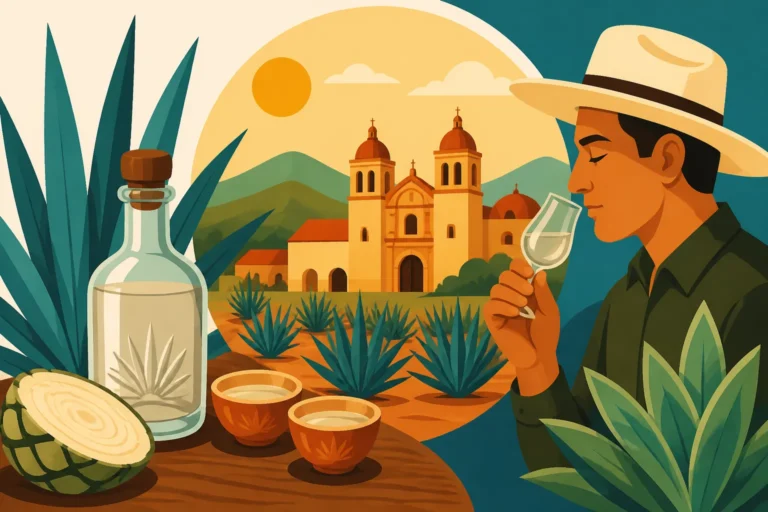
- Mezcal: You cannot be in Oaxaca and not try mezcal. While primarily produced in the central valleys, coastal towns will have excellent selections. This smoky agave spirit is meant to be sipped slowly, appreciating its complex flavors. Many bars offer tastings, and local stores sell a wide variety. If you're interested in exploring this unique spirit further, consider reading about Mezcal in Oaxaca: Tours and Tastings.
- Chapulines (Grasshoppers): For the adventurous eater, roasted grasshoppers seasoned with chili and lime are a traditional Oaxacan snack. They’re crunchy, savory, and surprisingly delicious.
Embracing the Oaxacan flavors, whether seafood or traditional inland dishes, is a significant part of the experience here.
Street Food Adventures: Tacos, Ceviches, and Aguas Frescas
No trip to Mexico is complete without diving into its vibrant street food scene, and the Pacific Coast is no exception. It’s a delicious, affordable, and incredibly authentic way to eat.
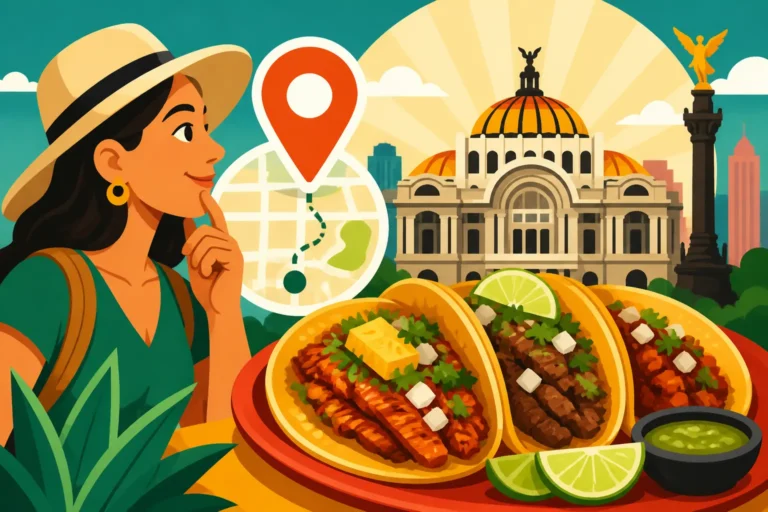
- Tacos al Pastor: While originating in Puebla, these spit-grilled pork tacos are a national obsession and can be found almost everywhere. The thinly sliced, marinated pork is often topped with pineapple, onion, and cilantro.
- Antojitos: Look for stalls selling various "little cravings" like quesadillas, sopes, huaraches, and empanadas, often made fresh on the comal (griddle) right in front of you.
- Esquites and Elotes: Corn on the cob (elote) or in a cup (esquites) slathered with mayonnaise, cheese, chili powder, and lime juice. It's a beloved snack.
- Aguas Frescas: These refreshing fruit-flavored drinks, made with fresh fruit, water, and a touch of sugar, are perfect for quenching your thirst. Favorites include jamaica (hibiscus), horchata (rice milk), and various fruit flavors like watermelon, mango, or pineapple.
- Marquesitas: More common in the Yucatán, but increasingly found on the Pacific coast, these are crispy crepes rolled up and filled with various sweet fillings, most traditionally Nutella and shredded Edam cheese.
Don't be afraid to try street food – look for stalls with a steady stream of locals, as that's usually a good sign of quality and freshness. You can even learn more about how to navigate these delicious options in our article How to Eat Tacos Like a Local in Mexico.
Planning Your Pacific Coast Adventure: Practical Tips
Embarking on a journey along Mexico's Pacific Coast requires a bit of planning to ensure a smooth and enjoyable experience. From understanding the best seasons to visit to securing comfortable accommodation and prioritizing your well-being, these practical tips will help you prepare.
Best Time to Visit: Weather and Seasons
Understanding the local climate is crucial for planning your trip to the Pacific Coast, as the weather can significantly impact your experience.
- Dry Season (November to May): This is generally considered the best time to visit. The weather is warm and sunny with minimal rain, low humidity, and pleasant breezes. Temperatures typically range from the mid-70s to low 90s Fahrenheit (24-32°C). This period is ideal for beach activities, water sports, and exploring. However, it's also peak tourist season, especially from December to April, meaning higher prices for flights and accommodations, and more crowds. This is also prime whale-watching season.
- Rainy Season (June to October): Also known as the "green season," this period brings higher humidity and more frequent rainfall, typically in the late afternoons or evenings. While it can be hot and humid, the rain often revitalizes the lush landscapes, making them incredibly vibrant. Prices for travel and lodging are generally lower during this time, and crowds thin out. However, hurricane season is officially from June to November, and while direct hits are rare on the Pacific side, tropical storms can bring heavy rains and disrupt travel plans. Surfers often appreciate the rainy season for bigger waves.
- Shoulder Seasons (May-June and October-November): These months can offer a sweet spot with good weather, fewer crowds, and more moderate prices. You might experience some occasional rain in May/June or October/November, but generally, conditions are still very enjoyable.
For more detailed climate information about specific regions, our article on When Is the Best Time of Year to Visit Mexico? offers broader insights.
Accommodation Options: From Resorts to Eco-Lodges
The Pacific Coast offers a vast spectrum of accommodation, ensuring there’s something for every budget and preference.
- Luxury Resorts and All-Inclusives: In major tourist hubs like Puerto Vallarta, Ixtapa, and Huatulco, you'll find numerous high-end resorts and all-inclusive options. These often provide extensive amenities, multiple restaurants, pools, and organized activities, offering a hassle-free vacation experience. Booking.com is an excellent resource for finding and comparing these larger establishments, often with user reviews to help you make an informed decision.
- Boutique Hotels and Guesthouses: For a more personalized and intimate experience, look for boutique hotels and charming guesthouses, especially in towns like Sayulita, San Pancho, Zihuatanejo, Mazunte, or the Zona Romántica in Puerto Vallarta. These often feature unique design, local character, and attentive service.
- Eco-Lodges and Retreats: In areas like Mazunte, Zipolite, and some parts of the Riviera Nayarit, you’ll discover eco-lodges and wellness retreats that blend seamlessly with nature, offering rustic charm, yoga, and a focus on sustainability. These are perfect for those looking to disconnect and embrace a more natural setting.
- Vacation Rentals (Airbnb, VRBO): For longer stays, families, or groups, vacation rentals are a popular choice. They offer more space, privacy, and often kitchen facilities, which can be a budget-saver. Always check reviews and host responsiveness carefully before booking.
No matter where you choose to stay, booking in advance, especially during peak season, is always a good idea to secure your preferred spot and potentially better rates.
Staying Safe and Healthy Along the Coast
Your well-being is paramount, and a few proactive steps can help ensure a smooth and healthy trip.
- Water Safety: Always drink bottled or purified water. Most reputable hotels and restaurants will use purified water for cooking and drinks, but it's wise to be cautious. Carry a reusable water bottle and refill it from large garrafones (water jugs) available everywhere.
- Sun Protection: The sun in Mexico is strong. Use high-SPF sunscreen, wear a wide-brimmed hat, sunglasses, and seek shade during the hottest parts of the day (11 AM to 3 PM). Sunburn can quickly ruin a vacation.
- Insect Repellent: Especially during the rainy season or in jungle areas, mosquitoes can be prevalent. Use insect repellent to avoid bites, which can also help prevent mosquito-borne illnesses like dengue.
- Food Safety: While Mexican street food is delicious, use common sense. Eat at busy stalls with high turnover, where food is cooked fresh and hot. Avoid food that looks like it's been sitting out for a while.
- Personal Safety: Mexico is generally safe for tourists, but like any travel destination, common-sense precautions are essential. Be aware of your surroundings, avoid walking alone at night in poorly lit areas, and don't flash expensive jewelry or electronics. Keep an eye on your belongings, especially in crowded places.
- Emergency Contacts: Know the local emergency number (911 in Mexico). Consider registering with your country's embassy or consulate, which can provide assistance in an emergency. For medical emergencies, it’s always wise to have travel insurance or a local plan like those discussed in Medical Emergencies in Mexico: What Expats Should Know and Prepare.
By being mindful of these practical tips, you can fully relax and enjoy the incredible experiences that Mexico's Pacific Coast has to offer.
Disclaimer
Please remember that while I strive to provide accurate and up-to-date information, circumstances in Mexico can change rapidly. Always cross-reference crucial details like entry requirements, safety advisories, and financial regulations with official government sources and reputable local experts. This guide is for informational purposes only and should not be considered legal, medical, or financial advice. Travel insurance is highly recommended for all visitors and residents in Mexico.