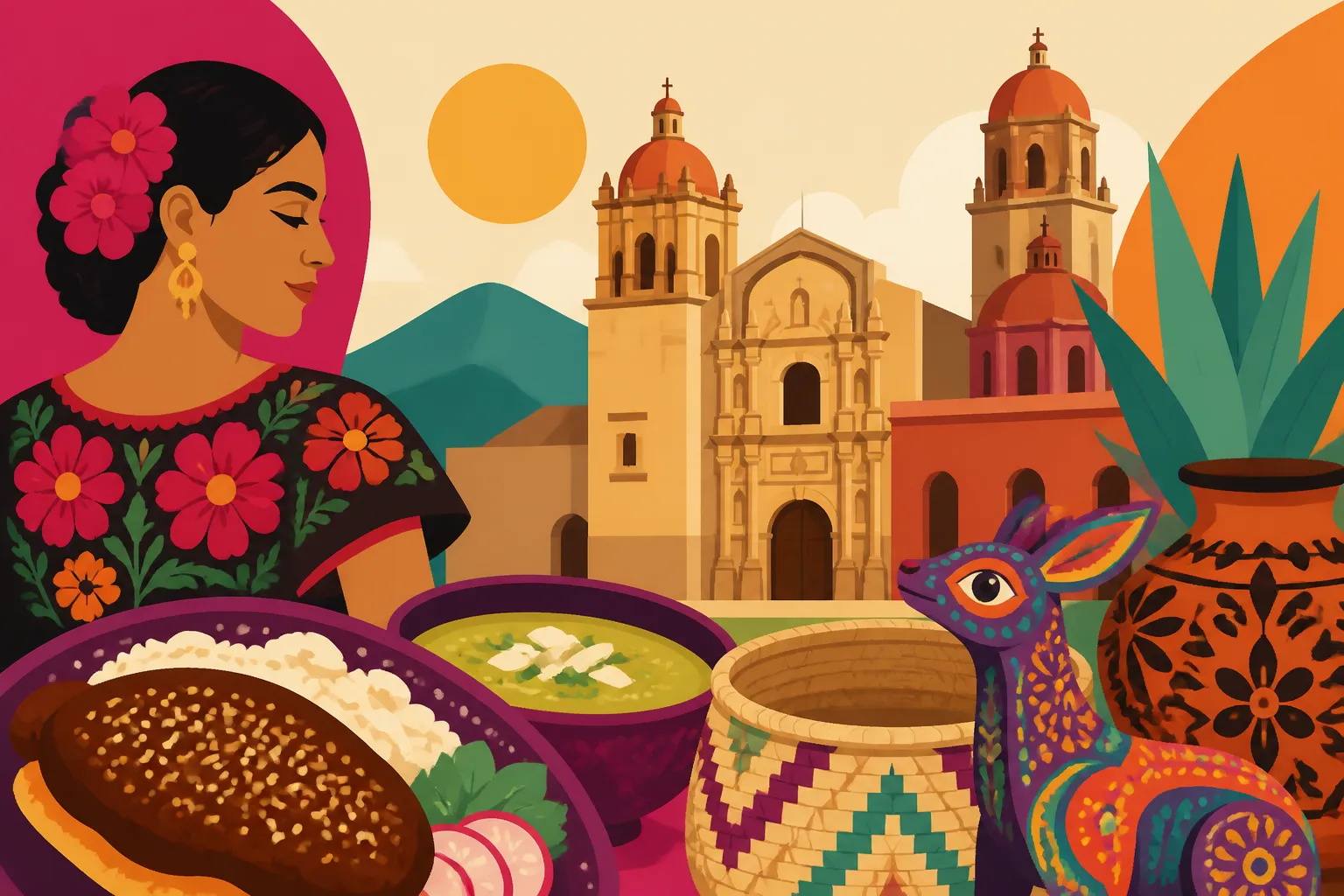
Oaxaca: Food, Crafts, and Culture
Oaxaca. The name itself conjures images of vibrant markets, ancient traditions, and flavors that dance on your palate, yet for many newcomers, the sheer richness can feel a bit overwhelming to truly dive into. This guide aims to peel back the layers of Oaxaca’s incredible food, artisan crafts, and deep-rooted culture, helping you navigate this captivating state like a seasoned explorer.
Oaxaca's Culinary Soul: A Gastronomic Journey
If Mexico is a culinary powerhouse, then Oaxaca is undeniably its beating heart, a designated UNESCO World Heritage site for its gastronomy. This isn't just about eating; it's about an experience, a connection to the land and its people that permeates every bite. Forget any preconceived notions; Oaxacan cuisine is a universe unto itself.
Disclosure: This post may contain affiliate links. We may earn a commission at no extra cost to you if you make a purchase through these links. Read full disclosure.
The Magnificent Seven Moles and Beyond
You simply cannot talk about Oaxacan food without immediately delving into mole. This isn't your grandma's mole, unless your grandma happens to be a culinary genius from a remote Oaxacan village. The state is famous for its "Seven Moles," each a complex symphony of chiles, spices, nuts, seeds, and sometimes chocolate, slow-cooked to perfection. There's mole negro, the rich, dark king; mole coloradito, a lighter, sweeter cousin; mole amarillo, often found with chicken and vegetables; mole verde, herbaceous and fresh; mole chichilo, a rarer, smoky delight; mole rojo, vibrant and spicy; and estofado, a hearty stew-like mole.
Trying these moles isn't just about picking a favorite; it's about understanding the painstaking process, the generations of knowledge passed down through families. Many restaurants, like the renowned Casa Oaxaca or Origen, offer tasting menus where you can sample several varieties, often served with tender chicken or pork and a side of fluffy white rice. Don't be shy about asking your server which mole pairs best with what; they'll often have passionate recommendations. For a more hands-on approach, consider a cooking class. Many local chefs open their kitchens to visitors, offering an immersive dive into the history and preparation of these iconic dishes. You'll spend hours grinding ingredients, stirring pots, and ultimately enjoying the fruits of your labor, truly appreciating the effort that goes into each complex sauce.
Street Food, Markets, and Mezcal
Beyond the moles, Oaxaca’s streets and markets are a foodie’s paradise. You’ll find tlayudas, often called "Oaxacan pizzas," large crispy tortillas spread with asiento (unrefined pork lard), black beans, quesillo (Oaxacan string cheese), and topped with various meats, usually tasajo (thinly sliced beef) or cecina (pork). They're traditionally served open-faced, but street vendors often fold them in half for easy eating. Then there are chapulines, or grasshoppers, a crunchy, protein-packed snack seasoned with chile, lime, and salt. It sounds adventurous, and it is, but they are surprisingly addictive once you get past the initial apprehension. You’ll see huge mounds of them sold in the markets.
The central markets, like Mercado Benito Juárez and Mercado 20 de Noviembre, are essential stops. Here, you'll find everything from freshly ground chocolate for hot chocolate (often spiced with cinnamon and almonds) to artisanal cheeses, exotic fruits, and the famous pan de yema, a sweet, eggy bread perfect for dipping. Inside Mercado 20 de Noviembre, look for the "Pasillo de Humo" or "Smoke Aisle," a carnivore's dream where you pick your cuts of meat, and they're grilled right in front of you over open coals. It’s a sensory overload of sights, sounds, and incredible aromas. This is a place where locals and tourists rub shoulders, sharing long communal tables, savoring the smoky goodness.
And, of course, there’s mezcal. Oaxaca is the undisputed capital of mezcal production, the agave spirit that has recently taken the world by storm. Unlike tequila, which must be made from only blue agave and steamed, mezcal can be made from over 30 varieties of agave, each roasted in earthen pits before distillation, giving it its characteristic smoky flavor. Visiting a palenque (mezcal distillery) is a fascinating experience, often a family-run operation where you can see the entire process, from the agave plants roasting to the fermentation and distillation, and of course, indulge in tastings. Many tours can be booked through services like Viator, taking you to smaller, traditional producers outside the city where you can learn directly from the maestros mezcaleros. Remember, mezcal is meant to be sipped slowly, "kissed," as the locals say, to appreciate its complex notes. You can learn more about this incredible spirit in our guide on Tequila, Mezcal, and Mexican Drinking Culture.
| Oaxacan Culinary Delights | Description | Where to Find |
|---|---|---|
| Mole Negro | The darkest, richest, and most complex mole, often with notes of chocolate, nuts, and a myriad of chiles. | Fine dining restaurants (Casa Oaxaca, Origen), local fondas |
| Tlayudas | Large, crispy tortillas topped with beans, cheese, and choice of meat, often grilled over coals. | Street food stalls, Mercado 20 de Noviembre |
| Chapulines | Roasted grasshoppers seasoned with chile, lime, and salt; a crunchy, popular snack. | Mercado Benito Juárez, street vendors |
| Quesillo | Also known as Oaxacan string cheese, a firm, mild, and meltable cheese. | Markets, almost any restaurant serving traditional dishes |
| Mezcal | Agave spirit known for its smoky flavor, produced through a traditional roasting and distillation process. | Mezcalerías, palenques (distilleries) outside the city |
| Chocolate de Agua | Traditional Oaxacan hot chocolate, often spiced with cinnamon, prepared with water for a lighter taste. | Cafes, Mercado Benito Juárez, chocolate shops |
Artisan Heartbeat: Exploring Oaxaca's Rich Craft Traditions
Oaxaca isn't just a treat for the taste buds; it's a feast for the eyes and a testament to generations of artistic skill. The region is renowned for its diverse and intricate artisan crafts, each village often specializing in a particular art form, making a trip outside Oaxaca City well worth it.
Textiles of Teotitlán del Valle
A short drive from Oaxaca City lies Teotitlán del Valle, a Zapotec village famous for its hand-woven wool rugs and textiles. Here, families have been practicing the art of weaving for centuries, passing down techniques and designs. What makes these textiles truly special is the use of natural dyes. Artisans extract vibrant colors from cochineal insects (producing a stunning range of reds, pinks, and purples), indigo plants (for blues), moss, bark, and even pomegranate skins. You can visit family workshops where they'll demonstrate the entire process, from carding and spinning the wool to creating intricate patterns on massive looms.
You'll quickly realize that buying a rug or textile here isn't just a purchase; it's an investment in a piece of cultural heritage and countless hours of meticulous work. Don't be afraid to ask about the dyes and the weaving process – the artisans are often proud to share their traditions. When considering a purchase, remember that while bargaining is part of the experience in local markets, these are often direct sales from the artisans themselves, so be respectful of their pricing, especially given the effort involved. Consider this a chance to take home a truly authentic souvenir, rather than something mass-produced.
Barro Negro Pottery of San Bartolo Coyotepec
Another fascinating artisan tradition is the barro negro (black pottery) from San Bartolo Coyotepec. This distinctive pottery, characterized by its sleek, polished black finish, is made from a special grey clay unique to the region. The magic happens during the firing process. After shaping, drying, and meticulously polishing the clay with quartz stones, the pieces are fired in an underground kiln at a lower temperature than regular pottery. At a precise moment, the kiln's vents are closed, starving the fire of oxygen, which results in the clay turning a deep, lustrous black.
Visiting the workshops in San Bartolo Coyotepec allows you to witness the artisans skillfully shaping the clay, often without a potter's wheel, relying on traditional techniques. The range of items produced is vast, from practical serving dishes to delicate decorative sculptures and intricate figurines. Each piece tells a story, and the smooth, reflective surface of the barro negro makes it a beautiful addition to any home. The municipality even has a dedicated museum, the Museo Estatal de Arte Popular de Oaxaca (MEAPO), which showcases the history and evolution of this unique craft, as well as other folk art from the state.
Alebrijes: Whimsical Wood Carvings of San Martín Tilcajete
Prepare to be enchanted by alebrijes, the fantastical, brightly colored wood carvings that originated in Mexico City but found a vibrant, distinct expression in Oaxaca, particularly in the village of San Martín Tilcajete. These aren't just toys; they are incredibly detailed sculptures of mythical creatures, animals, and imaginative beings, often painted with intricate patterns and designs. Each alebrije is hand-carved from copal wood, a local tree, and then meticulously painted with an array of vibrant, often psychedelic colors.
The process of creating an alebrije is truly a labor of love. The carving can take days, weeks, or even months, depending on the size and complexity, and then the painting begins, with families often working together on different stages. The designs and colors are said to be inspired by dreams and visions. When you visit a workshop, you'll see artisans at every stage, from raw wood to the finished, dazzling creations. Many carvers believe that each alebrije has a spirit, and choosing one is a connection. Learning about the process from the families themselves, who often welcome visitors into their homes and workshops, is a highlight. You can often arrange these visits via tour operators or directly through recommendations from local guides. It's a wonderful opportunity to support local artisans directly and understand the profound cultural significance behind their art.
A Tapestry of Traditions: Cultural Immersion in Oaxaca
Oaxaca's culture is not something you merely observe; it's something you feel, hear, and participate in. From ancient ruins that whisper tales of forgotten empires to vibrant festivals that explode with color and sound, the state offers endless opportunities for genuine cultural immersion. Understanding Mexican Etiquette and Customs can certainly enhance your experience here.
Ancient Echoes: Monte Albán and Zapotec Legacy
Just a short drive from Oaxaca City, perched atop a flattened mountain, lies the awe-inspiring archaeological site of Monte Albán. This ancient Zapotec capital, founded around 500 BC, was one of the earliest cities in Mesoamerica and a major socio-political and economic center for over a thousand years. Walking through its vast plazas, observing the ball court, the observatory, and the intricate carvings of "the Dancers," you can almost hear the echoes of a civilization that once thrived here. The panoramic views of the Oaxaca Valley from this vantage point are breathtaking and provide context to the strategic importance of the city.
Allow several hours to explore Monte Albán fully, wear comfortable shoes, and bring water. There's a small museum at the entrance with artifacts and explanations, which is highly recommended before you ascend to the ruins. Guides are available for hire at the site, and their insights can truly bring the history to life, explaining the complex cosmology, rituals, and societal structures of the Zapotec people. Consider booking a guided tour through platforms like Viator for a more comprehensive experience that often includes transportation and expert commentary.
Festivals and Celebrations: Día de Muertos and Guelaguetza
Oaxaca is perhaps most famous globally for its spectacular Día de Muertos (Day of the Dead) celebrations. This isn't a somber occasion, but a joyous, colorful reunion between the living and the dead. The city comes alive with elaborate altars (ofrendas) adorned with marigolds, candles, photographs, and the favorite foods and drinks of deceased loved ones. Cemeteries become places of festive vigil, with families picnicking, playing music, and decorating graves. Competing comparsas (parades of costumed revelers) fill the streets with music, dancing, and elaborate papier-mâché figures, creating an unforgettable atmosphere.
Another iconic Oaxacan festival is the Guelaguetza, held every July. This ancient Zapotec celebration, meaning "reciprocal exchange of gifts," brings together indigenous communities from across the state. Each community performs traditional dances and music in their vibrant regional costumes, showcasing their unique heritage. At the end of their performance, they throw gifts—ranging from pineapples to artisan crafts—to the audience, embodying the spirit of communal sharing. Securing tickets for the main event at the Auditorio Guelaguetza requires planning well in advance, but the city itself buzzes with parallel celebrations, concerts, and spontaneous street performances throughout the festival period. These events are truly immersive experiences into Festivals, Holidays, and Traditions in Mexico.
Navigating Oaxaca City and Beyond: Practical Tips
Getting around Oaxaca can feel like a labyrinth at first, but with a few pointers, you'll be zipping between sights like a local. Whether you're staying within the charming colonial city or venturing out to artisan villages and ancient sites, understanding your transport options is key.
Getting Around: Walking, Taxis, and Colectivos
Oaxaca City's historic center is incredibly walkable, and honestly, it's the best way to experience its charm. You'll stumble upon hidden courtyards, vibrant street art, and quaint cafes simply by wandering the cobblestone streets. However, for longer distances or trips outside the immediate center, you have several options.
Taxis are plentiful and relatively affordable. Always confirm the fare before you get in, as meters are rare. Most drivers are honest, but it's good practice to have an idea of the typical cost for your destination (e.g., from your hotel to Monte Albán). Ride-sharing apps like Uber or Didi are available in Oaxaca City, offering a convenient way to get around with transparent pricing.
For venturing to the surrounding artisan villages (Teotitlán del Valle, San Bartolo Coyotepec, San Martín Tilcajete) or even to Monte Albán, colectivos are a popular and budget-friendly choice. These are shared taxis or vans that operate on fixed routes. You'll typically find them congregated at specific departure points in Oaxaca City, often near markets or major avenues. Just tell the driver your destination, and they'll let you know if they're heading that way. Be prepared for a less direct route as they pick up and drop off other passengers, but it's an authentic local experience and a fraction of the cost of a private taxi.
Staying Safe and Connected
Like any popular tourist destination, Oaxaca generally feels safe, especially in the main tourist areas and during the day. However, it's always wise to practice general travel safety. Keep an eye on your belongings, especially in crowded markets or on public transport. Avoid walking alone late at night in unlit areas. For more comprehensive advice, consult our guide on Safety in Mexico: What Expats Need to Know About Staying Safe.
When it comes to staying connected, reliable internet and mobile service are readily available. Many cafes and restaurants offer free Wi-Fi. For mobile data, purchasing a local SIM card from providers like Telcel or AT&T is straightforward and inexpensive. This ensures you have access to maps, translation apps, and communication on the go. Many phones nowadays support eSIMs, making it even easier to get data without switching physical cards.
Language can sometimes be a barrier, but in the main tourist areas, you'll often find English speakers, particularly in hotels, high-end restaurants, and tour agencies. However, learning a few basic Spanish phrases will go a long way in enriching your experience and earning you appreciation from locals. Simple greetings like "Hola," "Gracias," "Por favor," and phrases to ask for directions or prices can make a big difference. Our guide on Spanish Language and Everyday Communication for Visitors is an excellent resource to get started.
Planning Your Oaxaca Adventure: Logistics and Accommodation
Embarking on a journey to Oaxaca requires a little planning to ensure a smooth and enjoyable trip. From deciding the best time to visit to finding the perfect place to lay your head, getting the logistics right sets the stage for an unforgettable experience.
When to Visit Oaxaca
Oaxaca enjoys a relatively mild climate year-round due to its altitude, but there are distinct seasons that might influence your visit. The dry season, from October to May, offers sunny days and comfortable temperatures. This period includes some of Oaxaca's most celebrated events, such as Día de Muertos (late October/early November) and the December holidays, including the Noche de Rábanos (Night of the Radishes) on December 23rd. If you plan to visit during these popular times, book your flights and accommodations well in advance.
The rainy season, from June to September, brings occasional afternoon showers, which often clear to reveal lush, green landscapes. While rain can be a factor, it's also when the Guelaguetza festival takes place in July, an absolutely unmissable cultural event. Prices for flights and hotels might be slightly lower during the rainy season, offering a more budget-friendly option if you don't mind a little precipitation. Regardless of the season, packing layers is a good idea, as evenings can be cool, especially in the higher elevations.
Getting There and Around Mexico
Most international travelers fly into Oaxaca International Airport (XOX). From there, taxis are readily available to take you to the city center, about a 20-30 minute drive. If you're coming from other major cities in Mexico, such as Mexico City or Puebla, long-distance buses are an excellent, comfortable, and affordable option. Companies like ADO offer first-class services with reclining seats, air conditioning, and even movies. You can research routes and book tickets in advance through platforms like Busbud, which simplifies finding the best connections. For more details on inter-city travel, check out our guide on Long-Distance Buses in Mexico: ADO and Premium Lines.
Once you're in Oaxaca, domestic flights can connect you to other parts of Mexico if you're planning a multi-state adventure. However, for exploring Oaxaca's unique charm, a combination of walking, local taxis, and colectivos will serve you well. Renting a car is an option, but not strictly necessary unless you plan extensive day trips to very remote areas, and navigating city traffic and parking can be challenging.
Accommodation Options
Oaxaca City offers a wide range of accommodation styles to suit every budget and preference. From luxurious boutique hotels housed in beautifully restored colonial buildings to charming guesthouses and budget-friendly hostels, you'll find something that fits your needs. Many travelers enjoy staying in the historic center, as it puts you within walking distance of the main zócalo, Santo Domingo Church, markets, and countless restaurants. Neighborhoods like Reforma or Xochimilco also offer excellent choices, often a bit quieter but still with good access to the city's attractions.
When looking for accommodation, consider using platforms like Booking.com, which offer a vast selection of hotels, apartments, and guesthouses with traveler reviews. If you're staying for an extended period or prefer a more independent experience, vacation rentals found on sites like Airbnb are also popular. Always consider booking in advance, especially if your visit coincides with popular festivals or peak tourist seasons. For general advice on finding a place to stay across the country, our guide on Accommodation in Mexico: Hotels, Hostels, and Rentals can provide helpful insights.
Disclaimer
The information provided in this guide is intended for general informational purposes only. While we strive to offer accurate and up-to-date advice for expats and tourists in Mexico, circumstances can change rapidly. We recommend verifying specific details, such as travel regulations, visa requirements, business operating hours, and local prices, with official sources or local experts before making any decisions. Always exercise personal judgment and consult with relevant professionals for legal, financial, or medical advice tailored to your individual situation.