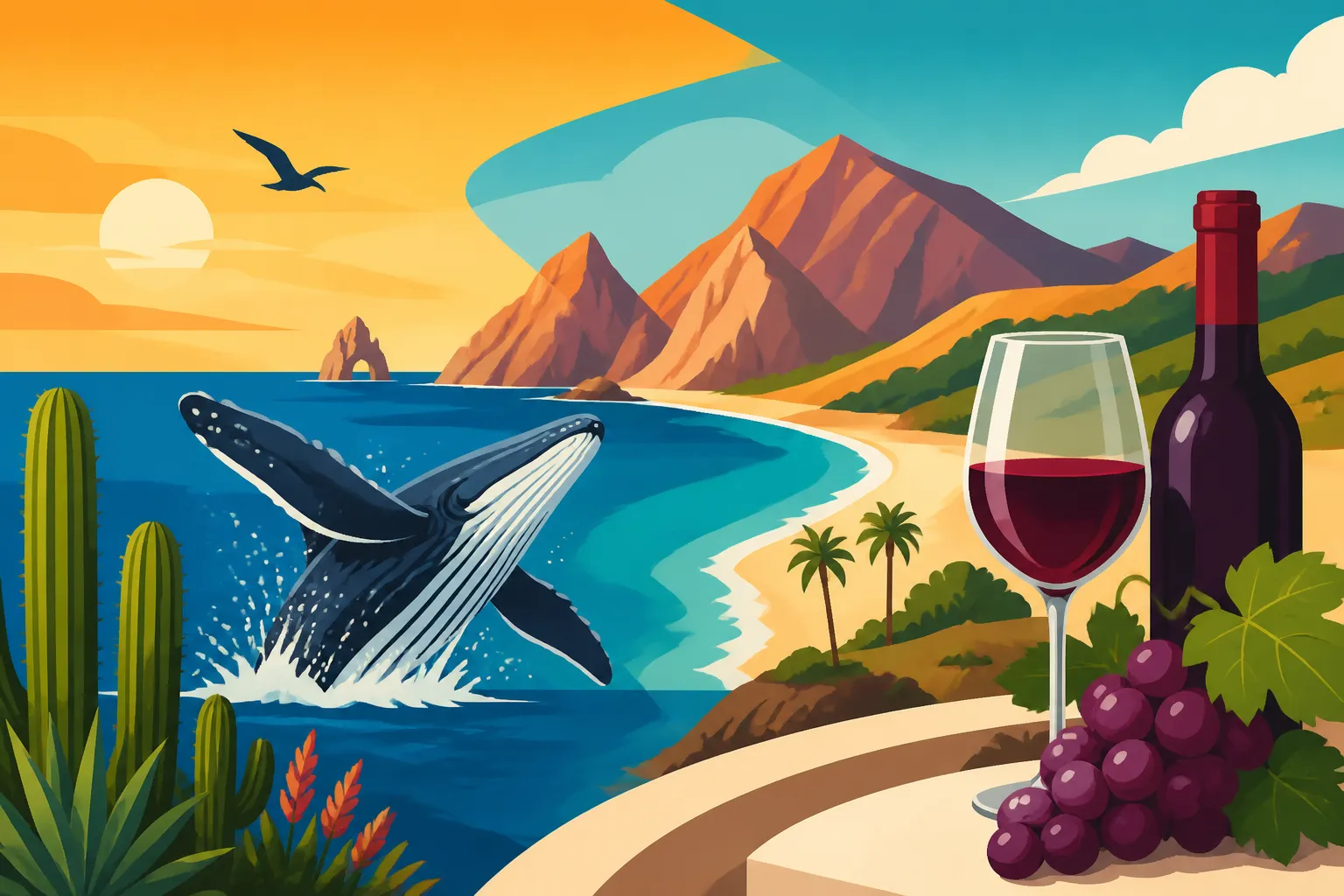
Baja California: Beaches, Wine, and Whale Watching
For many of us who dream of life south of the border, the very mention of "Baja California" conjures up images of dusty border crossings, spring break shenanigans, or maybe just a quick trip for some tacos. But let me tell you, that perception barely scratches the surface of what this incredible peninsula truly offers. Having crisscrossed Baja countless times, I've learned that it's a place of stunning contrasts, where ancient deserts meet azure seas, and world-class wine flows just a stone's throw from some of the planet's most spectacular wildlife encounters. If you're looking to explore beyond the usual tourist haunts and dive deep into a region that boasts incredible natural beauty, burgeoning culinary scenes, and adventures galore, then this guide is for you.
Disclosure: This post may contain affiliate links. We may earn a commission at no extra cost to you if you make a purchase through these links. Read full disclosure.
Welcome to Baja California: More Than Just Border Towns
Baja California, often simply called "Baja," is that long, skinny finger of land reaching south from the U.S. border, separating the Pacific Ocean from the Sea of Cortez. It’s not just a single state, but two: Baja California (the northern state) and Baja California Sur (the southern state). This distinction is crucial, as each offers a remarkably different experience, yet both share that undeniable Baja spirit of adventure and relaxation. From the bustling border cities of Tijuana and Mexicali to the tranquil coves of Los Cabos, Baja California presents a kaleidoscope of experiences for expats and travelers alike.
Understanding the Two Bajos
The northern state, Baja California, is where you'll find the famed Valle de Guadalupe wine region, the vibrant city of Tijuana, and the more rugged, often wind-swept Pacific coastlines. It’s a place of dramatic cliffs, expansive desert landscapes, and a rapidly evolving gastronomic scene that often blends traditional Mexican flavors with international influences. This part of Baja is easily accessible from Southern California, making it a popular weekend getaway for many, but it deserves a deeper dive. Its climate tends to be more temperate, with cooler winters and hot, dry summers in the interior.
As you venture further south, past the 28th parallel, you cross into Baja California Sur. This is where the landscape transforms, becoming more arid and truly tropical as you approach the tip of the peninsula. Here, you'll discover the sparkling turquoise waters of the Sea of Cortez, the iconic arch of Cabo San Lucas, and the laid-back vibe of towns like La Paz and Loreto. The climate here is generally warmer year-round, making it a prime destination for water activities and soaking up the sun. The cultural feel also shifts, often feeling more overtly "resort-focused" in certain areas, but still retaining that authentic Mexican charm if you know where to look.
Why Baja Captivates Expats and Travelers
What draws so many to Baja, year after year? It's the sheer diversity, for starters. You can spend your mornings surfing Pacific swells, your afternoons sipping fine wine in a vineyard, and your evenings dining on fresh-caught seafood under a blanket of stars. For expats, the proximity to the U.S. border offers a unique blend of familiar comforts and new adventures, making it an easier transition for many than moving further into mainland Mexico. The cost of living can be quite varied; while places like Cabo San Lucas can be pricey, smaller towns offer more affordable options. Plus, the sense of community in many expat havens, combined with the warmth of the local Mexican culture, creates a truly special environment. Whether you're seeking tranquil retirement or an active digital nomad lifestyle, Baja has a corner waiting for you.
Unveiling Baja's Pristine Coastlines: Beaches for Every Mood
Baja California is a paradise for beach lovers, offering thousands of miles of coastline along both the Pacific Ocean and the Sea of Cortez. Each side has its own unique character, from wild, rugged surfing spots to calm, swimmable coves perfect for families.
Northern Baja's Iconic Shores
In Northern Baja, along the Pacific coast, the beaches often boast dramatic cliffs and powerful waves, making them a magnet for surfers. Places like Rosarito Beach are well-known for their wide sandy expanses, popular for horseback riding, ATV rentals, and lively weekend crowds. It's a fun, energetic atmosphere, often with vendors selling everything from fresh coconuts to handicrafts. Further south, near Ensenada, you'll find Playa Hermosa, another expansive beach popular with locals and tourists alike, great for a stroll or a casual beach day.
However, if you're looking for something a bit more off the beaten path, consider exploring the hidden coves around La Bufadora, the famous marine geyser. These smaller, more secluded beaches require a bit more effort to reach but reward you with stunning views and fewer crowds. Remember, the Pacific waters in Northern Baja can be quite chilly, even in summer, so be prepared if you plan to swim. Always pay attention to warning flags, as undertows can be strong, especially after storms.
Southern Baja's Tropical Paradises
Once you cross into Baja California Sur, the beaches take on a decidedly more tropical feel, especially along the Sea of Cortez. This body of water, famously called the "Aquarium of the World" by Jacques Cousteau, is renowned for its calm, warm, and incredibly clear turquoise waters, teeming with marine life.
In Los Cabos, you have famous stretches like Medano Beach, which is the heart of activity in Cabo San Lucas. Here, you can find everything from jet ski rentals to glass-bottom boat tours to El Arco, and plenty of beachfront bars and restaurants. It’s bustling, vibrant, and incredibly popular. If you prefer something a bit quieter but still with amenities, head to Santa Maria Beach or Chileno Beach, both protected coves perfect for snorkeling and swimming, often frequented by families.
Moving north along the Sea of Cortez, La Paz offers stunning city beaches like Playa Balandra, often cited as one of Mexico's most beautiful beaches with its shallow, tranquil waters and iconic mushroom-shaped rock formation. It's truly a postcard-perfect spot for kayaking and paddleboarding. Further up, Loreto boasts beautiful islands and calm waters, ideal for diving, fishing, and exploring secluded beaches accessible only by boat. Remember that many of these pristine locations are protected, so always respect local regulations and leave no trace. For deeper insights into enjoying Mexico's coasts, check out our guide on Beaches and Coastal Mexico: Caribbean and Pacific.
Beach Safety and Etiquette
While Baja's beaches are incredibly inviting, it's crucial to prioritize safety. Always be aware of strong currents and undertows, particularly on the Pacific side. Many popular beaches have lifeguards and warning flags (red for dangerous conditions, yellow for caution, green for safe swimming), so pay attention to these. Never swim alone, especially in more remote areas.
When it comes to etiquette, remember to always dispose of your trash properly. Many beaches, especially the more pristine ones, rely on visitors to help keep them clean. If you're visiting a more local beach, it's often customary to purchase drinks or snacks from local vendors if you plan to use their facilities or shade. It's also wise to keep an eye on your belongings, as with any popular tourist destination. Most importantly, relax, soak it all in, and enjoy the incredible natural beauty that Baja's coastlines offer.
A Toast to Baja's Terroir: Exploring the Valle de Guadalupe Wine Route
Beyond its breathtaking coastlines, Baja California holds a hidden gem that often surprises first-time visitors: a burgeoning wine region rivaling some of the best in the world. The Valle de Guadalupe, just a short drive inland from Ensenada, has transformed from a dusty agricultural valley into Mexico's premier wine country.
The Rise of Mexican Wine
For centuries, winemaking in Mexico was primarily for sacramental purposes or overshadowed by imported spirits. However, in the last few decades, a quiet revolution has been brewing in the Valle de Guadalupe. Driven by passionate winemakers, many trained internationally, and a unique Mediterranean-like microclimate, the valley has seen an explosion of boutique wineries and high-quality vineyards. The soil, a mix of clay and granite, combined with warm days and cool ocean breezes, creates ideal conditions for a diverse range of grape varietals.
Today, the Valle de Guadalupe produces about 90% of Mexico's wine, with a focus on varietals like Cabernet Sauvignon, Merlot, Nebbiolo, Tempranillo, Chardonnay, and Sauvignon Blanc. What makes the experience truly special is the fusion of old-world techniques with new-world innovation, often resulting in bold, expressive wines that reflect the unique Baja spirit. It's a delightful surprise for anyone expecting only tequila south of the border!
Navigating the Valle de Guadalupe
Exploring the Valle de Guadalupe is an experience in itself. The "wine route" isn't a single, paved road but a network of often unpaved, dusty roads leading to over 100 wineries, ranging from grand, established estates to charming, family-run operations. You can find everything from modern, architectural marvels like Bruma or Vena Cava, known for their innovative designs and excellent wines, to more rustic, intimate tasting rooms offering a personal touch.
Many visitors opt to hire a driver or join a tour group from Ensenada or Tijuana. This is highly recommended, not just for responsible drinking but also because navigation can be tricky, and cell service patchy in some areas. A typical day might involve visiting 3-4 wineries, each offering unique tasting experiences, often paired with small bites of local cheese or charcuterie. Be sure to book appointments, especially on weekends or during peak season, as many smaller wineries operate by reservation only. For those interested in deeper dives into regional culture, check out our guide on Mexican Food Culture: Eating and Drinking as a Visitor and Tequila, Mezcal, and Mexican Drinking Culture.
Beyond the Vineyards: Culinary Delights
The wine region isn't just about grapes; it's also a celebrated culinary destination. The "Baja Med" cuisine movement, which blends Mediterranean, Asian, and traditional Mexican influences, was born here. Wineries often host their own acclaimed restaurants, many of them "campestre" (countryside) style, where open-air kitchens serve farm-to-table dishes cooked over wood fires. Imagine savoring fresh seafood tacos, grilled octopus, or slow-roasted lamb, all paired perfectly with a glass of local wine, surrounded by vineyards and olive groves.
Notable restaurants include Deckman's en el Mogor, set under ancient oak trees, and Animalón, known for its exquisite tasting menus. Reservations for these popular spots are essential, often weeks in advance. Many smaller eateries and food trucks also dot the landscape, offering more casual yet equally delicious options. This holistic approach to food and wine makes the Valle de Guadalupe a truly immersive sensory experience that few other wine regions can match.
Majestic Encounters: Whale Watching in Baja California
If the thought of seeing magnificent whales up close sends shivers down your spine, then Baja California needs to be at the top of your travel list. The peninsula is globally renowned as one of the best places in the world for whale watching, thanks to the annual migration of several whale species to its warm, protected waters.
The Annual Migration Spectacle
Every winter, typically from late December to April, an incredible natural phenomenon unfolds along Baja's coasts: thousands of gray whales, humpback whales, blue whales, and other cetaceans migrate from their cold Arctic feeding grounds to the warmer, nutrient-rich lagoons and coastal waters of Baja California. They come here to mate, give birth, and nurse their young before making the long journey back north.
The star of the show is often the Pacific Gray Whale, known for its incredible journey and its curious, friendly nature. In certain lagoons, these "friendly giants" are known to approach pangas (small fishing boats), allowing passengers to pet and interact with them – an experience often described as profoundly moving and unforgettable. Humpback whales, with their acrobatic breaches and mesmerizing tail slaps, are also a common sight, particularly off the Pacific coast and in the Sea of Cortez.
Best Spots and Seasons for Whale Watching
While whales can be spotted almost anywhere along Baja's coasts during the migration season, some locations are particularly famous for guaranteed sightings and even interactions.
-
Pacific Lagoons (Baja California Sur): The shallow, protected lagoons on the Pacific side of Baja California Sur are the primary calving and nursing grounds for gray whales.
- Bahía Magdalena (Magdalena Bay): This is arguably the most famous spot, easily accessible from towns like Puerto San Carlos or Lopez Mateos. It offers exceptionally high chances of "friendly whale" encounters. Many tours depart from here.
- Ojo de Liebre (Scammon's Lagoon): A designated whale sanctuary, slightly harder to access but offering a truly pristine and regulated experience.
- Laguna San Ignacio: Another UNESCO World Heritage site known for its friendly gray whales and more remote, ecotourism-focused tours.
-
Sea of Cortez (Baja California Sur): For humpback whales and sometimes even blue whales (the largest animal on Earth), the waters of the Sea of Cortez are prime.
- Los Cabos: During peak season, humpbacks are frequently seen breaching and spouting just offshore. Many tour operators, like those found on Viator, depart daily from Cabo San Lucas and San José del Cabo.
- La Paz: Excellent for spotting a variety of whales, including humpbacks and sometimes even orcas. The nutrient-rich waters here attract a diverse range of marine life.
- Loreto: Also offers fantastic opportunities for whale watching, especially for blue whales in the deeper waters further out.
The absolute peak season for gray whale interactions in the lagoons is typically February and March, while humpback whale sightings in the open ocean are generally best from January to April. If you're planning your trip around these majestic creatures, scheduling your visit within these months will maximize your chances.
Choosing a Responsible Tour Operator
When selecting a whale watching tour, it's paramount to choose a responsible operator who prioritizes the well-being of the whales and adheres to strict regulations. Look for companies that:
- Are certified by CONANP (Comisión Nacional de Áreas Naturales Protegidas) or other reputable environmental organizations.
- Maintain a safe distance from whales, only allowing them to approach voluntarily (especially critical in the interaction lagoons).
- Limit boat numbers and time spent with whales to minimize disturbance.
- Employ knowledgeable, bilingual guides who can educate you about whale behavior and conservation.
- Use smaller, eco-friendly boats when possible.
Many local operators offer excellent services, and platforms like Viator can help you find and book reputable tours, often with reviews from previous travelers. Always inquire about their conservation practices before booking. Remember, this is a privilege, not a right, to witness these incredible animals in their natural habitat, and responsible tourism ensures their continued protection.
Getting Around Baja: Roads, Flights, and Transportation Tips
Navigating Baja California, particularly if you plan to explore beyond a single city or resort, requires a bit of planning. The peninsula is long, and transportation options vary significantly from north to south.
Driving in Baja: What to Expect
For many, a Baja adventure means hitting the road. Driving offers unparalleled freedom to explore hidden beaches, remote wineries, and charming towns at your own pace. The main artery is Mexico's Federal Highway 1 (Carretera Federal 1), which runs the entire length of the peninsula, from Tijuana to Cabo San Lucas.
- Road Conditions: While Highway 1 is generally paved, conditions can vary. In the north, it’s mostly well-maintained, but as you head south, you'll encounter sections that are narrower, winding, and sometimes riddled with potholes, especially after heavy rains. Many of the roads leading to smaller towns or vineyards in Valle de Guadalupe are unpaved dirt roads.
- Safety: Always drive defensively. Mexican drivers can be aggressive, and livestock (cows, goats) can wander onto the road, particularly in rural areas or at night. Avoid driving at night if possible, especially on Highway 1 outside of major towns, due to poor lighting and potential hazards. Speed limits are usually clearly marked in kilometers per hour.
- Mexican Car Insurance: This is non-negotiable. Your U.S. or Canadian car insurance is typically not valid in Mexico. You must purchase separate Mexican liability insurance. Companies like Baja Bound or Sanborns offer comprehensive policies online. Without it, you could face significant legal and financial headaches in the event of an accident.
- Gas Stations: Pemex is the national gas company, but you'll also see other brands. Attendants will pump your gas; it's customary to tip a few pesos. Always check that the pump is reset to zero before they start, and confirm the amount before paying.
- Border Crossings: Crossing the border by car can be slow, especially heading north back into the U.S. Check wait times online (e.g., CBP Border Wait Times) before you go. Ensure you have your passport and any necessary vehicle permits.
For more detailed driving advice, our guide on Renting a Car in Mexico: Insurance and Driving Tips provides excellent information.
Flights and Ferries for Longer Journeys
If driving the entire length of Baja seems daunting, or if you're short on time, domestic flights are a convenient option. Major airports include:
- Tijuana (TIJ): Serves Northern Baja and has a unique "Cross Border Xpress" (CBX) bridge directly connecting it to a terminal in San Diego, making it very accessible for U.S. travelers.
- La Paz (LAP): A key hub for central Baja Sur.
- San José del Cabo (SJD): The busiest airport in Baja Sur, serving the Los Cabos region with many international and domestic flights.
Airlines like Volaris, Viva Aerobus, and Aeromexico operate frequent flights connecting these cities and to mainland Mexico. You can find competitive fares on platforms like Booking.com, which can also help with accommodation packages.
For travel between Baja California Sur and mainland Mexico, especially to states like Sinaloa, ferries are available. Services typically run from La Paz and Pichilingue (just outside La Paz) to Mazatlán and Topolobampo (near Los Mochis). This is a popular option for those bringing their vehicles to or from the mainland. Tickets can be purchased directly at the ferry terminals or sometimes through agents.
Public Transportation and Ride Shares
Within cities and larger towns, public transportation options exist, though they vary in quality and coverage.
- Buses: Local buses are generally very affordable and cover main routes in cities like Tijuana, Ensenada, La Paz, and Cabo San Lucas. Inter-city buses, particularly with companies like Autobuses Aguila (part of the Busbud network), connect larger towns and are a comfortable and safe way to travel longer distances without a car. For instance, you can easily bus from Tijuana to Ensenada, or from La Paz to Cabo San Lucas. Busbud is a great resource for checking schedules and booking tickets online. For more information on inter-city travel, our guide on Long-Distance Buses in Mexico: ADO and Premium Lines is useful, although ADO is less prevalent in Baja.
- Taxis: Readily available in all towns. Always agree on the fare before starting your journey, as many taxis don't use meters.
- Ride-sharing Apps: Uber and Didi operate in major cities like Tijuana, Ensenada, La Paz, and Los Cabos. They offer a convenient and often safer alternative to traditional taxis, as routes are tracked and fares are transparent. However, sometimes there can be tension between ride-share drivers and traditional taxi drivers, especially at airports or popular tourist spots, so be discreet.
Planning Your Baja Adventure: Practical Tips for a Smooth Trip
A trip to Baja California is an exciting prospect, but a little preparation can go a long way in ensuring a smooth and enjoyable experience. From where you lay your head to how you manage your money, here are some practical tips.
Accommodation Options: From Boutique to Budget
Baja California boasts a vast array of accommodation choices, catering to every style and budget.
- Luxury Resorts: In areas like Los Cabos and Valle de Guadalupe, you'll find world-class resorts with all the amenities, offering everything from infinity pools to private chefs. Brands like Booking.com feature many of these high-end options, often with great package deals.
- Boutique Hotels: Many charming boutique hotels, often with unique designs and personalized service, can be found in towns like Todos Santos, Loreto, and even within the Valle de Guadalupe. These offer a more intimate experience.
- Vacation Rentals: For longer stays, or if you're traveling with family or a group, vacation rentals (via platforms like Booking.com) are an excellent option. They provide more space, privacy, and often kitchens, which can help save on dining out.
- Hostels and Budget Stays: In cities like Tijuana, Ensenada, and La Paz, you can find affordable hostels and guesthouses, perfect for solo travelers or those on a tighter budget.
- Camping: For the truly adventurous, Baja offers incredible opportunities for beach camping, particularly in more remote areas. Always research permit requirements and safety beforehand.
When booking, especially through platforms like Booking.com, read reviews carefully and consider the location relative to the activities you plan.
Staying Connected and Currency Matters
Staying connected is usually straightforward in Baja, especially in populated areas.
- Mobile Phones & Internet: Major Mexican carriers like Telcel, AT&T Mexico, and Movistar offer good coverage in cities and along Highway 1. Consider buying a local SIM card upon arrival, or if your phone is unlocked, an eSIM for easy data access. Many hotels and restaurants offer free Wi-Fi. For more on this, check out our guide on Internet and Mobile Phone Plans in Mexico: Staying Connected as an Expat.
- Currency: The official currency is the Mexican Peso (MXN). While U.S. dollars are accepted in some border towns and heavily touristed areas (especially in Los Cabos), it's always best to pay in pesos. You'll get a better exchange rate, and it makes transactions smoother for locals.
- ATMs: Available in all towns and cities. Use ATMs attached to banks during business hours for better security. Inform your home bank of your travel plans to avoid card freezes.
- Credit Cards: Widely accepted in larger stores, hotels, and restaurants. However, cash is king for street vendors, small shops, and tips. Always carry smaller denominations of pesos. Our guide on Money for Travel in Mexico: Cash, Cards, and ATMs has more helpful tips.
Safety and Local Customs
While Baja is generally safe for tourists, common-sense precautions are always wise.
- Personal Safety: Be aware of your surroundings, especially at night. Avoid displaying expensive jewelry or electronics. Stick to well-lit, populated areas. Like anywhere, petty crime can occur. For a broader understanding of safety, read Staying Safe in Mexico: Practical Tips for Travelers.
- Water and Food: Stick to bottled water. Be adventurous with food, but use common sense: eat at busy stands with high turnover, and ensure food is cooked thoroughly. Our guide on Food and Water Safety in Mexico: Avoiding Illness offers crucial advice.
- Language: While English is spoken in major tourist areas, especially in Los Cabos, learning some basic Spanish phrases will greatly enhance your experience and is a sign of respect. Locals appreciate the effort!
- Tipping: Tipping (propina) is customary for many services in Mexico. For restaurant servers, 10-15% is standard, 20% for excellent service. A few pesos for gas attendants, grocery baggers, and hotel porters is also appreciated. Our article on Tipping in Mexico (Propina): When and How Much provides a comprehensive breakdown.
- Cultural Sensitivity: Mexico is a diverse and proud nation. Be respectful of local customs and traditions. A friendly "Hola" and "Gracias" go a long way.
Embrace the unexpected, remain open to new experiences, and Baja California will undoubtedly leave you with a lifetime of cherished memories.
Disclaimer
Please note that while this guide provides comprehensive information based on current knowledge and common experiences in Mexico, conditions can change rapidly. Always cross-reference information with official government sources and local authorities, especially regarding travel advisories, health regulations, and immigration policies. The author and publisher are not responsible for any incidents or inconveniences that may arise from using this information. Travel insurance is always highly recommended for any international trip.