Traveler’s Diarrhea (Montezuma’s Revenge): Prevention and Treatment
You are exploring the vibrant streets of Oaxaca, eat a questionable street taco, and suddenly your trip is derailed by agonizing stomach cramps. I spent three days of my first year in Mexico curled around a toilet wishing for a flight home. This guide explains how to prevent Montezumas Revenge and exactly how to treat the bacterial fallout today.
Disclosure: This post may contain affiliate links. We may earn a commission at no extra cost to you if you make a purchase through these links. Read full disclosure.
The Reality of Food and Water in Mexico
Why the Bacterial Mismatch Happens
When you first move to Mexico, it is easy to assume that a bout of stomach illness means you ate something rotten or inherently “dirty.” As an expat who has lived here for years, I can assure you this is rarely the case. The reality is that the bacterial flora in the Mexican environment is simply different from what your gastrointestinal tract is accustomed to in the United States, Canada, or Europe.
The most common culprit behind this localized sickness is Enterotoxigenic Escherichia coli. While locals have spent their entire lives building a natural tolerance and robust antibodies against these specific strains, a newly arrived foreigner has absolutely zero local gut immunity. Your body perceives this new, otherwise harmless bacteria as a severe threat, triggering a massive immune response to flush it out.
This is why you can eat at the exact same high-end, perfectly sanitized restaurant as your Mexican friends, yet you are the only one who spends the next two days practically living in the bathroom. The illness is not necessarily a reflection of the restaurant’s hygiene standards; it is a reflection of your own immunological naivety. Understanding this distinction is vital for maintaining your sanity during your first year.
It is also crucial to differentiate between standard travelers diarrhea and actual food poisoning. Standard bacterial mismatch usually presents with urgent, loose stools, mild cramping, and perhaps slight nausea, peaking within 48 hours. Genuine food poisoning, caused by consuming spoiled food laden with toxins, is much more violent, presenting with rapid, severe vomiting and fever within hours of eating. Recognizing these differences will dictate your medical response, a topic explored deeply in Healthcare in Mexico: Complete Guide for Expats Public vs Private.
Tap Water and Ice Safety
The golden rule of surviving in Mexico, which you will hear from the moment you step off the plane, is never to drink the tap water. The municipal water infrastructure in many Mexican cities is antiquated, and while the water might be treated at the source, it often travels through cracked pipes and is stored in rooftop tanks where bacteria thrive. Even locals do not drink from the tap; everyone relies on bottled water or massive 20-liter jugs delivered to their homes.
However, the tap water ban extends far beyond simply pouring a glass from the sink. Newly arrived expats frequently sabotage themselves by brushing their teeth with tap water. It only takes a few drops of contaminated water hitting the back of your throat to introduce enough bacteria to ruin your week. You must rigorously train yourself to keep a bottle of purified water next to your bathroom sink and use it exclusively for oral hygiene.
A major source of anxiety for tourists is the safety of ice cubes in restaurants and bars. The good news is that virtually all commercial restaurants, cafes, and bars in Mexico purchase purified ice from specialized factories. If the ice cube has a uniform, cylindrical shape with a hole in the middle, it was manufactured commercially from purified water and is perfectly safe. Avoid irregular, cloudy chunks of ice, which may have been frozen in-house using questionable water.
Showering and cooking present their own challenges. It is perfectly safe to shower in Mexican tap water, provided you keep your mouth firmly shut and do not swallow any runoff. When cooking, you can wash vegetables in tap water, but they must be subsequently disinfected. Boiling tap water for at least three to five minutes will kill the pathogens, making it safe for coffee or pasta, but relying on bottled water for all general consumption remains the standard expat protocol.
Navigating the Street Food Scene
Avoiding street food entirely out of fear of Montezumas revenge is one of the greatest tragedies an expat can commit. Mexico’s culinary soul exists on the street corners, in the bustling markets, and at the late-night taco stands. You should absolutely partake in this incredible food culture, but you must do so with tactical awareness and a highly observant eye.
The most reliable indicator of a safe street food stall is the crowd. If you see a taco stand surrounded by locals, taxi drivers, and office workers, especially during peak meal hours, it is almost certainly safe. High turnover means the meat is constantly rotating on the grill and hasn’t been sitting out in the sun. If a stall is completely empty at mid-day, keep walking, regardless of how hungry you are.
Pay close attention to the division of labor behind the cart. The person handling the raw meat and cooking the food should absolutely never be the same person handling the dirty cash. A hygienic stall will either have a dedicated cashier, or the cook will ask you to place your payment into a plastic bag or designated tray. Carry your own travel-sized hand sanitizer and use it religiously before eating, as your own hands are often the dirtiest thing at the table.
The true danger at a street food stall is rarely the freshly grilled meat; it is the raw garnish station. Salsas that have been sitting out in the open air for hours, unwashed cilantro, and chopped onions are prime breeding grounds for bacteria. When you are still adapting to the local flora, stick to freshly squeezed limes and ask the vendor to spoon the salsa directly from the main batch rather than using the communal bowls left on the counter.
Proactive Prevention Strategies for Expats and Tourists
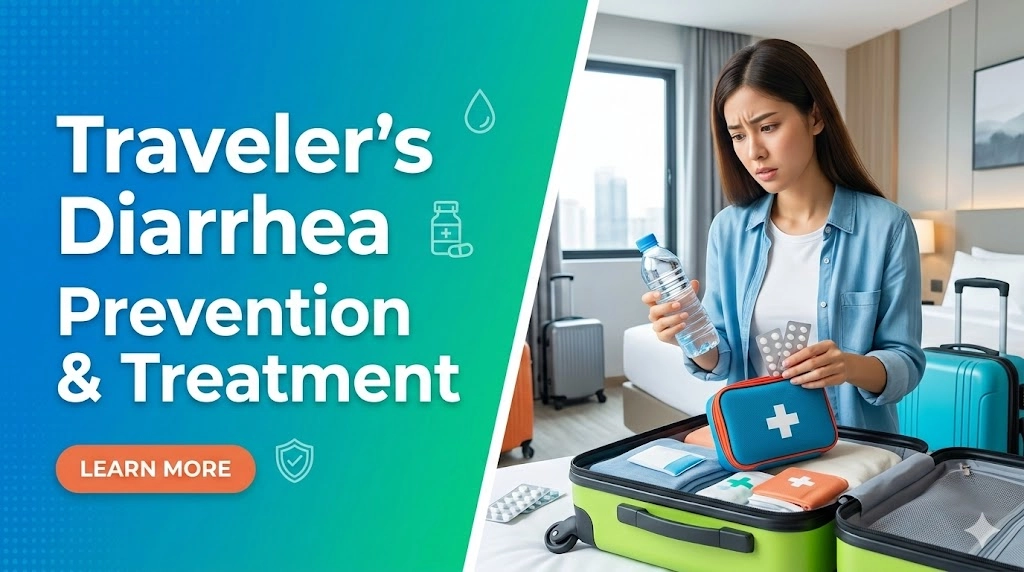
The golden rule of preventing traveler’s diarrhea in any tropical or developing destination is famously straightforward: “Boil it, cook it, peel it, or forget it.” Because raw fruits and vegetables are often washed in local tap water, they represent one of the highest risk categories for foreign stomachs. If you are eating out, completely avoid leafy green salads, raw garnishes like cilantro and diced onions, and fruits with edible skins, such as strawberries or unpeeled apples. Instead, opt for fruits you can peel yourself, like bananas, mangoes, and thick-skinned citrus, and ensure all your hot meals are served steaming hot right off the stove or grill.
Beyond external food choices, fortifying your internal biome is a phenomenal preventative measure. Starting a high-quality probiotic regimen a few weeks before your arrival can help crowd out pathogenic bacteria. Because finding specific, high-CFU probiotics in local Mexican pharmacies can be hit or miss, many seasoned expats rely on global health retailers like iHerb to stock up on their preferred supplements. Utilizing iHerb allows you to maintain a consistent supply of specialized digestive enzymes, activated charcoal, and robust probiotics, which form a vital cornerstone when Building a First Aid Kit: Essential Medical Supplies for Expats in Mexico.
Recognizing Symptoms and Treatment Protocols
When Montezuma’s Revenge strikes, it usually does so abruptly. Symptoms typically include urgent, loose, and watery stools occurring three or more times a day, often accompanied by intense abdominal cramping, nausea, bloating, and sometimes a low-grade fever. The most critical immediate treatment is not stopping the diarrhea, but aggressively managing dehydration. Every time you use the bathroom, your body loses massive amounts of water and essential electrolytes. You must replace these immediately by sipping oral rehydration salts (known locally as suero oral), which are readily available at every corner store and pharmacy.
While your instinct might be to reach for an anti-diarrheal medication like loperamide (Imodium) to stop the frequent bathroom trips, medical professionals often advise caution. If you have a high fever or notice blood in your stool, taking motility-stopping drugs can actually trap the invasive bacteria inside your intestines, prolonging the infection and potentially causing severe complications. For a clear breakdown of what you can safely purchase to manage mild symptoms, refer to our article on Over-the-Counter Medications: What Can You Get in Mexico Without a Prescription?.
To help you gauge the severity of your illness and decide on the appropriate course of action, consult the following comparison table:
| Symptom Severity | Clinical Presentation | Recommended Action |
| Mild | 1-3 loose stools per day, mild cramping, no fever. | Rest, aggressive oral hydration (suero), bland diet (rice, toast). Bismuth subsalicylate (Pepto-Bismol) can help reduce inflammation. |
| Moderate | 4-5 watery stools, moderate nausea, low-grade fever, fatigue. | Continue hydration. Short-term use of loperamide may be considered if travel is unavoidable (only if no bloody stool). Monitor closely. |
| Severe | 6+ watery stools, high fever, severe abdominal pain, bloody stool, inability to keep fluids down. | Seek immediate medical attention. Do not use loperamide. Prescription antibiotics or anti-parasitic medications are likely required. |
If your symptoms escalate to the severe category, or if a mild case persists for more than three to four days without improvement, it is time to seek professional medical intervention. For guidance on where to go, read our detailed breakdown on Pharmacies in Mexico: How to Get Medications (OTC vs Prescription), which explains how to access the quick and affordable doctor’s clinics attached to most major pharmacy chains for simple consultations.
Navigating Healthcare and Medical Costs
For standard, uncomplicated cases of traveler’s diarrhea that require a basic antibiotic like Ciprofloxacin or Azithromycin, the pharmacy walk-in clinics (Consultorios Adyacentes a Farmacias) are your best option. A consultation typically costs less than $5 USD, and you can purchase the prescribed medication immediately next door. However, if you are experiencing severe dehydration, extreme lethargy, or suspect a parasitic infection that requires specific lab testing, you should head directly to a private clinic or hospital. You can find reputable facilities by checking out Finding English-Speaking Doctors and Specialists in Mexico.
When dealing with private medical care in Mexico, you will be expected to pay for your consultation, lab work, and any administered IV fluids upfront. Having a reliable way to process these international transactions is crucial. Expats highly recommend using a borderless financial account like Wise. With a physical Wise debit card, you can convert your home currency to Mexican Pesos instantly at the mid-market rate, avoiding the exorbitant foreign transaction fees and sudden fraud blocks that traditional banks often impose during emergencies abroad. For a broader look at budgeting for these situations, review Healthcare Costs in Mexico: Doctor Visits, Hospital Stays, and Surgery Expenses.
If your condition deteriorates to the point where overnight hospitalization is required for intravenous hydration and monitoring, the costs can escalate quickly. This is precisely why holding a comprehensive global health insurance policy through a provider like Cigna Global is so strongly advised. While you might comfortably pay out of pocket for a minor doctor’s visit, a premium plan from Cigna Global ensures you are fully covered for expensive inpatient treatments at top-tier hospitals. By organizing your finances with Wise and securing your long-term health with robust insurance, you can thoroughly prepare for the scenarios outlined in Medical Emergencies in Mexico: What Expats Should Know and Prepare, ensuring that a temporary stomach bug remains just a minor bump in your Mexican adventure. And remember to keep your digestive health optimized year-round by ordering trusted maintenance supplements through iHerb.
References
Primary sources (official)
- Centers for Disease Control and Prevention (CDC) – Travelers’ Diarrhea Yellow Book: https://www.cdc.gov/yellow-book/hcp/preparing-international-travelers/travelers-diarrhea.html
- World Health Organization (WHO) – A Guide on Safe Food for Travellers: https://www.who.int/publications/i/item/9789241597661
Other helpful sources
- Centers for Disease Control and Prevention (CDC) – Food and Water Precautions for Travelers: https://www.cdc.gov/yellow-book/hcp/preparing-international-travelers/food-and-water-precautions-for-travelers.html
- World Health Organization (WHO) – Food Safety Fact Sheet: https://www.who.int/news-room/fact-sheets/detail/food-safety
Disclaimer
The information provided in this article is for educational and informational purposes only and does not constitute medical advice. Treatment protocols for gastrointestinal infections can vary heavily based on individual health profiles, underlying conditions, and the specific pathogens involved. Always consult with a licensed healthcare professional or a local doctor in Mexico for a proper diagnosis and prescription before taking any antibiotics or anti-parasitic medications. Never attempt to self-medicate a severe infection.