Mexico City for First-Time Visitors: Neighborhoods and Highlights
Mexico City, or CDMX as we locals call it, is a beautiful, sprawling monster that can swallow a first-time visitor whole if you aren't prepared for its sheer scale and intensity. Most people arrive feeling a mix of excitement and legitimate anxiety about the traffic, the altitude, and the perceived safety risks. This guide is designed to strip away that overwhelm, providing a boots-on-the-ground roadmap to the neighborhoods that matter and the highlights that actually live up to the hype, ensuring your first trip is memorable for the right reasons.
Disclosure: This post may contain affiliate links. We may earn a commission at no extra cost to you if you make a purchase through these links. Read full disclosure.
Finding Your Feet: The Layout and Pulse of the City
When you first land at Benito Juárez International Airport, the sensory assault begins immediately. The city sits in a high-altitude basin surrounded by mountains and volcanoes, which means the air is thinner than you are likely used to. My first week here was spent huffing and puffing up stairs I would normally sprint. Beyond the physical, the layout is a patchwork of "colonias" (neighborhoods), each with a distinct personality. Understanding that CDMX isn't just one big city, but a collection of urban villages, is the first step to enjoying it. You don't "see" Mexico City; you experience its pockets.
The city is roughly divided into the historic center, the leafy and trendy west-central districts, and the upscale northern hubs. For a first-timer, you will likely spend 90% of your time in a relatively small corridor that stretches from the Centro Histórico out toward Chapultepec Park. Navigating this requires a mix of patience and strategy. You’ll want to brush up on Spanish Language and Everyday Communication for Visitors because while many younger folks in trendy areas speak English, the guy selling you a tamal on the corner or the Metro attendant definitely won't.
Safety is the question I get asked more than any other. Is it safe? The short answer is yes, but it requires "city smarts." Most crime affecting tourists is opportunistic—pickpocketing on a crowded Metro or a phone snatched off a restaurant table. I always tell newcomers to treat CDMX like London, New York, or Paris. Keep your wits about you, don't flash expensive jewelry in the street, and know where you are going before you leave your hotel. If you do run into trouble, knowing How to Call an Ambulance in Mexico (911 and Cruz Roja) is vital information you should have saved in your phone before you even board your flight.
The Best Neighborhoods for Your First Stay
Choosing where to sleep in a city of 22 million people is the most important decision you'll make. Most first-timers default to the historic center, but as someone who has lived through the noise and the protests that frequently shut down the Zócalo, I usually advise against it for your primary base. Instead, look toward the areas that offer a bit of respite from the urban grind. Using a platform like Booking.com is your best bet here, as it allows you to filter for "Boutique Hotels" in Roma and Condesa, which is where you truly want to be for that quintessential CDMX experience.
Roma and Condesa: The Heart of Cool
Roma and Condesa are technically two different neighborhoods, but they flow into one another so seamlessly that most people treat them as one large, leafy district. This is the epicenter of the city's culinary and artistic revival. In Roma Norte, you'll find stunning Art Nouveau and Art Deco architecture, much of which was restored after the 1985 earthquake. The streets are lined with coffee shops, independent bookstores, and some of the best small galleries in North America. It’s where I spent my first three years in the city, and I still find new corners to love every time I walk through.
Condesa is even greener, centered around the beautiful Parque México and Parque España. It’s where you’ll see the city’s "perrhijos"—dogs treated like children—being walked by professional handlers. The vibe here is relaxed and European-influenced, with outdoor cafes that are perfect for people-watching. If you choose to stay in a guest house here via Booking.com, you’ll be within walking distance of incredible nightlife without the gritty intensity of the city center. It feels like a bubble, and for a first-timer, that bubble is a very welcome place to retreat to after a day of sightseeing.
The downside? These areas are increasingly "gringo-fied," and prices reflect that. You will hear almost as much English as Spanish in some of the cafes. However, for ease of navigation, safety, and access to high-end amenities, they are unbeatable. Plus, you are centrally located enough that an Uber or a quick ride on the Metrobus will get you almost anywhere else in twenty minutes. If you ever find yourself needing a doctor while staying here, you're in luck, as the Healthcare in Mexico City: Top Hospitals and Clinics for Expats includes several world-class facilities right on the edge of Roma.
Polanco: Luxury and Museos
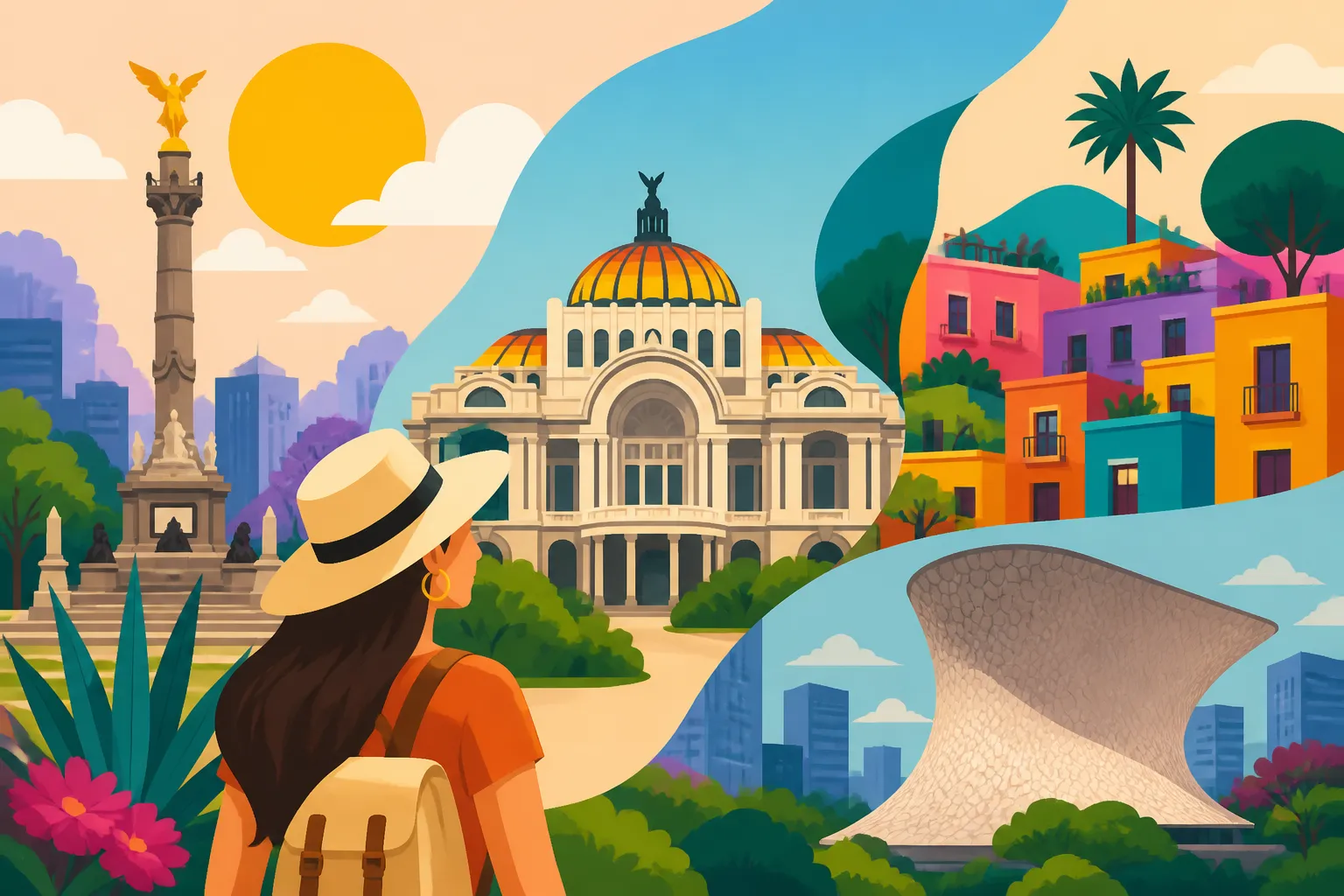
If your budget is a bit more flexible and you prefer high-end shopping and manicured streets, Polanco is your destination. Often called the "Beverly Hills of Mexico," it’s home to the city’s wealthiest residents and many of its embassies. The main thoroughfare, Avenida Presidente Masaryk, features every luxury brand imaginable. While it lacks the bohemian charm of Roma, it offers a level of security and quiet that is rare in CDMX. It’s also home to the Soumaya Museum, that iconic silver, anvil-shaped building that houses Carlos Slim’s massive art collection.
Polanco is perfect for those who want a "soft landing" in Mexico. The sidewalks are wide and well-maintained, and the restaurants are among the best in the world—Pujol and Quintonil are both located here. It’s also adjacent to the northern entrance of Chapultepec Park, making it easy to reach the major museums. Many travelers find that Booking.com offers a great selection of luxury suites here that provide a more residential feel than the big hotels on the Paseo de la Reforma.
The main drawback of Polanco is its isolation from the "real" Mexico City. It can feel a bit sterile, and the traffic getting in and out of the neighborhood during rush hour is legendary. You could spend your whole trip in Polanco and never see a street market or a hole-in-the-wall cantina. I usually recommend it for families or business travelers who prioritize comfort and safety above all else. Just be prepared to spend significantly more on everything from a latte to a taxi.
Centro Histórico: History Hits You
The Centro Histórico is where the city began—first as the Aztec capital of Tenochtitlan and later as the seat of the Spanish Viceroyalty. It is intense, loud, crowded, and utterly spectacular. Every street corner seems to hold a 400-year-old church or a crumbling mansion. This is where you go to see the Zócalo, the Metropolitan Cathedral, and the ruins of the Templo Mayor. It is the beating heart of the nation, but it is also a place where your senses will be constantly bombarded by shouting vendors and the smell of exhaust.
Staying here is an option if you want to be in the middle of the action, but be aware that the area can get quite desolate and a bit sketchy at night once the shops close. If you do stay in the Centro, stick to the area around the Alameda Central or the pedestrianized Madero street. It’s a great place for a day trip, but for living, the noise levels are enough to test even the most patient traveler. It’s a place of extremes; you can find a 5-star hotel in a restored palace right next to a street stall selling $1 tacos.
If you are planning to travel to other parts of the country after your stay in the city, the Centro is relatively close to several major bus terminals. You can use Busbud to check schedules and prices for buses heading to places like Puebla or Oaxaca. Many people find it easier to book these tickets online via Busbud rather than navigating the chaos of the TAPO or Norte stations in person.
Essential Highlights and Landmarks
Mexico City has more museums than almost any other city in the world, and trying to see them all is a fool’s errand. For a first visit, you need to focus on the "Big Three" areas: the Zócalo, Chapultepec, and Coyoacán. Each offers a different layer of the Mexican identity. My advice is to never try to do more than one major "zone" per day. The traffic and the sheer amount of walking will wear you out faster than you think.
The Zócalo and the Templo Mayor
The Zócalo is one of the largest city squares in the world, and standing in its center is a humbling experience. To your north is the Metropolitan Cathedral, a massive stone structure that has been slowly sinking into the soft lakebed soil for centuries (look for the pendulums inside that track the tilt). To your east is the National Palace, which houses the incredible Diego Rivera murals that depict the entire history of Mexico. Note that access to the murals often requires a pre-booked tour or a bit of luck with the morning queue.
Just off the square is the Templo Mayor, the excavated ruins of the main temple of the Aztecs. It is a surreal experience to stand amongst the ruins of an ancient empire while the modern city hums and honks just a few feet away. The museum attached to the site is excellent and provides much-needed context for the scale of Tenochtitlan. For those who want a deeper dive without the stress of navigating the crowds, booking a guided walking tour through Viator can be a lifesaver. Viator often has options that include skip-the-line access to the Palace or specialized historians who can explain the complex layers of the site.
Chapultepec Park and the Anthropology Museum
Bosque de Chapultepec is the "lungs" of Mexico City, a park twice the size of New York’s Central Park. It contains a castle (the only royal castle in North America), a zoo, several lakes, and the crown jewel of Mexican museums: the National Museum of Anthropology. If you only visit one museum in your entire life, make it this one. The architecture alone is worth the trip, featuring a massive "umbrella" fountain in the central courtyard.
Inside, the museum is divided into rooms based on the different pre-Hispanic civilizations—the Olmecs, the Maya, the Mexica (Aztecs), and more. The Aztec Sun Stone (often incorrectly called the calendar stone) is the centerpiece and is truly breathtaking. Pro tip: start from the right and work your way around, and don't miss the upstairs section which focuses on contemporary indigenous cultures. It is a lot of information to absorb, so give yourself at least four hours. If you're feeling overwhelmed, Viator offers guided museum tours that help you focus on the highlights so you don't end up with "museum fatigue."
Coyoacán and the Frida Kahlo Museum
Coyoacán feels like a small colonial village that just happened to get swallowed by the city. It was the home of Frida Kahlo and Diego Rivera, and their "Blue House" (Casa Azul) is now one of the most popular museums in the world. You must book tickets weeks in advance. I cannot stress this enough; I have seen many heartbroken tourists standing outside the blue walls hoping for a walk-in ticket that will never come.
Beyond Frida, Coyoacán is wonderful for its twin plazas—Jardín Centenario and Plaza Hidalgo—where you can find great coffee, traditional ice cream (nieve), and a bustling crafts market. It’s a very romantic, artistic neighborhood that feels a world away from the skyscrapers of the Reforma. It’s also a great place to experience Mexican Food Culture: Eating and Drinking as a Visitor because the local market, Mercado de Coyoacán, has some of the best tostadas in the city. Just remember to watch your step; the cobblestones are beautiful but treacherous for ankles!
Navigating the Gastronomic Jungle
Eating in Mexico City is a full-contact sport. From the $0.50 taco on a street corner to the $200 tasting menu at a world-ranked restaurant, the quality of food here is staggering. However, for a first-timer, "Montezuma's Revenge" is a real fear. While your gut biome might need a few days to adjust to the local microbes, you shouldn't let fear stop you from eating. Most of the time, stomach issues come from dehydration or unwashed hands, not the food itself.
Street Food Etiquette and Safety
The rule of thumb for street food is simple: follow the crowds. If a stall has a line of office workers in suits, the food is fresh and the turnover is high. I always look for a stall where the person handling the money is not the same person handling the meat. This is the gold standard of street hygiene. If you’re still nervous, read up on Is Street Food Safe? How to Enjoy Mexican Street Eats Without Worry for a deeper dive into what to look for.
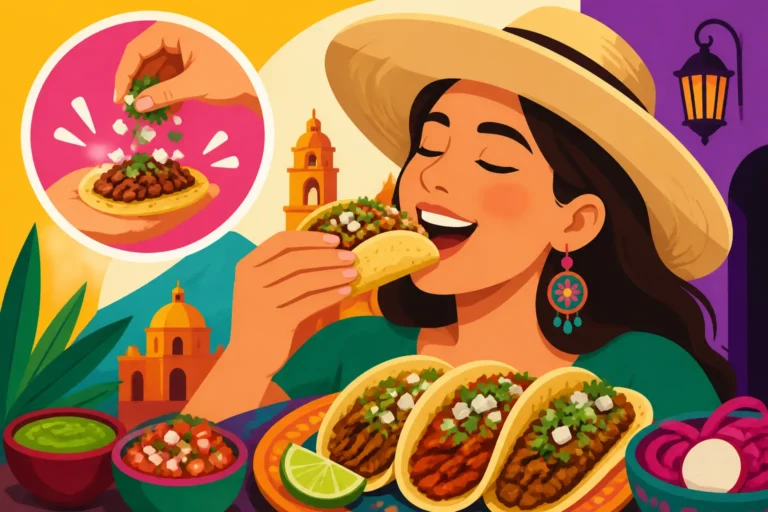
Tacos al Pastor are the quintessential CDMX street food—pork marinated in chilies and pineapple, cooked on a vertical spit. You should also try "suadero" (brisket) and "longaniza" (spicy sausage). Don't be afraid of the salsas, but remember that the green one can often be stealthily spicier than the red. If a vendor tells you a salsa "pica poquito" (stings a little), proceed with extreme caution. It’s a local joke to tell foreigners something isn't spicy when it actually is.
High-End Gastronomy and Reservations
Mexico City is currently a global darling in the fine-dining world. If you want to eat at Pujol or Quintonil, you need to book months in advance. These restaurants take traditional Mexican ingredients—ants, chicatana (flying ants), and rare corn varieties—and turn them into high art. It is a spectacular way to see the sophistication of the culture.
However, don't feel like you have to spend a fortune. There are dozens of "mid-tier" restaurants in Roma and Condesa that are doing incredible work for a fraction of the price. Places like Rosetta (housed in a stunning mansion) or Contramar (the best seafood lunch in the city) are essential stops. For these popular spots, I always recommend checking for reservations a week or two before your arrival.
| Neighborhood | Best For | Typical Atmosphere | Price Level |
|---|---|---|---|
| Roma Norte | Food & Art | Trendy, Bohemian, Historic | Moderate |
| Condesa | Leafy Walks | Relaxed, Residential, Green | Moderate |
| Polanco | Luxury | High-end, Safe, Manicured | Expensive |
| Centro | History | Intense, Crowded, Historic | Budget to High |
| Coyoacán | Culture | Colonial, Artistic, Quiet | Moderate |
Practical Logistics: Moving and Paying
Getting around this city is a lesson in patience. The traffic is some of the worst in the world, and what looks like a 10-minute drive on a map can easily become a 45-minute ordeal during "hora pico" (rush hour). I generally tell visitors to avoid being in a car between 8:00 AM – 10:00 AM and 6:00 PM – 9:00 PM.
Public Transit vs. Ride-Hailing
Uber is incredibly cheap and plentiful in Mexico City, and for a first-timer, it is the safest and most convenient way to get around. You don't have to worry about the language barrier, and the GPS tracking provides peace of mind. Didi is another popular app that often has even lower prices. I generally advise against hailing a "pink and white" taxi on the street unless you are fluent in Spanish and know exactly where you are going.
The Metro is another beast entirely. It is fast, efficient, and costs about $0.25 per ride. However, it can be incredibly crowded and is a hotspot for pickpockets. If you decide to take it, avoid rush hour and keep your bag in front of you. For women, there are dedicated "Women and Children" cars at the front of the train, which are much more comfortable. I’ve written a specific guide on How to Use the Mexico City Metro as a First-Time Visitor that breaks down how to buy the card and read the maps.
Connectivity and Currency
Cash is still king in Mexico. While nice restaurants and shops in Polanco and Roma will take cards, you will need pesos for street food, markets, and small tips. I always suggest using a bank-affiliated ATM (like BBVA or Santander) inside a building rather than a standalone machine on the street to avoid skimming devices. And speaking of tips, knowing How Much Should You Tip in Mexico? will save you a lot of awkwardness at the end of a meal.
For your phone, don't rely on roaming. It’s much cheaper to get a local SIM card from Telcel or use an eSIM if your phone supports it. Staying connected is vital for using Uber and Google Maps. If you are staying long-term and need to set up a home office, you might want to look into the Best Internet Providers in Mexico: Expats' Top Picks for Reliability. For a short trip, though, the free Wi-Fi in many parks and cafes is surprisingly decent.
Beyond the City: Essential Day Trips
While there is enough to see in the city to last a lifetime, you should try to get out at least once. The surrounding Valley of Mexico is full of archaeological wonders and natural beauty. Most people choose Teotihuacán as their primary day trip, and for good reason.
Teotihuacán: The City of Gods
Located about an hour north of the city, these massive pyramids are among the most significant in the world. Walking down the Avenue of the Dead between the Pyramids of the Sun and the Moon is an experience that stays with you. You can no longer climb the pyramids (a change made for conservation), but the view from the ground is still majestic.
You can get there by taking a bus from the Northern Bus Terminal (Terminal del Norte)—you can book these through Busbud to ensure you have a seat. Alternatively, many people prefer the ease of a Viator tour. A Viator tour often includes a visit to the Basilica of Guadalupe on the way back and handles all the transport logistics, which can be a relief when you’re still getting used to the city.
Xochimilco and the Floating Gardens
Xochimilco is often called the "Venice of Mexico," though it’s much more colorful and festive. You rent a "trajinera" (a brightly painted flat-bottomed boat) and are paddled through ancient Aztec canals. Other boats will pull up alongside you selling tacos, tequila, and even full Mariachi bands. It is a loud, joyous, chaotic experience that is best done with a group of friends.
I usually tell people to go on a weekday if they want a quiet, nature-focused experience, or on a Sunday if they want to see the full, party-mode version of Mexican culture. Just be careful with the "unofficial" guides at the entrance; it’s best to book a fixed-price boat through the official cooperatives or through a trusted tour operator on Viator. After a long day on the water, you'll be glad you have a comfortable hotel waiting for you in a quiet neighborhood.
As you plan your journey, remember that the city is a marathon, not a sprint. Take breaks, drink plenty of bottled water, and don't be afraid to just sit in a park and watch the world go by. If you’re driving yourself, please be aware of the rules; Is It Safe to Drive at Night in Mexico? Road Safety Tips for Expats applies even in the city, where potholes and unpredictable traffic can make night driving a challenge.
Disclaimer
The information provided in this guide is for informational purposes only. While every effort has been made to ensure accuracy as of 2026, travel conditions, safety situations, and business availability in Mexico City can change rapidly. Always consult official government travel advisories and local news before your trip. The author and publisher are not responsible for any incidents, losses, or injuries that may occur during your travels.