Beach Safety 101: How to Read Warning Flags and Stay Safe in the Ocean
One of the most terrifying experiences you can have as a newcomer to the Mexican coast is realizing that the turquoise water you just jumped into is pulling you away from the shore faster than you can swim. I remember my first week living in Puerto Vallarta when I completely ignored a red flag, thinking it was just a suggestion for "weak swimmers," and nearly ended up in a full-blown emergency. This guide solves the confusion around Mexico's beach warning systems and provides the essential ocean safety knowledge every expat needs to enjoy the coast without a trip to the hospital.
Disclosure: This post may contain affiliate links. We may earn a commission at no extra cost to you if you make a purchase through these links. Read full disclosure.
Decoding the Mexican Beach Flag System
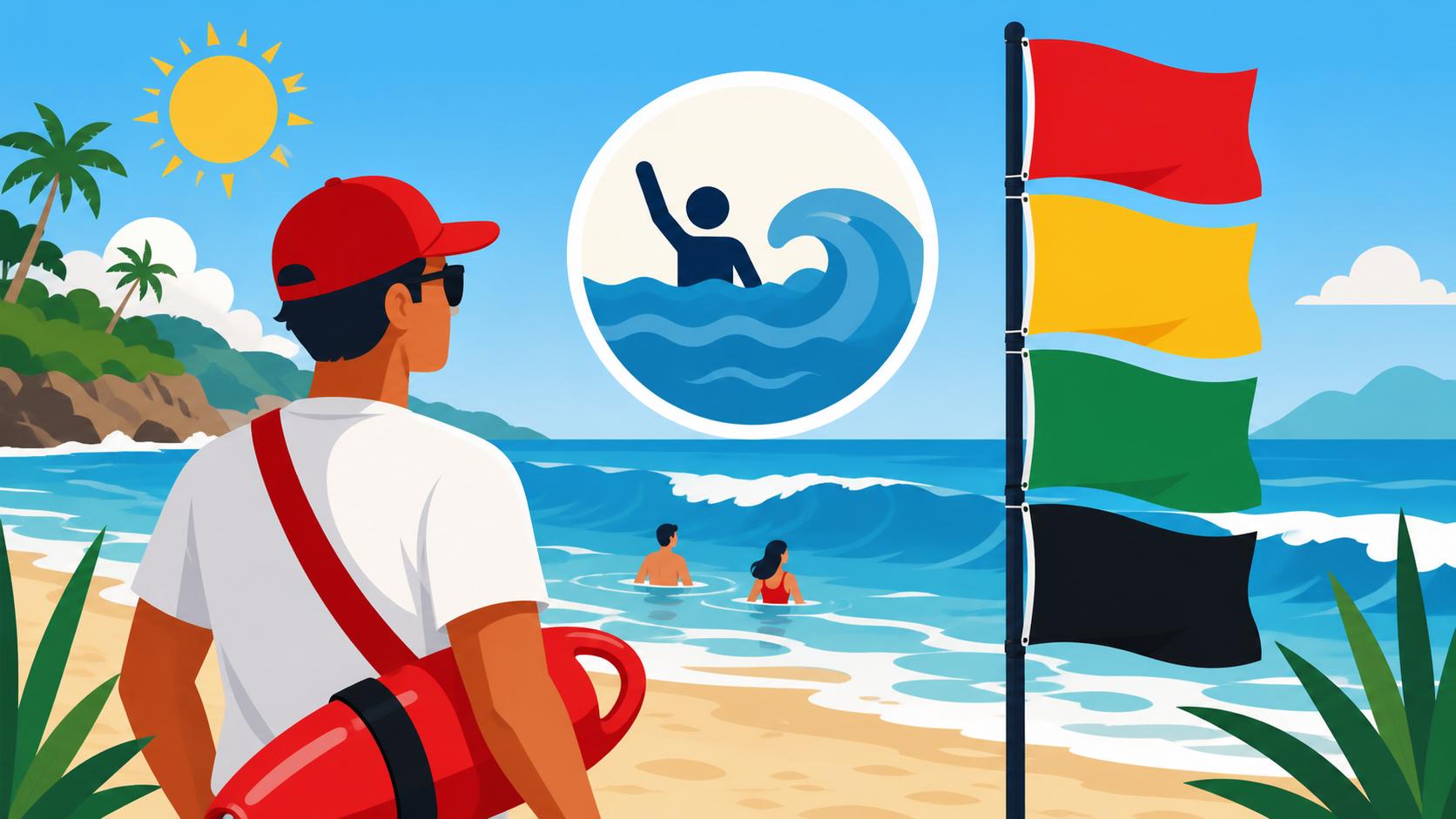
When you first settle into one of the Best Places to Live in Mexico for Expats (2027 Edition), the local beach will likely become your second home. However, the flags you see fluttering in the breeze aren't just decorative; they are a standardized communication system used by the Proteccion Civil and local lifeguards. In Mexico, these flags are the primary way authorities communicate daily changes in water conditions, which can shift drastically due to seasonal storms or distant hurricanes.
The Standard Color Codes
In most coastal towns, you will encounter five main colors. A green flag is the "all clear," indicating that the water is calm and safe for swimming. However, as any veteran expat will tell you, a green flag doesn't mean you should abandon common sense. Even in calm waters, unexpected swells can occur.
A yellow flag indicates "caution." This is perhaps the most common flag you’ll see. It suggests that while swimming is permitted, there are active currents or moderate waves that require a higher level of vigilance. If you aren't a strong swimmer, a yellow flag is your signal to stay waist-deep or closer to the shore.
The red flag is where things get serious. A red flag means "danger" or "restricted swimming." When you see this, the conditions are genuinely hazardous. This might be due to heavy swells, strong rip currents, or even temporary water quality issues. Entering the water during a red flag is not just risky; it often leads to lifeguards having to risk their lives to pull people out. In some areas, like the hotel zones in Living in Cancún: Expat Life in a Tourist Paradise, lifeguards are very strict and will blow whistles at anyone attempting to swim past their knees when the red flag is up.
| Flag Color | Meaning | Recommended Action |
|---|---|---|
| Green | Safe | Normal swimming; stay aware of surroundings. |
| Yellow | Caution | Moderate waves/currents; stay in shallow water. |
| Red | Danger | High hazard; swimming is prohibited or highly discouraged. |
| Black | Do Not Enter | Extreme danger; beach may be closed to all activity. |
| Purple | Marine Pests | Harmful marine life present (jellyfish, stingrays, etc.). |
Purple and Black Flags
The black flag is the rarest but most ominous. It signals that the beach is closed entirely due to extreme conditions—think hurricane-force winds or massive, life-threatening swells. You should not even be walking near the shoreline when a black flag is displayed, as "sneaker waves" can wash up much further than expected and pull unsuspecting walkers into the sea.
The purple flag is one that many tourists miss. It specifically warns of "harmful marine life." In Mexico, this usually means an influx of jellyfish (aguamala) or a high concentration of stingrays in the shallows. If you see a purple flag, it’s a good day to stay on the sand and maybe check your Safety in Mexico: What Expats Need to Know About Staying Safe protocols for other inland activities. Ignoring a purple flag often results in a painful sting that requires a quick trip to find Pharmacies in Mexico: How to Get Medications (OTC vs Prescription] for vinegar or antihistamines.
Understanding Rip Currents and Coastal Hazards
The biggest threat to expats in Mexican waters isn't sharks or stingrays; it's the rip current. These are powerful, narrow channels of fast-moving water that flow from the shore back out to the ocean. They are common on both the Pacific and Caribbean coasts, but they operate differently depending on the underwater topography.
How to Spot a Rip Current
Identifying a rip current before you get in the water is a skill that saves lives. Look for a gap in the breaking waves where the water looks suspiciously calm or flat. Ironically, this "calm" spot is often where the current is strongest. You might also see a line of foam, seaweed, or discolored (sandy) water moving steadily away from the beach.
When I’m at a Selina beachfront location, I often take a few minutes to watch the water from a higher vantage point before heading down. This perspective makes it much easier to see the "river" of water cutting through the surf. If you aren't sure, ask a local surfer or the nearest lifeguard—they would much rather point out the danger than have to paddle out to save you later.
What to Do if You Get Caught
The instinctual reaction when being pulled out to sea is to swim directly back toward the shore. This is a fatal mistake. Even Olympic swimmers cannot outrun a strong rip current. Instead, you must swim parallel to the shore. Once you feel the pull of the current weaken, you can then begin to swim at an angle back toward the beach.
If you are too tired to swim, the best strategy is to tread water or float. Rip currents don't pull you under; they pull you out. Eventually, the current will dissipate, usually just beyond the breaking waves. Staying calm is the hardest part, but it is essential for survival. Having a solid understanding of Medical Emergencies in Mexico: What Expats Should Know and Prepare can give you the mental framework to handle these high-stress situations without panic.
Regional Variations and Marine Life Safety
Mexico’s coastline is vast, and the ocean behavior in Living in Los Cabos: Expat Life at Land's End is worlds apart from the gentle ripples you might find in a protected bay in the Riviera Maya.
The Pacific Coast vs. The Caribbean
On the Pacific side, including places like Living in Puerto Vallarta: Coastal Living Guide for Expats, the surf is generally much heavier. The "shore break" can be particularly dangerous here. A shore break occurs when waves break directly on the sand rather than further out. This can cause neck and back injuries if you are caught in the "washing machine" effect of a crashing wave.
In contrast, the Caribbean coast often deals with the "Sargassum" (seaweed) influx during certain months. While not a direct drowning hazard, heavy seaweed can hide rocks or stinging marine life. Always check local forums or use an Airalo data plan to check daily "Sargasso" reports before driving two hours to a beach that might be covered in brown algae.
The Stingray Shuffle and Jellyfish
If you are wading in calm, sandy waters, especially in the Gulf of California or the Yucatan, you need to practice the "Stingray Shuffle." Instead of lifting your feet to take steps, slide them along the sand. This alerts stingrays to your presence and gives them a chance to swim away. If you step directly on top of one, its natural defense is to whip its tail up, which results in a barb to the ankle.
For jellyfish stings, while the old "home remedies" are popular in movies, the clinical advice usually involves rinsing with vinegar or hot water. If you experience a severe reaction, you should know the process for Navigating Hospitals and Clinics in Mexico: An Expat’s Guide to Medical Care to ensure you get professional treatment quickly.
Essential Gear and Emergency Preparation
Living the beach lifestyle requires more than just a swimsuit. To stay safe, you need to be prepared for the environment and the lack of immediate infrastructure on some of Mexico's more secluded "secret" beaches.
Staying Connected and Equipped
I never head to a remote beach without ensuring my phone is active. Using an Airalo eSIM is a lifesaver for expats who don't want to mess with physical SIM cards but need reliable data to navigate or call for help. Being able to access Emergency Numbers in Mexico: How to Call Police, Fire, or Ambulance while sitting on a remote stretch of sand in Oaxaca is a vital safety layer.
In terms of physical gear, I always recommend Building a First Aid Kit: Essential Medical Supplies for Expats in Mexico that specifically includes items for marine injuries. You can find excellent waterproof kits on Amazon Mexico that are small enough to throw in a day bag. These should include:
- Vinegar (for stings)
- Tweezers (for sea urchin spines)
- Saline solution (for rinsing eyes or wounds)
- High-SPF biodegradable sunscreen (to protect the reef and your skin)
The Importance of Buddy Swimming
One of the simplest safety rules we often forget as adults is the "buddy system." Never swim alone on a deserted beach. Even a minor cramp or a small sting can become life-threatening if there is no one there to help you back to shore or signal for assistance. If you are a solo expat, consider joining local social groups or staying at a community-centric spot like Selina, where you can easily find a group of people to head to the water with.
Staying healthy is about prevention. Following the advice in Staying Healthy in Mexico: Essential Tips for Food, Water, and Preventive Care applies to the ocean just as much as it does to the street food. Dehydration and heatstroke can impair your judgment and physical strength in the water, making you more susceptible to ocean hazards. Always drink plenty of bottled water and take breaks in the shade to keep your energy levels up for that final swim of the day.
If you ever find yourself needing more than just a bandage, remember that the quality of care can vary. Reviewing Healthcare in Mexico: Complete Guide for Expats (Public vs Private) before you have an accident is the hallmark of a prepared and savvy expat. The ocean is Mexico's greatest gift to us, but it demands respect. Watch the flags, shuffle your feet, and always have a plan for when things go wrong.
Disclaimer
This guide is for informational purposes only and is based on personal experience and general safety standards in Mexico. Ocean conditions can change rapidly and unpredictably. Always follow the instructions of local lifeguards and Proteccion Civil authorities. The author and this website are not responsible for any injuries or accidents that may occur while participating in beach activities.