Getting Involved Locally: Volunteering and Community Events for Expats
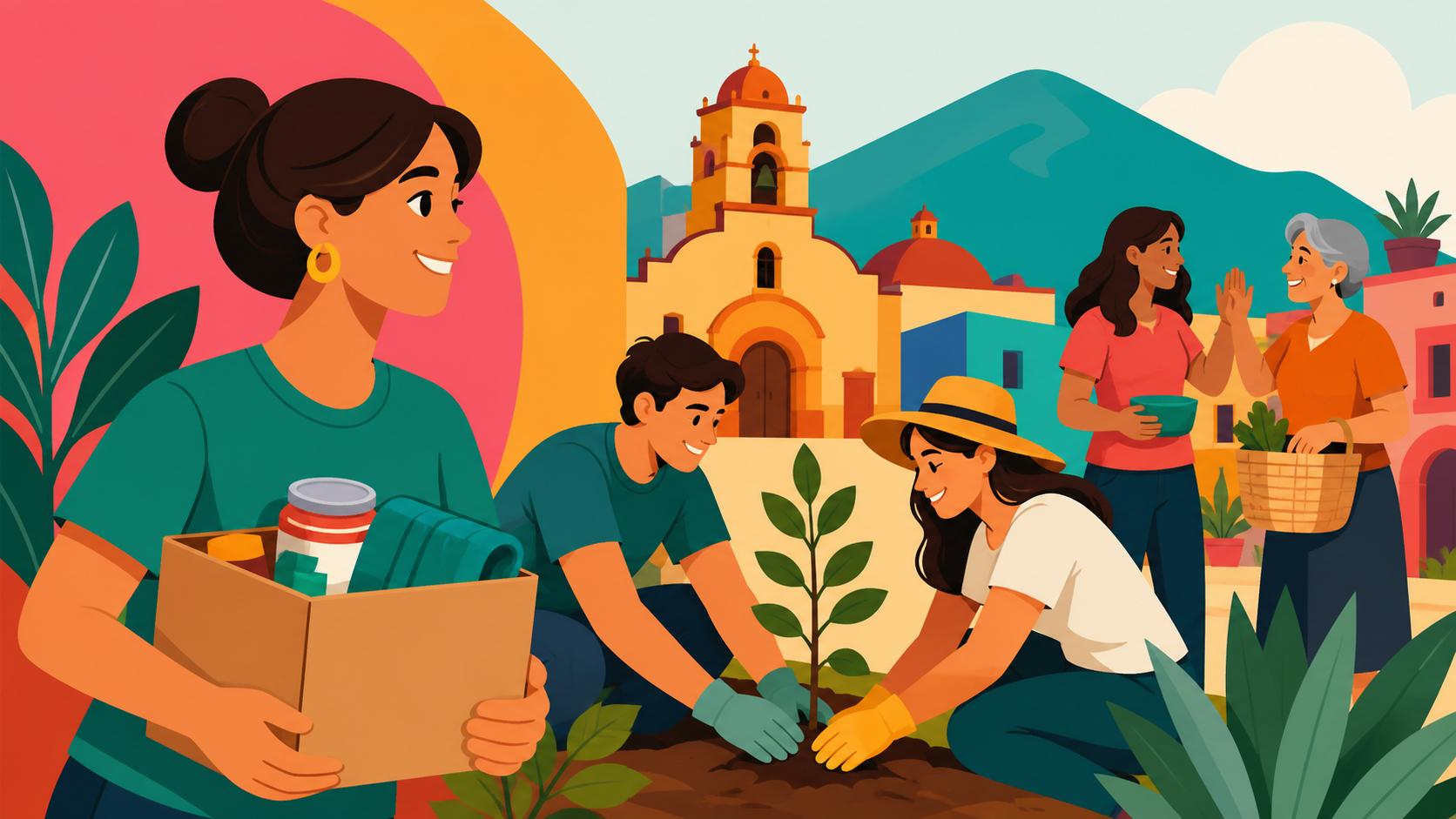
One of the most persistent challenges of moving to Mexico is the feeling of being a permanent spectator rather than a participant in the local culture. I remember sitting in my first apartment in San Miguel de Allende, surrounded by fellow expats, and realizing I knew more about the local brunch spots than I did about my actual neighbors. This guide provides the roadmap to breaking that bubble through meaningful volunteering and local event integration.
Disclosure: This post may contain affiliate links. We may earn a commission at no extra cost to you if you make a purchase through these links. Read full disclosure.
The Cultural Importance of Integration in Mexico
Living in Mexico as a foreigner often feels like being in a beautiful, sun-drenched waiting room. You have the residency card, you pay your electricity bill at OXXO, and you might even have a favorite taco stand where the owner knows your name. But true integration—the kind where you feel a sense of belonging and "comunidad"—requires a proactive shift. In Mexico, social ties are the currency of daily life. This isn’t just about being polite; it’s about understanding that the fabric of Mexican society is woven through mutual support and shared presence.
When I first arrived, I spent too much time in the "Gringo Gulch" of my city, speaking English and complaining about the noise of the local cohetes (fireworks). It wasn't until I started showing up to neighborhood meetings and volunteering my time that the city truly opened up to me. Living in Mexico: Cultural and Practical Guide for New Expats is a great starting point for understanding these broader cultural shifts, but the real work happens on the ground. Integration means moving beyond the role of a consumer of Mexican culture and becoming a contributor to it.
Understanding the concept of "tequio" is essential here. Particularly in states like Oaxaca, tequio is a form of mandatory communal work for the benefit of the neighborhood or village. While as an expat you aren't usually legally bound to this, showing up when your neighbors are cleaning a local park or painting a school wall earns you more respect than any amount of money could. It signals that you are not just a temporary guest, but a member of the community who cares about its future.
Moving Beyond the Expat Bubble
It is incredibly easy to spend your entire life in Mexico within an expat bubble. Between high-speed internet and the availability of familiar goods, you could theoretically never speak a word of Spanish or interact with a local outside of a service transaction. However, this leads to a hollow experience and often breeds a "we vs. them" mentality when bureaucratic hurdles arise. I found that my frustration with local "mañana" culture decreased significantly once I made local friends and saw the pressures they faced in their own daily lives.
To break out, you have to be comfortable with being uncomfortable. This means attending events where you might be the only foreigner. Whether it’s a local patron saint festival or a neighborhood planning meeting, your presence is noticed. Locals generally appreciate the effort of a foreigner trying to integrate, even if your Spanish is still a work in progress. For those worried about the initial communication hurdles, Living in Mexico with Limited Spanish: Survival Tips for Language Barriers offers some great advice on navigating those first awkward interactions.
Understanding the Role of Social Invitations
In Mexico, an invitation to a "comida" or a family event is a significant milestone. If a neighbor invites you to a child’s birthday party or a holiday dinner, go. These events are where the real community building happens. I once spent six hours at a baptism for a neighbor’s niece, and while I barely understood the rapid-fire Spanish, those six hours did more for my local standing than six months of "buenos días" in the hallway.
When you attend these events, bring something—a bottle of wine, some pastries, or even a small gift for the host. It’s the gesture of participation that counts. This is also where having a reliable data plan via a service like Airalo becomes a lifesaver; you’ll likely be invited to join a WhatsApp group for the neighborhood or the event, which is the primary way social life is organized in Mexico. Internet and Mobile Phone Plans in Mexico: Staying Connected as an Expat can help you ensure you're always reachable for these spontaneous invites.
Finding Volunteering Opportunities That Make a Difference
Volunteering is perhaps the most effective way to build bridges between the expat community and local residents. However, it’s important to approach this with humility rather than a "savior" complex. The best volunteering experiences are those where you support existing local initiatives rather than trying to impose your own "better" way of doing things. I’ve seen many expat-led projects fail because they didn't consult with the local community first.
Animal welfare is one of the most common avenues for expats to get involved. From Puerto Vallarta to Merida, local animal shelters (often called "refugios" or "santuarios") are almost always overwhelmed and underfunded. Whether you're walking dogs, helping with "esterilización" (spay and neuter) clinics, or assisting with the logistics of international adoptions, the impact is immediate. If you’re a pet lover yourself, you’ll likely already be familiar with the local pet scene, as discussed in Bringing Pets to Mexico: Import Requirements and Pet Care Tips.
Education and youth mentorship are other areas where expats can offer unique value. Many local libraries or community centers look for volunteers to help with English conversation clubs or after-school programs. You don't necessarily need a teaching degree to be helpful; often, just being a consistent, friendly presence for a few hours a week is what matters most. For those who want to take it a step further and pursue it professionally, Teaching English in Mexico: Comprehensive Guide to Jobs and Qualifications provides the necessary background on the requirements.
Animal Welfare and Environmental Conservation
Mexico has a vibrant but struggling network of animal rescues. I spent a year volunteering with a turtle conservation group on the Oaxacan coast, and it was one of the most rewarding things I’ve ever done. We would patrol the beaches at night to protect nesting sites from poachers. It wasn't just about the turtles; it was about working side-by-side with local fishermen who had lived on that beach for generations.
Environmental efforts are particularly strong in coastal and mountainous regions. Beach cleanups, reforestation projects, and waste management initiatives are common. These groups often use platforms like Selina or local Facebook groups to coordinate. If you need supplies for these activities—like sturdy gloves, sun protection, or reusable water containers—Amazon Mexico is surprisingly efficient, even delivering to some of the more remote expat enclaves.
Supporting Local Arts and Culture
Mexico’s heart beats through its arts. Many towns have a "Casa de la Cultura" that acts as a hub for local artists, musicians, and dancers. Volunteering to help set up an exhibition, distribute flyers for a concert, or even just attending and promoting their events on social media can be a huge help. This isn't just about charity; it’s about participating in the cultural preservation of your new home.
I found that by helping a local weaving collective in a village outside of Oaxaca City, I gained a deep appreciation for the history of the region that no museum could provide. I helped them with their social media marketing—something that was easy for me but difficult for them—and in exchange, they taught me the basics of their craft. This kind of mutual exchange is the gold standard for expat volunteering.
Navigating Community Events and Social Circles
Beyond formal volunteering, simply showing up to local events is key. Every town in Mexico, no matter how small, has a calendar full of "ferias," "fiestas patronales," and civic holidays. Understanding these events is the first step to feeling like a local. Mexican Holidays and Festivals: What Expats Should Know provides a breakdown of the major dates you should have on your calendar.
Don't just go to the big tourist festivals like Day of the Dead in Pátzcuaro. Go to the smaller, neighborhood-specific events. If the local market is celebrating its anniversary, there will be music, food, and likely a "castillo" (a large wooden structure with fireworks). These are the moments when the neighborhood comes together. Buy a tamale, stand in the plaza, and just be present. You’ll be surprised how many conversations start just because you're there.
Using Technology and Co-working Spaces
In larger cities and digital nomad hubs, the social scene is often mediated through technology. Selina is a fantastic resource for this, as they frequently host community events, workshops, and networking mixers that are open to both guests and locals. It’s a great "soft entry" into the social scene if you’re feeling intimidated by a purely Spanish-speaking environment.
Facebook remains the king of community organization in Mexico. Look for groups titled "Expats in [Your City]" but also look for "Vecinos de [Your Neighborhood]." The "Vecinos" groups are where the real local news happens—water outages, security alerts, and invitations to neighborhood cleanups. While these groups are mostly in Spanish, using a translation tool can help you stay in the loop and offer help when needed. Making Friends in Mexico: Expat Groups, Meetups, and Social Tips provides more strategies for finding your tribe.
| Category | Typical Activity | Best Way to Find | Recommended For |
|---|---|---|---|
| Animal Welfare | Shelter work, Spay/Neuter clinics | Local FB groups, Vet offices | Animal lovers, active people |
| Education | English conversation, Tutoring | Public libraries, NGOs | Patient communicators |
| Environment | Beach/Park cleanups, Reforestation | Selina boards, Community centers | Outdoorsy types, families |
| Culture | Festival setup, Gallery sitting | Casa de la Cultura, Museos | Art enthusiasts, retirees |
| Community | Neighborhood meetings, Tequio | Vecinos FB groups, Church bulletins | Long-term residents |
The Power of the "Third Place"
In sociology, a "third place" is a social environment separate from the two usual social environments of home ("first place") and the workplace ("second place"). In Mexico, the plaza, the local coffee shop, or even the neighborhood "tiendita" serves this purpose. To get involved locally, you need to find your third place.
I made my best local friends by going to the same small coffee shop every morning at 9:00 AM. After two weeks, the owner knew my order. After a month, we were chatting about the local news. After three months, he invited me to his son’s graduation. Consistency is the most underrated tool for integration. If you’re a remote worker, don't just work from home; find a local cafe or a space like Selina to be seen in the community. This visibility is what eventually leads to invitations and involvement. Digital Nomad Life in Mexico: Remote Work Living Guide explores how to balance productivity with this kind of social integration.
Practicalities: Logistics and Legalities of Volunteering
Before you jump into a volunteering role, you need to be aware of the legal landscape. Mexico’s immigration laws are specific about what foreigners can and cannot do. While most informal volunteering is perfectly fine, formal roles with registered NGOs may sometimes require specific visa status. Volunteering on a Tourist Visa: Are You Allowed to Volunteer in Mexico? is a must-read to ensure you stay on the right side of the law.
Generally, if you are not receiving any form of compensation (including housing or food), most small-scale volunteering is considered a "non-remunerative activity" and is permitted. However, if you plan to volunteer long-term or in a highly visible capacity, it’s always worth checking with a local immigration expert to ensure your residency status supports it.
Language Skills and Patience
You don’t need to be fluent in Spanish to volunteer, but you do need to be trying. I’ve seen expats get frustrated because a project they were helping with didn't follow a strict schedule. You have to adapt to the local pace. In Mexico, the relationship often comes before the task. If you spend the first 30 minutes of a volunteering shift drinking coffee and chatting with the other volunteers, don't view it as "wasted time." That is the work of community building.
If your Spanish is still in the early stages, look for roles that are task-oriented, like sorting donations or physical labor, where the language barrier is less of an issue. As you gain confidence, you can move into roles that require more communication. For resources to help you level up, check out Learning Spanish in Mexico: Top Tips and Resources for Expats.
Financial Contributions vs. Time
Many expats find it easier to simply write a check to a local charity. While donations are always needed and appreciated, your time is often more valuable for your own integration. A donation is a transaction; volunteering is a relationship. If you do choose to donate, try to do it in a way that involves you in the process—for example, by purchasing specific supplies from Amazon Mexico for a school rather than just handing over cash. This allows you to see where the help is going and meet the people who benefit from it.
Integrating into a Mexican community takes time, humility, and a genuine interest in the lives of those around you. It’s not always easy—there will be cultural misunderstandings and moments of frustration—but the reward of finally feeling "at home" in your new country is worth every awkward conversation and long afternoon spent at a neighborhood "comida."
Disclaimer
This guide is intended for informational purposes only. Volunteering and residency laws in Mexico are subject to change, and it is the reader's responsibility to verify current immigration regulations and the legal status of any organization they choose to work with. The author and publisher are not responsible for any legal or personal issues arising from the use of this information. Always consult with a qualified Mexican immigration professional before engaging in formal volunteer work.