Living at High Altitude: Tips for Expats in Mexico City and Highland Areas
You’ve just landed in Mexico City, the sun is shining, and the tacos smell incredible, but as you carry your suitcase up a single flight of stairs to your new apartment, your heart starts hammering against your ribs like a trapped bird. I remember my first week in the capital vividly; I thought I’d suddenly developed a heart condition until a neighbor kindly reminded me I was living nearly a mile and a half above sea level. This guide solves the "altitude shock" that catches so many expats off guard by providing a realistic roadmap for physical, lifestyle, and household adjustments needed to thrive in Mexico’s breathtaking highlands.
Disclosure: This post may contain affiliate links. We may earn a commission at no extra cost to you if you make a purchase through these links. Read full disclosure.
Understanding the Geographic Giants of Mexico
When most people think of moving to Mexico, they picture swaying palms and sandy beaches at sea level. However, a massive portion of the expat population actually settles in the "Altiplano Central" or the Mexican Plateau. This region is a high-altitude fortress surrounded by volcanic peaks. Understanding the elevation of your specific destination is the first step in preparing your body for the transition.
Why 2,240 Meters Matters
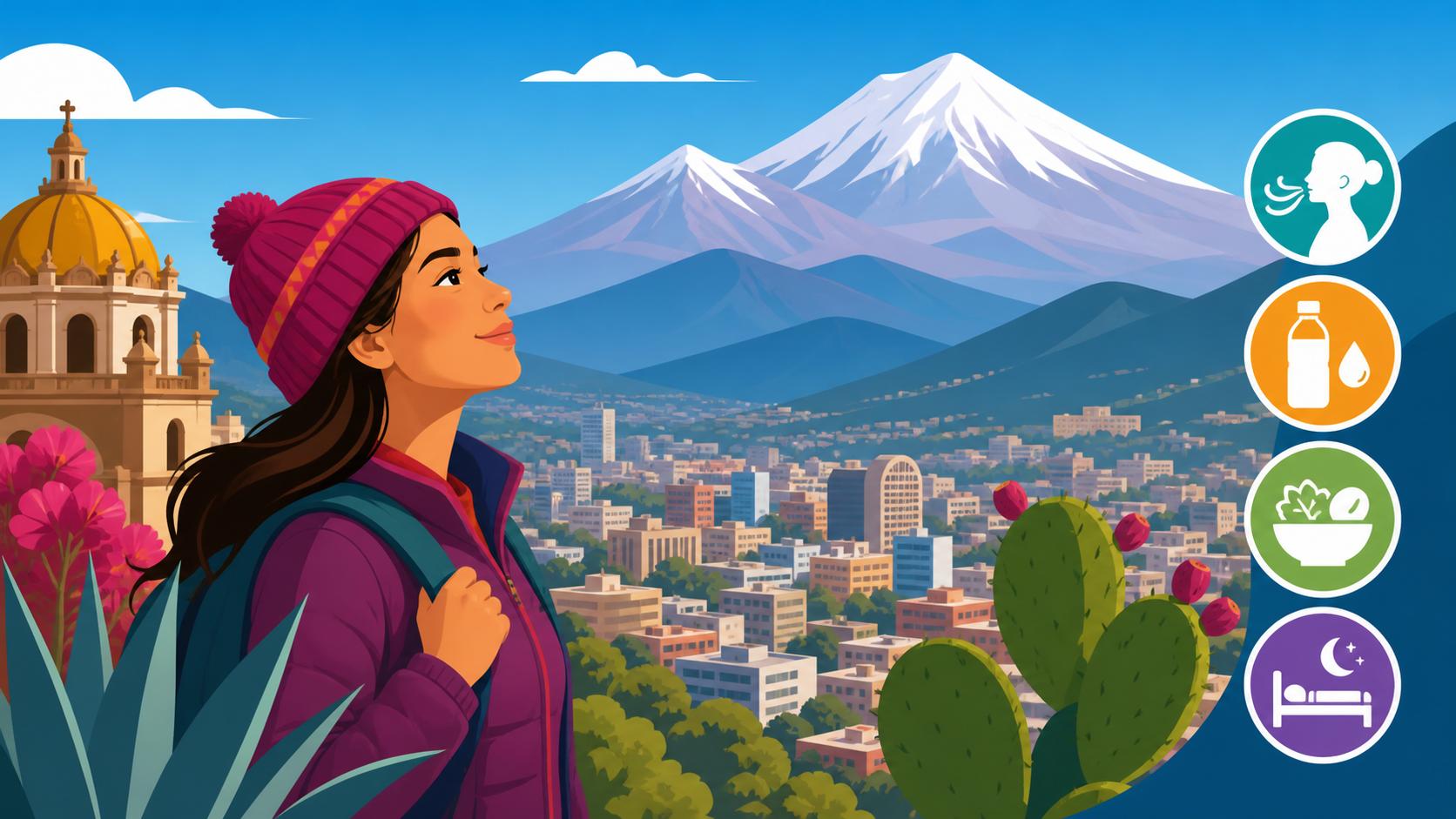
Mexico City sits at approximately 2,240 meters (7,350 feet) above sea level. To put that in perspective, it is significantly higher than Denver, Colorado, the famous "Mile High City." At this elevation, the air is "thinner," meaning there are fewer oxygen molecules in every breath you take. For a newcomer, this results in your heart and lungs working double-time to deliver oxygen to your muscles and brain.
The physiological impact is real. Your body will eventually compensate by producing more red blood cells to carry oxygen more efficiently, but this process takes weeks, not days. During those first few weeks of Living in Mexico City: An Expat's Guide to Neighborhoods and Lifestyle, you might feel a lingering sense of lethargy or find yourself gasping for air after a simple walk to the local tianguis. It’s not just in your head; it’s a biological response to a dramatic change in environment.
Popular High-Altitude Expat Destinations
It’s not just the capital that sits in the clouds. Many of the most beloved expat havens in Mexico are located at elevations that require significant adjustment. San Miguel de Allende, for instance, sits at roughly 1,900 meters (6,230 feet), while Lake Chapala is at 1,520 meters (5,000 feet). Even higher is Toluca, which towers at over 2,600 meters.
If you are Living in San Miguel de Allende: A Cultural Haven for Expat Retirees, you’ll notice the hilly cobblestone streets feel twice as steep during your first month. Each of these locations offers a "perpetual spring" climate because of the altitude, which is a massive draw for expats, but the trade-off is the initial physical toll of the thin air. You’ll want to stay connected with family while you’re resting during those first dizzying days, so having an e-SIM from Airalo ready to go as soon as you land can save you the stress of hunting for a physical store when you’re already feeling lightheaded.
Recognizing and Managing Altitude Sickness
Altitude sickness, known locally as "mal de montaña" or sometimes "soroche," can range from a mild annoyance to a serious medical situation. Most expats will experience the mild form, which feels like a persistent, low-grade hangover.
The Immediate Symptoms
The most common symptoms include a dull headache that doesn't quite go away with aspirin, a loss of appetite, nausea, and a strange sense of insomnia where you feel exhausted but your heart rate is too high to let you fall into a deep sleep. I’ve spoken to many expats who initially mistook these symptoms for Traveler’s Diarrhea (Montezuma’s Revenge): Prevention and Treatment because of the nausea, but if your stomach is fine and your head is thumping, it’s likely the elevation.
Other subtle signs include "altitude dreams"—vivid, often bizarre dreams caused by disrupted sleep patterns—and a slight swelling in the hands or feet. These are generally harmless but serve as a reminder that your body is under stress. For more specific advice on the physiological side, check out our guide on Altitude Sickness in Mexico: Tips for Adjusting to High Elevations.
When to Seek Professional Help
While most people adjust within three to five days, some individuals may develop more severe symptoms. If you experience a persistent cough, extreme shortness of breath even while sitting down, or a loss of coordination (feeling "drunk" when sober), you need to seek medical attention immediately. These can be signs of HAPE (High Altitude Pulmonary Edema), which is rare at Mexico City’s elevation but not impossible.
Knowing how to navigate Healthcare in Mexico City: Top Hospitals and Clinics for Expats is essential before you actually need it. Keep a list of Emergency Numbers in Mexico: How to Call Police, Fire, or Ambulance on your fridge and saved in your phone. Most private hospitals in highland cities are well-versed in treating altitude complications and have the necessary oxygen equipment on hand.
Lifestyle Adjustments for the Thin Air
Adjusting to high altitude isn't just about waiting; it's about changing how you live, eat, and move during your "acclimatization window."
Hydration and Diet: More Than Just Water
At high altitude, the air is incredibly dry, and you lose moisture through respiration much faster than you do at sea level. You need to drink significantly more water than you think. However, water alone isn't enough; you are also losing electrolytes. I always suggest that new arrivals include a "suero" (an electrolyte drink like Electrolit, available in every OXXO) in their daily routine for the first week.
Diet plays a role too. Your body burns through carbohydrates faster at high altitude to maintain energy levels. Now is not the time to start a strict keto diet. Complex carbohydrates like beans, tortillas, and fruit are your friends. Also, keep an eye on your iron intake, as your body needs iron to build those extra red blood cells. Following Staying Healthy in Mexico: Essential Tips for Food, Water, and Preventive Care will give you a broader look at maintaining your well-being in this unique climate.
The Tequila Trap: Alcohol and Elevation
This is the golden rule for every new expat in Mexico City or Guadalajara: one drink at sea level equals two or three drinks at 7,000 feet. The lower oxygen levels mean your liver processes alcohol differently, and the dehydration from the altitude intensifies the effects.
I learned this the hard way at my first expat mixer. After two margaritas, I felt like I’d finished a bottle of mezcal. The hangovers at high altitude are also notoriously brutal, often triggering a full-blown episode of altitude sickness the next day. Take it very slow for the first month. If you are Staying Healthy in Mexico: Essential Tips for Food, Water, and Preventive Care, moderation is your best strategy.
Physical Activity and Rest
If you’re a runner or a gym rat, you need to scale back your expectations. Your first week should involve nothing more strenuous than light walking. Even if you feel okay, your cardiovascular system is working overtime. By the second week, you can introduce light cardio, but listen to your body. If you feel dizzy, stop.
Many expats choose to stay at a Selina when they first arrive because these locations often have great common areas and a community of people who are going through the exact same transition. It’s a great place to take it easy, work on your laptop, and let your body catch up to the elevation before you commit to a long-term apartment.
Environmental Challenges: Sun, Air, and Dryness
Living in the highlands brings environmental factors that you might not have considered, specifically regarding the intensity of the sun and the quality of the air.
Protecting Your Skin and Eyes
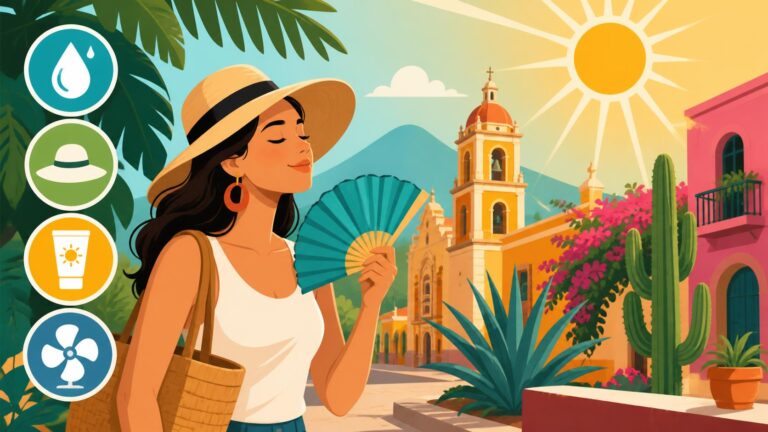
At high altitudes, there is less atmosphere to filter out ultraviolet (UV) rays. In Mexico City or San Miguel, you can get a severe sunburn in as little as 15 minutes, even on a cloudy day. The "burn" feels different here; it’s more piercing.
You must wear high-SPF sunscreen daily, even if you’re just walking to the office. A wide-brimmed hat and UV-protective sunglasses are also non-negotiable. I recommend Building a First Aid Kit: Essential Medical Supplies for Expats in Mexico and including a high-quality, dermatological-grade sunscreen. You can easily order these specialized skin products through Amazon Mexico to have them delivered directly to your door, avoiding the search through local pharmacies.
Combatting the Dryness Indoors
The lack of humidity in the highlands can wreak havoc on your respiratory system and your skin. Many expats suffer from dry, itchy eyes, "altitude nosebleeds," and cracked skin during the dry season (November to May).
A humidifier is an essential investment for your bedroom. It helps keep your nasal passages moist, which actually helps prevent viruses from taking hold. Additionally, if you have pre-existing conditions like asthma, you need to be aware of Air pollution concerns: Living in Mexico City with Allergies or Asthma. The valley surrounding the capital can trap pollutants, and the thin air makes respiratory irritation more pronounced.
High-Altitude Household Hacks
One of the most surprising things about living at high altitude is how it changes the physics of your daily chores, particularly in the kitchen.
The Science of Cooking at 7,000 Feet
Water boils at a lower temperature at high altitude. In Mexico City, water boils at around 92°C (198°F) instead of the standard 100°C (212°F). This sounds like a minor detail until you try to cook a pot of beans or pasta.
- Boiling Times: Everything takes longer to boil. Your pasta will likely need an extra 2–3 minutes, and if you're making a traditional Mexican pot of beans ("frijoles de la olla"), it can take hours longer than at sea level.
- Baking: This is the real challenge. Cakes rise too quickly and then collapse because the air pressure isn't strong enough to hold the structure. You’ll need to adjust your leavening agents (less baking powder) and increase your liquid intake.
- Pressure Cookers: Most Mexican households at high altitude use a "olla de presión" (pressure cooker). It’s the only way to cook meats and legumes efficiently.
Maintenance and Utility Considerations
Because the air is drier and the UV is stronger, materials in your home will age differently. Wood furniture may crack if not conditioned, and exterior paint will fade much faster than in cooler, lower climates.
You’ll also find that your thirst isn't the only thing that's constant; your plants will need significantly more water. If you're used to watering your indoor ferns once a week, you might find them shriveled in three days in a CDMX penthouse. It’s all part of the learning curve of mountain living. If you ever run into a health snag while adjusting, it's worth knowing how to go about Finding English-Speaking Doctors and Specialists in Mexico to ensure nothing is lost in translation.
Comparison of Altitudes in Popular Mexican Regions
| City | Elevation (Meters) | Elevation (Feet) | Acclimatization Difficulty |
|---|---|---|---|
| Mexico City | 2,240m | 7,350ft | High |
| Toluca | 2,660m | 8,720ft | Very High |
| San Miguel de Allende | 1,900m | 6,230ft | Moderate-High |
| Guadalajara | 1,560m | 5,120ft | Moderate |
| Lake Chapala | 1,520m | 5,000ft | Moderate |
| Cuernavaca | 1,510m | 4,950ft | Moderate |
| Oaxaca City | 1,550m | 5,080ft | Moderate |
| Cancún | 10m | 33ft | None |
For those moving with existing health concerns, it is wise to consult with a specialist who understands high-altitude physiology. You can find more information on Healthcare in San Miguel de Allende: Options in and Around the City or other regional hubs to see what kind of support is available. Taking the time to prepare for the altitude won't just make your first month more comfortable; it will ensure your transition to Mexican life is as smooth as a well-aged reposado.
Medical Disclaimer
The information provided in this article is for educational and informational purposes only and is not intended as medical advice. Altitude sickness and related conditions can be serious. Always seek the advice of a qualified healthcare provider with any questions you may have regarding a medical condition or before making significant lifestyle changes in a high-altitude environment. If you suspect you are suffering from severe altitude sickness, seek emergency medical attention immediately.