Living in Mérida and the Yucatán: Expat Guide
Trying to find a balance between modern convenience and old-world charm in Mexico often leads to a "goldilocks" search that ends in the Yucatán. I remember my first week in Mérida; I stepped off the plane and the humidity hit me like a physical wall, making me wonder if I'd made a massive mistake. This guide solves the mystery of whether the "White City" is right for you by breaking down the real-world logistics of living in Mérida and the Yucatán Peninsula.
Disclosure: This post may contain affiliate links. We may earn a commission at no extra cost to you if you make a purchase through these links. Read full disclosure.
Why Mérida has Become the Ultimate Expat Magnet
For years, Mérida was the well-kept secret of retiree communities, but by 2026, it has blossomed into a multi-generational hub. The draw isn't just one thing; it is a combination of factors that create a high quality of life that is increasingly hard to find in North America or Europe. However, moving here isn't a vacation, and the "honeymoon phase" can end abruptly if you aren't prepared for the local rhythm.
Unmatched Safety and Peace of Mind
Safety is usually the first question any prospective expat asks. I’ve lived in several Mexican cities, and the vibe in Mérida is distinctly different. It consistently ranks as one of the safest cities in North America, not just Mexico. This isn't just marketing fluff; you will see families sitting in local parks at 11:00 PM and solo runners out before dawn. The state of Yucatán operates with a level of community policing and social cohesion that is the envy of the rest of the country.
However, safety here is also a product of the "vecino" (neighbor) culture. People look out for one another. When I first moved in, my neighbor spent twenty minutes explaining why I shouldn't leave my porch light off at night—not because of crime, but so the neighborhood watch knew the house was occupied. Understanding these unwritten rules is part of Living in Mérida: The Expat Guide to Yucatán’s Colonial Gem. It’s a peace of mind that allows you to truly relax, but it requires you to be an active, respectful member of the community.
The Cultural Heart of the Yucatán
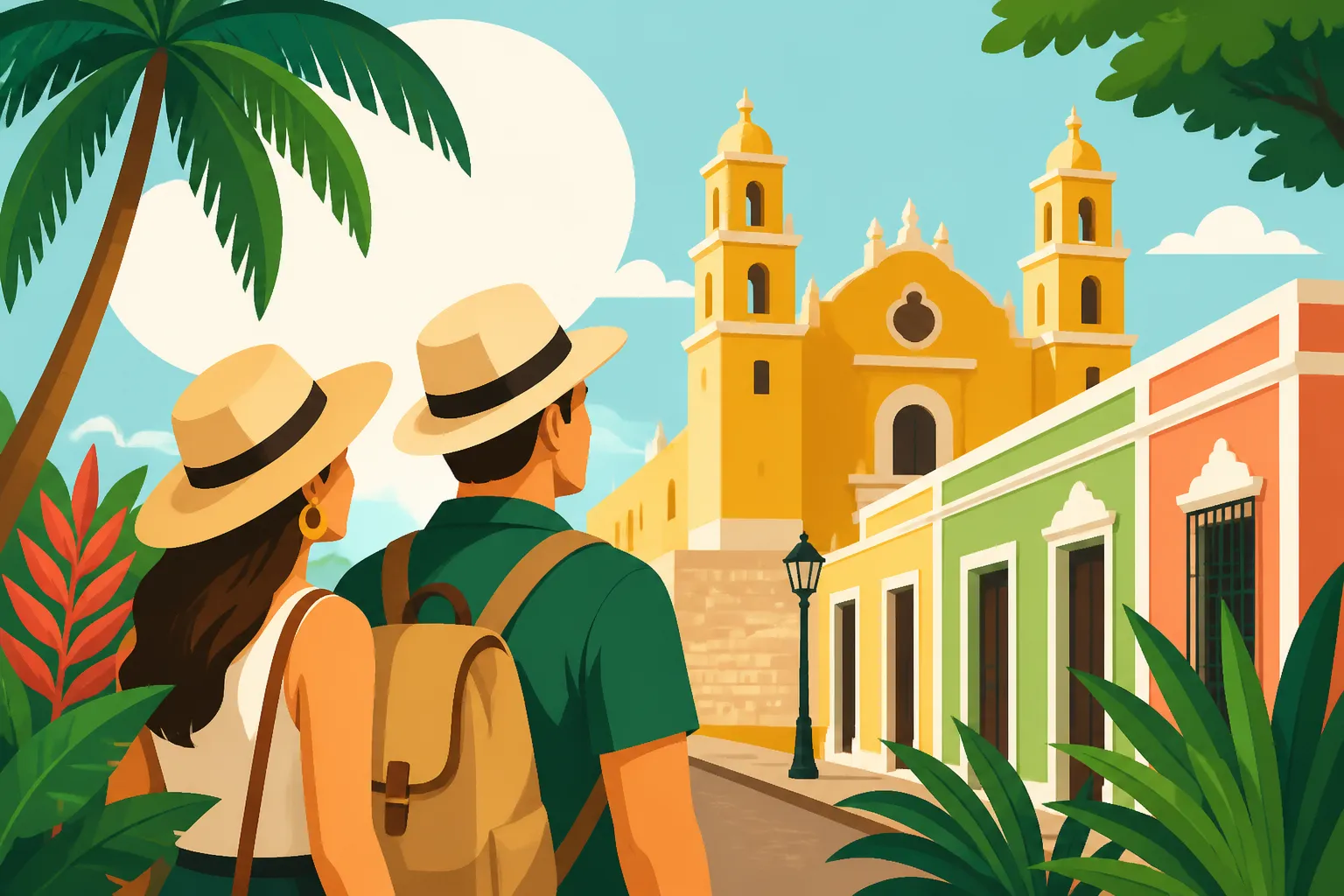
Living in Mérida means living in a city that refuses to stop celebrating. From the Vaquería on Monday nights to the Bici-Ruta on Sundays, the city is a constant rotation of free cultural events. The Maya heritage is woven into everything here—the food, the language nuances, and the architecture. You aren't just moving to a city; you are moving into a living history book.
The gastronomy alone is a reason to stay. Beyond the standard tacos you find elsewhere, Yucatecan cuisine involves complex flavors like achiote, sour orange, and habanero. Learning to navigate the local markets is a rite of passage. You’ll find yourself moving past the "tourist" spots to the stalls in Lucas de Gálvez market where the locals eat. If you are worried about the transition, many newcomers spend their first few weeks at a place like Selina to connect with others who are also figuring out which habanero salsa is actually "mild" (hint: none of them are).
Cost of Living Realities in 2026
While Mérida remains more affordable than coastal hotspots like Playa del Carmen or Tulum, the secret is out, and prices have adjusted accordingly. Real estate in the historic center (Centro) has seen a significant uptick. You can still live a very comfortable life on a budget that would barely cover rent in California, but you need to be strategic.
Your biggest variable expense will always be electricity. The heat in the Yucatán is relentless, and running air conditioning 24/7 can lead to a "recibo de luz" (electricity bill) that will make your eyes water. Smart expats learn to build their lives around the climate—thick colonial walls, ceiling fans, and stone floors are your best friends. To get a better handle on your monthly outlays, check out our Cost of Living in Mérida: 2026 Guide for Expats to see a line-by-line breakdown of what to expect for groceries, dining, and utilities.
Navigating the Real Estate Landscape in Mérida
Finding a home in the Yucatán is a different beast than in the US or Canada. There is no centralized "MLS" system that everyone uses, and "For Rent" signs (Trato Directo) are often your best bet for finding a deal. The city is sprawling, and choosing the wrong neighborhood can mean a very long commute or a very noisy living situation.
Popular Neighborhoods for Expats
The "Centro Histórico" is where most expats start. It’s full of high ceilings, pasta tile floors, and hidden courtyard pools. Living in Centro means you are walking distance to the best restaurants and theaters, but it also means dealing with bus noise and narrow sidewalks. If you prefer a more modern, suburban feel, the northern part of the city (Norte) offers gated communities, luxury malls, and wider streets. Areas like Altabrisa and Montebello are popular for families who want a lifestyle closer to what they had back home.
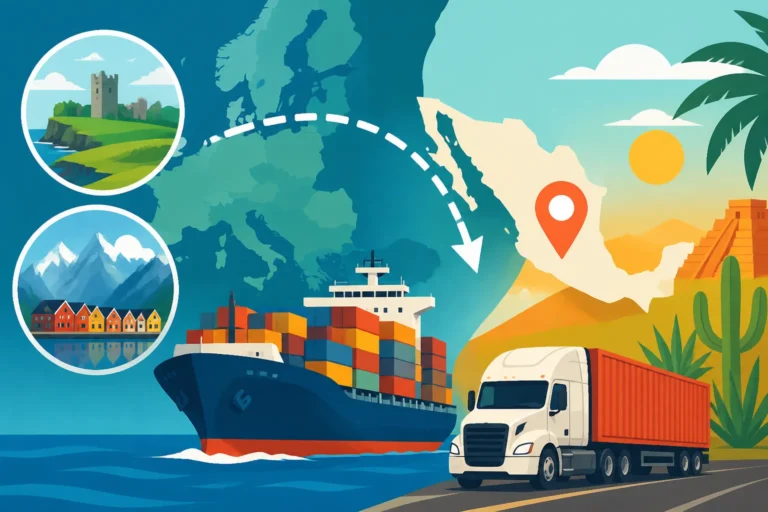
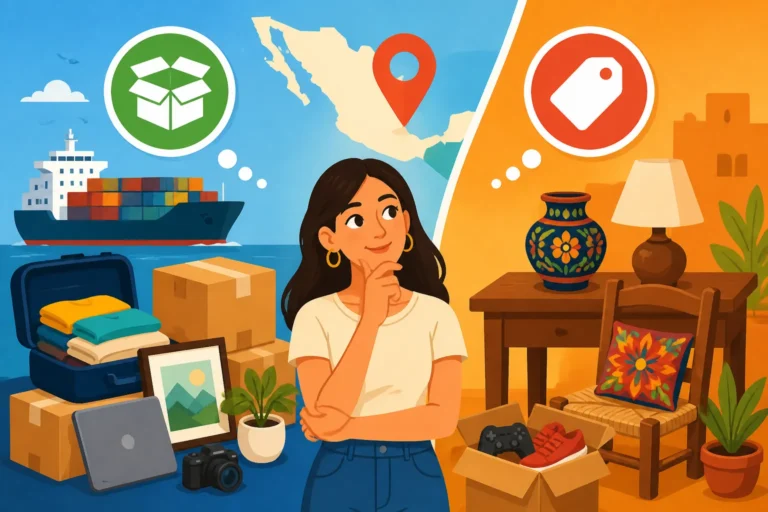
For those who want a blend of both, neighborhoods like Santiago and Santa Ana offer a "village within a city" feel. You’ll have a local market, a church square, and a tight-knit community of both locals and foreigners. When I was looking for a place, I found that visiting these squares in the evening was the best way to gauge the noise level and the "vibe" of the area. If you are moving a whole household of furniture down here, using a service like Sirelo can take the headache out of the international shipping logistics, allowing you to focus on whether your new street has a frequent "gasero" truck passing by.
The Rental Process and Avoiding Scams
Renting in Mérida usually involves a one-year contract, a month's rent as a deposit, and often a "convenio" (a legal fee paid to a lawyer to notarize the contract). Be wary of anyone asking for large deposits via wire transfer before you have seen the property. In the Yucatán, the "Aval" system is common—landlords often want a co-signer who owns property in the state. Since most expats don't have this, you can usually negotiate by paying an extra month’s deposit or a slightly higher legal fee.
It is also vital to understand what is included. Many rentals in Mérida are "semi-furnished," which might mean anything from "has a fridge" to "has a bed but no sheets." Always ask about the water pressure and the type of gas used (stationary tank vs. cylinders). For a deeper dive into the legalities, our guide on Renting a Home in Mexico: Complete Expat Guide to Leases, Deposits, and More is an essential read before you sign anything.
Buying Property and the Fideicomiso
If you fall in love with the city and decide to buy, you’ll encounter the "Fideicomiso." Because Mérida is relatively close to the coast, much of the surrounding area falls within the "Restricted Zone." This means foreigners must hold the title through a bank trust. It is a safe and standard procedure, but it adds an extra layer of annual fees and paperwork.
Many expats choose to buy "fixer-uppers" in Centro. While the results can be stunning, be prepared for the "INAH" (National Institute of Anthropology and History) regulations. If your house is considered a historic monument, you cannot simply paint the facade any color you want or change the window shapes without a permit. The process is slow and requires patience, but the result is a piece of history that you get to call home.
Practicalities of Living in the Yucatán
Once the boxes are unpacked, the real work of living begins. The Yucatán operates on its own timeline, often referred to as "manaña time," but it’s more about a cultural priority of people over schedules. Adjusting to this is the key to avoiding "expat burnout."
Dealing with the Yucatecan Climate
The heat here is not a joke. From April to September, temperatures regularly soar above 100°F (38°C) with humidity levels that make it feel even hotter. The locals have mastered the art of the "siesta" for a reason—the city effectively shuts down between 2:00 PM and 4:00 PM because it’s simply too hot to do anything.
You will need to learn about "tropical maintenance." Mold grows fast, and the limestone dust (cal) gets into everything. If you have a pool, you’ll be testing the chemicals constantly. But there is a flip side: the "winter" months (November to February) are absolutely glorious, with temperatures in the 70s and 80s and cool breezes at night. During the transition, make sure you have your Health Insurance in Mexico: How Expats Can Get Coverage (2027) sorted out, as the change in humidity can sometimes lead to respiratory "shocks" for newcomers.
Healthcare and Medical Services
Mérida is a medical hub for the entire southeast of Mexico and even parts of Central America. The quality of care here is exceptional, with many doctors having trained in the US or Europe. Private hospitals like Star Médica or Faro del Mayab offer world-class facilities at a fraction of the cost you would find north of the border.
For routine issues, the city is dotted with "Consultorios" attached to pharmacies like Farmacias del Ahorro, where you can see a doctor for about $5 USD. However, for long-term residency, you’ll want to look into Healthcare in Mérida: Quality of Medical Care in Yucatán to find a specialist who speaks your language and understands your medical history. Most expats find that a mix of out-of-pocket payments for minor things and private insurance for emergencies is the best way to go.
Staying Connected and Setting Up Utilities
Setting up your home office? Internet in Mérida is generally very reliable, with fiber optic (Totalplay or Telmex) available in most neighborhoods. Speeds can easily reach 500 Mbps or higher in the city. If you’re just arriving and need immediate data, downloading an eSIM from Airalo is a lifesaver until you can get your local Telcel SIM card or home internet installed.
| Utility/Service | Typical Provider | Monthly Est. (Moderate Use) | Note |
|---|---|---|---|
| Electricity | CFE | $80 – $250 USD | Highly dependent on AC usage |
| Water | JAPAY | $10 – $20 USD | Usually very affordable |
| Fiber Internet | Totalplay / Telmex | $25 – $50 USD | Very stable in Mérida |
| Mobile Data | Telcel / AT&T | $15 – $30 USD | Telcel has the best coverage |
| LP Gas | Zeta / Abimerhi | $20 – $40 USD | Delivered by truck to your tank |
Beyond the City: Living in the Yucatán Coastal Towns
Mérida is the hub, but for many, the "Emerald Coast" is the true destination. Towns like Progreso, Chelem, Chuburná, and Sisal offer a very different lifestyle. Here, the pace is dictated by the tides and the arrival of the cruise ships (in Progreso's case).
The Appeal of the Emerald Coast
The Gulf of Mexico is not the turquoise Caribbean of Cancún; it’s a darker, calmer green. The "beach life" here is more about quiet mornings and spectacular sunsets than beach clubs and parties. Many expats choose to live in the beach towns during the winter and retreat to the city during the summer when the humidity on the coast can become stifling.
Living on the coast means dealing with "salitre" (salt air) which eats through appliances and electronics at an alarming rate. You’ll be replacing your toaster every two years, and your car will need frequent undercarriage washes. However, for those who love the sea, the trade-off is worth it.
Infrastructure and Accessibility
Progreso is the "big city" on the coast and has most of what you need—supermarkets, pharmacies, and a decent hospital. If you live in the smaller villages like Chelem, you’ll likely be driving into Mérida once a week for a "big" shopping trip at Costco or Walmart. The highway between Mérida and Progreso is an eight-lane straight shot, making the commute about 30 to 40 minutes.
Public transportation (the "Auto-Progreso" bus) is excellent and cheap, but most expats living on the coast eventually find they need a car. If you're wondering about the logistics of this, check out Bringing Your Car vs Buying in Mexico: Pros and Cons for Expats to see which route makes more sense for your coastal lifestyle.
Integrating into the Local Community
You can live in Mérida for years and never leave the "expat bubble," but you would be missing the best part of the experience. The Yucatecan people are famously polite and somewhat formal. Learning the social cues is vital for a smooth transition.
Cultural Etiquette and the "Mérida Pace"
In Mérida, a "buenos días" is not optional. Whether you are entering an elevator or a small corner store, acknowledging the people around you is the baseline for respect. Also, understand that things take time. If a plumber says he will be there at 10:00 AM, he might mean 11:30 AM, or he might mean he’ll see you tomorrow. This isn't laziness; it’s a different prioritization of time. Getting angry won't make him arrive faster; it will only ensure he doesn't come back at all.
Socializing often happens around food. If you are invited to a "botana," expect it to last for hours. There will be constant snacks, plenty of cold beverages, and lively conversation. Being a good guest involves staying late and participating in the "sobremesa"—the long period of chatting after the meal has finished. To help with the language barrier, we recommend Learning Spanish in Mexico: Top Tips and Resources for Expats to get you started with local Yucatecan slang.
Finding Your Tribe
Mérida has a massive expat community with dozens of Facebook groups, library meetups, and bird-watching clubs. Whether you are into photography, volunteering, or just looking for a weekly bridge game, you will find it here. The "Mérida Men's Group" and various women's associations are great places to start.
Don't be afraid to branch out and meet locals as well. Joining a gym, taking a local cooking class, or volunteering at a "comedor" (community kitchen) are excellent ways to build bridges. Most Yucatecans are very proud of their city and are happy to share its secrets if they see you are making a genuine effort to integrate. For those moving with kids, Pediatric Care in Mexico: Healthcare for Expat Children can help you connect with other parents in the local school system.
Important Disclaimer
The information provided in this guide is for informational purposes only and is based on personal experiences and research up to June 2026. Laws, visa requirements, and costs in Mexico can change rapidly. Always consult with certified professionals, such as immigration lawyers or tax accountants, before making any major financial or legal decisions regarding your move to Mérida or the Yucatán.
Frequently Asked Questions about Living in Mérida
Is it really as hot as everyone says?
Yes. In fact, it's probably hotter. If you don't like heat and humidity, Mérida will be a struggle for about six months of the year.
Do I need to speak Spanish?
While you can survive in the expat bubbles with English, your life will be 100% better if you learn at least basic Spanish. It is essential for dealing with utility companies and local tradespeople.
Can I drink the tap water?
No. Everyone in Mérida drinks "garrafones" (20-liter jugs of purified water) which are delivered to your door. Most people also use purified water for cooking and brushing teeth.
Is Mérida good for digital nomads?
Absolutely. With high-speed internet and plenty of cafes, it's a top choice. Many nomads start at Digital Nomad Life in Mexico: Remote Work Living Guide to get their bearings.