Living in Mérida: The Expat Guide to Yucatán’s Colonial Gem
Many expats arrive in Mérida expecting a breezy, tropical retirement, only to be completely blindsided by the brutal reality of the climate and the intense local bureaucracy. Mérida is consistently ranked as the safest city in Mexico, drawing thousands of foreigners with its stunning colonial architecture and deep Mayan heritage. However, thriving here requires massive logistical preparation. This guide breaks down the physical, financial, and cultural realities of relocating to Yucatán’s capital so you can confidently build a sustainable life.
Disclosure: This post may contain affiliate links. We may earn a commission at no extra cost to you if you make a purchase through these links. Read full disclosure.
The Climate Reality: Surviving the Yucatecan Furnace
When you conceptualize moving to Mexico, it is dangerously easy to lump the entire country into a single “tropical” category. Mérida shatters this oversimplification. Situated inland on the Yucatán Peninsula, isolated from the coastal breezes of the Caribbean, the city operates in a dramatically extreme environmental reality.
The Blistering Heat and Humidity
Mérida is arguably one of the hottest cities in Mexico. From April through September, the heat is not merely uncomfortable; it is a heavy, physical force that dictates the rhythm of the entire city. Daytime temperatures routinely push past 100°F (38°C), accompanied by punishing humidity levels that make the heat index feel significantly higher.
Stepping outside at 2:00 PM during May feels like walking into a pressurized steam room. You will sweat through your clothes within minutes. Because of this extreme climate, local Yucatecans completely alter their daily routines. You will learn very quickly that you cannot walk outside between the hours of 1:00 PM and 5:00 PM without risking severe heat exhaustion. Life happens either early in the morning before the sun peaks, or late at night after the concrete has finally cooled.
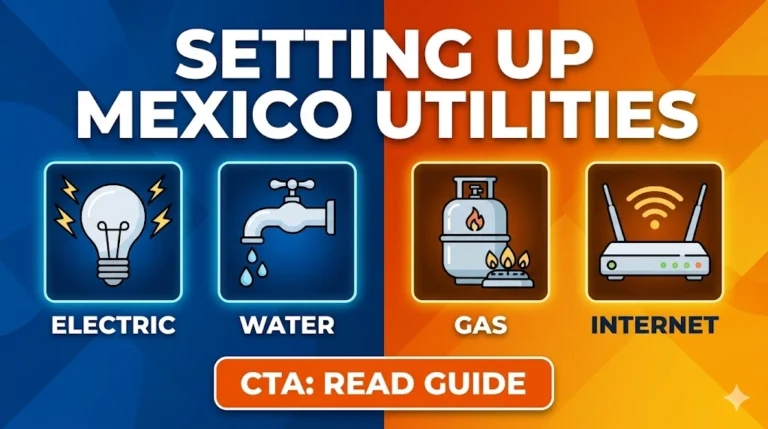
This extreme climate has a direct, agonizing impact on your monthly budget. Air conditioning is not a luxury in Mérida; it is an absolute necessity for physical survival. Running your mini-split AC units continuously during the summer will cause your electricity bills to skyrocket, pushing you into the punitive high-consumption tiers of the national power grid. To understand how to manage these specific utility tiers and avoid billing disasters, you must review Setting Up Utilities in Mexico: Electricity, Water, and Internet.
Hurricane Season and the Heavy Rains
While the heat is the primary adversary, Mérida is also subject to the intense tropical weather patterns of the Gulf of Mexico and the Caribbean. Hurricane season officially runs from June through November. While Mérida’s inland location protects it from the catastrophic, direct storm surges that frequently devastate coastal cities like Cancún, the city still experiences massive, torrential downpours and severe wind events.
When a major tropical depression stalls over the peninsula, the city’s older drainage infrastructure frequently fails. The streets in the historic center can flood rapidly, turning intersections into knee-deep rivers within an hour. Furthermore, the extreme humidity during the rainy season breeds black mold aggressively inside your home. It will attack leather shoes, wooden cabinets, and clothing if left unmanaged.
To protect your respiratory health and your personal property, you must actively engineer your indoor climate. Local hardware stores in Mérida frequently sell out of specialized climate-control appliances during peak seasons. To bypass this chaotic local retail supply chain, savvy expats rely exclusively on Amazon Mexico. Utilizing the localized Amazon Mexico platform allows you to order commercial-grade dehumidifiers, heavy-duty HEPA air purifiers, and replacement AC filters directly to your door, ensuring you have the tools to fight the jungle environment without battling international customs delays.
Neighborhoods: The Historic Center vs. The Modern North
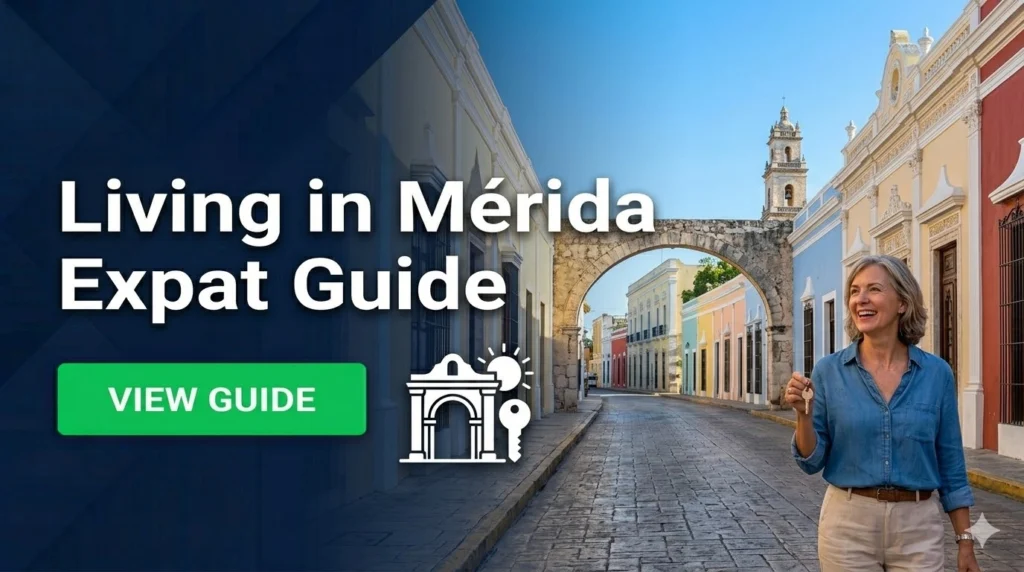
Mérida is a sprawling, highly decentralized metropolis that is roughly divided into two distinct cultural and architectural realities. Choosing between the romantic historic center and the hyper-modern north will dictate your entire expat experience, determining your daily commute, your grocery options, and your utility bills.
Centro Histórico: The Colonial Dream
The Centro Histórico is the beating, cultural heart of Mérida. It is the second-largest historic center in the Americas, second only to Mexico City. Expats flock here to buy and restore stunning, crumbling colonial mansions (casonas). Living in Centro means you are surrounded by towering 18th-century cathedrals, bustling municipal markets, and vibrant plazas like Santa Lucía and Santiago, where free cultural events and live music happen almost every night.
However, living in this romanticized zone comes with profound logistical friction. The streets are incredibly narrow, making driving and parking a daily nightmare. The noise pollution is staggering; between the roar of diesel city buses, the constant fireworks for local patron saints, and the early morning street vendors, Centro is exceptionally loud.
Furthermore, the physical architecture of these colonial homes presents unique challenges. They feature soaring 18-foot ceilings and thick stone walls designed to stay cool, but they are notoriously difficult to air-condition efficiently. The ancient plumbing systems often cannot handle toilet paper, and the electrical grids in older neighborhoods are highly susceptible to sudden brownouts during summer storms.
North Mérida: Modernity and Convenience
For expats who find the noise and maintenance of the historic center exhausting, the northern neighborhoods—such as Altabrisa, Temozón Norte, and Montes de Amé—offer a spectacular, hyper-modern alternative.
North Mérida feels like an entirely different city. It is characterized by massive, pristine shopping malls (like Plaza La Isla and The Harbor), wide, manicured avenues, and secure, gated residential communities (privadas). The housing stock here consists heavily of brand-new, modern construction with flawless plumbing, dedicated parking garages, and highly efficient, integrated air conditioning systems.
The primary drawback of the north is its profound car dependency. You cannot simply walk out your front door to a charming local cafe or a traditional market; you must drive absolutely everywhere. It also lacks the raw, authentic cultural grit of traditional Mexico, often feeling more like a wealthy suburb of Miami or Texas. However, for families with children or expats who prioritize quiet, security, and modern convenience over historic charm, North Mérida is the undisputed choice.
The Unfurnished Rental Reality
Whether you choose a restored colonial in Centro or a sleek high-rise in Altabrisa, you must understand the brutal reality of the Mexican rental market. When you sign a long-term lease for an unfurnished apartment (sin amueblar), you are essentially renting a bare concrete box.
In Mérida, an unfurnished home often means absolutely no kitchen appliances. There will be no refrigerator, no stove, no washing machine, and frequently no built-in closets or ceiling fans. You are entirely responsible for outfitting the functional interior of the home from scratch. Doing this during your first week by fighting the infamous heat to visit local big-box stores is an exhausting, spirit-breaking endeavor.
To navigate this massive logistical headache, expats digitize their household setup. Instead of hauling heavy appliances across town in the sweltering heat, they order premium mattresses, microwaves, ergonomic office chairs, and specialized cookware directly through Amazon Mexico. The convenience of having heavy, specialized household items delivered reliably to your new, empty apartment allows you to focus your energy on cultural integration rather than fighting the local retail supply chain. For deeper insights into managing these specific lease types and negotiating with landlords, review Real Estate in Mexico: Renting vs Buying for Expats.
The Cost of Living: Safety, Subsidies, and the Expat Premium
Mérida is widely celebrated as the safest city in Mexico, boasting crime rates that rival modern European capitals. This unparalleled security has triggered a massive influx of both foreign expats and wealthy Mexicans fleeing the cartel violence in other states. Consequently, the cost of living has shifted aggressively.
The Gringo Tax and Rising Rents
Mérida is no longer the dirt-cheap, budget-friendly haven it was a decade ago. The surging demand for housing has caused rents in the desirable “expat bubbles” (like Garcia Gineres, Santiago, and the northern privadas) to skyrocket. A modern, furnished two-bedroom home with a private pool in a safe neighborhood can easily cost between $1,200 and $2,500 USD a month.
Furthermore, you are constantly fighting the “Gringo Tax”—the inflated pricing applied to foreigners by local contractors, real estate agents, and vendors. If you attempt to arrive in Mérida and rent a house without speaking a word of Spanish, you will absolutely pay a premium.
Beyond the monthly cost, securing the lease itself introduces the infamous Aval requirement. Mexican landlords fiercely protect their assets and almost universally demand a local co-signer who owns debt-free property in the exact same state of Yucatán to guarantee your lease against squatters. As a newly arrived foreigner, bypassing this usually requires paying out of pocket for a specialized legal eviction policy (Póliza Jurídica) or offering to pay six months of rent upfront in cash.
The CFE Electricity Shock
If there is one budget item that destroys the financial plans of new expats in Mérida, it is the electricity bill. The federal power company, the CFE, utilizes a highly complex, tiered billing system. The system is designed to subsidize low-income households while heavily penalizing excessive users.
Because the Yucatecan heat requires you to run multiple air conditioning units daily, it is incredibly easy to accidentally cross the consumption threshold. If you breach this limit, the CFE permanently pushes you into the DAC (High Consumption) tier. Once you hit DAC, you completely lose all government subsidies, and the rate per kilowatt-hour triples. An electricity bill that was a manageable $60 USD in January can violently explode to $400 USD in August.
Managing this requires obsessive discipline. You must learn to cool specific rooms rather than the entire house, invest in high-efficiency inverter AC units, and seriously consider installing solar panels if you purchase a home. To legally manage the income you are spending and understand how the Mexican government tracks your financial footprint, read Taxes in Mexico for Expats: A Complete Guide to Income Tax and More.
| Expense Category | Estimated Monthly Cost (Mid-Range Expat) | Notes and Context |
| Housing (2-Bed Home w/ Pool) | $1,000 – $2,500 USD | Highest in the North and restored Centro homes. |
| Groceries (2 People) | $350 – $550 USD | Mix of local municipal markets and modern supermarkets. |
| Utilities (Electricity/Internet) | $100 – $400+ USD | Spikes massively in summer due to DAC tier penalties. |
| Transportation (Gas/Uber) | $100 – $250 USD | High car dependency if living outside of Centro. |
Digital Connectivity and the Remote Work Landscape
For digital nomads, software engineers, and remote corporate executives, the reliability of your internet connection is a matter of absolute career survival. Mérida has modernized its telecommunications grid aggressively, but the extreme climate introduces unique infrastructural vulnerabilities.
Fiber Optics and the Power Grid
In the central neighborhoods and the affluent northern suburbs, high-speed fiber-optic internet from providers like Telmex, Izzi, and Totalplay is the absolute standard. You can easily secure residential speeds of 200 to 500 Mbps, making heavy data transfers and high-definition video conferencing completely effortless.
The primary threat to your remote career is not the Wi-Fi bandwidth, but the fragile CFE power grid. During the peak summer months, when millions of residents are simultaneously running their air conditioning units, the grid frequently buckles under the strain. Rolling brownouts and sudden, localized power failures are an inevitable reality.
A ten-minute blackout will instantly kill your router and drop your client call. You must absolutely invest in an Uninterruptible Power Supply (UPS) battery backup for your modem to survive these rolling micro-outages. To dive deeper into the overarching tech strategies required to thrive and build a resilient home office here, read Digital Nomads in Mexico: Remote Work Guide.
Staying Connected on Arrival
Hunting for a long-term apartment or attending meetings across the sprawling Mérida grid requires you to be hyper-responsive and highly mobile. You cannot rely on spotty public Wi-Fi at coffee shops to stay connected to your team or your real estate agent.
You must localize your cellular data the absolute second your plane lands at Mérida International Airport. By downloading an eSIM profile through Airalo before you even cross the border, your phone instantly connects to Mexico’s robust Telcel networks. Having a dedicated Airalo data package is the ultimate digital safety blanket. If your residential Wi-Fi drops mid-presentation due to a summer blackout, you can instantly tether your laptop to your Airalo connection and save your workday without missing a beat. It also ensures you can safely navigate the complex, one-way street system of Centro upon arrival.
Bridging the Isolation with Coworking
Working remotely from an apartment in a foreign city can quickly lead to intense isolation and cabin fever. The intense heat of Mérida often traps people indoors, compounding this isolation.
To bridge your arrival and instantly tap into a vetted, reliable community, veteran expats heavily utilize transitional basecamps. Booking a private room or a dedicated desk at a Selina location is a strategic masterclass in relocation logistics. Selina provides commercial-grade internet, built-in coworking spaces, and an inherently welcoming environment designed for global citizens. You can walk downstairs and instantly network with other remote workers who can recommend safe neighborhoods, warn you about fragile local power grids, and introduce you to trustworthy local landlords. It acts as the perfect, low-risk basecamp while you explore whether Mérida is truly for you.
Healthcare: The Medical Tourism Hub of the Southeast
Your physical health and ongoing medical maintenance are paramount to a successful relocation. Mérida is the undisputed medical and educational capital of southeastern Mexico, offering exceptional, world-class infrastructure.
Elite Private Medical Facilities
Because it serves the entire Yucatán Peninsula (including affluent patients from Cancún and Belize), Mérida’s private healthcare sector is incredibly advanced, heavily funded, and highly sophisticated.
Elite facilities like Star Médica, Hospital Faro del Mayab, and Clinica de Mérida operate with clinical standards that frequently surpass hospitals in the United States or Canada. They feature the absolute latest diagnostic imaging machines, advanced oncology wards, and massive blood banks. They are heavily staffed by leading specialists who trained internationally and speak flawless English. If you live in Mérida and suffer a severe cardiac event or require complex trauma surgery, you have immediate access to life-saving, world-class intervention.
To understand the massive divide in quality, wait times, and bedside manner between these elite private facilities and the underfunded, Spanish-only public IMSS system, you must review Healthcare in Mexico: Complete Guide for Expats Public vs Private.
The Necessity of International Coverage
Do not be lulled into a false sense of security by the cheap pharmacy consultations available on every corner for minor ailments. A major medical crisis in a premium private hospital in Mérida will cost tens of thousands of dollars. The hospital administration will mercilessly demand a massive credit card deposit upfront—often between $3,000 and $5,000 USD—before they will even admit you to the emergency room or stabilize you.
Relying entirely on out-of-pocket cash for catastrophic medical events is financial suicide. You must secure robust international health coverage to guarantee you have VIP access to these elite hospitals without draining your life savings. A premium policy ensures you bypass the public clinics entirely and are transported directly to a facility equipped to handle complex trauma. To deeply understand the financial mechanics of this catastrophic medical protection, review Choosing Private Health Insurance: Local Mexican Plans vs International Coverage.
Furthermore, if you require highly specialized care or ongoing maintenance medications for chronic conditions, communicating your complex needs requires significant effort. To learn how to locate vetted, bilingual specialists before an emergency strikes, utilize the strategies detailed in Finding English-Speaking Doctors and Specialists in Mexico.
Navigating Local Bureaucracy and Infrastructure Quirk
Mérida operates with several highly specific regional quirks that you must master to live comfortably.
The Hard Water Problem
The entire Yucatán Peninsula is essentially a massive, flat shelf of porous limestone. There are no above-ground rivers; all fresh water flows through massive underground cave systems known as cenotes. Because the municipal water is pumped directly from this limestone aquifer, the water in Mérida is incredibly “hard,” meaning it is heavily saturated with calcium and magnesium.
This hard water is highly destructive. It will rapidly calcify and destroy your showerheads, coffee makers, washing machines, and the internal pipes of your water heater. You must install a specialized water softening system (suavizador de agua) for your home, and you must routinely descale your appliances with specialized chemicals. Furthermore, you absolutely cannot drink the tap water. You must manage the ongoing logistics of heavy, 20-liter garrafón deliveries for your drinking and cooking water.
Visas and the INM Gauntlet
You cannot simply move to Mérida and live long-term on a tourist visa. The Mexican government has cracked down aggressively on perpetual tourists. To legally rent a long-term home, purchase a vehicle to escape the heat, and open a bank account, you must secure a Temporary or Permanent Resident Visa based on economic solvency.
This process begins at a Mexican consulate in your home country before you arrive. Once you land in Mérida, a brutal bureaucratic clock begins. You have exactly 30 days to execute the complex Canje (exchange) process at the highly backlogged local National Institute of Migration (INM) office to receive your physical plastic resident card.
The INM office in Mérida is notoriously strict regarding paperwork formats, demanding specific margin sizes for photographs and flawless black-and-white copies. To ensure your paperwork is flawless and you survive the initial bureaucratic gauntlet without facing deportation, strictly follow the steps outlined in How to Apply for Temporary Residency in Mexico: Step-by-Step and calculate your exact required financial thresholds in Mexico Immigration Fees and Costs: Budgeting for Your Residency.
Transportation and Getting Around
Moving your physical body across Mérida requires strategy. In the historic center, the streets are arranged in a strict numerical grid (even numbers run north-south, odd numbers run east-west). While logical, the streets are incredibly narrow, and the sidewalks are often broken or perilously thin, making walking difficult.
If you live in Centro, a car is often more of a liability than an asset due to a total lack of street parking. Many expats here rely entirely on ride-sharing applications like Uber and DiDi, which are completely ubiquitous, highly affordable, and vastly safer than hailing unverified street taxis.
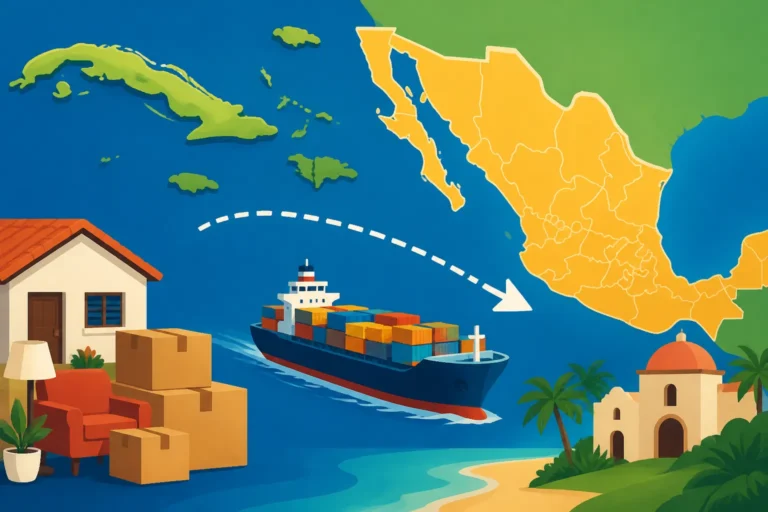
However, if you choose the modern comfort of North Mérida or the surrounding suburbs like Cholul or Conkal, owning a personal vehicle is a strict necessity. Walking to a grocery store in these areas is physically impossible due to massive highways (like the Periférico ring road) and the oppressive heat. If you are debating the complex logistics and massive import taxes associated with bringing your own vehicle across the border versus taking the financial hit to purchase one locally, you must deeply analyze your automotive options.
Community Integration and the Mayan Culture
The soul of the Yucatán is deeply distinct from the rest of Mexico. The culture here is profoundly rooted in its indigenous Mayan heritage, which survived the Spanish conquest and continues to define the language, the food, and the social rhythm of the region.
Breaking the Expat Bubble
In the highly gentrified neighborhoods of Mérida, it is dangerously easy to live your entire life speaking only English, surrounded entirely by other North American retirees and digital nomads. This creates a highly transient, shallow social circle. You can easily spend your days eating at upscale fusion restaurants, completely isolated from authentic Yucatecan culture.
To truly thrive and build a sustainable life, you must intentionally seek out the local community. You must commit to learning functional Spanish. Being able to joke with the vendor at the local market, negotiate respectfully with an electrician, or simply greet your neighbors correctly transforms your entire existence. It shifts you from being viewed as a wealthy, passing tourist to a respected, integrated member of the community.
Furthermore, you must embrace the local rhythm. The Yucatecan pace of life is famously relaxed and unhurried. Do not expect the aggressive, fast-paced efficiency of a North American city. Embrace the slower, deliberate pace. When a repairman says he will arrive mañana, accept that it means “not today.”
By securing your digital connectivity, fortifying your home against the extreme climate, and navigating the local bureaucracy with patience and respect, you can transform this stunning colonial gem into a highly functional, deeply rewarding permanent home.
References
Primary sources (official)
- Ayuntamiento de Mérida: The official municipal government site outlining local civic regulations, property tax payments (Predial), and urban development plans for the historic center and expanding suburbs. https://isla.merida.gob.mx/
- Yucatán: The official state tourism and development portal providing data on regional infrastructure, Mayan cultural heritage sites, and safety protocols for residents. https://www.yucatan.travel/
Other helpful sources
- Yucatán Today: An incredibly deeply researched, bilingual local magazine and portal covering the cultural nuances, ongoing events, and logistical realities of living in Mérida and the surrounding peninsula. https://yucatantoday.com/
- ExpatDen: A comprehensive, firsthand expat resource breaking down the true cost of living, healthcare logistics, and cultural transitions required for thriving in the Mexican interior. https://www.expatden.com/mexico/
Disclaimer
The information provided in this comprehensive guide is for educational, logistical, and informational purposes only and does not constitute formal immigration, legal, real estate, or medical advice. The cost of living, rental market prices, and public utility tariffs in Mérida are highly volatile and subject to rapid economic shifts and intense gentrification. Always consult with a certified bilingual Mexican attorney or a registered immigration facilitator before signing long-term leases or executing financial transfers, and thoroughly verify your international health insurance coverage networks before relocating abroad.