Living in Playa del Carmen: A Digital Nomad’s Beach Town Guide
The myth of the perfect beachside remote work setup often violently collides with the reality of failing coastal infrastructure and aggressive seasonal inflation. I once lost a crucial client contract because a sudden tropical downpour knocked out my entire neighborhood’s power grid for twelve agonizing hours. This guide breaks down the true infrastructural, financial, and cultural realities of building a sustainable digital nomad life in Playa del Carmen.
Disclosure: This post may contain affiliate links. We may earn a commission at no extra cost to you if you make a purchase through these links. Read full disclosure.
The Reality of Coastal Connectivity and Tech
Fighting the Fragile Power Grid
The digital nomad lifestyle is entirely dependent on a stable flow of electricity, and Playa del Carmen has suffered from explosive, unregulated growth that has completely outpaced its infrastructural grid. The national power company, the CFE, struggles immensely to provide consistent power to the expanding grid, particularly during the blistering summer months when every resident is running their air conditioning at maximum capacity.
During the tropical storm season, rolling brownouts and sudden, complete blackouts are an inevitable way of life. A brief period of high wind or heavy rain can knock out a local neighborhood transformer, leaving you sweating in the dark for hours. If your livelihood depends on uninterrupted connectivity for client presentations or code deployments, assuming the grid will hold is a dangerous professional gamble.
You must actively protect your equipment from the moment you arrive. The constant voltage fluctuations will easily fry a laptop motherboard or destroy an expensive external monitor. Investing in a heavy-duty Uninterruptible Power Supply battery backup for your home router and essential electronics is an absolute, non-negotiable requirement for remote survival on the coast.
Because local hardware stores in the Yucatan frequently lack specialized, commercial-grade tech gear, veteran nomads bypass the frustrating local retail hunt. They rely entirely on Amazon Mexico to order high-capacity battery backups and heavy-duty surge protectors directly to their doors. Utilizing Amazon Mexico ensures you receive professional-grade protection without battling local inventory shortages. For deeper insights into managing these grids, carefully review Setting Up Utilities in Mexico: Electricity, Water, and Internet.
Finding Reliable Fiber Optic Internet
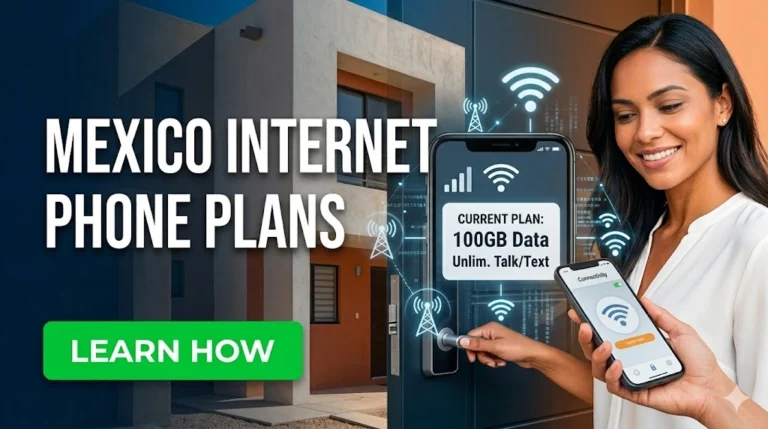
Fortunately, the core residential neighborhoods of Playa del Carmen are actually highly wired, provided you choose the right building. Major internet service providers like Telmex, Izzi, and Totalplay have heavily invested in laying fiber-optic cables across the city. If your apartment building is properly wired, you can easily secure residential speeds ranging from 200 to 500 Mbps, making heavy video editing and simultaneous Zoom calls completely effortless.
However, the primary hurdle is the installation and administrative bureaucracy. If you lease an apartment that does not currently have an active line, getting a technician to actually show up and install the fiber can take weeks of aggressive, frustrating follow-up phone calls in Spanish. The local “mañana” culture applies heavily to utility installations, which can paralyze a newly arrived remote worker.
Furthermore, traditional Mexican architectural construction relies heavily on thick, reinforced concrete walls to keep the interior cool. This concrete acts as a massive barrier to Wi-Fi signals. Even if you have a blazing-fast fiber connection entering your living room, the signal might completely disappear the moment you walk into your bedroom. You will almost certainly need to invest in a mesh router system to push the signal through the concrete.
Before you ever sign a long-term lease, you must demand that the landlord conduct a live speed test via a video call while standing in the exact room where you plan to set up your desk. Never trust a listing that simply advertises “fast Wi-Fi,” as landlords frequently share a single, low-bandwidth router across four different apartments, rendering the connection utterly useless for professional work.
Backing Up Your Digital Lifeline
Redundancy is your only defense against lost income in a developing nation. When the neighborhood fiber-optic line gets accidentally severed by a construction crew—which happens with alarming frequency—you must have an immediate, secondary method for staying online. Relying on a single point of failure is a rookie mistake that will eventually cost you a client.
Many expats assume they can simply rely on their home country’s mobile plan, utilizing “free North American roaming” from carriers like AT&T or T-Mobile. This is a severe miscalculation. These foreign carriers will aggressively throttle your data speeds to an unusable crawl after a few gigabytes of foreign usage, making it impossible to tether your laptop for a video conference. You must localize your data immediately.
To guarantee you have the highest probability of catching a high-speed signal during an outage, you must download an eSIM profile through Airalo before your plane even touches the tarmac. Having a dedicated Airalo data package instantly connects your device to Mexico’s strongest local cellular networks, bypassing the roaming throttles entirely.
Setting up your Airalo profile provides the ultimate digital safety blanket. If your residential Wi-Fi drops mid-presentation, you can instantly tether your laptop to your cellular connection and save your workday without missing a beat. It also ensures you can safely navigate unfamiliar streets upon arrival. For a comprehensive look at building this tech stack, consult Digital Nomads in Mexico: Remote Work Guide.
Navigating the Housing Market and Neighborhoods
The Illusion of the Tourist Center
The romanticized ideal of moving to Playa del Carmen often involves finding a chic apartment directly off Quinta Avenida (Fifth Avenue) or right on the beach. While visually stunning, living in the epicenter of the tourist zone is an absolute logistical and psychological nightmare for a working professional. The noise pollution is staggering, relentless, and completely inescapable.
Mega-clubs and rooftop bars actively pump heavy bass music until 5:00 AM every single night of the week. The streets are packed with screaming vacationers, aggressive street vendors, and endless construction noise. It is physically impossible to maintain a healthy sleep schedule or conduct quiet, professional client calls while living in the direct center of the chaos.
Playacar is the massive, heavily guarded alternative located just south of the center. While it offers pristine, manicured safety, it is incredibly isolated, highly sterile, and lacks any authentic Mexican charm. It feels like a massive suburban country club dropped onto the coast. Furthermore, the rents in Playacar and the immediate downtown center are astronomical, specifically targeting high-budget short-term tourists rather than practical digital nomads.
Because of this intense inflation and noise, seasoned remote workers almost entirely abandon the immediate coastal strip after their first month. They seek out neighborhoods that offer a sustainable balance of local authenticity, quiet nights, and manageable rent, willingly trading ocean views for actual sanity and productivity.
Moving Inland for Authenticity and Quiet
The secret to thriving in Playa del Carmen is moving west, across the main federal highway (Carretera Federal), or pushing towards the quieter northern edges of the city. Neighborhoods like Zazil-Ha, Hollywood, or the sprawling Ejido district offer a vastly superior, far more authentic Mexican rhythm of life.
When you cross the highway into the Ejido, you immediately notice the cultural shift. The aggressive tourist hustle vanishes, replaced by neighborhood tortillerías, authentic family-run taco stands, and children playing in local parks. The rent also plummets dramatically; you can easily secure a beautiful, spacious apartment for forty to fifty percent less than what you would pay near the beach.
The primary trade-off for this authenticity and affordability is walkability. If you live deep in the Ejido or in the new developments of the deep north, you cannot simply stroll to the beach with your morning coffee. You will become highly dependent on owning a bicycle, renting a scooter, or utilizing the complex network of local colectivo vans to navigate the sprawling urban grid.
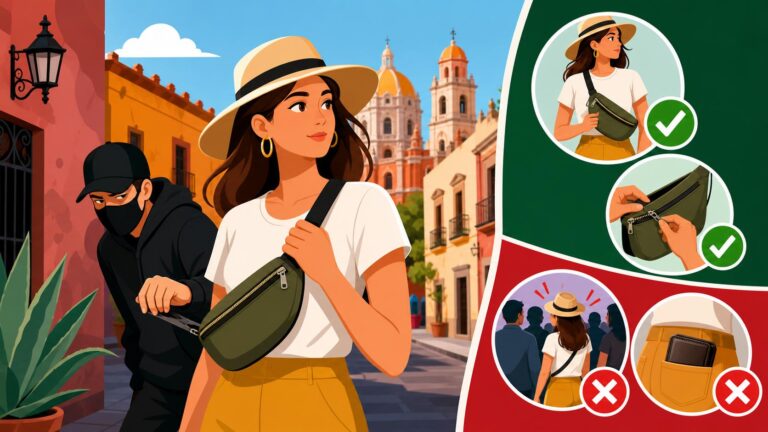
You must also heighten your situational awareness when moving out of the heavily policed tourist corridors. While violent crime targeting expats is rare, opportunistic theft is common. Building relationships with your local Mexican neighbors and joining localized WhatsApp community watch groups is essential for establishing your long-term security and integration into the neighborhood.
Overcoming the Unfurnished Rental Trap
When you finally identify the perfect neighborhood and seek a long-term, 12-month lease to escape the exorbitant Airbnb markups, you must prepare for the brutal reality of the Mexican real estate market. In Mexico, an unfurnished home (sin amueblar) often means absolutely no kitchen appliances. There will be no refrigerator, no stove, no washing machine, and frequently no built-in closets.
You are entirely responsible for outfitting the functional interior of the home from scratch. Doing this during your first week by fighting the infamous highway traffic to visit local big-box stores is an exhausting, spirit-breaking endeavor that often involves negotiating complex freight deliveries in rapid-fire Spanish. The upfront capital required to buy these heavy appliances can easily wipe out your relocation budget.
To navigate this massive logistical headache, savvy expats digitize their household setup. Instead of hauling heavy appliances across town in the blistering heat, they order premium mattresses, microwaves, ergonomic office chairs, and specialized cookware directly through Amazon Mexico. The convenience of having heavy, specialized household items delivered reliably to your new, empty apartment allows you to focus your energy on your remote career rather than fighting the local retail supply chain.
Furthermore, securing the lease itself introduces the infamous Aval requirement. Mexican landlords almost universally demand a local co-signer who owns debt-free property in the exact same state to guarantee your lease against squatters. To bypass this massive hurdle and understand your legal tenant rights, you must review Real Estate in Mexico: Renting vs Buying for Expats.
The Financial Realities of the Gringo Tax
Budgeting for High Season Inflation
Playa del Carmen operates on an extreme, highly polarized seasonal economy. The months between November and April constitute the “high season,” when hundreds of thousands of North Americans and Europeans flee their brutal winters to flood the Caribbean coast. During this period, the local economy aggressively shifts to extract maximum capital from these temporary visitors.
Prices for short-term rent, restaurant meals, taxi fares, and basic services effectively double overnight. The “Gringo Tax”—the inflated, opportunistic pricing applied to foreigners—is applied mercilessly. If you attempt to arrive in Playa del Carmen in December looking to sign a long-term lease, landlords will extort you, demanding high-season rates for a 12-month contract simply because the current demand allows it.
To survive financially, you must time your relocation strategically. Smart digital nomads arrive in August, September, or October during the sweltering “low season.” During these quiet months, landlords are desperate for stable tenants, and you can aggressively negotiate a fair, localized rate for a 12-month lease before the winter crowds arrive and artificially inflate the market.
It is absolutely vital to legally manage the income you are spending to sustain this lifestyle. The Mexican government has aggressively modernized its tax tracking capabilities. To understand your complex global tax liabilities while operating in this economy, read Taxes in Mexico for Expats: A Complete Guide to Income Tax and More.
Grocery Logistics and Local Markets
The grocery landscape in Playa del Carmen caters to every single budget tier simultaneously, meaning you can easily bankrupt yourself if you shop without discipline. Mega supermarkets like Chedraui Selecto or Mega Soriana offer an incredible array of imported American and European goods. However, buying imported peanut butter, specialized vegan cheeses, or craft beer will drain your monthly budget incredibly fast.
To maintain long-term financial sustainability, you must pivot your shopping habits away from these imported luxuries and embrace the local agricultural supply chain. You must learn to shop at the local municipal markets or the famous DAC market on 30th Avenue. Here, you can buy a massive week’s worth of fresh tropical fruit, vegetables, and local spices for a fraction of the supermarket price.
Adapting your diet to seasonal Mexican produce is the key to living comfortably on a budget. Furthermore, utilizing local delivery services for heavy items, or purchasing your basic dry goods in bulk from standard local grocers, frees up your capital to enjoy the region’s incredible travel opportunities rather than burning it on overpriced imported snacks.
| Neighborhood Zone | Vibe and Lifestyle | Average Monthly Rent Two Bedroom | Walkability to Beach |
| Centro / Quinta Avenida | Extremely loud, party-centric, highly transient | $1,500 – $3,000+ USD | Very High |
| Zazil-Ha / Coco Beach | Trendy, quieter cafes, moderate tourist mix | $1,000 – $2,000 USD | High |
| Ejido (Across Highway) | Authentic Mexican rhythm, highly affordable, local food | $500 – $900 USD | Very Low (Requires transport) |
| Playacar | Gated, sterile, quiet, heavily manicured | $1,800 – $3,500+ USD | High (Private access) |
Managing Daily Utility Costs
Running your air conditioning continuously to fight the suffocating tropical heat has severe, immediate consequences for your budget. Electricity in Mexico is managed by the national provider, the CFE, and is billed on a highly punitive tiered system designed to subsidize low-income households while heavily taxing excessive users.
If your electricity usage breaches a specific threshold, you will be permanently pushed into the DAC (High Consumption) tier. Once you hit DAC, you completely lose all government subsidies, and the rate per kilowatt-hour skyrockets. An electricity bill that was a manageable $40 USD in January can violently explode to $300 USD in August if you carelessly leave your AC running while you are at a co-working space. You must obsessively monitor your meter and learn to cool specific rooms rather than the entire house.
Additionally, you cannot drink the tap water anywhere in the Yucatan Peninsula. You must manage the ongoing logistics of heavy, 20-liter garrafón deliveries. Most residential streets are serviced by water delivery trucks that honk as they pass, allowing you to exchange your empty jugs for roughly $2 to $3 USD. Managing these unique daily utility hurdles is a crucial rite of passage; learn the exact protocols by studying Setting Up Utilities in Mexico: Electricity, Water, and Internet.
Establishing Your Nomad Community and Routine
Escaping the Transient Vacation Bubble
The greatest psychological threat to a digital nomad in Playa del Carmen is severe “expat burnout.” Because the city is a global tourism hub, the population is intensely transient. People constantly cycle in for a three-month escape, party aggressively, and then leave for their next destination.
If you only socialize in the immediate coastal tourist zones, you will find yourself constantly forging deep connections only to say goodbye to those new friends weeks later. This endless cycle of transient goodbyes leads to profound emotional exhaustion and deep isolation, despite being surrounded by thousands of English speakers.
To build a sustainable life, you must intentionally seek out the long-term community. You must look past the flashy beach clubs and connect with older expats, integrated foreign business owners, and remote workers who have actually signed 12-month leases. Joining localized Facebook groups is a start, but you must aggressively filter out the noise of tourists asking for bar recommendations. Seek out highly specific hobby-based groups, such as local scuba diving chapters, animal rescue volunteer squads, or structured language exchange meetups to find people anchored to the city.
Utilizing Co Working and Co Living Hubs
Working remotely from a crowded, noisy coffee shop with terrible ergonomics will absolutely destroy your posture, your focus, and your professional credibility on client calls. If you are serious about maintaining your career, you must invest in professional infrastructure.
Dedicated hubs provide the essential community and technical reliability you cannot find in a cafe. Booking a dedicated desk or a co-living suite at a Selina location is a brilliant strategic move for any arriving nomad. Selina acts as an instant, highly secure landing pad that bypasses the friction of setting up a local office. It provides commercial-grade backup generators, ergonomic chairs, and built-in professional networking events.
Sitting at a desk in a Selina co-working space allows you to physically separate your work life from your home life. More importantly, it instantly surrounds you with other highly driven professionals who are actually earning their living online, rather than just backpackers on an extended holiday. This environment fosters accountability and opens doors to incredible cross-border business collaborations.
Embracing the Local Rhythm and Language
You can technically survive in Playa del Carmen for years speaking absolutely nothing but English, but doing so severely limits your experience and permanently labels you as an outsider. If you want to transition from a perpetual tourist to an integrated resident, you must put in the effort.
Learning functional conversational Spanish fundamentally shifts your dynamic with the local Mexican population from purely transactional to genuinely relational. Being able to joke with the butcher, greet your neighbors properly, and navigate a bureaucratic office without an expensive translator earns you profound respect in the community.
You must also learn to respect the local rhythm. Do not expect the aggressive, fast-paced efficiency of a North American city. Embrace the slower, deliberate Caribbean pace. When a repairman says he will arrive mañana, accept that it means “not today.” To truly ground yourself in the reality of the region, give back to the community that hosts you. Volunteer your time with local educational charities or neighborhood cleanups; this is the fastest route to feeling like you truly belong.
Managing Your Health and Environment
The Sargassum Season and Humidity
The idyllic imagery of pristine white sand beaches in Playa del Carmen is frequently, violently interrupted by the reality of the sargassum season. From roughly April through August, massive, continent-sized blooms of brown sargassum seaweed wash ashore, completely choking the coastline.
As the seaweed piles up and begins to rot in the tropical sun, it emits a toxic, highly sulfurous smell (hydrogen sulfide) that blankets the coastal neighborhoods. This off-gassing can cause severe headaches, nausea, and respiratory irritation. During severe blooms, the beach is entirely unusable, forcing residents to seek out inland cenotes or rooftop pools for relief. You must adjust your expectations and realize the beach is not a year-round amenity.
Beyond the beach, the extreme humidity dictates your indoor life. If left unmanaged, the tropical moisture will breed toxic black mold inside your apartment within days. This mold is devastating to your respiratory health and will destroy your clothing, electronics, and shoes. Using heavy-duty dehumidifiers sourced from Amazon Mexico is absolutely mandatory. You must run them constantly to pull the moisture out of the air, protecting your lungs and your personal property from the relentless jungle environment.
Accessing English Speaking Medical Care
Because of the massive influx of foreign wealth, medical tourism is a booming industry in Playa del Carmen. Excellent, highly modernized private clinics and dental offices are abundant, offering care that rivals North American standards for a fraction of the cost.
For minor ailments, such as traveler’s diarrhea, a minor scrape, or a basic sinus infection, the local pharmacy clinics (consultorios) are incredibly cheap and efficient. You can see a licensed doctor for a few dollars and get a prescription immediately. However, for complex ongoing care, hormone therapies, or specific psychiatric medications, the language barrier becomes a severe issue. You must find dedicated specialists.
Finding vetted, bilingual doctors is critical for your peace of mind and accurate diagnosis. Do not wait for a medical emergency to start searching for a doctor who understands your medical history in English. Link into the strategies provided in Finding English-Speaking Doctors and Specialists in Mexico.
Securing Your Emergency Medical Safety Net
A major, catastrophic accident—such as a severe scooter crash on the highway or a complex tropical disease—requires immediate intervention at an elite private hospital trauma center, such as Hospiten or Costamed.
These elite private facilities operate as for-profit businesses. They will mercilessly demand a massive, upfront credit card deposit (often thousands of dollars) before they will admit you to the emergency room or perform life-saving surgery. Relying on the chronically underfunded Mexican public healthcare system for catastrophic trauma is not a viable option for expats. To deeply understand the terrifying divide in care between these systems, read Healthcare in Mexico: Complete Guide for Expats Public vs Private.
Attempting to self-insure against these catastrophic risks is financial suicide. You must possess robust international health insurance that guarantees VIP access to these elite hospitals and coordinates direct billing on your behalf. To compare the complex policies that actually cover you while living abroad full-time, consult Choosing Private Health Insurance: Local Mexican Plans vs International Coverage.
Visas, Bureaucracy, and Staying Legally
The Death of the Perpetual Tourist
For over a decade, digital nomads utilized the “perpetual tourist” loophole. They would fly into Cancún, receive an automatic 180-day tourist stamp, live in Playa del Carmen, and then do a quick weekend border run to Belize to reset the clock. That era is completely, definitively dead.
The Mexican National Institute of Migration (INM) has modernized its tracking systems. Agents at the airport now heavily scrutinize entry histories and interrogate remote workers. If you cannot provide an outbound flight ticket and a confirmed, short-term hotel booking, the agent is highly likely to grant you a restricted 7-day or 15-day stamp.
If you attempt to live in an apartment and accidentally overstay this restricted stamp, you face severe consequences. You can be detained in an immigration holding facility, issued massive fines, and permanently banned from re-entering Mexico. You can no longer base your entire life on a tourist visa.
Securing Temporary Residency for Nomads
To live in Playa del Carmen securely, sign long-term leases, and open local bank accounts, you must secure a Temporary Resident Visa based on economic solvency. This is the only legal, stress-free route for a digital nomad.
You cannot apply for this visa from the beach. You must initiate the process by proving specific, consistent monthly income thresholds at a Mexican consulate in your home country before you arrive. Once the consulate approves your financials and places a sticker in your passport, you fly into Mexico.
Upon arrival, a brutal bureaucratic clock begins. You have exactly 30 days to execute the complex Canje (exchange) process at the highly backlogged local INM office in Playa del Carmen to receive your physical plastic resident card. For the exact, granular steps required to survive this administrative gauntlet, carefully review How to Apply for Temporary Residency in Mexico: Step-by-Step and calculate your exact required financial thresholds in Mexico Immigration Fees and Costs: Budgeting for Your Residency.
The Importance of the Mexican Tax ID
The bureaucracy does not end once you hold your plastic residency card. If you are a legal resident of Mexico, you are legally required to obtain a Registro Federal de Contribuyentes (RFC), which is your Mexican Tax ID.
Without an RFC, you are financially paralyzed. You cannot open a local bank account, you cannot legally purchase a vehicle, and you cannot secure formal utility contracts in your own name. Securing this number requires navigating the SAT (tax authority) digital appointment system, which is chronically broken and backlogged for months.
Furthermore, you must understand the 183-day rule. If you spend more than 183 days a year in Mexico, you are generally considered a tax resident, which can heavily impact how your global digital nomad income is reported and taxed. Ignorance of the law is not a defense against heavy fines.
References
Primary sources (official)
- H. Ayuntamiento de Solidaridad: The official municipal government portal for Playa del Carmen, providing access to local civic regulations, property tax procedures, and municipal services. https://tramitesyservicios.playadelcarmen.gob.mx/contribuyente/
- Secretaría de Relaciones Exteriores Visas: The official federal portal detailing the exact financial thresholds, economic solvency requirements, and consular procedures for the Temporary Resident Visa. https://sre.gob.mx/visas
Other helpful sources
- Nomad List Playa del Carmen: A crowd-sourced, constantly updated global database providing real-time metrics on internet speeds, neighborhood safety, and estimated monthly living costs for remote workers. https://nomadlist.com/playa-del-carmen:
- ExpatDen Mexico: An incredibly detailed, firsthand resource covering the cultural, financial, and logistical nuances of renting apartments and navigating the healthcare system as a foreigner. https://www.expatden.com/mexico/
Disclaimer
The information provided in this comprehensive guide is for educational, logistical, and informational purposes only and does not constitute formal immigration, legal, real estate, or medical advice. Mexican immigration laws, INM processing requirements, SAT tax residency rules, and local infrastructure stability are highly volatile and subject to frequent and sudden legislative changes without notice. Always consult with a certified bilingual Mexican attorney, a cross-border CPA, or a registered immigration facilitator regarding your specific visa eligibility, and rigorously verify emergency medical coverage limits directly with your health insurance provider before relocating abroad.