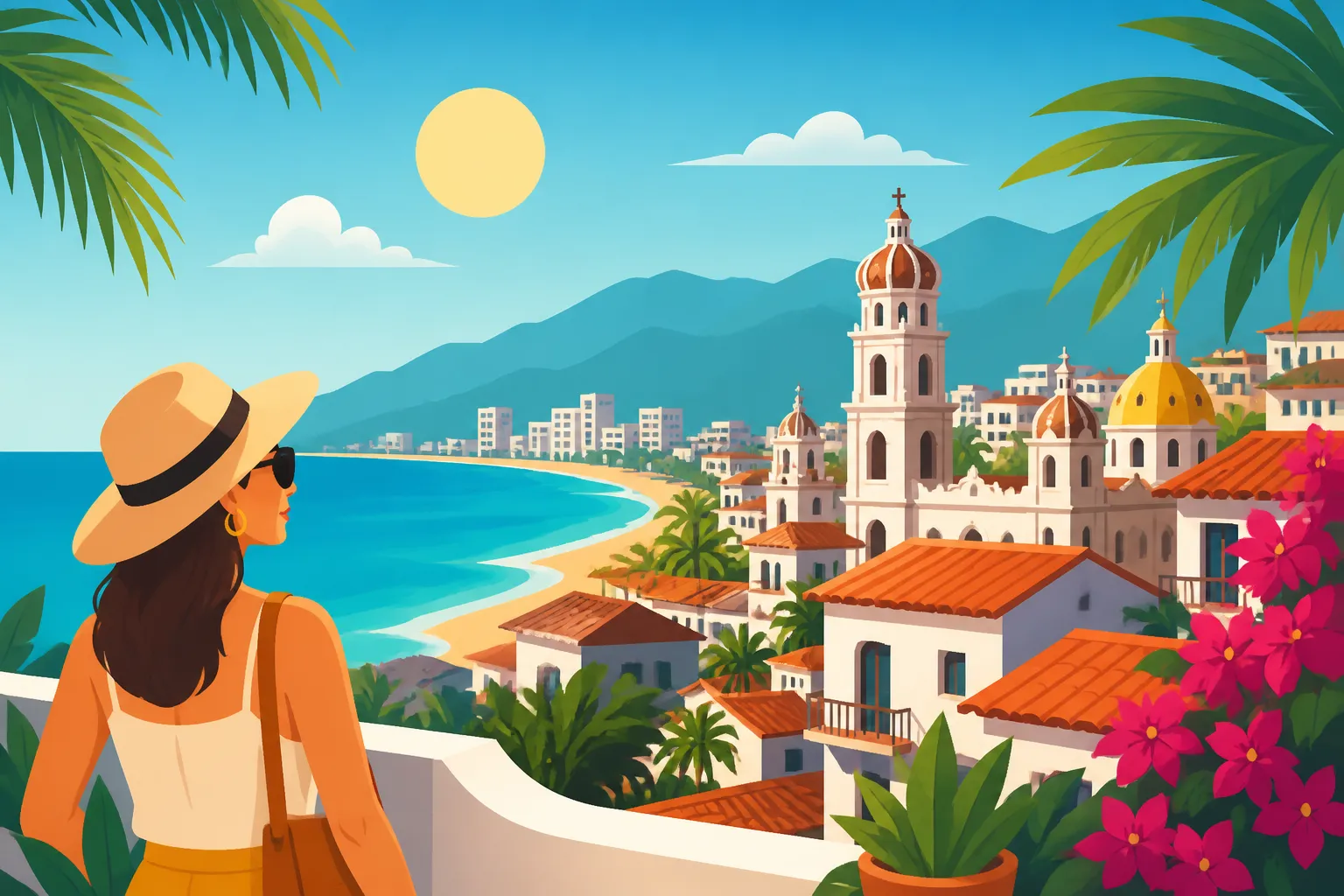
Living in Puerto Vallarta: Expat Guide
Trying to find a long-term rental in Puerto Vallarta during the high season can feel like a full-time job where the only reward is a very sweaty shirt. I remember spending three weeks scouring Facebook groups and walking the cobblestone streets of 5 de Diciembre, only to realize that "ocean view" often means "if you lean dangerously far off the balcony." This guide solves the mystery of settling into Vallarta, covering everything from neighborhood vibes to the logistical hurdles of moving your life to the Banderas Bay.
Disclosure: This post may contain affiliate links. We may earn a commission at no extra cost to you if you make a purchase through these links. Read full disclosure.
Choosing Your Neighborhood: Where You’ll Actually Feel at Home
Puerto Vallarta is a patchwork of distinct personalities, and picking the wrong one can turn your dream move into a noisy or isolated nightmare. Most newcomers gravitate toward the Romantic Zone, but once the novelty of being near the bars wears off, many find themselves looking for something a bit more "real."
The Romantic Zone vs. 5 de Diciembre
The Romantic Zone (Zona Romántica) is the heart of the action. It is incredibly walkable, famously LGBTQ+ friendly, and packed with the best restaurants in the city. However, the trade-off is the noise. If you live here, you are living with the constant hum of construction, late-night music, and the early-morning call of trash trucks on cobblestones. It is also the most expensive area in the city, with rents often quoted in USD rather than Pesos.
Just to the north, 5 de Diciembre offers a steeper, more authentic experience. It’s where I first landed, and the hills are no joke—your glutes will thank you, but your grocery-carrying arms might not. This area is significantly more affordable and offers some of the best sunset views in the bay. You’ll find local carnicerías and produce stands tucked between modern condos, giving you a balanced blend of expat convenience and Mexican daily life. For more on local pricing, check out Cost of Living in Puerto Vallarta: Budgeting for Beach Life.
Versalles: The Foodie Hub for Residents
If you want to live where the "in-the-know" expats are moving, look at Versalles. Located inland from the Hotel Zone, Versalles has exploded over the last few years into a culinary destination. It’s flat, which makes it much easier to walk or bike than the hilly centro. You won’t get a direct ocean view here, but you gain a sense of community that the tourist-heavy zones lack.
Living in Versalles means you are closer to "big city" conveniences like Costco and La Comer, but you still have charming, tree-lined streets. The apartments here are often larger and more modern for the price point compared to the old-school builds in the Romantic Zone. It’s a neighborhood where people actually know their neighbors, and you’ll find yourself frequenting the same coffee shops and bistros until the staff knows your order.
Marina Vallarta and the Hotel Zone
Marina Vallarta is a world of its own. It feels more like a manicured suburb with a nautical twist. If you enjoy morning walks along the docks, golfing, and high-end spas, this is your spot. It is very safe and quiet, making it a favorite for retirees. The downside? It can feel a bit "sanitized" and removed from the vibrant Mexican culture found further south.
The Hotel Zone, which sits between the Marina and the Centro, is dominated by high-rise condos. These are great if you want a "lock-and-leave" lifestyle with 24/7 security and a pool, but they can be soul-less. You’ll likely be reliant on Uber or the bus to get anywhere interesting, as the immediate surroundings are mostly shopping malls and large resort entrances. To understand the broader medical landscape near these areas, see Healthcare in Puerto Vallarta: Medical Services in a Resort City.
The Practicalities of Renting and Moving
Moving your life to a coastal Mexican city involves more than just a plane ticket. The logistics can be daunting, especially when dealing with the specific "Vallarta" way of doing things. From the "Aval" system to the physical act of getting your boxes across the border, preparation is your best friend.
Navigating the Rental Market
In Puerto Vallarta, the best deals aren't on Airbnb. They are often found via "Se Renta" signs in windows or through local Facebook groups like "Puerto Vallarta Rentals." Be prepared for the "Aval" requirement—this is a property owner who acts as a guarantor for your lease. Since most expats don't have a local friend who owns property, you can often negotiate a larger security deposit or pay a few months in advance to bypass this.
Always insist on a written contract in Spanish. Even if your Spanish is shaky, the Spanish version is the only one that holds weight in a Mexican court. Make sure the contract specifies who is responsible for the "Mantenimiento" (HOA fees) and which utilities are included. It is very common for water and trash to be included, while electricity is almost always separate. For a deeper look at the legal side, Renting a Home in Mexico: Complete Expat Guide to Leases, Deposits, and More is an essential read.
Logistics and International Moves
If you are planning on bringing more than what fits in a few suitcases, you need a professional touch. Shipping household goods into Mexico requires a "Menaje de Casa" (household goods certificate) which is usually tied to your residency visa. For coordinating the heavy lifting and navigating the customs paperwork, using a service like Sirelo can save you weeks of headaches. They help compare international movers who understand the specific quirks of the Mexican border.
Don't underestimate the salt air. If you are moving high-end electronics or sentimental wooden furniture, be aware that the humidity in Vallarta is relentless. Many expats regret bringing "everything" once they realize that things like leather couches don't fare well in the tropical heat. Sometimes it is cheaper and easier to sell your items back home and buy new furniture at local spots like Liverpool or high-end boutiques in the Marina.
Utility Setup: Water, Gas, and Power
Setting up your CFE (electricity) account is the most important task. In Vallarta, electricity is tiered. If you run your AC 24/7, you will quickly hit the DAC (Domestic High Consumption) rate, which can result in bills that rival a small mortgage. I learned the hard way that a ceiling fan and an open window are your best friends during the "shoulder" months.
Water (SEAPAL) is generally reliable in the main colonias, but many houses use a "Tinaco" (roof tank) or a "Cisterna" (underground tank). You’ll need to ensure your pump is working. For gas, most homes use stationary tanks on the roof that are refilled by trucks. You’ll hear the "Gas" trucks driving by with their distinctive jingles; you simply flag them down or call for a delivery. For a broad overview of managing your home, check out Expat Housing in Mexico: Navigating Neighborhoods, Utilities, and Services.
| Feature | Romantic Zone | Versalles | Marina Vallarta | 5 de Diciembre |
|---|---|---|---|---|
| Walkability | Very High | High | Medium | Medium (Hills) |
| Noise Level | High | Medium | Low | Medium |
| Typical Rent | $1,500 – $3,500+ | $1,000 – $2,200 | $1,800 – $4,000 | $800 – $1,800 |
| Vibe | Party/Tourist | Foodie/Local | Upscale/Quiet | Authentic/Artsy |
Healthcare and Wellness in Vallarta
One of the biggest draws for expats in Puerto Vallarta is the high quality of medical care. It is a major hub for medical tourism, which means the private hospitals are top-tier and the staff are often bilingual. However, knowing where to go before an emergency happens is vital.
Private Hospitals and Specialized Care
Hospitals like San Javier and CMQ Premiere are world-class facilities. They handle everything from routine check-ups to complex surgeries. If you have private international insurance, these are usually the places that will work with your provider. Be aware that most private hospitals in Mexico require a credit card on file or a cash deposit upon admission, even if you have insurance.
For those who are residents, you may also have access to the public IMSS system, though most expats prefer to use it as a backup and rely on private care for day-to-day needs. The cost of a specialist visit in Vallarta is often a fraction of what you’d pay in the US or Canada, often around $800 to $1,200 MXN. For more details on the system, see Healthcare in Mexico: Complete Guide for Expats (Public vs Private).
English-Speaking Doctors and Pharmacies
Finding a GP who speaks English is remarkably easy in Vallarta. Many doctors have trained in the US or Europe and are very comfortable communicating with expat patients. Pharmacies (Farmacias) are on almost every corner. For basic issues, you can visit a "Consultorio" attached to a Farmacia Guadalajara or Farmacia del Ahorro, where a doctor can see you for about $50 to $100 MXN.
Be mindful of prescription laws. While many things are available over-the-counter that wouldn't be in your home country, antibiotics and certain controlled medications strictly require a Mexican prescription. If you are managing a chronic condition, Managing Chronic Illness in Mexico: Access to Medication and Specialists offers tailored advice for long-term residents.
Staying Fit and Active
Living in a resort city makes it easy to stay active, but the heat dictates your schedule. Most locals do their exercise before 9:00 AM or after 7:00 PM. The Malecón is the city’s gym—you’ll see hundreds of people running and walking along the oceanfront every morning. There are also several high-end gyms like Big Apple or AnyTime Fitness if you need air-conditioned workouts.
For the more adventurous, the hike from Boca de Tomatlán to Las Animas is a rite of passage. It takes you through the jungle and along hidden beaches. Just remember that "winter" in Vallarta is perfect hiking weather, but trying this in August requires a gallon of water and a lot of grit. If you are a senior looking for more low-impact options, Senior Care in Mexico: Assisted Living and Home Care Options might be of interest.
Cost of Living Breakdown
Is Puerto Vallarta still affordable? Yes, but it is no longer the "dirt cheap" paradise it was twenty years ago. The influx of remote workers and retirees has driven up prices in the most popular zones, but a comfortable life is still very achievable on a mid-range budget.
Grocery Shopping: Local Markets vs. Supermarkets
If you shop like you’re back home—buying imported cheeses, berries out of season, and brand-name cereals—your grocery bill will shock you. To save money, shop like a local. Visit the Tianguis (street markets) for produce and the local pescaderías for fresh catch.
For the "big" shop, Vallarta has excellent supermarkets. La Comer and Soriana offer everything you need, and Costco in the Fluvial area is a staple for many expats. However, the real joy of living here is the daily trip to the "Tortillería" for warm, fresh corn tortillas that cost pennies. For a broader financial perspective, look at Cost of Living in Mexico: 2026 Comprehensive Guide.
Transportation: Cabs, Buses, and Driving
You do not need a car to live in the central parts of Puerto Vallarta. The local bus system is extensive and costs only 10 Pesos. It’s an experience in itself—sometimes there’s a live musician, sometimes the driver is going a bit faster than you’d like, but it gets you there. Uber and InDrive are also widely available and very affordable.
If you do choose to drive, be prepared for the "Transito" (traffic police) and the unique logic of Vallarta’s roads. The lateral lanes on the main highway are a frequent source of confusion for newcomers. Also, parking in the Romantic Zone is nearly impossible. If you’re considering bringing your own vehicle, make sure to read Car Insurance in Mexico: Understanding Coverage and Costs.
Monthly Budget Scenarios
A single person can live modestly in a neighborhood like 5 de Diciembre for around $1,500 USD a month. This covers a basic apartment, groceries, and dining out at local spots. For a couple looking for a luxury condo in the Marina or Romantic Zone, with frequent fine dining and full-time AC, that budget can easily climb to $4,000 USD or more.
The biggest variable is always your lifestyle and how much "Western" comfort you require. Many expats find a sweet spot around $2,500 USD, which allows for a nice apartment, a housekeeper once a week, and plenty of social activities. For those on a tighter budget, Cost of Living in Puerto Vallarta: Budgeting for Beach Life breaks down the specifics even further.
Digital Nomad and Working Life
Puerto Vallarta has become a premier destination for digital nomads. The combination of beach life and a reliable infrastructure makes it easy to stay productive while enjoying the tropics. However, you need to set up your "office" correctly to survive the local challenges.
Connectivity and Internet
Fiber optic internet is now common in most of the city, with providers like Telmex and TotalPlay offering speeds up to 500 Mbps. However, power outages can happen, especially during the rainy season when lightning strikes are frequent. I always recommend having a backup plan.
When you first arrive, getting a local SIM card is a priority, but for the transition period, an eSIM from Airalo is a lifesaver. It allows you to have data the second you land at PVR airport without hunting for a Telcel booth. Once settled, you’ll want a local plan, but having that immediate connectivity is crucial for navigating to your first rental viewing. For more on staying connected, see Internet and Mobile Phone Plans in Mexico: Staying Connected as an Expat.
Coworking Spaces and Communities
Working from your apartment can be isolating, and the heat often makes cafes a sweaty choice for long Zoom calls. Selina in the heart of the city offers a fantastic coworking space with reliable AC and a built-in community. It’s a great place to meet other professional nomads and get some focused work done.
There are also several smaller coworking spots popping up in Versalles and the Romantic Zone. Many expats also use the libraries at local universities or quiet corners in higher-end hotel lobbies. The key is finding a place where the "vibe" matches your work style. If you are looking for long-term work in the area, Working in Mexico: Job Market, Work Culture, and Opportunities for Foreigners is a great starting point.
Community and Networking
The expat community in Vallarta is massive and very welcoming. There are Facebook groups for everything: "PV Women’s Group," "Expats in Vallarta," and even neighborhood-specific chats. Networking isn't just for business here; it's how you find out which plumber is reliable or which restaurant has the best taco Tuesday.
Volunteering is also a huge part of the social fabric. Organizations like SETAC or the local animal shelters are always looking for help. It’s one of the fastest ways to integrate into the city and make friends who aren't just passing through on vacation. For more on the social side of things, see Settling in Mexico: Step-by-Step Guide to Your First 30 Days as an Expat.
Culture, Safety, and Social Integration
Living in Puerto Vallarta is different from vacationing here. Once the "vacation goggles" come off, you have to deal with the realities of a Mexican city, which includes learning the local rhythm and understanding how safety actually works on the ground.
Safety Realities in PV
Puerto Vallarta is consistently ranked as one of the safest cities in Mexico. Serious crime against expats is rare, but petty theft does happen. Most "scary" stories you hear involve people being careless with their belongings on the beach or walking alone in poorly lit areas at 3:00 AM.
The biggest safety concern for most residents isn't crime—it's the infrastructure. Uneven sidewalks, open manholes, and erratic drivers are much more likely to cause you trouble. Always carry a small flashlight at night and watch your step. For a deeper dive into staying secure, check out Safety in Mexico: What Expats Need to Know About Staying Safe.
The Social Scene and Making Friends
Vallarta is a very social city. Whether it's "Happy Hour" at a beach bar or a book club in the Marina, there is always something happening. The "Winter Texans" and "Snowbirds" bring a lot of energy from November to April, but the year-round expat community is the real backbone of the social scene.
Don't just stick to the expat bubble. Learning even basic Spanish will open doors to friendships with your Mexican neighbors that will enrich your experience ten-fold. Mexicans are incredibly warm and welcoming, and a simple "Buenos días" to your neighbor goes a long way. For language tips, Learning Spanish in Mexico: Top Tips and Resources for Expats is a great resource.
Adapting to the Pacing of Life
The biggest hurdle for many Type-A expats is "Mañana culture." In Vallarta, "Mañana" doesn't necessarily mean tomorrow; it just means "not right now." Whether you are waiting for a repairman or a bank appointment, things move slower here.
Learning to breathe through the delays is the key to happiness in Vallarta. If the internet guy doesn't show up during his four-hour window, use that time to walk to the beach. The city operates on a "work to live" philosophy, and once you embrace it, the stress of your old life will start to melt away. For more on the cultural shift, see Overcoming Culture Shock: Tips for Adjusting to Life in Mexico.
Disclaimer
The information provided in this guide is for informational purposes only and does not constitute legal, financial, or medical advice. Immigration laws, rental regulations, and healthcare policies in Mexico can change frequently. Always consult with certified professionals, such as immigration attorneys or licensed real estate brokers, before making significant life decisions.