Overcoming Culture Shock: Tips for Adjusting to Life in Mexico
The initial "honeymoon phase" of moving to Mexico usually ends the moment you spend four hours in a humid government office or realize your neighborhood holds 2:00 AM fireworks displays for saints you’ve never heard of. I remember sitting on my kitchen floor in Roma Norte, nearly in tears because the gas delivery truck never showed up and I couldn't find a single person who could explain why. This guide provides actionable strategies and emotional validation to help you navigate the complex, beautiful, and often maddening process of adjusting to your new life south of the border.
Disclosure: This post may contain affiliate links. We may earn a commission at no extra cost to you if you make a purchase through these links. Read full disclosure.
Understanding the Emotional Cycle of Culture Shock in Mexico
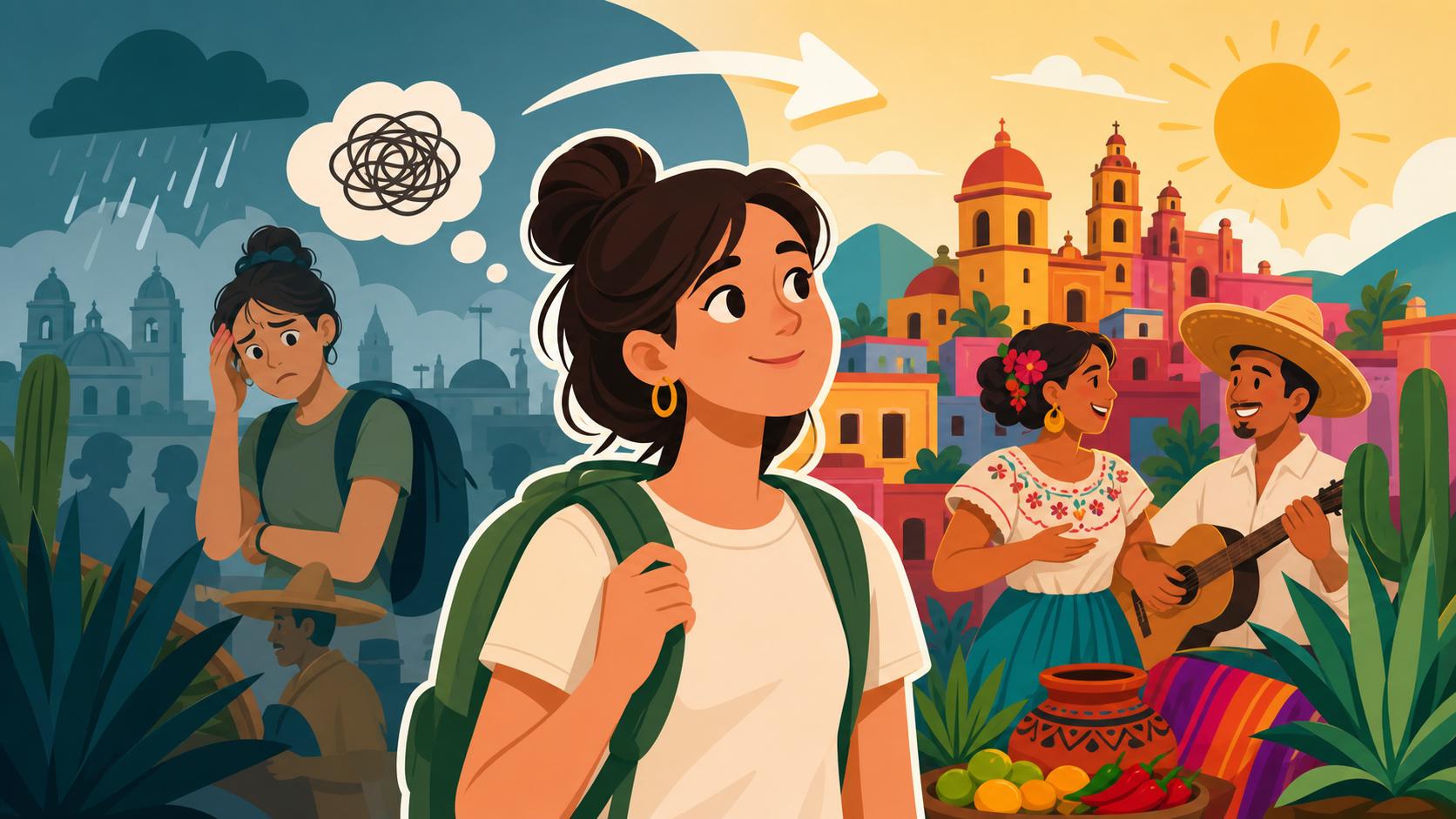
Culture shock isn't a single event; it’s a wave-like process that hits everyone differently. In Mexico, this cycle often feels more intense because the culture is so incredibly warm and welcoming on the surface, which makes the underlying bureaucratic and social complexities feel even more jarring when they finally appear. Understanding where you are in this cycle can help you realize that your frustration isn't a personal failure, but a standard part of the expat journey.
The Honeymoon Stage and the First Tacos
When you first arrive in places like Playa del Carmen or San Miguel de Allende, everything feels like a movie. You’re mesmerized by the vibrant colors of the bougainvillea, the smell of fresh tortillas on every corner, and the sheer affordability of a world-class meal. During this phase, you are a "mega-tourist." You overlook the lack of hot water or the confusing trash collection schedules because you’re too busy enjoying the sunset.
However, this stage is deceptive. You aren't yet dealing with the "real" Mexico. You’re likely staying in a short-term rental and eating out every night. The problems begin when the novelty wears off and you have to start functioning like a local. It’s important during this time to start Learning Spanish in Mexico: Top Tips and Resources for Expats so you aren't left defenseless when the honeymoon inevitably ends and you need to negotiate a repair or explain a medical symptom.
The Frustration Stage and the Reality of Bureaucracy
This is the "angry" phase. It usually kicks in around the three-month mark. You’ll find yourself losing your temper because a "trámite" (administrative procedure) requires three different photocopies of a document no one told you to bring. You might feel a deep sense of isolation, even if you’re surrounded by people. The noise levels, the indirect communication, and the perceived lack of punctuality can start to feel like a personal affront.
I’ve seen many expats pack their bags during this stage. They get tired of the "ahorita" culture and miss the predictability of their home country. To survive this, you need to find ways to simplify your life. For example, using Airalo to ensure you always have data for Google Maps and translation apps can prevent that panicked feeling of being lost and unable to communicate. Small wins, like successfully navigating a Propane Gas 101: Using Gas Tanks and Deliveries in Mexico situation, are what will eventually pull you out of this slump.
The Adjustment and Integration Stage
Eventually, the "Mexico chaos" starts to feel like "Mexico charm" again, but with a more realistic edge. You stop expecting the plumber to arrive at exactly 10:00 AM and start being pleasantly surprised when they show up at all. You begin to understand the rhythm of your neighborhood. You know which day the "tianguis" (street market) comes and which neighbor to talk to if the water pressure is low.
Integration doesn't mean you become Mexican; it means you find a way to exist within the culture without constant friction. You learn that Mexican Etiquette and Customs: Do's and Don'ts for New Expats are the oil that keeps social interactions running smoothly. You stop fighting the system and start working within it. This is the stage where you finally start to feel like a "local expat" rather than a permanent visitor.
Navigating the Social and Cultural Nuances
The most significant source of culture shock in Mexico isn't the language—it’s the communication style. Mexico is a "high-context" culture, meaning that what isn't said is often just as important as what is. For people coming from "low-context" cultures like the U.S., Canada, or Germany, where communication is direct and literal, this can be incredibly confusing.
The Power and Mystery of Ahorita
If there is one word that defines the Mexican experience for foreigners, it is "ahorita." Literally, it means "now-ish" or "little now." In practice, it can mean anything from "in five minutes" to "tomorrow" to "never in a million years." Understanding this isn't just about translation; it’s about understanding a cultural preference for avoiding direct "no" answers.
Mexicans are generally very polite and want to avoid confrontation or disappointing others. Saying "no, I can’t fix your sink today" feels rude to many locals. Saying "ahorita voy" (I'm coming in a little bit) feels more harmonious, even if they know they won't make it until Tuesday. To overcome the stress of this, you must learn to follow up gently. Don’t get angry; just check in. Use WhatsApp—it is the lifeblood of communication here. I highly recommend Using Facebook and WhatsApp to Connect with Expat Communities to learn the specific "vibe" of how to message service providers in your specific town.
Social Etiquette and the Importance of Greeting
In many Western cultures, we value efficiency. We walk into a shop, say what we want, pay, and leave. In Mexico, this is considered incredibly cold, if not outright rude. You must acknowledge the humanity of the person you are interacting with. A simple "Buenas tardes" (Good afternoon) or "Gracias, que le vaya bien" (Thank you, may things go well for you) goes a long way.
When you enter a small "abarrotes" (grocery store) or a doctor’s waiting room, it is common to offer a general "Buenos días" to everyone present. If you skip these social niceties, you might find that people are less willing to help you when you have a problem. This is a core part of Living in Mexico: Cultural and Practical Guide for New Expats. Once you start leading with kindness and patience, you’ll find that the "bureaucratic walls" often begin to crumble.
Practical Solutions for Daily Stressors
Sometimes culture shock is less about "values" and more about the sheer exhaustion of daily logistics. When everything takes twice as long as it used to, you need to find ways to buy back your time and sanity. Leveraging technology and established expat-friendly services can bridge the gap while you’re still finding your footing.
Connectivity and Professional Spaces
One of the quickest ways to feel isolated is to lose your connection to home or your work. If you are a digital nomad, the inconsistent Wi-Fi in older Mexican apartments can be a major source of anxiety. I always suggest that newcomers spend their first month or two at a place like Selina. These hubs provide reliable internet and, more importantly, an immediate community of people who are going through the exact same transition.
Being around other expats and locals in a structured environment helps you realize that the "weird" thing that happened at the bank today is actually quite normal. Having a dedicated workspace also helps you separate your "Mexico adventure" from your "professional life," which is essential for long-term mental health. Additionally, keep your phone connected with Airalo so you never have to hunt for a Wi-Fi password just to call an Uber or check a map when you’re feeling overwhelmed in a new neighborhood.
Sourcing Familiar Comforts
There is a certain "tough it out" mentality among some expats who think you should only shop at local markets. While I love my local "frutería," sometimes you just need a specific brand of peanut butter or a high-quality kitchen appliance to make your new house feel like a home. This is where Amazon Mexico becomes a lifesaver.
Adjusting to a new country is hard enough without struggling to find basic household items. Being able to order familiar products or hard-to-find electronics and have them delivered to your door (or a nearby Amazon Locker) reduces the "friction" of daily life. This allows you to focus your energy on more important things, like figuring out Street Food Safety 101: How to Enjoy Mexican Street Eats Without Worry so you can actually enjoy the local cuisine without the dreaded "Montezuma's Revenge."
| Feature | Home Country Expectation | Mexico Reality | Tip for Adjustment |
|---|---|---|---|
| Punctuality | 10:00 AM means 10:00 AM | 10:00 AM is a suggestion | Add a 30-60 minute buffer for all appointments. |
| Noise Levels | Quiet hours after 10:00 PM | Fireworks/music can happen anytime | Invest in high-quality earplugs or a white noise machine. |
| Communication | Direct and literal ("No") | Indirect and polite ("Ahorita") | Learn to read body language and follow up via WhatsApp. |
| Payments | Credit cards everywhere | Cash is king in small towns | Always carry at least 500-1000 pesos in small bills. |
| Bureaucracy | Digital and streamlined | Paper-heavy and repetitive | Always bring 3 copies of everything and a lot of patience. |
Managing Environmental and Safety Stressors
For many, the most jarring aspect of culture shock in Mexico is the sensory overload. The colors are brighter, the music is louder, and the rules of the road seem… optional. This environmental shift can lead to "decision fatigue" where even a simple trip to the store feels like an ordeal.
Dealing with Noise and Constant Activity
Mexico is a loud country. Between the "gasero" trucks playing loud jingles, the wandering tamale vendors with their iconic recorded chants, and the neighbors’ "fiestas," silence is a rare commodity. Many expats find this the most difficult thing to adjust to. For a deep dive into this, check out Noisy Neighbors and Fireworks: Dealing with Noise in Mexico.
The trick isn't to fight the noise—you won't win—but to manage your environment. Using "heavy" curtains can dampen street noise, and choosing a home that doesn't face a main "avenida" is crucial. You also have to psychologically reframe the noise as "life" rather than "disturbance." It takes time, but eventually, the sound of the wandering knife sharpener's whistle becomes a nostalgic part of your day rather than an annoyance.
Safety Concerns and the Media Narrative
A significant portion of culture shock comes from the "safety anxiety" many foreigners bring with them, fueled by sensationalist news. While you certainly need to be aware of your surroundings, living in a constant state of fear will prevent you from ever truly adjusting. You need to learn the local "rules" of safety, which are often different from what you expect.
For example, Is It Safe to Drive at Night in Mexico? Road Safety Tips for Expats will tell you that the danger is often less about crime and more about unlit roads, wandering livestock, and deep potholes. Similarly, knowing What to Do If You’re Pulled Over by Police in Mexico can turn a scary situation into a manageable interaction. Once you have the facts, your anxiety levels will drop, making room for you to actually enjoy the culture.
Building a New Support System
You cannot overcome culture shock alone. The "lone wolf" expat usually burns out within a year. You need a mix of "home-base" friends (people who speak your native language and understand your cultural references) and "local" friends (who can help you interpret the Mexican world).
Finding Your Tribe
Don't be afraid to lean on expat groups initially. While some people look down on "expat bubbles," these communities provide vital emotional support during the frustration stage. Whether it’s a weekly coffee meet-up in Ajijic or a digital nomad volleyball game in Tulum, finding people who say "I went through that too" is incredibly healing.
As you become more comfortable, start venturing out. Attend local "talleres" (workshops), join a cross-fit gym, or volunteer. If you’re renting, make sure you understand Understanding Mexican Rental Contracts: Key Terms and Tenant Rights so you have the security of a stable home base while you build these connections. Stability in your housing and finances allows you to be more adventurous in your social life.
The Role of Patience and Humor
If I could give only one piece of advice to someone moving to Mexico, it would be this: learn to laugh at the absurdity. Things will go wrong. You will misunderstand a word and accidentally say something embarrassing. A parade will block your car when you're already late for a meeting.
The expats who thrive in Mexico are the ones who can shrug their shoulders, find a nearby "taquería," and say, "Well, that’s Mexico!" If you maintain your "Type A" rigid expectations, the country will eventually break you. If you learn to flow with the chaos, Mexico will give you a level of freedom, warmth, and joy that you simply cannot find anywhere else in the world.
Disclaimer
This guide is based on personal experiences and general observations of expat life in Mexico. Cultural adjustment is a subjective process, and your experience may vary depending on your location, background, and personality. This information does not constitute legal, medical, or professional advice. Always consult with local experts or official government resources for specific administrative or legal matters.