Living in San Miguel de Allende: Expat Guide
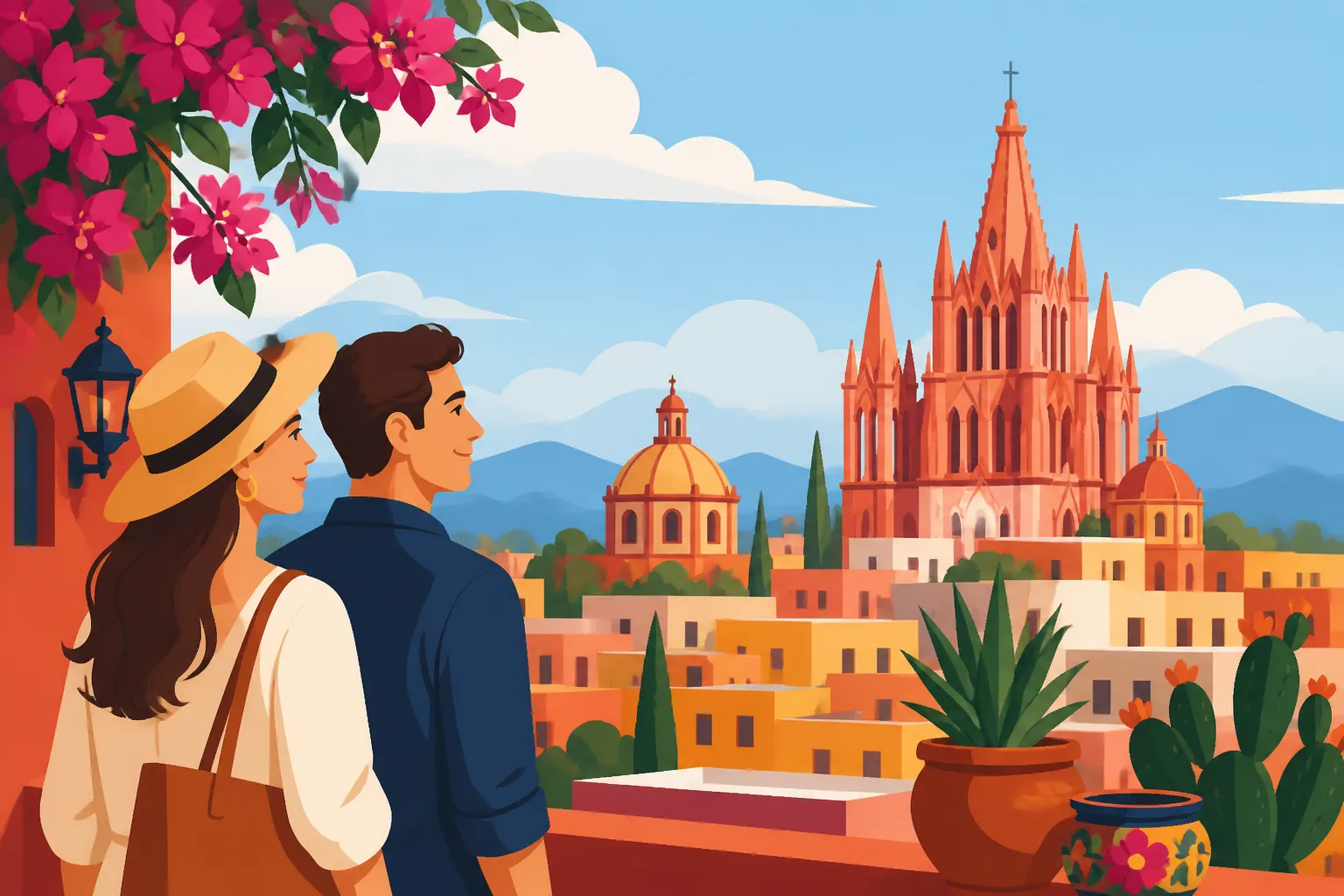
San Miguel de Allende often feels like a fairytale with its rose-hued spires and cobblestone streets, but the logistical reality of moving here can quickly turn into a headache of "gringo prices" and confusing rental laws. I remember my first month in the highlands, struggling to find a reliable plumber while realizing my internet wouldn't penetrate the three-foot-thick colonial walls of my dream home. This guide solves the mystery of settling into San Miguel de Allende, covering everything from neighborhood nuances to the hidden costs of mountain living.
Disclosure: This post may contain affiliate links. We may earn a commission at no extra cost to you if you make a purchase through these links. Read full disclosure.
Finding Your Home in the Heart of the Highlands
San Miguel de Allende is a city of distinct zones, each offering a vastly different experience of daily life. Choosing where to plant your roots is about more than just a pretty view of the Parroquia; it is about your tolerance for noise, your willingness to climb steep hills, and your proximity to essential services.
The Neighborhood Breakdown: Choosing Your Colonia
The historic Centro is the most coveted and expensive area. Living here puts you steps away from the Jardin and the city’s best restaurants, but it comes with a price. I spent six months living in Centro and can tell you that the noise is relentless—church bells at 6:00 AM and fireworks at midnight are part of the "charm" that can quickly become a nuisance. If you are a light sleeper, Centro might be a struggle.
For a more residential feel with slightly lower price points, many expats look toward Colonia San Antonio or Colonia Guadalupe. San Antonio is quirky, flat (a rarity in SMA), and has a strong sense of community. It is a mix of traditional Mexican families and long-term expats. Guadalupe is known as the "Art District," filled with murals and a younger, more bohemian vibe. If you are looking for luxury and quiet, Guadiana is often considered the most prestigious residential neighborhood, offering lush parks and wide streets while still being walking distance to Centro.
Navigating the Rental Market and Lease Agreements
Finding a long-term rental in San Miguel de Allende is notoriously difficult because many landlords prefer the high margins of short-term vacation rentals. You will often see "Se Renta" signs with phone numbers; these are your best leads. Relying solely on online portals often results in seeing the most overpriced listings. When you do find a place, the process for Renting a Home in Mexico: Complete Expat Guide to Leases, Deposits, and More applies, but with a local twist: demand is so high that you often need to move fast and have your "depósito" ready immediately.
Be prepared for the "Aval" requirement—a person who owns property in the area and can guarantee your lease. Since most new arrivals don't know a local homeowner, you may have to negotiate a "fianza" (a type of insurance bond) or offer to pay several months of rent in advance. Also, always ensure your contract specifies who is responsible for the "impuesto predial" (property tax) and water bills, as these can sometimes be surprises for the uninitiated.
The Logistics of Moving Your Life
Moving your belongings across an international border is a monumental task that requires more than just a few boxes. Many expats opt to sell everything and buy new in Mexico, but if you have sentimental furniture or a specialized kitchen setup, you will need professional help. Using an international moving coordinator like Sirelo can simplify the process of finding vetted movers who understand the complexities of Mexican customs and the "Menaje de Casa" (household goods) tax exemption.
Remember that the streets in SMA are narrow and paved with uneven stones. A massive moving truck will not be able to reach your door in Centro or San Antonio. You will likely need to coordinate a "transbordo," where your goods are moved from a large container to smaller vans for the final leg of the journey. This is a detail many people overlook until they see their moving truck stuck three blocks away.
The Financial Reality of the Bajío Region
While Mexico is generally more affordable than the US or Canada, San Miguel de Allende is an outlier. It is one of the most expensive cities in the country, and budgeting requires a realistic look at the "expat premium" you will pay for certain comforts.
Understanding the Gringo Tax and Pricing
There is an unspoken "gringo tax" in San Miguel de Allende. If you walk into a boutique or a real estate office speaking only English, prices may mysteriously shift. This isn't necessarily malicious; it’s a reflection of the market’s perception of expat wealth. To combat this, I always recommend learning basic Spanish phrases for negotiation and shopping at the local markets like Ignacio Ramírez or the Tuesday Market (Tianguis).
Pricing for services like house cleaning, gardening, and handymen is also higher here than in cities like Mérida or Oaxaca. However, the quality of service is often higher because the local workforce is accustomed to international standards. When budgeting, consult the Cost of Living in San Miguel de Allende: 2026 Expat Guide to get a granular view of what you should expect to pay for everything from a liter of milk to a high-end dinner.
Budgeting for Utilities and Hidden Costs
The thick stone walls of colonial homes are wonderful for keeping the heat out in the summer, but they turn into refrigerators in the winter. Most homes do not have central heating. You will find yourself spending a significant amount on propane gas ("gas LP") for space heaters and fireplaces during the months of December and January. Electricity can also be a major expense if you use electric heaters, especially since Mexico uses a tiered pricing system—once you cross into the DAC (Domestic High Consumption) bracket, your bill can triple.
Water is another consideration. San Miguel de Allende faces significant water scarcity issues. Many homes rely on "pipas" (water trucks) to fill their cisterns during the dry season. It is vital to ask your landlord about the capacity of the "aljibe" (underground tank) and the "tinaco" (rooftop tank) before signing a lease. To keep track of your overall spending across the country, check the Cost of Living in Mexico: 2026 Comprehensive Guide for a broader perspective.
| Expense Category | Estimated Monthly Cost (USD) | Notes |
|---|---|---|
| Mid-Range 2BR Rental | $1,200 – $2,000 | Varies wildly by neighborhood |
| Electricity | $40 – $150 | Depends heavily on heater/AC usage |
| Propane Gas | $30 – $80 | Higher in winter months |
| High-Speed Internet | $30 – $50 | Fiber optic is now widely available |
| Groceries (2 people) | $400 – $600 | Includes mix of local and imported goods |
| Housekeeper (weekly) | $100 – $160 | Based on 1-2 days per week |
Lifestyle, Community, and Social Integration
San Miguel de Allende is often described as a "bubble," and while that can be comforting, it can also lead to a sense of isolation from the "real" Mexico. Balancing your social life between the expat community and local culture is the key to long-term happiness here.
The Expat Bubble vs. Local Life
The expat community in SMA is one of the most active in the world. From the Biblioteca Publica to various bridge clubs, art workshops, and charity galas, you could easily spend your entire life speaking only English. However, this often leads to friction with the local population. To avoid being just another "turista," it is essential to understand Mexican Etiquette and Customs: Do's and Don'ts for New Expats. Small gestures, like saying "provecho" when you leave a restaurant or "buenos días" to your neighbors, go a long way in building rapport.
I found that the most rewarding experiences came from stepping outside the Jardin. Attend the local "callejoneadas" (wedding parades), learn about the history of the Cristero War in the region, and support local businesses that aren't just catering to foreigners. The community is welcoming, but they value those who show a genuine interest in the town’s heritage beyond its aesthetic appeal.
Staying Connected and Mobile
When you first arrive, you need to be connected immediately to navigate Google Maps and use translation apps. Instead of hunting for a local SIM card at the airport, I recommend using Airalo to set up an eSIM before you even land. It gives you instant data so you can call an Uber or find your rental without stress. Once you are settled, you can look into more permanent solutions.
For those who are working remotely, the stone walls I mentioned earlier are the enemy of Wi-Fi. You will likely need to install multiple routers or a mesh system. Check out the Best Internet Providers in Mexico: Expats' Top Picks for Reliability to see which local companies offer the best fiber-optic service in your specific colonia. If your home internet fails or you need a change of scenery, Selina offers a reliable co-working space in Centro that is popular with digital nomads and provides a great way to meet people.
Healthcare and Essential Services for Residents
One of the biggest draws for retirees moving to San Miguel de Allende is the access to high-quality healthcare. While the city is small, its infrastructure for medical care is robust, catering specifically to an older, international population.
Medical Facilities and English-Speaking Care
San Miguel de Allende has several private hospitals, with Hospital MAC being the most prominent. It is modern, well-equipped, and many of the doctors have trained in the US or Europe. When I had a minor emergency last year, I was relieved to find that most of the administrative staff and nearly all the specialists spoke fluent English. However, private care is not cheap. You must have a plan for Health Insurance in Mexico: How Expats Can Get Coverage (2027) because paying out of pocket for a major surgery can still run into tens of thousands of dollars.
For routine care, there are many independent clinics. The city has a high concentration of specialists compared to its size. You can easily find Finding English-Speaking Doctors and Specialists in Mexico for everything from cardiology to dermatology. Many of these doctors will even provide their personal WhatsApp numbers for follow-up questions, a level of personal care that is almost unheard of in the North.
Pharmacies and Routine Health Maintenance
Pharmacies in SMA range from small, family-owned "boticas" to large chains like Farmacias del Ahorro or Farmacias Guadalajara. Many medications that require a prescription in the US are available over-the-counter here, but you should still be cautious. Always consult a professional before self-medicating. For those with chronic conditions, it is wise to start Building a First Aid Kit: Essential Medical Supplies for Expats in Mexico that includes local equivalents of your home medications, as brand names often differ.
Logistics: Transportation and Safety
Navigating San Miguel de Allende is a physical workout. The city is built on a series of hills, and the cobblestones are famously uneven. This affects everything from what shoes you wear to whether you should own a car.
The Reality of Driving and Walking in SMA
I tell everyone who moves here: leave your high heels and dress shoes at home. You need sturdy walking shoes with good grip. Walking is the primary mode of transportation in Centro, but it is not for the faint of heart. The sidewalks are narrow, often only wide enough for one person, and can be slippery when wet.
Driving in the city is a challenge. Parking is almost non-existent in the center, and the streets are one-way and confusing. Many expats prefer to use the local taxis or Uber, which are plentiful and affordable. If you do choose to drive, be aware that the local traffic police are strict, and "mordidas" (bribes) are increasingly discouraged by the local government. If you have a car with foreign plates, ensure you understand the rules for temporary importation to avoid having your vehicle confiscated.
Personal Safety and Community Awareness
Generally, San Miguel de Allende is one of the safer cities in Mexico for foreigners. The primary concerns are crimes of opportunity, like pickpocketing in crowded markets or "smash and grabs" from parked cars. Violent crime targeting expats is rare, but the region of Guanajuato has seen increased cartel activity in recent years. This rarely spills into the tourist and expat zones of SMA, but it is important to stay informed about local news.
Home security is a priority for many. Most homes have high walls, reinforced gates, and many expats choose to install alarm systems or cameras. This isn't necessarily because the town is dangerous, but because expat homes are perceived as high-value targets. Engaging with your neighbors and joining local WhatsApp "Vecinos Vigilantes" (Watchful Neighbors) groups is the most effective way to stay safe.
Settling In: The First 90 Days
The first few months are a whirlwind of paperwork and physical adjustment. Most people underestimate the "mountain fatigue" that comes with SMA's altitude, which sits at over 6,000 feet (1,900 meters).
Administrative Hurdles and Legal Requirements
Once you arrive on your residency visa, the real work begins. You have 30 days to start the "Canje" process at the local INM office to exchange your visa sticker for a residency card. This is also when you should prioritize How to Get a CURP as a Foreigner: The Mexican ID Number Explained. Without a CURP, you cannot open a bank account, sign up for certain utility contracts, or get a Mexican driver's license.
If you are renting, be diligent about your walk-through. Document every scratch and broken tile. There are horror stories about Getting Your Security Deposit Back: What If Your Landlord Doesn’t Return It?, and having photo evidence from day one is your best defense. SMA landlords can be notoriously "forgetful" when it comes to returning deposits, often citing minor wear and tear as a reason to keep the funds.
Managing the Climate and Altitude
The altitude in San Miguel de Allende can cause headaches, shortness of breath, and insomnia for the first week or two. It is essential to stay hydrated and limit alcohol consumption during your first few days. The sun is also much stronger at this elevation; even on a cloudy day, you can get a severe sunburn in minutes.
The climate is semi-arid, meaning it is very dry for most of the year. Your skin and hair will feel the difference immediately. Most expats invest in high-quality humidifiers for their bedrooms. The rainy season, from June to September, brings dramatic afternoon thunderstorms that can cause localized flooding on the steep streets. During this time, check your roof for leaks and ensure your "coladeras" (drains) are clear of debris, as a clogged drain can lead to a flooded living room in minutes.
Disclaimer
The information provided in this guide is for informational purposes only and does not constitute legal, financial, or medical advice. Regulations regarding immigration, taxes, and healthcare in Mexico can change frequently. Always consult with certified professionals, such as immigration attorneys and tax specialists, before making significant life decisions or financial commitments in Mexico. Prices and availability of services mentioned are subject to change based on market conditions.