Repatriation From Mexico: What to Ship Home and What to Sell Locally
Oh, the bittersweet symphony of packing up your life in Mexico. You’ve had an incredible run, filled with vibrant colors, incredible food, and perhaps a little too much tequila (just kidding, no such thing!). But now, the time has come to spread your wings and repatriate, and suddenly, that pile of recuerdos and household goods feels less like a treasure trove and more like a monumental, stress-inducing puzzle. The biggest question looming over every expat’s departure is always: what do you take with you, and what do you simply let go of? This guide will walk you through the emotional and logistical labyrinth of shipping your beloved possessions home versus selling or donating them locally, and crucially, how to make the entire process incredibly smooth with the right moving partner.
Disclosure: This post may contain affiliate links. We may earn a commission at no extra cost to you if you make a purchase through these links. Read full disclosure.
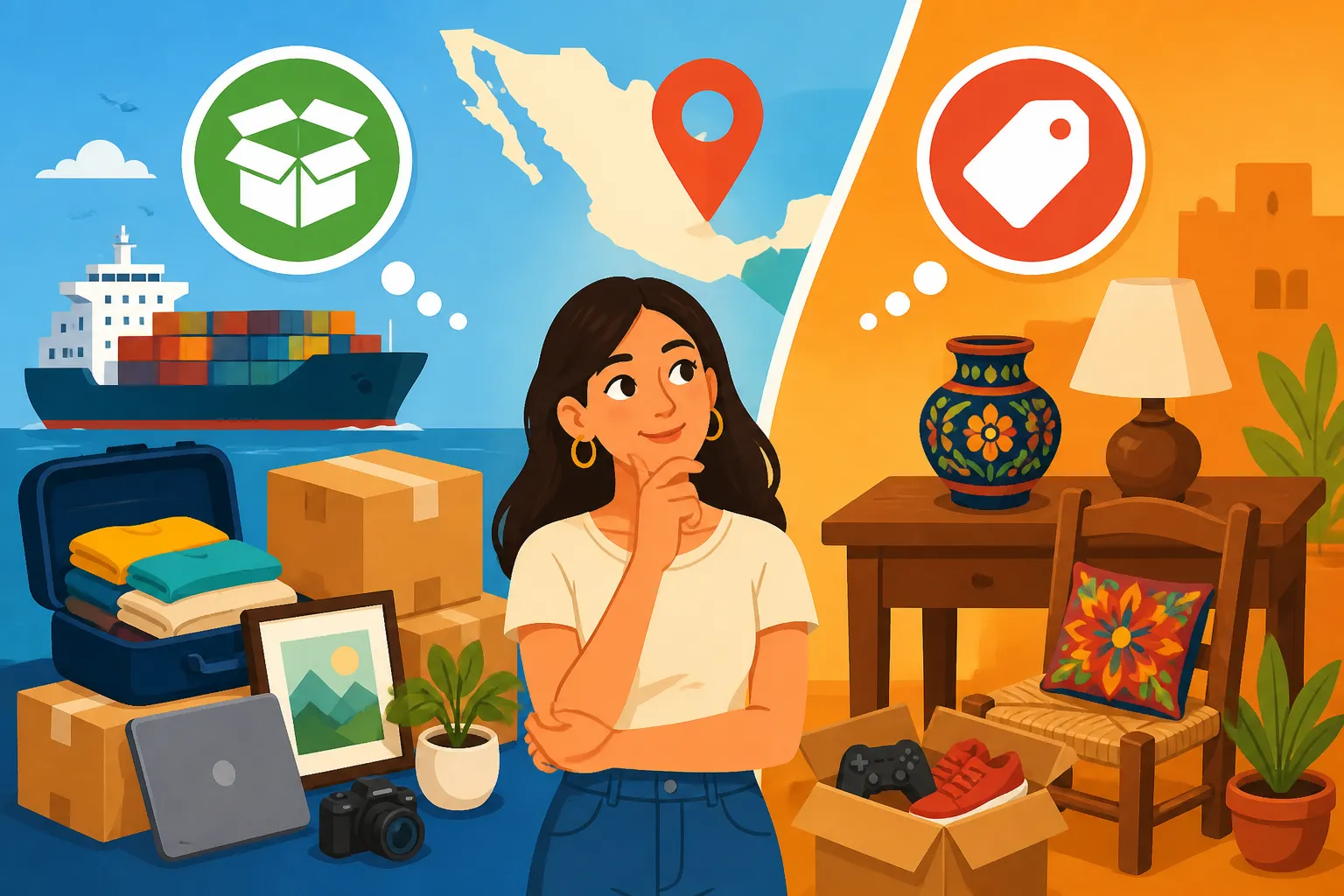
Deciding What Truly Matters: Shipping Your Treasures Home
Repatriating from Mexico isn't just about moving physical items; it's about transitioning a chapter of your life. When it comes to deciding what to ship back, you’re not just looking at monetary value, but often at sentimental worth and the sheer headache of replacing things. This part of the journey requires a clear head and a bit of ruthless honesty.
Sentimental Value and Irreplaceable Items
Let’s face it, some things are just non-negotiable. That intricate alebrije you haggled for in Oaxaca, the hand-painted pottery that reminds you of Sunday mornings in San Miguel de Allende, or perhaps the family heirloom that traveled with you to Mexico in the first place. These are the items that bring joy, tell a story, or hold an irreplaceable piece of your past. These are the things that are worth the investment of shipping.
Consider photo albums, personal journals, unique pieces of art, or gifts from Mexican friends. These items might not fetch much if sold, but their emotional value is priceless. Shipping these safely means choosing a reputable international moving service. This is where comparing options through a platform like Sirelo becomes invaluable. They connect you with movers who understand the delicate nature of such items, ensuring they arrive at your new home just as cherished as they left Mexico. Think about that gorgeous woven blanket you bought in Chiapas; it’s more than just fabric, it’s a memory. You don't want to risk losing it or having it damaged.
High-Value and Specialty Items
Beyond sentiment, there are practical considerations for high-value items. Your state-of-the-art coffee machine, that comfortable mattress you invested in, or perhaps specialized outdoor gear you brought from home. Replacing these items new in your home country could be more expensive than the cost of shipping them, especially if they are large or heavy.
Electronics, for example, can be tricky. While many everyday electronics are readily available in Mexico, if you have specific models or brands that you rely on, it might be worth shipping them. However, remember to consider voltage differences between Mexico (127V) and your home country if you're returning to a place with 220-240V. While adapters exist, some appliances just aren't designed for different currents. Professional movers found via Sirelo can advise on packaging and customs declarations for such items, making sure they clear borders without a hitch. This is also true for any valuable furniture you brought with you or acquired that perfectly fits your aesthetic. Calculating the replacement cost versus the shipping cost is key here.
Practicality and Future Needs
The "will I actually use this?" question is crucial. As much as you love your Mexican kitchen gadgets, if your new kitchen in, say, Canada, is tiny, then that massive molcajete might become a very heavy paperweight. Think about your future living situation. Are you moving into a smaller apartment, a furnished rental, or a house where you’ll need everything from scratch?
If you're heading back to a fully furnished home or planning to buy new things anyway, then shipping bulky items might not make sense. However, if you’re rebuilding your household from the ground up, bringing essential furniture, kitchenware, and linens could save you a significant amount of money and hassle in the long run. Don't forget the little things that add up: good quality towels, your favorite pots and pans, or even your extensive collection of books. These items contribute to the overall Cost of Living in Mexico: 2026 Comprehensive Guide while you're here, and replacing them will be a new expense back home. A comprehensive moving service facilitated by Sirelo can help you get detailed quotes, allowing you to compare the financial implications of shipping versus buying new.
Embracing the "Less is More" Philosophy: Selling and Donating Locally
One of the beautiful aspects of expat life in Mexico is often the simpler, more mindful approach to possessions. Repatriation offers a fantastic opportunity to truly declutter and embrace a "less is more" philosophy. Beyond lightening your load, selling and donating locally can put some cash back in your pocket or, more importantly, give back to the community that has hosted you.
Local Marketplaces for Selling Your Goods
Mexico has a thriving second-hand market, especially within expat communities and through various online platforms. This is often the best route for items that are too heavy or numerous to ship, or those that hold less sentimental value.
- Facebook Marketplace and Expat Groups: These are your absolute best friends for selling everything from furniture to small appliances, clothing, and even cars. Search for groups like "Expats in [Your City] Buy/Sell/Trade" or "Mercado Libre [Your City]." Be prepared for some negotiation (regateo) and cultural differences in communication. It's common for buyers to ask "what's your best price?" or disappear after initial interest. Patience is key!
- Local Tianguis (Flea Markets): For smaller items, household goods, or even clothing, renting a small stall at a local tianguis can be an option, though it requires more effort and usually some Spanish fluency. This is more of a cultural experience than a guaranteed profit machine, but it can be fun.
- Consignment Shops: In larger expat hubs like San Miguel de Allende, Lake Chapala, or Puerto Vallarta, you might find consignment shops specializing in expat furniture and household goods. They take a percentage of the sale, but handle the selling for you.
- Word-of-Mouth: Don't underestimate the power of simply telling your friends, neighbors, and local service providers (your gardener, cleaner, etc.) that you're selling items. Many wonderful connections are made this way, and you can often find eager buyers for everything from kitchenware to patio furniture.
Remember, when selling, always prioritize safety. Meet in public places if possible, or have someone with you if buyers are coming to your home. For large items, arrange for the buyer to pick up, and avoid carrying large amounts of cash. While you won't be dealing with Mexican taxes on used personal items like you would with regular income, if you were Starting a Business in Mexico: Financial and Legal Basics for Foreigners, things would be different.
Donation Options and Giving Back to the Community
For items you don’t want to sell or that have low monetary value, donating is a fantastic way to give back to the community that has embraced you. Mexico has many charitable organizations that gratefully accept gently used items.
- Local Churches and Community Centers: Many churches and local DIF (Desarrollo Integral de la Familia) centers run programs for families in need and are often thrilled to receive donations of clothing, linens, toys, and small household items.
- Orphanages and Shelters: These institutions are often in desperate need of basic necessities. A quick online search for "orphanage [your city in Mexico] donations" or asking in local expat groups can yield contact information.
- Red Cross (Cruz Roja): The Mexican Red Cross often accepts donations of various goods, especially during times of need. They are a reliable organization to support.
- Animal Shelters: If you have pet supplies, blankets, or even old towels, local animal shelters are always appreciative. This is a wonderful way to give back, especially if you adopted a furry friend while living here.
- Giveaway Posts: For items that might be harder to sell but are still useful, a "free to a good home" post in an expat Facebook group will often find takers quickly. It saves you the hassle of disposal and helps someone else out.
Donating items helps reduce waste, supports local families, and provides a sense of closure to your time in Mexico. It’s a win-win scenario.
When to Simply Give Away or Dispose
Let's be real: some things just aren't worth the effort to sell or donate. If an item is broken, heavily worn, or very specific to your niche hobby, it might be easier to dispose of it responsibly. Mexico's waste management systems vary by region, so inquire locally about proper recycling or large item disposal. Some municipalities have specific days for bulky trash collection.
| Item Type | Ship Home (Pros/Cons) | Sell Locally (Pros/Cons) | Donate Locally (Pros/Cons) |
|---|---|---|---|
| Sentimental Decor | P: Irreplaceable, cherished memories. C: Fragile, costly to ship. | P: None. C: Low monetary value, high emotional loss. | P: None. C: High emotional loss. |
| High-End Electronics | P: High replacement cost, familiar brands. C: Voltage issues, customs paperwork. | P: Good resale value, less hassle. C: Price haggling, theft risk. | P: Minimal. C: Often not accepted, better to sell. |
| Large Furniture | P: Saves buying new, familiar comfort. C: Very expensive to ship, takes up space. | P: Can recoup some cost, easier logistics. C: Finding buyers, transport. | P: Helps families in need. C: May need delivery, specific requests. |
| Kitchen Appliances | P: Quality items, saves buying new. C: Weight, voltage issues. | P: Good for smaller items, quick sale. C: Finding buyers for larger. | P: Useful for charities. C: Must be functional. |
| Clothing (Good Condition) | P: Favorite items, specific styles. C: Bulky, heavy. | P: Quick turnover, small cash. C: Low value. | P: High demand, helps many. C: Must be clean, good condition. |
| Books | P: Personal library, specific editions. C: Extremely heavy, costly. | P: Can sell in expat groups. C: Low individual value. | P: High demand for schools, libraries. C: Language relevant. |
| Mexican Crafts/Art | P: Unique pieces, irreplaceable. C: Fragile, customs checks. | P: Can sell to new expats. C: Need to price fairly. | P: Minimal. C: Often purchased for personal use. |
| Basic Household Goods | P: Minimal. C: Expensive given low value. | P: Quick sale, clears space. C: Low value. | P: Very useful for new families. C: Must be functional. |
Navigating the International Move with Ease: Your Repatriation Plan
Once you've meticulously sorted through your possessions, the next crucial step is orchestrating the actual move. This is where the right moving partner isn't just a convenience, it's a necessity. International relocation can be fraught with logistical nightmares, but it doesn't have to be.
The Importance of a Reliable Moving Partner
Moving across borders isn't like moving down the street. It involves complex customs regulations, specialized packing, various transport methods (sea, air, or land), and often, temporary storage solutions. Trying to manage all of this on your own is a recipe for stress, delays, and potentially costly mistakes. This is precisely why a platform like Sirelo is a game-changer for expats.
Sirelo acts as your central hub to compare quotes from multiple, vetted international moving companies. Instead of spending hours contacting individual movers, explaining your needs repeatedly, and sifting through disparate estimates, Sirelo streamlines the entire process. You provide your moving details once, and you receive competitive offers. This not only saves you an enormous amount of time but also ensures you get the best value for your money. They connect you with professional movers who specialize in routes to and from Mexico, understanding the local nuances and international requirements.
Imagine having a trusted expert guiding you through every step, from securing transit insurance to managing the intricate customs paperwork. That's the peace of mind a Sirelo-partnered mover offers. They’ll help you understand volume estimates, explain different shipping options (e.g., full container load vs. consolidated shipment), and provide transparent pricing, ensuring no hidden surprises.
Understanding Customs and Import Regulations
This is often the most daunting aspect of international moving. Each country has its own set of rules regarding what you can and cannot import, duty-free allowances, and required documentation. For instance, if you're returning to the US, you'll have different regulations than if you're moving to the UK or Canada. Narcotics, firearms, and certain agricultural products are almost universally prohibited.
Professional international movers, like those you can find through Sirelo, are experts in these regulations. They will guide you on how to properly declare your goods, what documents you need (such as your passport, visa/residency cancellation papers from Mexico, and proof of address in your destination country), and any potential duties or taxes you might face. They can help you prepare your inventory list in the correct format and ensure that your belongings are packed according to international standards to avoid issues at customs. This expertise is invaluable and can prevent your shipment from getting stuck at the border. Remember that navigating Mexican bureaucracy is often part of the expat experience, but with complex international shipping, professional guidance is indispensable.
Planning Your Shipping Timeline
Repatriation isn't a last-minute endeavor. International moves, especially by sea freight, can take weeks or even months. Starting early is critical. Once you've decided on your move date, begin getting quotes through Sirelo at least 2-3 months in advance, if not more. This gives you ample time to compare options, choose the right mover, and schedule packing and pickup.
The moving company will need time to pack your belongings, transport them to the port or airport, and arrange for their international transit. During this time, you'll be busy with your final weeks in Mexico, handling things like closing your Mexican bank accounts and cancelling various services. Having the shipping logistics handled by professionals allows you to focus on these other important tasks and enjoy your final moments in your Mexican home.
Practical Steps for a Seamless Departure from Mexico
Beyond the physical movement of your belongings, a smooth repatriation involves a series of administrative and personal tasks. It’s about tying up loose ends gracefully and responsibly.
Financial Wrap-up and Utility Cancellations
Before you leave, you’ll need to manage your finances in Mexico. This includes closing your Mexican bank accounts. Ensure all automatic payments are cancelled and any direct deposits are rerouted to your new account back home. Repatriating your funds can involve currency exchange, so be mindful of rates and transfer fees. You can find more information on Transferring Money Internationally: Best Ways to Send Money to/from Mexico.
Cancelling utilities is another key step. This includes your electricity (CFE), water, gas, and internet. Make sure to schedule these cancellations for a day or two after you’ve completely moved out, and get final readings. If you're renting, your landlord will appreciate clear communication. For detailed guidance, check out our guide on Home Utilities in Mexico: Setting Up Electricity, Water, Gas, and Internet. Don't forget to settle any outstanding bills, including your final internet payment to providers like Telmex or Totalplay.
Paperwork and Administrative Loose Ends
This can be the most frustrating part of leaving Mexico, as bureaucracy here moves at its own, often glacial, pace.
- Residency Cancellation: If you held a temporary or permanent resident visa, you should officially notify the Instituto Nacional de Migración (INM) of your departure. While not always strictly enforced for those leaving permanently, it’s good practice, especially if you ever envision returning to Mexico for residency in the future. Check our guide on Mexico Permanent Residency Explained: A Complete Guide (2027) for background on this process.
- RFC/SAT: If you registered for an RFC (tax ID) for work or financial purposes, you may need to de-register or file a final tax declaration with the SAT (Mexico's tax authority). Consulting with a Mexican accountant is highly recommended for this to ensure you don't leave any open tax liabilities. For more, see Do You Need an RFC Number? Why a Tax ID Matters for Expats' Finances.
- Driver's License: If you obtained a Mexican driver's license, you don't necessarily need to cancel it, but ensure you have your home country's license or an international driving permit ready for your arrival back home.
- Mail Forwarding: Set up mail forwarding with your local post office or a trusted friend if you anticipate important mail after you leave.
Remember, Dealing with Bureaucracy in Mexico: Tips for Handling Paperwork and Appointments often requires patience and multiple visits, so factor this into your departure timeline.
Saying Goodbye to Your Mexican Home
The final act of repatriation is often the most emotional. Beyond the paperwork, it’s about leaving your physical space in good order and cherishing your last moments.
- Final Cleaning and Inspection: If you rented, ensure your home is thoroughly cleaned and any damages are repaired to secure your security deposit. It’s always best to be present for the final walkthrough with your landlord. Our guide on Renting a Home in Mexico: Complete Expat Guide to Leases, Deposits, and More has more tips on securing your deposit.
- Forwarding Address: Provide your new forwarding address to your landlord and anyone who might need it.
- Goodbyes: Take the time to say proper goodbyes to friends, neighbors, and local shopkeepers who have become part of your life. These relationships are the true treasures you take with you, regardless of what's in your shipping container.
- Final Mexican Meal: Indulge in your favorite tacos, enchiladas, or pozole. Savor that last café de olla. These are the tastes you’ll miss the most.
Repatriating from Mexico is a journey, not just a move. It's about gracefully closing one chapter while excitedly anticipating the next. By thoughtfully deciding what to ship, what to sell, and leveraging reliable services like Sirelo to handle the heavy lifting, you can ensure your transition is as smooth and stress-free as possible.
Disclaimer
Please note that immigration laws, tax regulations, and shipping requirements are subject to change. While we strive to provide accurate and up-to-date information, this guide is for informational purposes only and does not constitute legal, financial, or immigration advice. We strongly recommend consulting with qualified professionals (such as an immigration lawyer, tax accountant, or international moving specialist) for personalized advice regarding your specific situation.