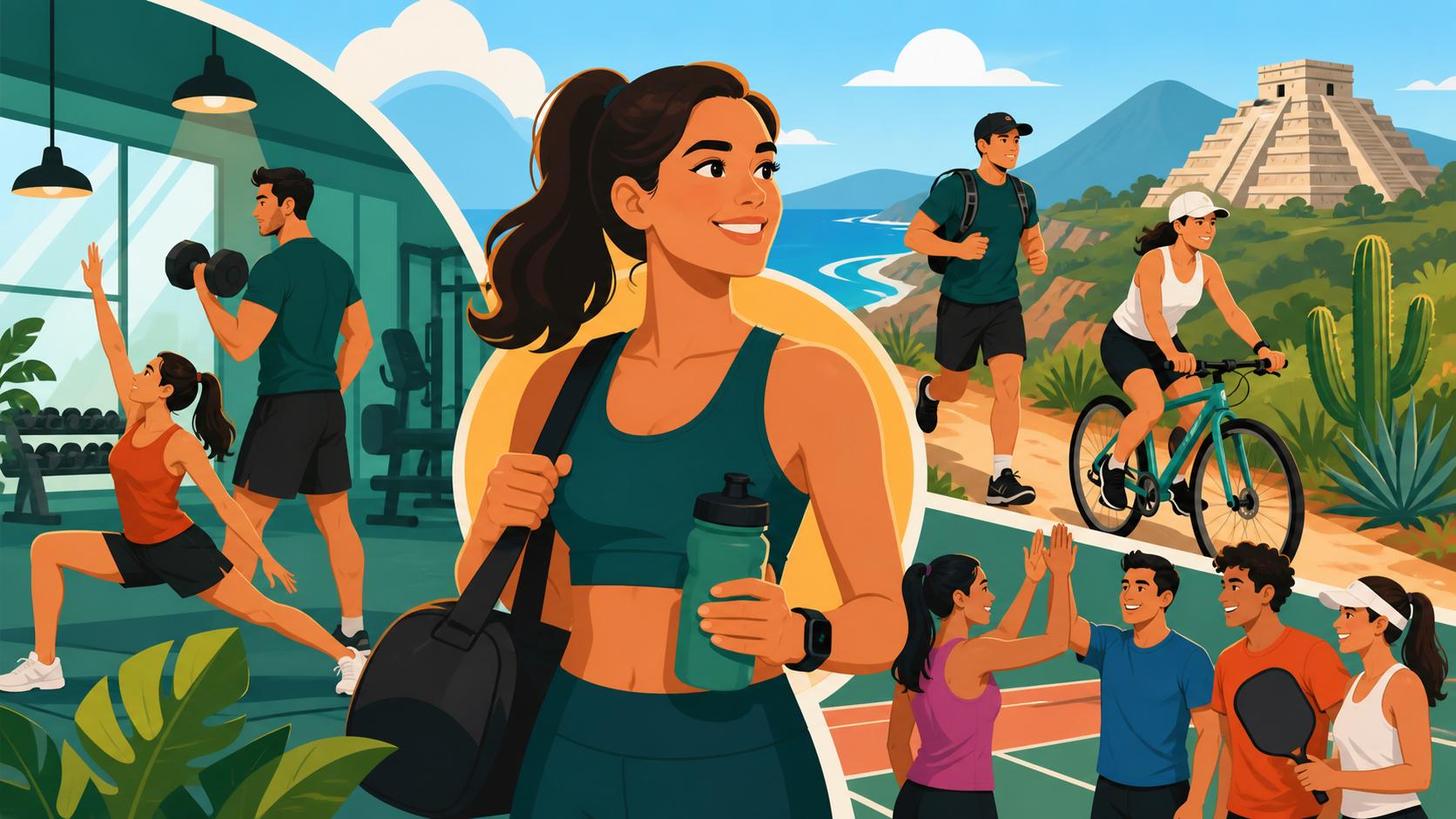
Staying Fit in Mexico: Joining Gyms, Sports Clubs, and Outdoor Groups
Adjusting to Mexico’s carb-heavy lifestyle can be a shock to the system, especially when you realize that walking to the local fonda doesn't quite offset a daily intake of fresh tortillas. I remember my first month in Querétaro, feeling sluggish and frustrated because I couldn't find a gym that didn't blast reggaeton at ear-splitting volumes or require a year-long contract. This guide solves the mystery of Mexico's fitness landscape, from high-end sports clubs to local park groups, so you can maintain your health while living your best expat life.
Disclosure: This post may contain affiliate links. We may earn a commission at no extra cost to you if you make a purchase through these links. Read full disclosure.
Navigating the Gym Scene in Mexico
The gym culture in Mexico is vibrant and diverse, but it operates differently than what you might be used to in the US, Canada, or Europe. You will generally find three tiers of gyms: the massive international or national chains, the boutique "status" studios, and the beloved neighborhood "gimnasios de barrio." Each comes with its own set of cultural norms and administrative hurdles.
Commercial Big-Box Gyms
In larger urban centers, you’ll see familiar names like Smart Fit, Sports World, and Sport City. Smart Fit is the most ubiquitous and affordable, often located in shopping malls. They are great for those on a budget, but they can get incredibly crowded during "hora pico" (peak hours), which are typically 7:00 AM to 9:00 AM and 6:00 PM to 8:00 PM. If you are Living in Mexico City: An Expat's Guide to Neighborhoods and Lifestyle, you will likely have several of these within walking distance.
The struggle with these chains often lies in the sign-up process. You will almost certainly need a Mexican credit or debit card for the automatic monthly billing, as many foreign cards are rejected by their systems. Furthermore, canceling a membership can be a bureaucratic nightmare. I once spent three weeks trying to cancel a membership because the "manager" was never in the office when I visited. Always read the fine print about "mantenimiento" (maintenance) fees, which are often charged annually on top of your monthly rate.
Local Neighborhood Gyms
If you prefer a more authentic, community-oriented experience, look for the "gimnasio de barrio." These are often smaller, located on the second floor of a commercial building, and filled with older but well-maintained equipment. The music will be loud, and the ventilation might just be a large open window, but the atmosphere is unbeatable. These gyms are excellent for expats because they usually allow you to pay by the month (mensualidad) or even by the day (visita) in cash, avoiding the bank account drama entirely.
In these local spots, the trainers are often very hands-on. Don't be surprised if a trainer walks up to you and corrects your form without being asked. This isn't seen as intrusive in Mexico; it’s considered helpful and polite. While their English might be limited, the "gym language" of gestures and basic terms is universal. This is a fantastic way to practice your Spanish in a low-pressure environment.
Boutique Studios and Specialized Fitness
For those who enjoy CrossFit, HIIT, or Yoga, Mexico’s boutique scene is booming, particularly in cities like Guadalajara, Monterrey, and Playa del Carmen. These studios often cater to a more affluent or expat-heavy crowd, and you’re much more likely to find English-speaking instructors here. Many of these studios use apps like Fitpass, which allows you to pay a single monthly fee to access hundreds of different classes across various locations.
If you are staying in a co-living space like Selina, you might even find that they offer their own yoga or wellness programs right on-site. These boutique options are often the "hero" of an expat’s routine because they provide a ready-made social circle. When you’re new to a city, joining a CrossFit box or a Pilates studio can be a faster way to make friends than sitting at a bar. If you find your local studio is missing specific equipment you love, like a particular foam roller or resistance bands, Amazon Mexico is incredibly reliable for getting fitness gear delivered to your door within a day or two.
Sports Clubs and Social Fitness: Beyond the Treadmill
In Mexico, the "Club Deportivo" is a cultural institution. It is much more than just a gym; it is a social hub where families spend their entire weekends. If you are looking for a comprehensive approach to health that includes swimming, tennis, and social events, this is the route to take.
The Prestige of Clubes Deportivos
A Club Deportivo usually requires a significant initiation fee (inscripción) and monthly dues, but the facilities are often world-class. Think Olympic-sized pools, multiple tennis courts, steam rooms, and even onsite restaurants and workspaces. For expat families, these clubs are a godsend. While the kids are in swimming lessons or soccer camp, parents can get a workout in and then catch up on emails in the lounge.
The administrative process for these clubs is formal. You may be asked for a "comprobante de domicilio" (proof of address) and your residency card. If you are still navigating the visa process, check out our guide on the Mexico Temporary Resident Visa: Comprehensive Guide for Expats (2026 Update) to ensure your paperwork is in order. These clubs are often where the local business and social elite mingle, so they can be excellent for professional networking as well.
The Padel Obsession
You cannot talk about staying fit in Mexico without mentioning Padel. Invented in Acapulco in the late 1960s, it has taken the country (and the world) by storm. It’s similar to tennis but played on a smaller, enclosed court with glass walls. It is incredibly social and much easier for beginners to pick up than traditional tennis.
Almost every major city now has dedicated Padel clubs. They are a fantastic way to stay active because the game is usually played in doubles, forcing you to interact with others. Many clubs have "open" sessions where you can show up without a partner and be matched with a group. It’s competitive but fun, and usually followed by a "chela" (beer) or a healthy smoothie at the club's cafe.
Public Parks and Outdoor Classes
Mexico’s climate is conducive to outdoor fitness year-round, and the government has invested heavily in "parques lineales" and outdoor gym equipment. In cities like Mexico City, the "Muévete en Bici" program closes major avenues like Paseo de la Reforma every Sunday morning for cyclists, runners, and skaters. It is a massive, city-wide fitness party.
You will also see groups of people doing Zumba, Tai Chi, or functional training in local plazas. These are often organized by the municipality and are either free or require a very small donation to the instructor. Don't be shy—just show up and join in. It’s a great way to feel the pulse of your neighborhood. However, be mindful of the sun; Heat Stroke and Sunburn: Preventative Care in Mexico’s Hot Climate is a real risk here, so always carry water and wear high-SPF sunscreen even on cloudy days.
Outdoor Adventure and Natural Fitness Opportunities
For those who find the four walls of a gym suffocating, Mexico’s natural landscape offers an endless playground. However, the terrain and altitude present unique challenges that require a bit of preparation.
Hiking and Trail Running
Mexico is a mountainous country, and hiking is a popular pastime for both locals and expats. From the Nevado de Toluca to the trails around Tepoztlán, there is no shortage of scenic routes. Joining a hiking group through Facebook or Meetup is highly recommended for safety and navigation. When you're out on the trails, having a reliable data connection is vital for GPS; I always use an eSIM from Airalo to ensure I have signal even in more remote areas where my home carrier might fail.
If you are new to the country and heading to the highlands, remember that the elevation is no joke. Altitude Sickness in Mexico: Tips for Adjusting to High Elevations can affect even the fittest athletes. Your heart rate will skyrocket, and your recovery will take longer. Take it slow for the first two weeks, hydrate more than you think is necessary, and listen to your body.
Water Sports and Coastal Activities
If you’ve chosen one of the Best Places to Live in Mexico for Expats (2027 Edition) along the coast, such as Puerto Vallarta or Sayulita, your fitness routine will likely revolve around the ocean. Surfing, paddleboarding, and open-water swimming are lifestyle staples in these areas.
Many coastal towns have "Swim Clubs" that meet early in the morning to swim across bays or between designated points. This is an incredible workout and a great way to meet the local community. Just be sure to check local water quality reports and be aware of "mar de fondo" (strong swells) which can make the ocean dangerous for even experienced swimmers.
Comparing Fitness Options in Mexico
| Option | Average Monthly Cost (MXN) | Best For | Social Level |
|---|---|---|---|
| Smart Fit / Big Chain | $400 – $800 | Budget-conscious, solo workouts | Low |
| Neighborhood Gym | $300 – $600 | Authentic experience, cash payments | Medium |
| Club Deportivo | $2,000 – $5,000+ | Families, multi-sport, networking | High |
| Padel Club (per session) | $200 – $400 | Socialites, competitive fun | High |
| Public Park Classes | Free – $50 (per class) | Community connection, fresh air | Medium |
| Boutique Studios | $1,500 – $2,500 | Specialized training, English speakers | Medium/High |
Practical Tips for Staying Active in a New Environment
Maintaining a routine in Mexico requires navigating more than just the gym entrance. You have to account for the environment, the local schedule, and even your own mental health as you adjust to a new culture.
Dealing with the "Siesta" Schedule and Climate
In many parts of Mexico, especially outside of the major metropolitan areas, the "siesta" or mid-day break is still a reality. Some smaller gyms might close between 2:00 PM and 4:00 PM when the heat is at its peak. Plan your workouts for the early morning or late evening. Not only is the temperature more manageable, but you’ll find that gyms are much more lively and social during these times.
If you’re working remotely as part of the Digital Nomad Life in Mexico: Remote Work Living Guide, the temptation to stay inside in the AC all day is strong. However, making the effort to get out for a 30-minute walk in the evening ("el sereno") is a quintessential Mexican habit that helps with digestion and mental clarity. It’s also the best time to see your neighbors and feel part of the community.
Safety and Gear
While Mexico is generally safe for outdoor exercise, common sense is required. In many cities, it is better to stick to well-lit, populated areas if you are running at night or in the very early morning. For more specific advice, read our article on Safety in Mexico: What Expats Need to Know About Staying Safe. Always carry a form of identification and a small amount of cash ("cambio") for water or an emergency taxi.
When it comes to gear, don't feel like you need to bring your entire home gym in your suitcase. Between local sporting goods stores like Decathlon and online options like Amazon Mexico, you can find everything from high-end running shoes to yoga mats easily. If you find that the stress of the move is affecting your motivation, remember that Mental Health Resources: Finding English-Speaking Therapists in Mexico are available to help you navigate the emotional ups and downs of expat life. Physical activity is a great tool for managing stress, but sometimes professional support is the missing piece of the puzzle.
Hydration and Nutrition
Finally, don't underestimate the impact of the local diet and water. Staying Healthy in Mexico: Essential Tips for Food, Water, and Preventive Care is a must-read for anyone trying to balance their fitness goals with the local cuisine. You will need to drink significantly more water here than you did back home, especially at high altitudes. Always stick to bottled or filtered water—even when you're at the gym. Most gyms have a "garrafón" (large water jug) where you can refill your bottle, but ensure it looks well-maintained.
Disclaimer
This guide is for informational purposes only and does not constitute professional medical or fitness advice. Always consult with a qualified healthcare provider before starting a new exercise regimen, especially if you have pre-existing conditions or are adjusting to high altitudes. The author is an expat sharing personal experiences, not a licensed medical professional in Mexico.