Is Street Food Safe to Eat in Mexico?
Many travelers and new residents in Mexico find themselves trapped in a state of culinary paralysis, staring longingly at a steaming taco stand while their internal "danger" siren blares. The fear of foodborne illness is perhaps the single biggest hurdle to experiencing authentic Mexican culture. This guide dismantles the myths and provides a veteran's strategy for enjoying street food safely.
Disclosure: This post may contain affiliate links. We may earn a commission at no extra cost to you if you make a purchase through these links. Read full disclosure.
The Reality of Street Food Hygiene in Mexico
When you first arrive in Mexico, your digestive system is essentially a clean slate, unaccustomed to the specific microbial landscape of the region. It is a common misconception that all street food is inherently "dirty." In reality, many street vendors maintain higher standards of transparency than brick-and-mortar kitchens because their entire operation is visible to the public. You can see exactly how the meat is handled, how the salsas are stored, and whether the grill is being cleaned.
However, the administrative hurdles for these vendors are different than those for restaurants. While they are often regulated by local municipalities, the consistency of inspections can vary. This means the burden of "inspection" falls on you, the consumer. Understanding the baseline of Staying Healthy in Mexico: Essential Tips for Food, Water, and Preventive Care involves recognizing that "local" bacteria aren't necessarily "bad" bacteria; they are simply different. Most cases of a "rumbling tummy" in the first week are actually due to a change in oil, spice levels, or mineral content in the water used for cooking, rather than a full-blown infection.
Veterans of the Mexican lifestyle know that the most successful street vendors are those who have been in the same spot for twenty years. In a culture where word-of-mouth is everything, a vendor who makes their community sick doesn't stay in business. When you are looking for a place to settle down or even just visiting, checking reviews on Booking.com for hotels near vibrant markets like Mercado Medrano in Guadalajara or Mercado de Coyoacán in Mexico City can put you right in the heart of these long-standing, community-vetted food hubs.
Understanding the Salsa Fever vs Bacterial Infections
There is a distinct difference between "Salsa Fever"—the physiological reaction to capsaicin and heavy spices—and a bacterial infection like E. coli or Salmonella. Many newcomers eat a taco with a habanero salsa, experience immediate urgency, and blame "food poisoning." In reality, their system is just reacting to a high-dose stimulant. Real food poisoning usually takes 6 to 24 hours to manifest.
If you find yourself questioning whether the water used in the food is safe, remember that most vendors use purified water from large 20-liter jugs called garrafones. This is a crucial point because Is Tap Water Safe to Drink in Mexico? is a resounding "no" for both locals and expats. Vendors know this, and because their livelihood depends on their reputation, they almost exclusively use purified water for their salsas and ice.
The Infrastructure of a Street Stall
A legitimate puesto (stall) has a rhythm. You should look for a permanent or semi-permanent structure that has a dedicated water source or a visible system for washing hands and utensils. Many vendors use a "grey water" bucket system; while this looks primitive, if they are using a disinfectant solution (like Microdyn), it can be remarkably effective.
The most dangerous stalls are those that look "pop-up" in nature, appearing only for a single event with no visible means of temperature control. Professional street food vendors in Mexico are often multi-generational businesses. They have a vested interest in your health. If you are ever in doubt, taking a professional food tour through a service like Viator can help you identify these infrastructure cues with the help of a local expert.
How to Spot a Safe Street Food Vendor
The "Crowd Factor" is your most reliable metric for safety. In Mexico, a line of locals—especially families with children and office workers in suits—is the ultimate seal of approval. High turnover means the food is not sitting around at dangerous temperatures. A taco stand that serves 500 people in a lunch rush is much safer than a quiet, empty restaurant where the meat might have been sitting in a refrigerator for days.
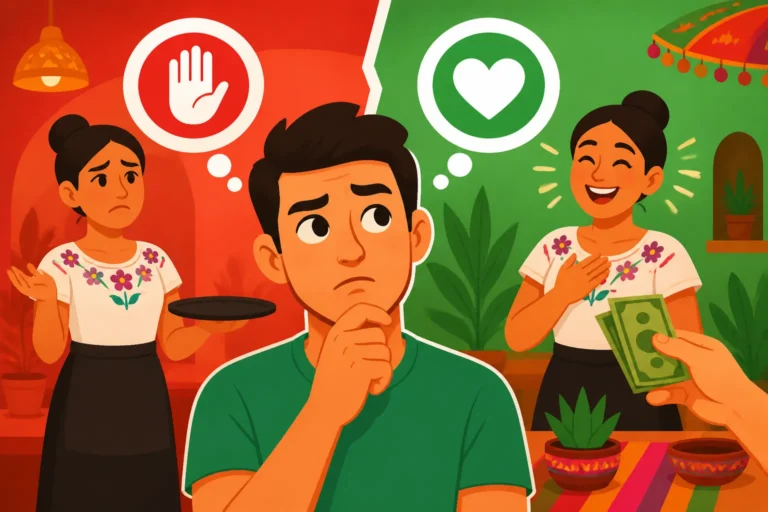
Look at the person handling the money. This is the "Golden Rule" of Mexican street food: the person who touches the cash should never be the person who touches the food. In many stalls, you will see one person dedicated to the grill and another—often wearing a different colored apron or gloves—who handles the pesos. If you see the taquero grabbing coins and then reaching for a corn tortilla, that is your cue to keep walking.
Visual Cues for Cleanliness
Beyond the crowd, look at the condiments. Salsas should be kept in deep, clean containers, and ideally, they should be sitting on ice or kept in a shaded area. If the salsa bowls are crusty around the edges or have been sitting in the direct sun for hours, the risk of fermentation and bacterial growth increases.
The state of the aprons and the surfaces is also telling. A clean, stainless steel prep area is a good sign. Most reputable vendors will wipe down their counters after every few customers. Also, pay attention to how they serve the food. Many vendors put a small plastic bag over the plate before serving. Once you are done eating, they toss the bag and the plate remains clean. This is a brilliant local solution to the lack of running water for dishwashing.
Money Handling and Cross Contamination
If the vendor is a "solo act" and must handle both money and food, they should be using a plastic bag as a glove to handle the cash or have a separate container where you drop your coins and take your own change. This level of intentionality shows they understand hygiene. If you are traveling between cities, perhaps after booking a trip on Busbud, you will find many vendors at bus terminals. Apply these same rules there, as terminal food can be some of the best or worst depending on turnover.
Common Street Food Staples and Their Safety Profiles
Not all street food is created equal when it comes to risk. Understanding the "Safety Hierarchy" can help you navigate the menu. Generally, anything cooked at high heat in front of you—like a taco on a comal or meat sliced directly from a trompo (the vertical spit used for Tacos al Pastor)—is very safe. The heat kills the vast majority of pathogens.
Is Street Food Safe? How to Enjoy Mexican Street Eats Without Worry is a question best answered by looking at the specific dish. For example, Tamales are steamed for hours, making them an excellent low-risk option for breakfast. On the other hand, pre-cut fruit or "fresh" seafood in a landlocked city should be approached with extreme caution.
Tacos al Pastor and Griddled Meats
The trompo is a marvel of street food engineering. The outer layer of meat is constantly being seared by a vertical flame. When you order, the taquero shaves off the cooked outer layer directly onto your tortilla. This "cook-to-order" style is the gold standard for safety. If the meat is being pulled from a pre-cut pile that isn't sitting on a heat source, ask them to toss it on the grill for a minute to ensure it’s piping hot.
Learning How to Order Food in Spanish in Mexico Without Stress will help you communicate these small requests. Simply saying "bien cocido, por favor" (well cooked, please) can give you that extra layer of peace of mind without offending the cook.
Tamales and Steamed Goods
Tamales are essentially the original "packaged" food. Wrapped in corn husks or banana leaves and steamed in large pots, they are protected from environmental contaminants until the moment you peel them open. Because they are a breakfast staple, try to buy them early in the morning when they are fresh out of the steamer. By 11:00 AM, the leftovers in the pot may have cooled down, increasing the risk.
Fresh Fruits and Salsas: The High-Risk Zone
This is where most people get into trouble. Fresh fruit vendors (the fruteros) are ubiquitous and tempting. However, fruit is often washed in local tap water or handled with hands that have been prepping all day. If you must have fruit, choose items you can peel yourself, like bananas or oranges. For pre-cut mango or papaya, ensure the vendor is cutting it fresh in front of you and using a clean knife.
The same applies to salsas. While the green and red salsas are the heart of the meal, they are raw. If you are in your first week in Mexico, stick to the cooked salsas or those that are clearly very fresh. If you are Managing Food Allergies and Special Diets in Mexico, be particularly careful with salsas, as they often contain hidden ingredients like peanuts or seeds used for thickening.
Comparison Table: Street Food Safety Checklist
| Feature | Green Light (Safe) | Red Light (Risky) |
|---|---|---|
| Crowd | Long line of locals, families, and workers. | Empty stall, vendor looks bored or sleeping. |
| Money | Separate person handles cash or uses a bag/glove. | Cook handles cash and food with bare hands. |
| Heat Source | Food is bubbling, steaming, or grilled to order. | Food is sitting in a pile at room temperature. |
| Salsas | Kept in deep containers, shaded or on ice. | Crusty bowls sitting in direct afternoon sun. |
| Plates | Covered with a fresh plastic bag for each user. | Reusable plastic plates wiped with a damp rag. |
| Water | Visible 20L garrafón used for prep/drinks. | Hose connected to a nearby building. |
Practical Tips to Protect Your Stomach
Acclimatization is a real thing. Do not jump off the plane and head straight for a "suadero" (brisket) taco stand. Start your journey with "Comida Corrida" restaurants—small, indoor, fixed-price lunch spots. These provide a middle ground where the food is prepared in a kitchen but follows traditional recipes.
Once you are ready for the street, carry a small bottle of hand sanitizer. Often, the "food poisoning" people experience isn't from the food at all, but from their own hands which have touched subway railings, door handles, or money before they picked up their taco. A quick squirt of sanitizer before you eat significantly reduces your risk profile.
The Gradual Acclimatization Strategy
Think of your stomach like a muscle that needs training. In your first week, avoid the "wildcards" like raw onions and cilantro, which are often the culprits for bacterial transfer. By week three, your gut biome will likely have adjusted to the local environment, and you can start being more adventurous. If you are an expat living here long-term, you’ll eventually find that you can eat almost anywhere the locals do without a second thought.
Hand Hygiene and On-the-Go Sanitization
Mexican culture is very social, and you will likely be shaking hands or touching many surfaces. Always wash your hands or use sanitizer. If a vendor offers you a squeeze of lime, take it. While the "lime kills everything" theory is a bit of a local myth, the acidity does provide a minor antibacterial environment on the surface of the meat.
What to Do If You Actually Get Sick
Despite all precautions, sometimes the "bugs" win. It is important to distinguish between a "disagreeable meal" and a medical emergency. Most cases of Traveler’s Diarrhea (Montezuma’s Revenge): Prevention and Treatment are self-limiting and will resolve in 24 to 48 hours with rest and hydration.
The first thing every expat learns is the magic of "Electrolit." This is a high-grade rehydration drink found in every OXXO and pharmacy. Skip the Gatorade; Electrolit has the salts and minerals you actually need. If you experience a high fever, bloody stools, or vomiting that prevents you from keeping liquids down, it is time to see a professional.
Knowing the Difference Between a "Belly Ache" and an Emergency
A standard stomach upset involves cramping and frequent bathroom visits but usually leaves you feeling relatively okay between "bouts." An emergency involves intense, localized pain (which could be appendicitis, often mistaken for food poisoning) or severe dehydration. If you find yourself in this position, knowing Emergency Numbers in Mexico: How to Call Police, Fire, or Ambulance is vital.
In major hubs, you can find world-class care at facilities mentioned in our guide on Healthcare in Mexico City: Top Hospitals and Clinics for Expats. Most private hospitals have an emergency room that can see you immediately, and the cost for a consultation is often significantly lower than in the US or Canada.
The Pharmacy Culture in Mexico
One of the best parts of the Mexican medical system is the Consultorio. Attached to many pharmacies like Farmacias Similares or Farmacias del Ahorro, these are small clinics where a licensed doctor can see you for about 50 to 100 pesos ($3-$6 USD). They are experts at treating local stomach bugs and can write a prescription for antibiotics or anti-parasitics on the spot.
Before you go, it is helpful to brush up on Pharmacy Spanish: Phrases to Help You Buy Medicine in Mexico so you can explain your symptoms. Also, be aware of Pharmacies in Mexico: How to Get Medications (OTC vs Prescription), as many common stomach meds are available over the counter, but things like Ciprofloxacin will require that quick doctor’s note from the consultorio.
Disclaimer
The information provided in this guide is for educational and informational purposes only and does not constitute professional medical advice. Always seek the advice of a qualified healthcare provider with any questions you may have regarding a medical condition or treatment. Navigating the food scene in Mexico involves inherent risks, and individual health responses may vary.