Diving and Snorkelling Trips in Cozumel: Booking Boats and Gear
Oh, Cozumel! Just hearing the name makes me instantly picture those impossibly clear turquoise waters and the kaleidoscope of marine life. It's truly a diver's and snorkeler's dream, but if you've ever tried to plan a trip from scratch, you know the struggle: navigating endless tour operators, worrying about safety, and just trying to figure out if you're getting a good deal. This guide is going to strip away all that stress, focusing on how you can effortlessly book your Cozumel underwater adventure, highlighting why platforms like Viator are your best friend in ensuring a smooth, unforgettable experience.
Disclosure: This post may contain affiliate links. We may earn a commission at no extra cost to you if you make a purchase through these links. Read full disclosure.
Why Cozumel is a Diver's and Snorkeler's Paradise
Let me tell you, as someone who's lived here for years and seen a fair share of beautiful spots, Cozumel holds a special place in my heart for its sheer underwater magic. It's not just another pretty island; it's a world-renowned destination for a reason, attracting enthusiasts from all corners of the globe. The island's location, combined with unique geological formations, creates an aquatic wonderland that truly has to be seen to be believed.
The Unmatched Underwater Ecosystem
Cozumel is famous for being part of the Mesoamerican Barrier Reef System, the second-largest barrier reef in the world. This isn't just a fun fact; it means you're diving or snorkeling in a thriving, vibrant ecosystem bursting with life. Picture this: towering coral formations that look like underwater cities, some reaching sizes that will absolutely astound you. You'll encounter a dazzling array of reef fish, from tiny, iridescent parrotfish nibbling on coral to majestic angelfish gliding gracefully by. Keep your eyes peeled, and you might spot sea turtles, graceful eagle rays, or even a sleepy nurse shark tucked away in a coral cavern.
Beyond the immediate reef life, Cozumel offers something unique with its incredible visibility, often exceeding 100 feet. Imagine floating weightlessly, gazing down into an abyss that's teeming with color and movement, feeling like you're flying over an alien landscape. The famous Palancar Reef, Colombia Reef, and the stunning gardens of El Cielo are just a few of the iconic spots where you'll find this kind of breathtaking scenery. El Cielo, in particular, is a shallow, sandy area aptly named "The Sky" due to the countless starfish scattered across its bottom, making it a stellar destination for snorkelers and divers alike.
Ideal Conditions Year-Round
One of the many reasons Cozumel consistently ranks high on diver bucket lists is its almost perfect conditions, virtually all year round. The water temperature is consistently warm, hovering around a comfortable 78-84°F (25-29°C), meaning you often don't even need a thick wetsuit – a skin or shorty is usually enough, if anything at all. This makes for incredibly comfortable dives and extended snorkeling sessions, without the shivers.
Beyond the warmth, Cozumel is renowned for its gentle drift diving. The currents along the western side of the island (where most of the diving happens) are typically mild and flow consistently north, allowing divers to simply float along with minimal effort, observing the marine life unfold before them. This drift makes it especially accessible for new divers or those who prefer a more relaxed experience. While conditions can vary, Cozumel generally escapes the brunt of severe weather systems that might impact other parts of the Caribbean, offering reliable good weather and calm seas for most of the year. This consistency means you can plan your trip with confidence, knowing you're likely to have stellar conditions.
Understanding Your Options: Diving vs. Snorkelling
When you're planning an underwater adventure in Cozumel, the first big question is often whether to dive or snorkel. Both offer incredible ways to experience the marine world, but they cater to different levels of experience, comfort, and, frankly, how close you want to get to the action. It's not about one being "better" than the other; it's about finding the right fit for your personal comfort and what you want to achieve.
Scuba Diving: Going Deeper
Scuba diving is, for many, the ultimate way to immerse yourself in the underwater world. It involves using specialized breathing equipment (SCUBA stands for Self-Contained Underwater Breathing Apparatus) that allows you to stay submerged for extended periods, typically around 30 to 60 minutes per dive, depending on depth and air consumption. If you're a certified diver, Cozumel offers an unparalleled experience with its deep wall dives, where you can literally float along the edge of an underwater cliff, gazing into the vast blue ocean below. The sensation is truly unlike anything else, providing a perspective of the reefs that snorkelers simply can't reach.
For those without certification, don't despair! Many operators offer "Discover Scuba Diving" programs. These typically involve a brief theory session, a quick confined water practice (like in a pool or very shallow, calm ocean), and then a supervised shallow dive with an instructor. It's a fantastic way to try diving without committing to a full certification course. You'll still get to experience breathing underwater and seeing the reef from a new perspective, albeit at shallower depths. Whether you're a seasoned pro exploring the deeper canyons of Palancar Bricks or a beginner on a discovery dive near Columbia Shallows, diving in Cozumel allows for an intimate connection with the vibrant coral ecosystems and larger marine inhabitants.
Snorkelling: Surface-Level Wonders
Snorkelling, on the other hand, is much more accessible and requires minimal training, making it perfect for families, young children, non-swimmers (with flotation devices), or anyone who simply prefers to stay on the surface. All you need is a mask, snorkel, and fins, and you're ready to explore. Cozumel's crystal-clear, warm, and relatively calm waters are absolutely ideal for snorkelling, as the visibility allows you to see incredible detail from above. Many of the most stunning coral formations and abundant fish life are found in shallower areas, which are perfectly visible from the surface.
Think of places like El Cielo, where you can float in waist-deep water, surrounded by giant starfish, or the shallow reefs near Dzul Ha, brimming with colorful fish. Snorkelling trips typically take you to several different spots, allowing you to experience various aspects of the reef without the complexities of diving. It's a fantastic option if you're looking for a relaxed, easy way to enjoy Cozumel's famous marine beauty, and it's often a more budget-friendly option too. Plus, you can spend more time focusing on the pure joy of watching the underwater world without worrying about air gauges or decompression stops.
Booking Your Cozumel Underwater Adventure
So, you're convinced! Cozumel's calling, and you're ready to jump in. Now comes the practical part: how do you actually book these amazing trips? This is where many visitors, especially those new to Mexico, can feel overwhelmed. You see operators on every corner, online ads, hotel recommendations… it can be a lot. But let me share a little expat secret with you: embracing online booking platforms for major excursions like diving and snorkeling can save you a world of hassle and often give you better peace of mind.
The Ease of Online Booking Platforms
In today's connected world, using reputable online booking platforms has become the smartest way to secure your Cozumel diving and snorkeling excursions. Think of a platform like Viator as your personal concierge for adventure, consolidating countless trusted local operators onto one user-friendly site. This means you don't have to wander the streets of San Miguel de Cozumel, comparing brochures and trying to gauge reliability. Instead, you can browse a vast array of options from the comfort of your home or hotel room, reading genuine reviews from previous travelers – which is invaluable, believe me.
Viator, in particular, makes it incredibly easy to compare different packages, check availability, and most importantly, secure your spot in advance. This is especially crucial during peak travel seasons, Mexican holidays, or if you have specific dates or types of dives in mind. You'll often find detailed descriptions of what's included (and excluded), pick-up options, and clear pricing, helping you budget effectively for your trip. The convenience of having all your booking details, confirmation, and often even communication with the operator handled through a single platform reduces so much of the usual travel stress. It’s a hero tool for any expat or tourist planning activities.
Booking through a platform like Viator also offers a layer of security and customer support that you might not get with a walk-up booking. If there's an issue with your reservation or a change to the schedule, you have a direct point of contact and recourse. This reliability is something you quickly learn to appreciate when navigating travel logistics in a foreign country. You can book everything from a beginner "discover scuba" experience to multi-tank certified dives or dedicated snorkeling tours, all vetted and reviewed.
What to Look for in a Tour Operator
Once you're on a platform like Viator, you'll see many different tour operators offering similar trips. How do you choose the right one? This is critical for both safety and enjoyment. First and foremost, always look for operators with clear certifications. For scuba diving, this means PADI (Professional Association of Diving Instructors) or SSI (Scuba Schools International) certification for their instructors and dive masters. This indicates they adhere to international safety standards for training and equipment. For snorkeling, while less formal certification is needed, a reputable company will still prioritize safety briefings and provide well-maintained gear.
Pay close attention to reviews, which is one of the biggest advantages of using a platform like Viator. People often highlight key aspects such as the professionalism of the guides, the quality and condition of the equipment, the size of the groups, and overall customer service. Smaller group sizes are generally preferable, especially for diving, as they allow for more personalized attention from your guide and a more intimate experience underwater. Larger groups can sometimes feel rushed or less attentive to individual needs.
Transparency in pricing and what's included is also paramount. Does the price include all gear rental? Marine park fees? Water and snacks on the boat? Tips for the crew? A good operator will make this clear upfront. Some Viator listings explicitly state these inclusions, preventing any unpleasant surprises. Avoid any operator that seems to cut corners on safety, offers incredibly low prices that seem too good to be true (they often are), or pressures you into a booking without clearly answering your questions. Remember, you're trusting them with your safety in a foreign environment, so don't compromise.
Booking In-Person: Pros and Cons
While I'm a big advocate for the convenience and reliability of online platforms, particularly Viator, it's also true that many people opt to book their tours in person once they arrive in Cozumel. You'll find countless tour desks, kiosks, and independent operators along the waterfront and in the town center of San Miguel. There's a certain charm to the spontaneous, walk-up booking, and it can sometimes feel more "local."
The main perceived pro of booking in person is the potential for negotiation. Sometimes, especially during slower seasons, you might be able to haggle for a slightly better price or an extra perk, though this is less common with established, high-quality dive operators. You also get to speak directly with a representative, ask questions face-to-face, and perhaps even get a feel for the operator's vibe. For some, this direct interaction provides a sense of reassurance.
However, the cons can quickly outweigh the pros. Availability can be a huge issue, especially for popular tours or during busy times. You might arrive only to find that the best operators are fully booked, leaving you with less desirable choices. Language barriers can also complicate things; while many tout English-speaking staff, the nuances of safety briefings or equipment explanations might get lost in translation. Most significantly, vetting a company on the spot is challenging. You don't have the benefit of extensive online reviews to inform your decision, meaning you're relying heavily on sales pitches or hotel recommendations, which may not always be impartial. This is where platforms like Viator shine, offering a curated selection with transparent reviews and a safety net.
Essential Gear and What's Included
One of the beauties of booking a diving or snorkeling trip, especially in a place like Cozumel that caters to tourists, is that most of the heavy lifting when it comes to gear is handled for you. You don't need to lug your own tanks or BCD across international borders (unless you're a hardcore diver with specific preferences!). However, it's always good to know what to expect and what you should definitely bring yourself.
Standard Rental Gear for Diving and Snorkelling
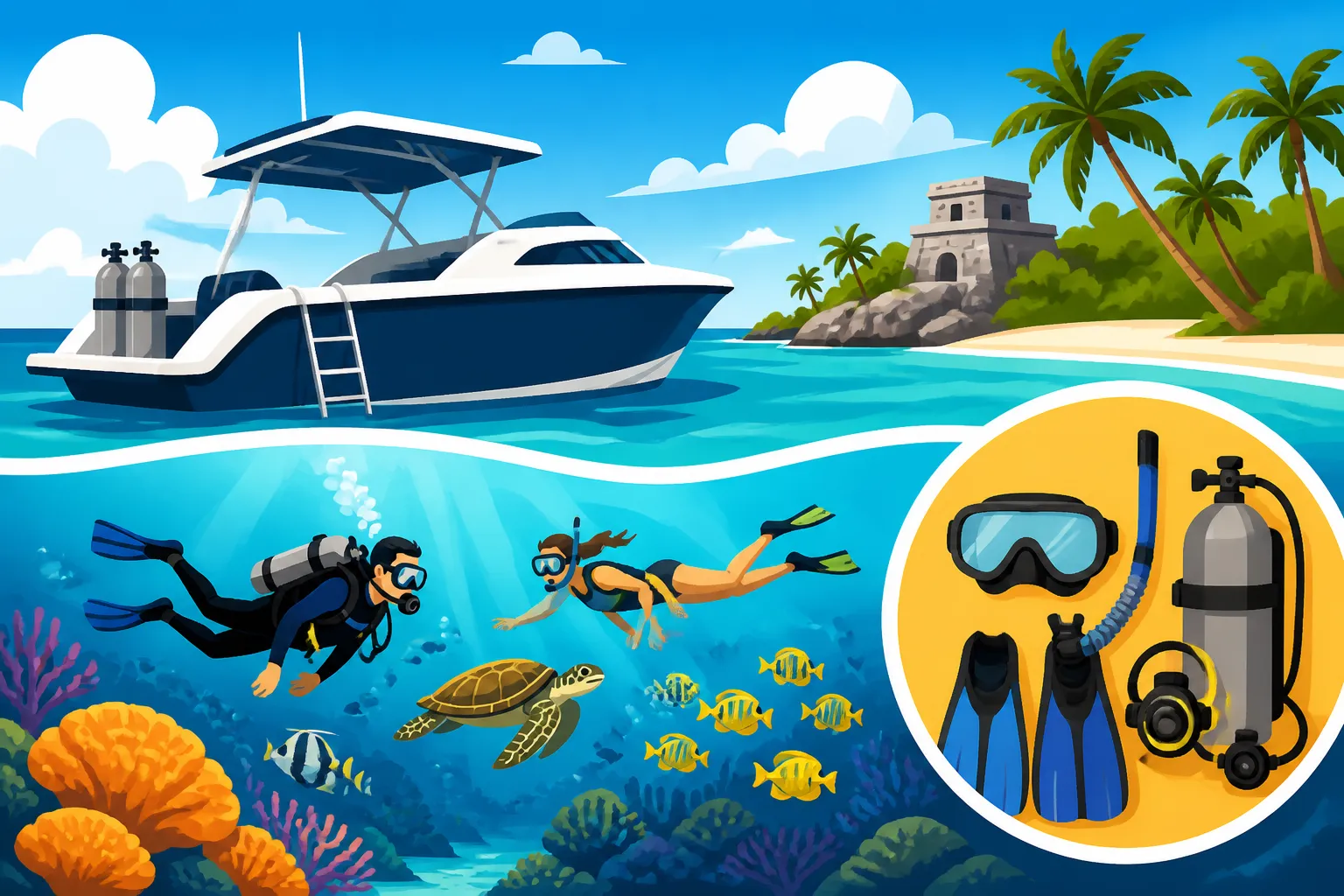
For scuba diving, a standard rental package will almost always include all the major pieces of equipment you need. This typically comprises:
- Mask: To see clearly underwater. Make sure it fits snugly to prevent leaks.
- Fins: For propulsion, allowing you to move through the water efficiently.
- Buoyancy Control Device (BCD): A jacket-like vest that inflates and deflates to help you control your buoyancy underwater and keep you afloat on the surface.
- Regulator: The mouthpiece that delivers air from your tank, allowing you to breathe underwater. It usually includes a pressure gauge to monitor your air supply and a depth gauge.
- Wetsuit: While Cozumel's waters are warm, a thin wetsuit (3mm or less) is often provided, especially for longer dives, to help with thermal regulation and provide a little protection from minor scrapes or stings.
- Snorkel: Used for breathing on the surface before and after a dive.
- Weight Belt: To help you descend and maintain neutral buoyancy underwater.
- Dive Tank: The cylinder holding your compressed air.
For snorkeling, the gear is much simpler: a mask, snorkel, and fins. Reputable tour operators, especially those found on a platform like Viator, pride themselves on providing clean, well-maintained equipment. However, it's a good practice to quickly check your mask for cracks, ensure your fins aren't split, and verify that your snorkel is clean before heading out. Don't be shy about asking for different sizes to ensure a comfortable fit – an ill-fitting mask can ruin a snorkel! Most tours will specify what's included in their package, so double-checking the Viator listing or directly with the operator is always a smart move.
What to Bring Yourself
Even with all the included gear, there are a few personal items you'll definitely want to bring along to make your Cozumel underwater adventure more comfortable and enjoyable. Think of these as your essentials for a day out on the Caribbean Sea.
First and foremost, a swimsuit is obvious, but often overlooked in the flurry of packing. You'll also want a towel for drying off after your swim or dive. Sun protection is critical in Mexico's intense sun, so pack a good reef-safe sunscreen. Regular sunscreens contain chemicals that are harmful to coral reefs, so choosing a mineral-based, reef-friendly option is not just a suggestion, it's an ethical choice to protect the very ecosystem you're there to enjoy. Don't forget a hat and sunglasses for eye protection during surface intervals and boat rides.
Cash is king for smaller purchases or tips, so bring some Mexican pesos for things like snacks, drinks from a vendor, or to show appreciation for your boat crew and guides. Tipping is customary in Mexico, and it’s always appreciated. While many larger operators accept credit cards, having some cash on hand for the smaller necessities or unexpected opportunities is always a good idea. Consider an underwater camera if you want to capture those incredible memories. Even a simple waterproof phone case can work wonders. Finally, a reusable water bottle is excellent for staying hydrated, and many boats will have water refills available. Don't forget your certification card if you're a certified diver!
| Feature | Scuba Diving | Snorkelling |
|---|---|---|
| Required Skill | Certification (or Discover Scuba program) | Basic swimming ability |
| Typical Depth | 10-100+ feet (3-30+ meters) | Surface to 15 feet (0-5 meters) |
| Gear | Mask, Fins, BCD, Regulator, Tank, Wetsuit, Weights | Mask, Snorkel, Fins |
| Cost Shape | Generally higher due to equipment, training, boat logistics | More affordable, less specialized equipment |
| Time Underwater | 30-60 minutes per tank (multiple tanks possible) | Varies, often longer periods with breaks |
| Experience | Immersive, close-up, deeper exploration | Surface-level, wide views, easy access |
| Suitable For | Adventurers, certified divers, those seeking deep exploration | Families, beginners, non-divers, relaxed enjoyment |
Preparing for Your Cozumel Trip
Alright, you've got your trip booked, your gear sorted (mentally, at least!), and your excitement is bubbling. Now, let's talk about the practicalities of getting there and ensuring your actual experience is as smooth and safe as possible. A little bit of preparation goes a long way in Mexico, trust me on this one.
Health and Safety Considerations
Your well-being should always be a top priority, especially when engaging in water activities. Before diving, you'll usually be required to fill out a medical questionnaire. Be honest about your health history, as certain conditions (like severe asthma, heart conditions, or recent surgeries) might preclude you from diving or require a doctor's clearance. This isn't bureaucracy for bureaucracy's sake; it's genuinely for your safety. If you have any concerns, consult your doctor before you travel.
Hydration is key, especially in Cozumel's warm climate. Drink plenty of water before, during, and after your trip. Dehydration can exacerbate issues like seasickness or make it harder to equalize your ears while diving. Speaking of ears, learning proper equalization techniques is vital for divers. If you're prone to seasickness, consider taking preventative medication before you get on the boat. Many boats offer ginger ale or crackers, which can help, but pre-medicating is often the most effective strategy. Remember the golden rule of diving: no flying for at least 18-24 hours after your last dive to avoid decompression sickness. Plan your flights accordingly! For more general tips on staying healthy, you might find our guide on Food and Water Safety in Mexico: Avoiding Illness helpful.
Getting to Cozumel and Your Departure Point
Unless you're flying directly into Cozumel's international airport (CZM), chances are you'll be making your way to the island via ferry from Playa del Carmen. This is a super common route for visitors staying on the mainland or arriving at Cancun International Airport. The ferry ride itself is about 45 minutes, and while generally smooth, can sometimes be a bit bumpy depending on the sea conditions. You'll want to buy your ferry tickets in advance or arrive early, especially during peak travel times. The main ferry companies are Ultramar and Winjet, and they run frequently throughout the day. For more information on navigating transportation, check out our guide to Getting Around Mexico: Buses, Flights, and Car Hire.
Once you're on Cozumel, most dive and snorkel trips depart from the main marina area or various piers along the waterfront in San Miguel. It's crucial to know your exact departure location and time. Many Viator tours offer convenient hotel pickup, which can be a huge relief, especially if you're staying further out or unfamiliar with the island's layout. If hotel pickup isn't offered, plan to arrive at least 30 minutes before your scheduled departure. Taxis are readily available on Cozumel and generally safe and affordable for getting around. Make sure you confirm the cost with the driver before you set off. Understanding Tipping in Mexico (Propina): When and How Much can also be useful for your interactions with taxi drivers and boat crew.
Remember that Cozumel operates on a relaxed "island time" vibe, but tour operators generally stick to schedules, so punctuality is still important for your part. If you’re staying on Cozumel, consider looking into Accommodation in Mexico: Hotels, Hostels, and Rentals well in advance, especially if your trip coincides with Mexican Holidays and Festivals: What Expats Should Know, as things book up quickly. For broader travel peace of mind, it's always wise to look into Travel Insurance for Trips to Mexico before you go. Having some local currency on hand is also a good idea; our article on Money for Travel in Mexico: Cash, Cards, and ATMs can help you prepare.
Disclaimer
This article is for general informational purposes only and does not constitute professional advice. Laws, prices and regulations vary by location and change over time. Consult a qualified professional for guidance on your specific situation.